Background: Febrile seizures (FS) are the most frequent convulsive neurological complication in young children aged between 6 months and 5 years. Patients presented to the ER with FS should be stabilized and may need hospitalization. Objective: The study aims to determine the presentation, investigation, management done, and recurrence rate of febrile seizures in a sample of patients from three Lebanese hospitals. Methods: This is a retrospective, multi-center, study conducted in three hospitals in Lebanon, using a data collection form with 60 pediatric patients recruited retrospectively between January 1st 2018 and June 1st 2019. The researchers collected demographics (gender, age) and FS (Febrile Seizure) data (Number of FS, Symptoms, and clinical findings) from medical files. Later on, parents were contacted to check about the recurrence of FS. Results: The prevalence of FS in the hospitals is 1.5% (60 FS / 4100 Pediatric cases). Among the 60 patients, 48.3% were boys and 51.7% were aged between 1 and 5 years. The top 3 FS features were fever (83.3%), otalgia (30%), and diarrhea (28.3%). Upon physical exam, 41.7% had erythematous TM, 23.3% had dehydration and 20% had rash. After investigations, 63.3% were discharged and 36.7% were admitted. After 1-year of the initial FS, 26.7% showed FS Recurrence. The multivariate analysis shows that factors predicting the FS recurrence at 1-year are: the number of the FS episodes at presentation (p = 0.001) and the duration of the seizure (p = 0.003). Conclusion: To the best of our knowledge, our study is the first to examine FS patients in different Lebanese hospitals. This is a critical opportunity for the exploration of this patient population and the examination of existing management and treatment strategies. This would allow the formulation of adequate treatment modalities and preventative strategies through the elaboration of country-specific risk factors and the identification of high-risk populations.
Keywords
Febrile Seizure
Population
Recurrence
INTRODUCTION
General Overview
Febrile seizures are the most frequent convulsive neurological complication in young children between six months and 5 years of age [1]. Febrile seizures consist of a seizure that presents with fever (> 38 degrees Celsius) with no central nervous system infections. Febrile seizures affect between 2 to 5% of children below the age of five years old [1]. That being said, incidence rates show some variation according to the study setting and methodology. Reported febrile seizure incidence varies between 0.3% and 11.9% [2–5]. Several factors have been shown to play a role in the risk of febrile seizure onset such as age and gender [5], family history of febrile seizure [6], fever duration [7], fever degree [7], infections [8-9 and vaccinations [10]. Moreover, studies have explored the precipitating variables that predict recurrent febrile seizures in children after initial incidents. Earlier age at febrile seizure onset and first occurrence was actually an independent risk factor for recurrence of febrile seizures [3,11-12]. Clinical factors predicting febrile seizure recurrence include a family history of febrile seizure (3,13,14), bacterial infections and the primary site of infection [5], the degree and duration of fever seems [11,13-14], to be as well seizure related variables impacting the complexity and number of seizures [3,5,15-16]. Children coming to the emergency room with febrile seizures should be stabilized.
This includes hydration and regulation of airways, breathing and circulation, as well as pharmacological interventions if necessary [17]. Apart from anticonvulsants, the efficacy of drugs that can be used to prevent febrile seizures is not corroborated by robust clinical evidence [18]. Febrile seizures carry both acute and long-term consequences in children that are diagnosed with.
Convulsive disorders. Children who experience febrile seizures can be hospitalized and have been described to have a higher risk of hyperactivity disorders and epilepsy. Further studies remain necessary to understand the factors contributing to the onset and recurrence of febrile seizures, particularly within a specific population. This would allow the formulation of adequate treatment modalities as well as preventative strategies through the elaboration of country-specific risk factors and the identification of high-risk populations.
Objectives
Primary Objective: The primary objective of our study is to determine the presentation, investigation, management done, and recurrence rate of febrile seizures in a sample of patients from three Lebanese hospitals.
Secondary Objectives
The Secondary objectives of the study are:
To determine the prevalence of febrile seizures in Lebanese population
To determine the factors affecting the febrile seizures in Lebanese population
MATERIALS AND METHODS
Study Design and Population
This is a retrospective, multi-center, study conducted in 3 hospitals in Lebanon, Rafic Hariri University Hospital, Lebanese Hospital Geitawi and Sahel General hospital, on a sample of 60 pediatric patients who presented to the ER between January 1st 2018 and June 1st 2019.
Inclusion Criteria
The patients who met the following criteria were admitted to the study: Children below 6 years, Lebanese residents and patients with seizure duration <15 minutes.
Exclusion Criteria
Were excluded from the study: Patients with focal neurological deficit at time of presentation, Patients with history of: neurologic disease, neurosurgical procedure or device, trauma, ingestion, congenital heart disease, malignancy, immunocompromised and patients with complex febrile seizures.
Data Collection
Data was collected from patient’s files and included: Demographic data: age and sex, Past medical history, presenting features, fever grade, duration of seizure, physical exam, investigations done, treatment and management and recurrence during 1-year. The researchers got, from the medical file, the contact number of the parents and contacted the parents at 1-year interval after the child’s presentation to the ER. The parents were asked about the recurrence of febrile seizure syndrome (loss of consciousness, twitching limbs or convulsions, confusion, tiredness, general weakness).
Ethical Considerations
Data was analyzed using the SPSS version 22. The primary endpoints “Febrile Seizure Recurrence” were presented as the frequency, and percentages. Secondary endpoints were presented as per the variable category. The categorical variables will be presented as frequency and proportions. The continuous variables will be presented as the frequency, mean and standard deviation. The following tests were used in the bivariate analysis: Chi-square test and Fisher exact test. A multivariate analysis was enrolled, using the binary logistic model, in order to predict the factors affecting the “Febrile Seizure Recurrence”. Significance level will be set at 5% (p-value less than 0.05).
RESULTS
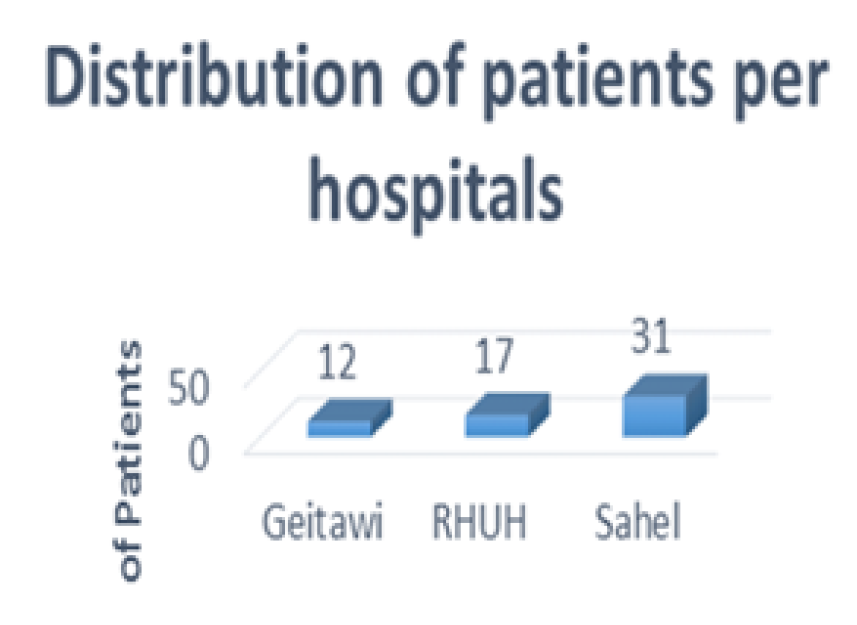
The 60 patients included in the study are distributed between the three hospitals as represented in the figure 1.
Prevalence of the Febrile Seizure
The number of pediatric patients admitted to the ER of the studied hospitals is between 4100. The number of patients admitted diagnosed having Febrile Seizure is 60. The prevalence is the number of patients diagnosed having Febrile Seizure, divided by the total number patients represents to the ER. The prevalence of Febrile Seizure is 0.015 (1.5%) (Figure 1).
Figure 1: Distribution of Participant per Hospital
Demographic Characteristics
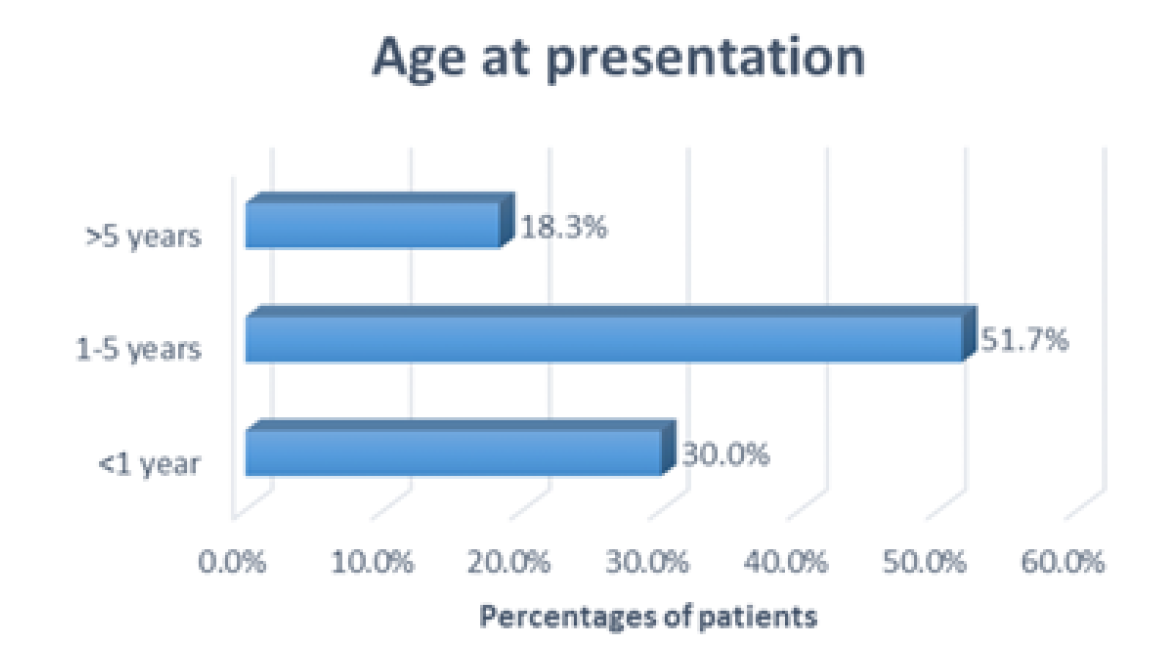
Age: Patients’ age was distributed between less than 1 year 30%, 1 to 5 years 51.7%, and 5 years and more 18.3% Figure 2.
Figure 2: Distribution of Patients per Age
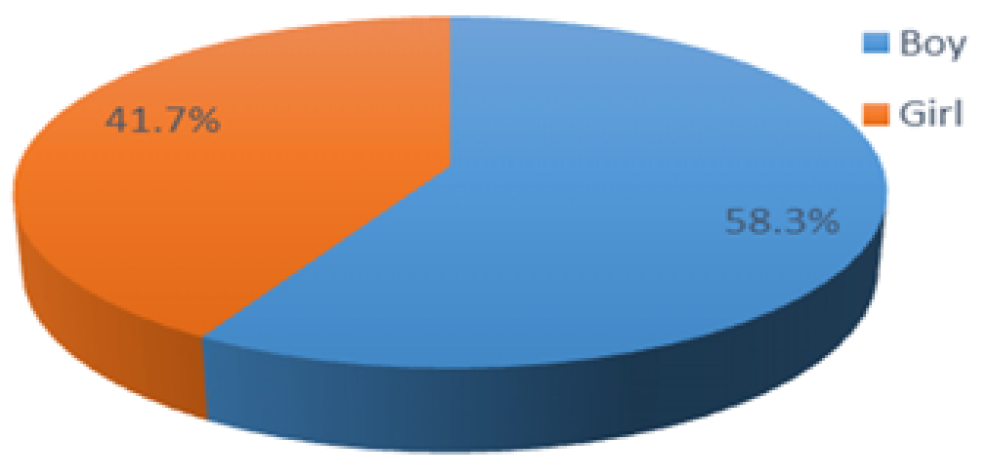
Figure 3: Distribution of Patients per Gender
Table 1: Distribution of Patients as Per Their Medical History
Parameters
Percentages
Past medical History
No
91.7
Yes
8.3
Total
100.0
Type of Medical History
Asthma
1.6
Recurrent otitis media
1.6
Milk protein allergy
1.6
Developmental delay
1.6
Bartter syndrome
1.6
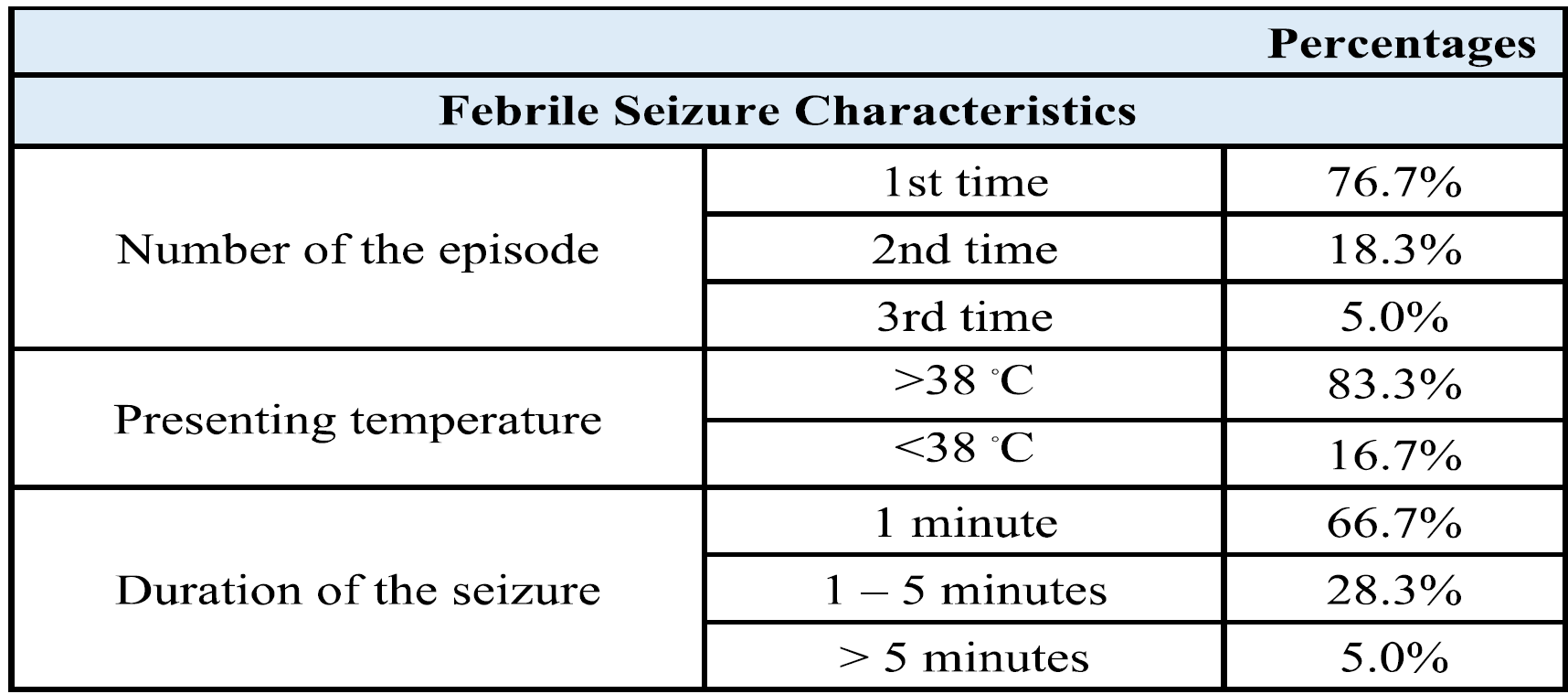
Table 2: Presentation of the Febrile Seizure Characteristics
Medical History
Out of 60 patients, 5 patients 8.3% have a medical history such as: Asthma, Recurrent otitis media, Milk protein allergy, Developmental delay, Bartter syndrome Table 1.
Febrile Seizure
Characteristics: Number of FS at presentation: The majority of patients has one episode of Febrile Seizure 76.7% and 23.3% did 2 and more episodes of Febrile Seizure. Out of 60 patients, 83.3% were presented to the ER with a temperature of 38 degrees and more. Among the 60 patients, 66.7% have a FS for 1 minute, and 33.3% have a FS for 1 minute and more Table 2.
Symptoms of Patients
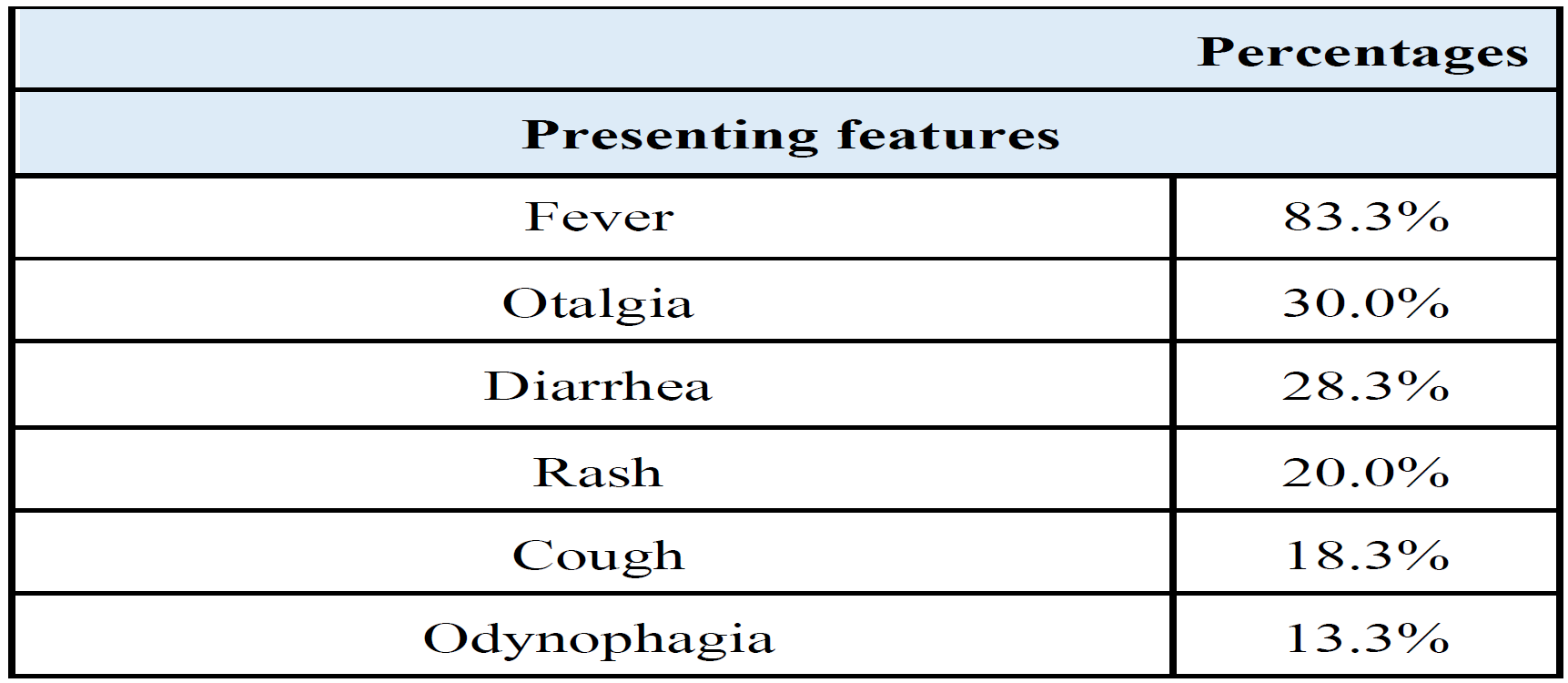
Out of 60 patients, 54 patients 90 % were presented with fever, 18 patients 30% were presented with otalgia, 17 patients 28.3% were presented with diarrhea, 12 patients 20% were presented with rash, 11 patients 18.3% were presented with cough, and 8 patients 13.3% were presented with odynophagia Table 3.
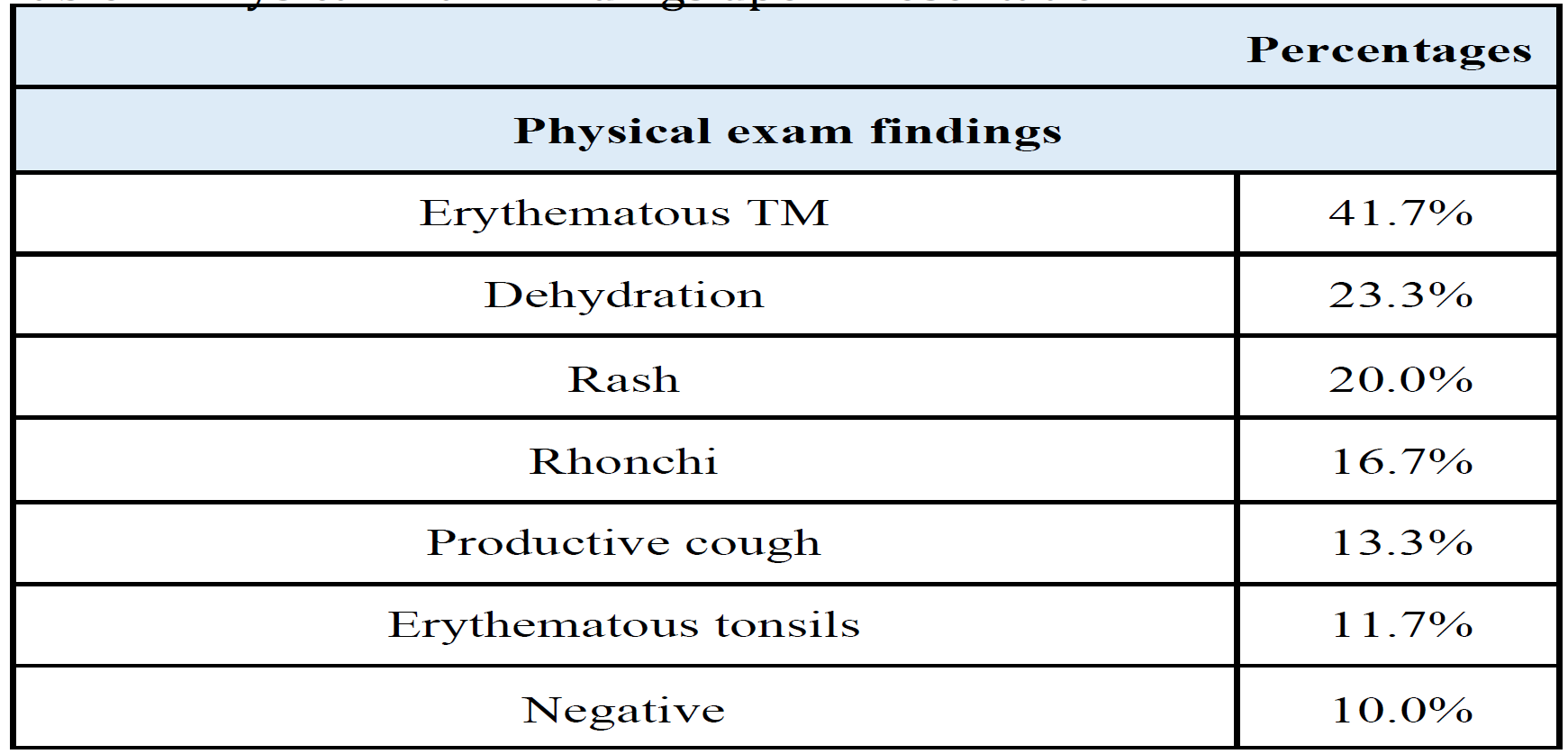
After the physical exam for the 60 patients, 41.7% were found to have erythematous TM, 23.3% have dehydration, 20% have rash, 16.7% have rhonchi, 13.3% have productive cough, 11.7% have erythematous tonsils, and only 10% have no findings Table 4.
Table 3: Presentation of the Febrile Seizure Features
Table 4: Physical Exam Findings upon Presentation
Table 5: Investigations and Findings
Figure 4: Treatment Modalities for Patients with Febrile Seizure
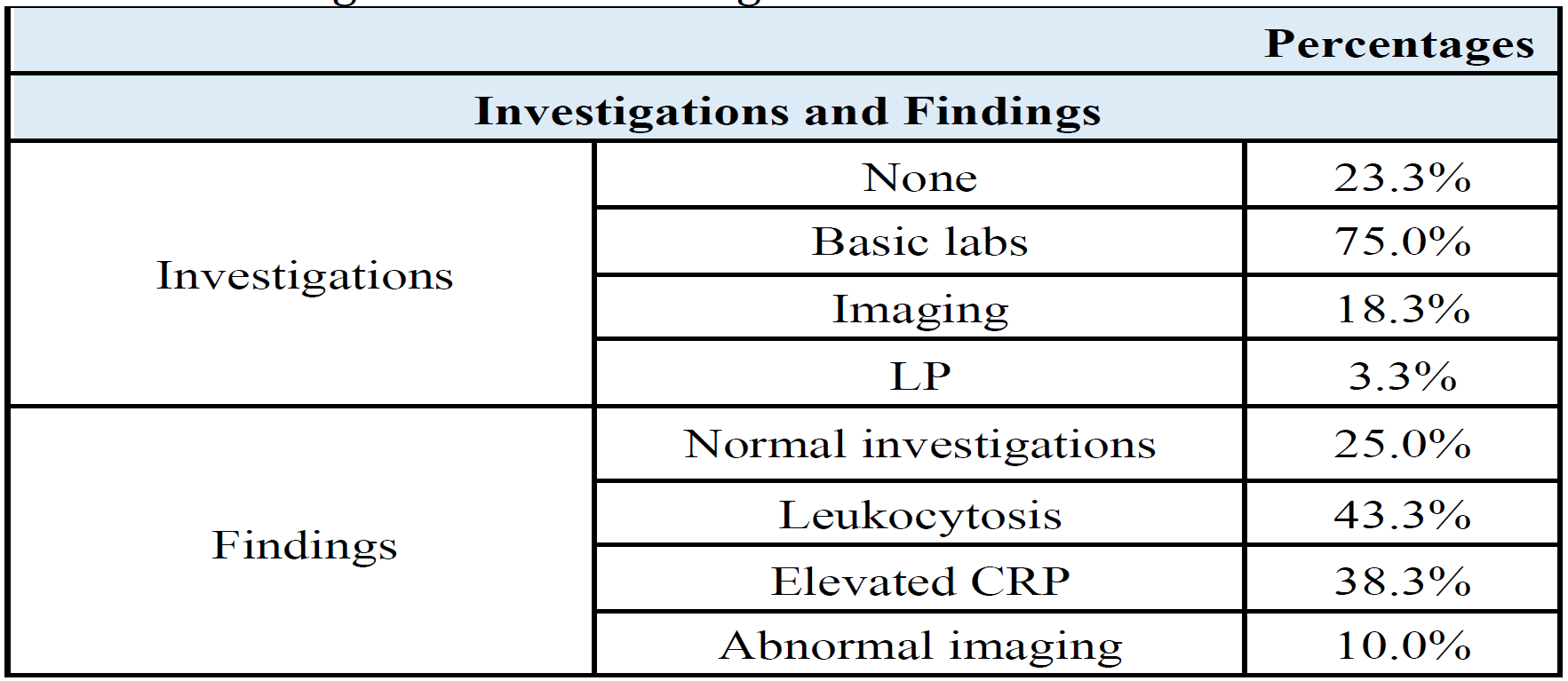
At the ER, 46 patients had investigations and exams such as lab tests 75%, imaging tests 18.3%, and LP 3.3%. After tests and exams, 15 patients 25% have normal investigations, 26 patients 43.3% leukocytosis, 23 patients 38.3% have elevated CRP, and 6 patients 10% have abnormal imaging Table 5.
Management of FS
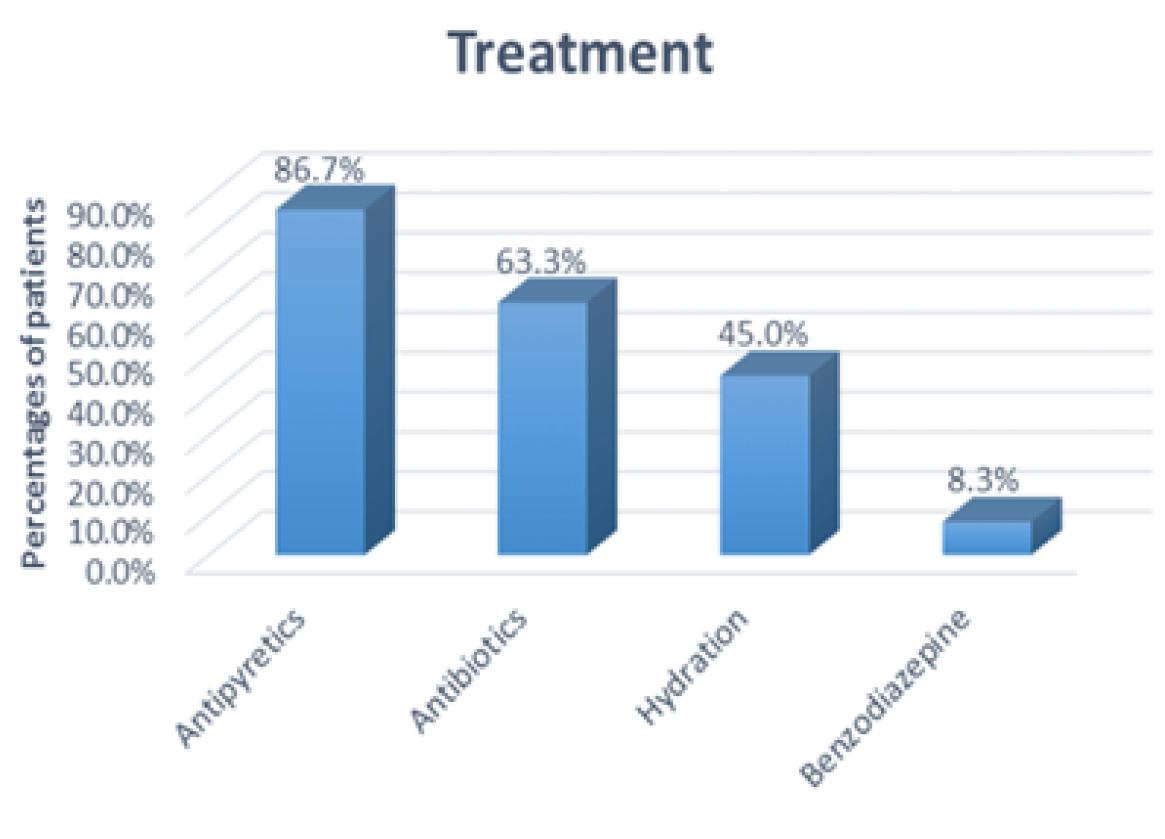
Out of 60 patients, 52 86.7% patients were treated with antipyretics, 38 patients 63.3% were treated with antibiotics, 27 patients 45% received hydration, and 5 patients 8.3% were treated with Benzodiazepine Figure 4.
Outcomes
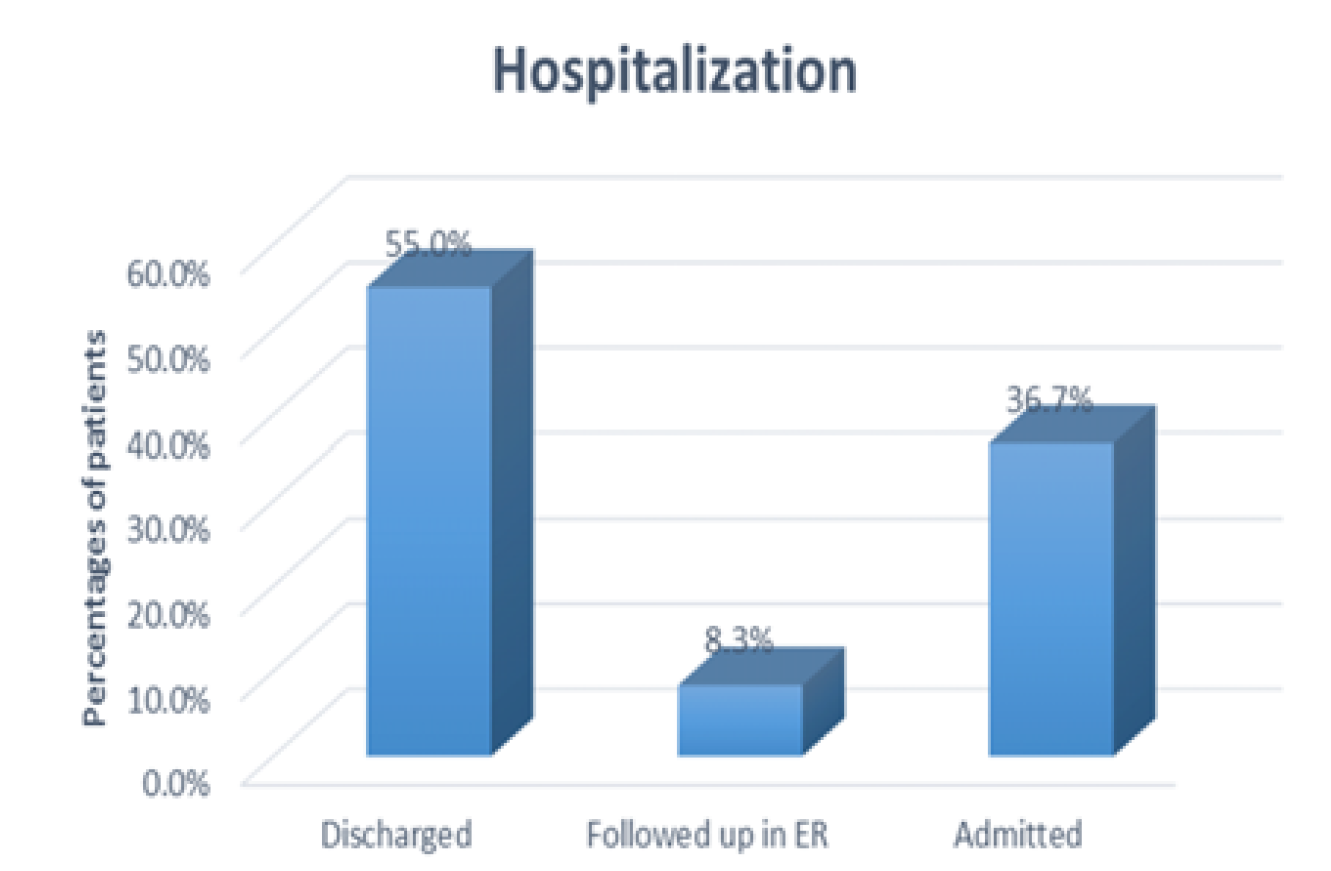
Hospitalization: After the investigations at the ER, 33 patients 55% were discharged, 5 patients 8.3% were followed at the ER and then were discharged, and 22 patients 36.7% were admitted Figure 5.
Out of 60 patients, 22 patients (36.7%) were hospitalized. Among the 22 patients, 20 patients have fever, 9 patients have diarrhea, 9 patients have cough, and 5 patients have rash. At the clinical examination, 9 patients have Rhonchi, 8 patients have productive cough and 8 patients have dehydration. After tests and exams, 14 patients have leukocytosis, 13 patients have elevated CRP, and 6 patients have abnormal imaging. Regarding the treatment, 18 patients were treated with antipyretics, 13 patients were treated with antibiotics, 16 patients received hydration, and 4 patients were treated with Benzodiazepine Table 6.
Recurrence of FS
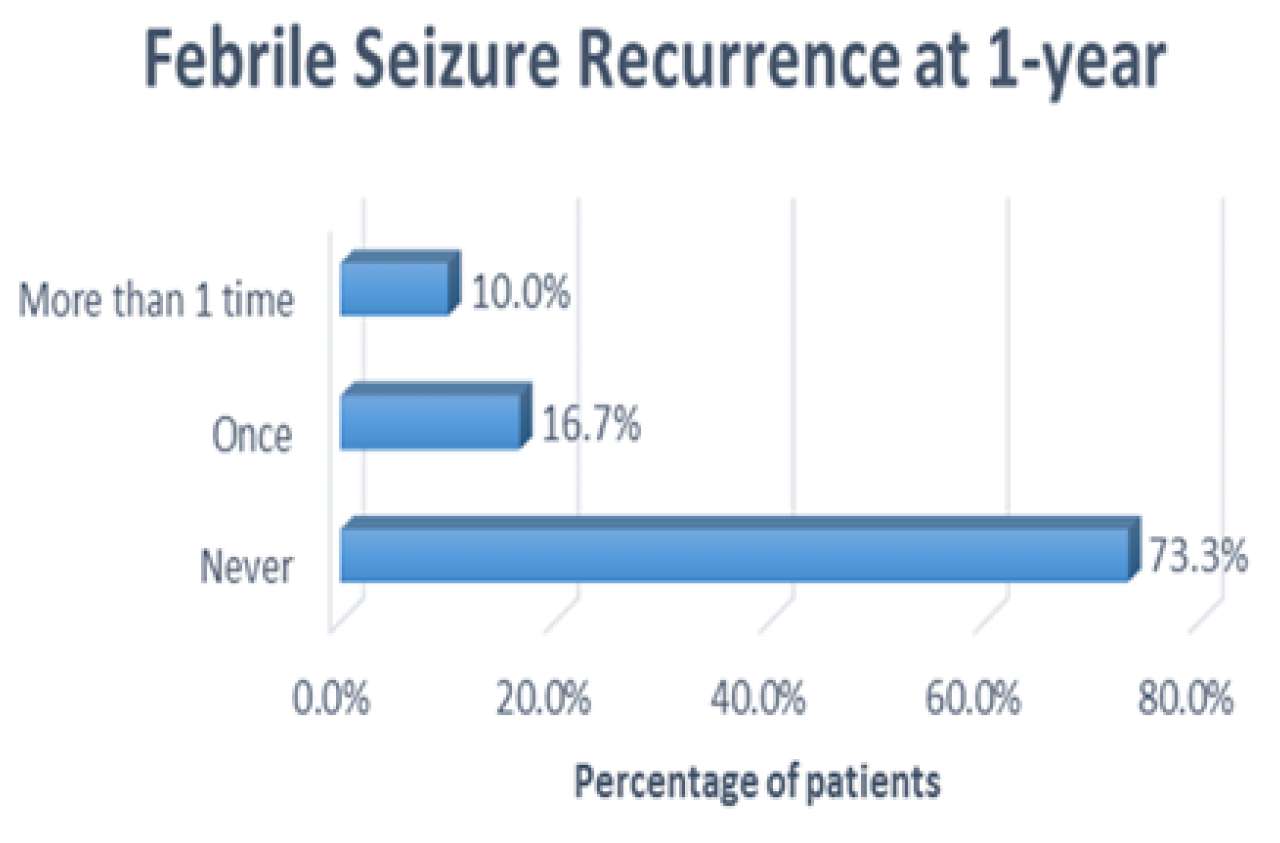
After one year of the child’s presentation to the ER, 16 patients 26.7% have Febrile Seizure Recurrence distributed between 16.7% who have recurrence for only one time and 10% who have recurrence for more than one time Figure 6.
There was no statistically significant correlation between the FS recurrence and the patients’ demographic characteristics (sex and age) (p-value >0.05) Table 7.
Figure 5: Hospitalization after ER Admission
Table 6: Clinical Settings of the Hospitalized Patients for Febrile Seizure
Parameters
Percentage (%)
Presenting features
Fever
90.9
Otalgia
4.5
Odynophagia
9.1
Rash
22.7
Diarrhea
40.9
Cough
40.9
Physical exam findings
Erythematous TM
18.2
Erythematous tonsils
4.5
Productive cough
36.4
Rhonchi
40.9
Dehydration
36.4
Investigations and Findings
Normal investigations
18.2
Leukocytosis
63.6
Elevated CRP
59.1
Abnormal imaging
27.3
Treatment
Antipyretics
81.8
Antibiotics
59.1
Hydration
72.7
Benzodiazepine
18.2
The p-values represent the Chi- Square test comparing recurrence of febrile seizures at one year with respect to age and sex. A statistically significant correlation exists between the FS recurrence and the number of FS episode at ER presentation p-value <0.0001 Table 8. The results show that all patients who have 3 FS episodes did FS recurrence. In addition, 63.3% of patients who have 2 FS episodes have FS recurrence. The duration of the seizure was statistically correlated with the FS recurrence p-value = 0.010 Table 8. The results show that the prevalence of recurrence is increasing when the duration of the seizure is increasing, where 47.1% of patients who have a seizure between 1 and 5 minutes and 66.7% of patients who have a seizure for 5 minutes and more, have recurrence. A statistically significant correlation exists between the FS recurrence and the fever at ER presentation p-value = 0.033 Table 8 with a relative risk = 1.471. The results show that 32% of patients, who have fever at ER, have recurrence.
Figure 6: Febrile Seizure Recurrence at 1-year
Table 7: Correlation of the FS Recurrence and the Demographic Characteristics
Parameters
Recurrenceat 1-year
p-Value
No
Yes
Age at presentation
<1 year
13
5
0.245 *
72.2%
27.8%
1-5 years
25
6
80.6%
19.4%
>5 years
6
5
54.5%
45.5%
Sex of the baby
Boy
27
8
0.309 *
77.1%
22.9%
Girl
17
8
68.0%
32.0%
Table 8: Correlation of the FS Recurrence and the Febrile Seizure Characteristics
Parameters
Recurrence at 1-year
p-Value
No
Yes
Number of the episode
1st time
40
6
< 0.0001 *
87.0%
13.0%
2nd time
4
7
36.4%
63.6%
3rd time
0
3
0.0%
100.0%
Presenting temperature
>38
39
15
0.488 *
72.2%
27.8%
<38
5
1
83.3%
16.7%
Duration of the seizure
1 min
34
6
0.010 *
85.0%
15.0%
1-5 min
9
8
52.9%
47.1%
> 5 min
1
2
33.3%
66.7%
Fever
No
10
0
0.033 *
100.0%
0.0%
Yes
34
16
68.0%
32.0%
There was no statistically significant correlation between the FS recurrence and the treatment modalities at the ER p-value > 0.05 Table 9.
A statistically significant correlation exists between the FS recurrence and the hospitalization p-value = 0.042 Table 10. The results show that 36.4% of patients, who were hospitalized, have FS recurrence.
A binary logistic regression was enrolled in order to predict the factors affecting the FS recurrence Table 11. A model was used including the factors which were statistically correlated in the bivariate settings. Two factors are predictors for the FS recurrence at 1-year: the number of the episode (p = 0.001) and the duration of the seizure (p = 0.003). The risk for having FS recurrence at 1-year increased 2.971 times when the number of FS episodes increased and it increased 1.758 times when the duration of the seizure increased.
Table 9: Correlation of the FS Recurrence and the Treatments Modalities
Parameters
Recurrenceat 1-year
p-Value
No
Yes
Antipyretics
No
8
0
0.069 *
100.0%
0.0%
Yes
36
16
69.2%
30.8%
Antibiotics
No
16
6
0.583 *
72.7%
27.3%
Yes
28
10
73.7%
26.3%
Hydration
No
25
8
0.429 *
75.8%
24.2%
Yes
19
8
70.4%
29.6%
Table 10: Correlation of the FS Recurrence and the Hospitalization
Parameters
Recurrenceat 1-year
p-Value
No
Yes
Course
Discharged
28
5
0.042 *
84.8%
15.2%
Followed up in ER
2
3
40.0%
60.0%
Admitted
14
8
63.6%
36.4%
Table 11: Binary Logistic for Predicating Factors Affecting the FS Recurrence
Variables
B
Bias
Std. Error
p-value
95% Confidence Interval
Lower
Upper
Number of the episode
2.971
1.470
5.434
0.001
1.733
21.580
Duration of the seizure
1.758
1.048
4.210
0.003
0.496
20.592
Constant
7.612
3.742
14.168
0.001
63.393
-4.937
DISCUSSION
Prevalence of initial febrile seizure
Our findings revealed that the prevalence of Febrile Seizure is 0.015 in the 4100 cases presenting to the ER or approximately 1.5%. In the literature, it is recognized that febrile seizures remain the most common convulsive complication among children. Febrile seizures affect between 2 to 5% of children below the age of five years old [1]. That being said, incidence rates show some variation according to the study setting and methodology, differing between countries and prospective/retrospective studies. Studies have demonstrated a higher incidence of febrile seizures in prospective study designs, reflecting the propensity of parents to be biased and under- or even over-report febrile seizures in their children [19]. As a result, reported febrile seizure incidence varies between 0.3% and 11.9% in the literature [2-5]. More than one episode of febrile seizure was reported in 23.3% of our patient population. In Poland, 85.23% of children suffered from one episode of febrile seizure; while almost 12% went on to experience a second episode [7]. Social, demographic, cultural, and economic factors have been suggested to affect the incidence of febrile seizures and could account for differences observed between studies [19].
Recurrence and Its Associated Risk Factors
Out of 60 patients, 26.7% of children in our study experienced febrile seizure recurrence in the year following presentation at the ER. Ten percent of patients who had recurrent febrile seizure had more than one recurrence at 1 year. In china, a study found that in the average of 2.33 years of follow-up, 18% of children had recurred. This yielded a cumulative incidence of febrile seizures of 20.5% after 3 years [3]. Similarly, these differences could be attributed to the variation in the methodology and reporting of febrile seizure recurrence in each study [19].
Demographic Characteristics
Almost half the cases in our study were 1 to 5 years old, with a slight predilection towards the male gender (58.3%). However, recurrence at 1 year was not predicted by demographic characteristics, such as sex and age at presentation. Our results are consistent with others reporting that febrile seizure recurrence is independent of patient age in the ER [16]. In another study, age at febrile seizure onset was not a factor capable of predicting febrile seizures that recur [13]. However, the majority of studies demonstrate age to play a significant role in predicting febrile seizure recurrence. Earlier age of onset was actually an independent risk factor for recurrence of febrile seizures [3,11-12], possibly due to the higher susceptibility of younger infants. While age was an important factor, gender was generally not predictive of febrile seizures in this patient cohort [3], consistently with our results.
Number of and Duration of Seizure
The number of febrile seizure episodes at ER presentation was an independent and positive predictor of febrile seizure recurrence at 1 year (p-value <0.0001). All patients who had 3 febrile seizure episodes experienced recurrence at 1 year, compared to 63,3% of children who had 2 episodes. Increasing number of episodes was associated with almost 3 time’s higher risk of febrile seizure recurrence in our study. The number of experienced seizures and the duration of seizure were previously shown to be one of the most important predictors of seizure recurrence in children in the emergency room [16]. Children had significantly higher risk of recurring febrile seizures should they have presented with a febrile seizure lasting more than 5 minutes. Seizure duration was actually the most significant predictive factor, persisting even in multivariate analysis [16] and could indicate the presence of exacerbating factors that lead to longer seizures and seizure recurrence. This was corroborated in a large Korean study of 54,233 children, where the cumulative number of previous episodes of febrile seizures was predictive of a higher risk of febrile convulsions [5]. Consistently, the duration of the seizure was an independent predictor of febrile seizure recurrence in our study. 66.7% of patients who had a seizure longer than 5 minutes had recurrence, with almost 1.8-fold increase in risk of recurrence concomitantly with the increase in duration.
Fever
The majority of patients (83.3%) presented with a body temperature exceeding 38 degrees Celsius. A statistically significant correlation exists between the febrile seizure recurrence and the fever at ER presentation (p-value = 0.033). Fever conferred approximately 1.5-fold increase in the risk of febrile seizure recurrence, which occurred in 32% of patients who presented with a fever at the ER. Our results are consistent with those reported in the literature, where both the degree and duration of fever were demonstrated to be predictive of febrile seizure recurrence. Multiple studies have identified fever in itself as a predictor of febrile seizures and their recurrence, reporting also particular temperature thresholds for each child [7]. Children experiencing fever for less than 1 hour when FS occurred had a 44% risk of recurrent febrile seizure, which dropped to 23% in those with fever lasting up to 24 hours [11]. Similar profiles were observed in regards to fever degree, where increases in temperature were associated with a significant decrease in recurrence risk [11]. Another study reported that lower temperature during the seizure and a short time between when fever starts and the initial seizure onset were significant and independent correlates of recurrent febrile seizures [14]. It thus seems that shorter fever durations significantly increase the risk of recurrence in febrile seizure patients, while fever degree does not always emerge as a predictor of recurrence [13].
Treatment Modalities
There were no statistically significant correlations between the FS recurrence and the treatment modalities at the ER, which included antipyretics, antibiotics, and hydration. The clinical management of febrile seizures includes tackling one of its major symptoms, fever and its causes (infection). While the administration of anticonvulsants (e.g. intermittent Diazepam and continuous Phenobarbitone) reduced febrile seizure recurrence rates, the same benefit could not be established for antipyretics [18]. The use of antipyretics, such as either aspirin or acetaminophen was significantly less effective alone than their use with main anticonvulsant treatment [35]. Evidence thus does not support the efficacy of antipyretic drugs for the prevention of febrile seizure recurrence. Fever-reducing drugs, hydration and antibiotics are approaches to treat the symptoms of febrile seizure and are not meant prevent them, which explain the negative association in our study.
Hospitalization
The majority of patients were discharged after presentation from the ER, while 36.7% were admitted to the hospital. A statistically significant correlation could be established between recurrence and hospitalization (p-value = 0.042). The results show that 36.4% of patients who were hospitalized had febrile seizure recurrence. This could be due to the fact that hospitalized patients experienced more complex seizures and complications that required extended medical attention. Previous studies have shown that children whose initial febrile seizure was complex were found to be significantly more likely to have recurrent febrile seizure within a couple of years after the first seizure [3]. Moreover, evidence from turkey demonstrated that experiencing a complex febrile seizure or having a complex seizure as the first episode of febrile convulsion was significantly associated with recurrence [12].
Impact of the Study
This study was the first of its kind in Lebanon and dealt with some aspects of febrile seizures. The prevalence and presentation of children with febrile seizures in Lebanese emergency rooms was described and the predictors of febrile seizure recurrence were determined. Our findings would be of interesting epidemiological and medical significance for pediatricians and emergency department physicians in order to be familiar with common presentations and findings in babies brought to E.R for febrile seizures. It might also be used as a set point for future studies regarding other features of febrile seizures. Moreover, it provides valuable insights into the pediatric populations at high-risk of febrile seizure recurrence. This allows pediatricians and policy makers to develop targeted strategies to either prevent recurrence or detect it early and treat it accordingly.
Study Limitations
The present study was not without its limitations. Firstly, it included a small number of patients with febrile seizure, which limits the generalizability of the results. Secondly, stratification was not done in terms of febrile seizure complexity in order to distinguish between simple and complex febrile seizures. Thirdly, the efficacy of treatment modalities was not explored in order to establish their role in preventing febrile seizure recurrence. Fourthly, this study only assessed the predictors of febrile seizure recurrence and did not examine the predictors of initial febrile seizures in children presenting to Lebanese ERs.
Study Perspectives
This study provided valuable insights into the prevalence, management and presentation of febrile seizures as well as the predictors of their recurrence in children presenting to Lebanese ERs. Future studies should build on our findings and conduct nationwide studies in order to explore national febrile seizure prevalence and determine the prevailing management and treatment modalities in Lebanon and their efficacy. Moreover, the predictors of both first and recurrent febrile seizures should be determined on a wider scale in order to guide policy makers and pediatricians in the treatment and diagnosis of febrile seizures in the Lebanese population.
CONCLUSION
The present study aimed to determine the presentation, investigation, management, and recurrence of febrile seizures in a sample of patients from three Lebanese hospitals. Moreover, the prevalence of febrile seizures and the recurrence rate of febrile seizures in the Lebanese population were assessed. To the best of our knowledge, our study is the first to examine febrile seizure patients in different Lebanese hospitals. This is a critical opportunity for the exploration of this patient population and the examination of existing management and treatment strategies.
Findings revealed that the prevalence of febrile seizures in the study population was 0.015 in the 4100 cases included. More than one episode of febrile seizure was reported in 23.3% of patients. The majority of patients (83.3%) presented with a body temperature exceeding 38 degrees Celsius. 33.3% of febrile seizures lasted more than 1 minutes, with only 5% lasting more than 5 minutes. The majority of patients were discharged after presentation from the ER, while 36.7% were admitted to the hospital. 26.7% of children experienced febrile seizure recurrence in the year following presentation at the ER, 10% of whom had more than one recurrence. Recurrence at 1 year was not predicted by demographic characteristics, such as sex and age at presentation. However, FS recurrence at 1-year was significantly and independently predicted by the number of the episode (p = 0.001) and the duration of the seizure (p = 0.003). Fever at presentation and hospitalization were bivariate predictors of recurrence, but not treatment modalities in the ER.
The present study provided valuable insights into the prevalence and characteristics of febrile seizures in a population of children in Lebanon. Moreover, it described the presentation and determined the factors predicting febrile seizure recurrence. Febrile seizures are relatively prevalent convulsive disorders in the Lebanese population. Seeing as febrile seizures carry both acute and long-term consequences in children further studies remain necessary to understand the factors contributing to the onset and recurrence of febrile seizures, particularly within a specific population. This would allow the formulation of adequate treatment modalities as well as preventative strategies through the elaboration of country-specific risk factors and the identification of high-risk populations.
REFERENCE
Agarwal, M. and S.M. Fox. “Pediatric seizures.” Emergency Medicine Clinics, vol. 31, no. 3, 2013, pp. 733–754.
Bartolini, L. et al. “Infection with HHV-6 and its role in epilepsy.” Epilepsy Research, vol. 153, 2019, pp. 34–39.
Berg, A.T. et al. “Predictors of recurrent febrile seizures: A prospective cohort study.” Archives of Pediatrics and Adolescent Medicine, vol. 151, no. 4, 1997, pp. 371–378.
Bohmwald, K. et al. “Neurologic alterations due to respiratory virus infections.” Frontiers in Cellular Neuroscience, vol. 12, 2018, article 386.
Camfield, P.R. et al. “The first febrile seizure—antipyretic instruction plus either phenobarbital or placebo to prevent recurrence.” Journal of Pediatrics, vol. 97, no. 1, 1980, pp. 16–21.
Carman, K.B. et al. “Viral etiological causes of febrile seizures for respiratory pathogens (EFES study).” Human Vaccines and Immunotherapeutics, vol. 15, no. 2, 2019, pp. 496–502.
Choi, Y.J. et al. “Febrile seizures: Are they truly benign? Longitudinal analysis of risk factors and future risk of afebrile epileptic seizure based on the national sample cohort in South Korea, 2002–2013.” Seizure, vol. 64, 2019, pp. 77–83.
Chung, B. et al. “Febrile seizures in southern Chinese children: Incidence and recurrence.” Pediatric Neurology, vol. 34, no. 2, 2006, pp. 121–126.
Duffner, P.K. et al. “Clinical practice guideline—neurodiagnostic evaluation of the child with a simple febrile seizure.” Pediatrics, vol. 127, no. 2, 2011, pp. 389–394.
Duffy, J. et al. “Febrile seizure risk after vaccination in children one to five months of age.” Pediatric Neurology, vol. 76, 2017, pp. 72–78.
Duffy, J. et al. “Febrile seizure risk after vaccination in children 6 to 23 months.” Pediatrics, vol. 138, no. 1, 2016.
Elshana, H. et al. “A tertiary care center’s experience with febrile seizures: Evaluation of 632 cases.” Minerva Pediatrica, vol. 69, no. 3, 2017, pp. 194–199.
van Esch, A. et al. “A study of the efficacy of antipyretic drugs in the prevention of febrile seizure recurrence.” Ambulatory Child Health, vol. 6, no. 1, 2000, pp. 19–25.
Gontko-Romanowska, K. et al. “The assessment of risk factors for febrile seizures in children.” Neurologia i Neurochirurgia Polska, vol. 51, no. 6, 2017, pp. 454–458.
Gourabi, H.E. et al. “Febrile seizure: Demographic features and causative factors.” Iranian Journal of Child Neurology, vol. 6, no. 4, 2012, pp. 33.
Habib, Z. et al. “Febrile seizures: Factors affecting risk of recurrence in Pakistani children presenting at the Aga Khan University Hospital.” Journal of Pakistan Medical Association, vol. 53, no. 1, 2003.
Hara, K. et al. “Febrile seizures associated with influenza A.” Brain and Development, vol. 29, no. 1, 2007, pp. 30–38.
Hesdorffer, D.C. et al. “Risk factors for subsequent febrile seizures in the FEBSTAT study.” Epilepsia, vol. 57, no. 7, 2016, pp. 1042–1047.
Salehi, B. et al. “Comparison of relation between attention deficit hyperactivity disorder in children with and without simple febrile seizure admitted in Arak Central Iran.” Iranian Journal of Child Neurology, vol. 10, no. 4, 2016, pp. 56.
Sillanpää, M. et al. “Inconsistency between prospectively and retrospectively reported febrile seizures.” Developmental Medicine and Child Neurology, vol. 50, no. 1, 2008, pp. 25–28.
Recommended Articles
Research Article
It Remains Unproven That the Variant M.8231C>A Causes Coronary Atherosclerosis
Finsterer J
Published: 15/07/2020
Download PDF
Research Article
Vision for a Brighter Kangra: Unmasking the Truth about Pink Eye – A Comprehensive Study on Types, Symptoms, and Proactive Prevention in Himachal Pradesh’s Kangra District
Deepti ,
...
Garima
Published: 11/11/2023
Download PDF
Research Article
Leigh Syndrome Should Not Be Diagnosed Exclusively Upon Cerebral MRI
Finsterer J
Published: 15/07/2020
Download PDF
Research Article
Bioactive ingredients screening and antibacterial activity of Citrus aurantifolia leaf extract against some enteric isolates
Abdallah M.S,
Kabiru Sama’ila
Published: 10/08/2020
Download PDF
PO Box 101, Nakuru
Kenya.
Email: office@iarconsortium.org
Editorial Office:
J.L Bhavan, Near Radison Blu Hotel,
Jalukbari, Guwahati-India
Farfour, I., Barakat, S., Moussa, H., Wehbe, H., Dana, R., Abou Merhi, B., Farfour Ali Kanso, A. E. & Hussein, H. (2020). Febrile Seizures: Presentation, Investigation, Management and Recurrence in Lebanese Children in the Interval between June 2018 and January 2020. IAR Journal of Medical Sciences, 1(1), 1-7.
MLA
Farfour, Imadeddine, et al. "Febrile Seizures: Presentation, Investigation, Management and Recurrence in Lebanese Children in the Interval between June 2018 and January 2020." IAR Journal of Medical Sciences 1.1 (2020): 1-7.
Chicago
Farfour, Imadeddine, Salim Barakat, Hussein Moussa, Hussein Wehbe, Rouwayda Dana, Bassem Abou Merhi, Alaa Eldine Farfour Ali Kanso and Hussein Hussein. "Febrile Seizures: Presentation, Investigation, Management and Recurrence in Lebanese Children in the Interval between June 2018 and January 2020." IAR Journal of Medical Sciences 1, no. 1 (2020): 1-7.
Harvard
Farfour, I., Barakat, S., Moussa, H., Wehbe, H., Dana, R., Abou Merhi, B., Farfour Ali Kanso, A. E. and Hussein, H. (2020) 'Febrile Seizures: Presentation, Investigation, Management and Recurrence in Lebanese Children in the Interval between June 2018 and January 2020' IAR Journal of Medical Sciences 1(1), pp. 1-7.
Vancouver
Farfour I, Barakat S, Moussa H, Wehbe H, Dana R, Abou Merhi B, Farfour Ali Kanso AE, Hussein H. Febrile Seizures: Presentation, Investigation, Management and Recurrence in Lebanese Children in the Interval between June 2018 and January 2020. IAR Journal of Medical Sciences. 2020 Jan;1(1):1-7.


 Download PDF
 Download XML