Contents
Download PDF
pdf Download XML
97 Views
35 Downloads
Share this article
Research Article | Volume 2 Issue 1 (Jan-June, 2021) | Pages 1 - 11
Stratification of Febrile Infants One to Three Months of Age Suspected to have Severe Bacterial Infections According to Complete Blood Count in Mono-Centric Lebanese University Hospital
 ,
 ,
 ,
 ,
 ,
 ,
1
Department of Pediatrics, Faculty of Medical Sciences, Lebanese University, Lebanon
2
Department of Epidemiology, Faculty of Medical Sciences, Lebanese University, Lebanon
Under a Creative Commons license
Open Access
Received
Nov. 29, 2020
Revised
Jan. 18, 2021
Accepted
Jan. 31, 2021
Published
March 10, 2021
Abstract

Background: Fever represents one of the most important reasons for emergency department visits among young infants aged less than 3 months. In 5 to 15 % of cases, fever is caused by a severe bacterial infection. This study aimed to evaluate the precision of using complete blood count differential (CBCD) for identifying febrile infants aged between 1 and 3 months with Severe Bacterial Infections (SBIs). Materials and Methods: A mono-centric retrospective study was conducted among young febrile infants seen in the Emergency Department (ED) of the Rafic Hariri University Hospital (RHUH) between January 2018 and January 2020. Data were compared using the Chi-square test and one-way analysis of variance (ANOVA) as appropriate and then binary logistic regression was used to identify risk factors of SBI. Results: A total of 200 febrile infants aged between one and three months were included in this study. The prevalence of SBI was 15.5% and the most common bacterial infection was urinary tract infections (UTIs) (65.5% of all SBIs). Pneumonia was the most common diagnosis of the infants in study accounting for 37% of all diagnosis. C - reactive protein (CRP) levels, platelets count and white blood cell (WBC) counts were significantly associated with SBI (p-value <0.05). Binary regression analysis showed that CRP levels (OR = 1.013) and temperature (OR = 3.78) were risk factors for increased bacteremia and UTIs respectively. Conclusion: This study confirmed that complete blood count differential is not sufficiently accurate test for identifying young infants with SBI. Better diagnostic tools are needed to optimize the identification of young febrile infants with SBIs.

Keywords
INTRODUCTION

General Overview

Fever is the most common chief complaint in pediatric emergency department in infants aging less than three months [1]. A rectal temperature of at least 38°C is considered to be clinically significant in children; whereas axillary, tympanic and temporal artery temperature measurements are considered unreliable [2]. Causes of fever may range from self-limited viral infection to severe bacterial infection (SBI) such as bacteremia, meningitis, pneumonia, osteomyelitis, urinary tract infections etc. [1]. In 20% of the cases, the physician can’t identify the etiology of fever despite a detailed history and a full physical exam [3] and can’t stratify the infant as having a SBI or not. 6.9 million Neonates need treatment for possible serious bacterial infections each year [4]; here is the role of laboratory tests and imaging to help in a faster diagnosis of SBI, hence decreasing the risk of morbidity and mortality [3]. Different pathogens will elaborate different immune and inflammatory responses in an infant’s body, thus a pathogen may cause an increase in white blood cell (WBC) count, while another won’t or it would elevate WBC count but not to the same extent of the other [5]. Other blood tests as C-reactive protein (CRP), procalcitonin and other serum inflammatory markers will also help in predicting whether a patient is having a SBI [6]. 1.4 million Neonatal deaths/year occurs due to invasive bacterial infections [7]. Therefore, SBI should be diagnosed and treated urgently, as early as possible, in order to decrease morbidity and mortality due to the infection and to limit the unnecessary use of antibiotics in patients not having invasive bacterial infection. However, till now, there are no clear criteria to which infants are stratified as having SBI neither any threshold values that alarm physicians to start treating the patient as having an SBI. Laboratory tests such as complete blood count differential and serum inflammatory markers are ordered for approximately all infants reaching the ED; thus, these tests are fast, accessible and easy to obtain. But can these blood tests help us in the diagnosis of an SBI? The aim of this study is to determine the precision of using complete blood count differential (CBCD), inflammatory markers and physical exam for risk stratification of febrile infants aged one to three months and specify whether or not they have a severe bacterial infection. 

REVIEW OF LITERATURE

Neonatal Infections

Neonatal infections affect about 7 million neonates causing over 600 000 deaths every year [4]. In the neonatal period, the immaturity of the immune system, particularly in premature infants, confers distinctive clinical, physical and outcome characteristics to infections compared with other age groups and thus neonates are more vulnerable to a broad range of pathogens [8]. These can range from mild, clinically irrelevant viral infections, to serious bacterial infections (SBI), i.e., invasive diseases (bacteremia/sepsis, meningitis) or severe, exceptionally invasive bacterial infections (pneumonia, urinary tract infection (UTI) and soft tissue and bone infections) [9]. Different pathogens such as bacteria, viruses, fungi or parasites often present in a clinically indistinguishable pattern in neonates making the clinical diagnosis difficult necessitating most of the time imaging confirmation and/or laboratory support. On the other hand, a number of non-infectious syndromes, such as respiratory distress syndrome in the premature infant, inborn errors of metabolism and congenital malformations such as serious cardiac anomalies, have initial clinical presentations similar to severe infections which can render the diagnosis even more challenging [10]. The identification and early intervention in this age group is crucial in order to prevent severe and life-threatening complications [11].


Viral Illnesses

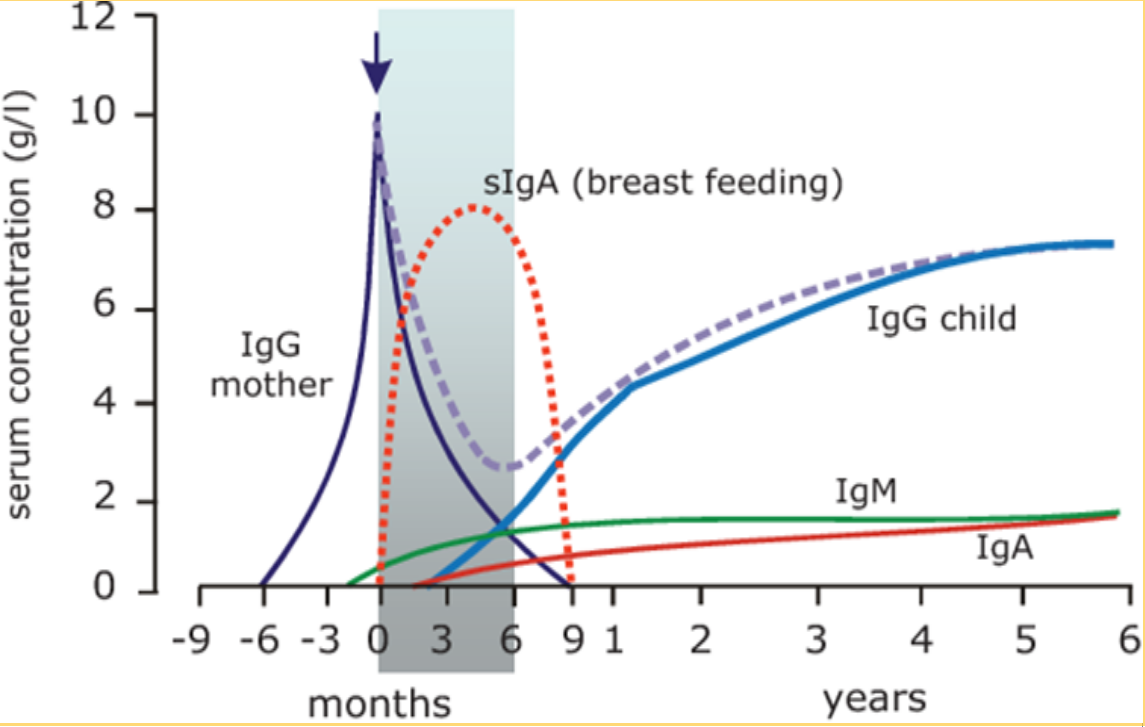
Viruses are commonly widespread pathogens that represent the majority of causes of neonatal illnesses and are characterized by a great heterogeneity of clinical manifestations [2]. Although infections caused by bacteria tend to be more clinically dramatic and more immediately life-threatening, it is emphasized that infections caused by viruses are common and associated with substantial long-term morbidity. In comparison to older children and adults, neonates are immunologically incompetent due to the immaturity of their immune systems [12]. Consequently, prolonged human breast feeding (>6 months) has been documented to have a beneficial effect on the avoidance of viral infections (Figure 1) which can potentially be lethal for newborn babies since it allows for the maturation of the immune response during the first years of life [13].

Epidemiological studies have proven that diarrheal diseases (17%) in addition to acute respiratory infections (17%) are the most common causes of death among children aged less than 5 years of old around the world [14]. 


Figure 1: Development of serum immunoglobulins in early life


Viral Gastroenteritis

Acute gastroenteritis (AGE) characterized by the onset of acute diarrhea with or without vomiting, continues to be the major cause of morbidity and mortality in children mostly in resource-constrained nations. Although generally it is a mild and self-limiting disease, gastroenteritis is one of the most common causes of hospitalization and is associated with a substantial disease burden [15]. About 10% of cases lead to dehydration requiring a doctor visit and in resource-constrained nations, one in 250 children will die from this dehydration [16]. According to the World Health Organization (WHO), diarrhea is defined as the passage of three or more loose or liquid stools per day or more frequently than is normal for the individual. When young children suddenly experience an episode of acute diarrhea, with or without vomiting, infectious gastroenteritis is by far the most common explanation [17]. Rotavirus infection accounts for more than 50% of hospitalizations for gastroenteritis and about one-third of emergency department visits [18]. The majority of Rotavirus (RV) infections that occur in neonates are mild or asymptomatic. Cases with severe diarrhea, necrotizing enterocolitis, bowel perforation and death have been reported, but such cases are very rare. Immaturity of proteolytic enzymes in the neonatal gut and presence of secretory anti-RV IgA and trypsin inhibitors in breast milk could account for the asymptomatic nature of RV infections in newborns [19]. Vaccination against Rotavirus continues to play a pivotal role in improving lives of infants and young children in low and middle-income countries. Many of these countries have adopted the vaccine into their routine immunization, whereas others are considering introduction [20]. 


Viral Respiratory Tract Infections

Viruses are the most common cause of lower respiratory tract disease in infants and young children and are a major public health problem in this age group. The spectrum of respiratory diseases ranges from pharyngitis, otitis media, laryngitis subglottica, bronchitis and tracheitis to bronchiolitis and pneumonia with the two latter being the most common manifestations of viral lower respiratory tract infection in infants [21]. Costs attributable to viral lower respiratory tract infections in both outpatient and inpatient settings are an important burden on national healthcare budgets. Each year approximately 3% of all children less than 1 year of age need to be admitted to hospital with moderate or severe viral lower respiratory tract infection [22]. Although most respiratory viral infections occur throughout the year, seasonal variation (in a worldwide comparable pattern) is obvious for certain viruses, such as respiratory syncytial virus and influenza virus [16]. Of all respiratory viruses that affect infants, respiratory syncytial virus (RSV) and rhinovirus represent the leading pathogens and are associated with the development of recurrent wheezing and asthma [23]. Virtually all children have developed antibodies to respiratory syncytial virus by the age of 3 years [24]. Influenza viruses also cause the most severe disease in the youngest age group. A recent study showed that infants and young children have a 12-fold increased risk of admission to hospital for respiratory tract infection caused by influenza virus compared with children aged 5-17 years [25]. 


Serious Bacterial Infections

Bacterial infection is the biggest cause of neonatal admissions to hospitals and probably the biggest cause of morbidity in the community, but its burden is unclear. The commonest serious infections involve bacteremia, meningitis, urinary tract infections and respiratory infection and case fatality rates may be as high as 45%. Fever may be the only sign of infection in young infants with SBIs. Clinical observation frequently fails to identify infants with invasive bacterial infections (bacteremia and meningitis) and no single laboratory test result reliably identifies all infants with SBIs [26]. Key pathogens are Escherichia coli, Klebsiella species, Staphylococcus Aureus and Streptococcus pyogenes. The incidence of neonatal infections with group B streptococcus is highly variable, as is the spectrum of antimicrobial resistance [27,28]. Although difficult, the differentiation of neonates and young infants at risk of SBI from those without significant clinical problems is considered crucial. Early identification and treatment of patients with SBI is deemed essential to assuring favorable disease outcomes. Moreover, the selection of patients with low risks of SBI could permit the avoidance of unnecessary antibiotic treatments, hospitalization and invasive laboratory tests. The risk of SBI was deemed low in all infants who otherwise appeared well (i.e. absence of tachypnea, dyspnea, tachycardia, bradycardia, lethargy and decreased activity/appetite), had no evidence of ear, soft tissue or skeletal infections and had white blood cell (WBC) counts between 5000 and 15,000/mm3, bands less than 1500/mm3 and ≤10 WBC per high-power field (HPF). Moreover, in cases with diarrhea, SBI could be excluded if ≤5 WBC/HPF could be observed in the stool [8]. 


Bacteremia and Sepsis

The diagnosis of sepsis in the neonate is a difficult task for those involved in neonatal care. Sepsis is the differential diagnosis of almost any sign of neonatal distress such as apnea, bradycardia, dyspnea, feeding intolerance or temperature instability [29]. Febrile infants less than 3 months of age have a great risk of serious bacterial infection (SBI) than older infants, about 8 to 10%. In the past, SBIs in young infants less than 3 months of age were more commonly caused by group B beta-hemolytic Streptococcus, Streptococcus pneumoniae and Haemophilus influenzae type b. However, chemoprophylaxis during labor in pregnant women colonized with group B beta-hemolytic Streptococcus has reduced early-onset (infection occurring at <7 days of age) group B streptococcal disease by >80% [30]. The major symptom of occult bacteremia is fever-temperature ≥39°C (≥38°C for infants <3 months). Diagnosis of bacteremia requires blood cultures; ideally, two samples are taken from separate sites, which helps minimize the problem of false positives due to skin contaminants and results should be made available within 24 hours [31]. 


Bacterial Meningitis

Neonatal meningitis contributes substantially to neurological disability worldwide. Its incidence remains low but is significantly higher in neonates with documented sepsis, preterm infants and when meningitis is nosocomial. Neonates are at higher risk of meningitis because of immaturity in humoral and cellular immunity and the absence of specific clinical signs makes diagnosis of meningitis more difficult in neonates than in older children and that is why a high index of suspicion of meningitis is needed when evaluating neonates and young infants because clinical findings can be minimal and are often subtle and nonspecific. Analysis of the CSF constitutes the most effective method to document meningeal bacterial infection, although overlap with normal CSF values can occur, especially in newborns and very young infants. Despite the availability of modern intensive care management of infants and children with bacterial meningitis and the advent of potent antibiotics, case fatality rates and morbidity remain high [31]. Neurological deficits range from moderate-to-severe disabilities to more subtle problems including visual deficits, middle-ear disease and cognitive and behavioral impairments [32]. 


Bacterial Pneumonia

Community-acquired pneumonia is one of the most common serious infections in children, with an annual incidence of 34 to 40 cases per 1,000 children in Europe and North America. When diagnosing community-acquired pneumonia, physicians should rely mainly on the patient's history and physical examination, supplemented by judicious use of chest radiographs and laboratory tests as needed. The child's age is important in making the diagnosis as there is a specific pathogen more common to each age group [33]. Knowing the age-specific causes of bacterial pneumonia will help guide antibiotic therapy. Vertical transmission of organisms from the maternal genital tract is the main route of entry of pathogens in the neonatal and early infancy period. The primary organisms responsible for pneumonia in the first three months of life are group B streptococci, gram-negative bacilli and occasionally Listeria monocytogenes. Between three weeks and three months of life, infants may present with an insidious afebrile pneumonitis syndrome caused by Chlamydia trachomatis. However, viruses are by far the most common causes of pneumonia in the first two years of life [32]. 


Urinary tract infections

Urinary tract infections (UTIs) in infants are common. UTIs are defined by the growth of a single urine pathogen with a) at least 1,000 CFU (colony forming unit)/mL for cultures obtained by suprapubic aspiration, b) at least 50,000 CFU/mL from catheterized specimens or c) 10,000 to 50,000 CFU/mL from catheterized specimens in association with an abnormal urinalysis, defined by the presence of leukocyte esterase, nitrite or pyuria (>5 white blood cells per high-power field (WBC/HPF)) [18]. UTIs may be the sentinel event for underlying renal abnormality, although normal anatomy is most common. Prompt diagnosis and initiation of treatment is important in preventing long-term renal scarring [34]. The most common bacterial etiology for neonatal UTIs, similar to other age groups, is Escherichia coli [35]. 


Clinical and Laboratory Studies

The approach in evaluating neonates is significantly complicated, as their risk of SBIs, including bacteremia and meningitis, remains relevant given the difficulty in posing a definitive diagnosis. As such, several clinical features and lab studies are useful to increase or decrease the probability that a child has a serious infection and aid to guide the diagnosis and identify the source of infection [8]. However, none of these is sufficient on its own to substantially raise or lower the risk of serious infection. Some clinical and laboratory markers are on the other hand highly specific ‘red flags’, so when present should prompt a more thorough or repeated assessment [36].


Fever

The body temperature is influenced among other things by time of day or age and exhibits a Gaussian inter-individual distribution. If measured orally, normal values vary between 35.6 °C and 38.2 °C. Temperature exceeding the 99th percentile (>37.7 °C) can therefore be interpreted as fever [37]. Common causes of hyperpyrexia in children include bacterial infections, viral infections, neuroleptic malignant syndrome, intoxication and heat stroke. As the evaluation and management of these etiologies varies considerably, identifying signs or symptoms that could guide subsequent workup would be very useful to pediatric emergency medicine practitioners. Furthermore, whether or not hyperpyrexia itself confers a high risk for SBI is a controversial issue [38]. Fever is a common complaint in the pediatric emergency department (ED), but the vast majority of children evaluated with fever do not have a SBI. However, in the neonate, a missed SBI can have devastating consequences [39]. The incidence of SBI in infants with temperature over 40 °C was higher compared to infants with lower degree of fever [40]. The management of fever in children is guided by the patient's age, immunization status and immune status as well as the results of a careful physical examination and appropriate laboratory tests and radiographic views [41]. 


CBCD Parameters

The complete blood count with differential (CBCD) is one of the most common laboratory tests performed today. It gives information about the production of all blood cells and identifies the patient's oxygen-carrying capacity through the evaluation of red blood cell (RBC) indices, hemoglobin and hematocrit. It also provides information about the immune system through the evaluation of the white blood cell (WBC) count with differential [42]. The CBCD should remain as part of the routine laboratory assessment in this age group as it is reducing the number of missing infants with SBI. Of the three parameters, absolute neutrophil count (ANC) and % ANC serve as better diagnostic markers of SBI than total WBC [43]. Reactive thrombocytosis was a frequent finding in young infants with SBI. Thrombocytosis >450,000 cells/mm3, in combination with leukocytosis, elevated CRP and pyuria, may help in early recognition of febrile young infants at risk for SBI [44].


C-Reactive Protein

C-reactive protein (CRP) is an acute phase reactant synthesized in the liver within 4-6 hours after tissue injury and that peaks at 36 hours. Good evidence exists to support the use of CRP measurements in conjunction with other established diagnostic tests (such as a white blood cell (WBC) count with differential and blood culture) to establish or exclude the diagnosis of sepsis in full-term or near-term infants. Moreover, many studies have demonstrated superior and variable test characteristics of CRP compared to WBC for the detection of bacterial infection [45]. Combined with the other clinical and lab tests significantly elevated CRP values may aid in the identification of SBI in neonates less than 3 months of age. CRP is as well particularly useful for monitoring the response to treatment and guiding antibiotic therapy [31]. 


Cultures

According to history and clinical presentation, further studies should be done in order to identify the source of infection in neonate presenting to the emergency department. This includes urine analysis and culture due to the high prevalence of UTI in this age group. Blood cultures remain the mainstay of investigation of potential sepsis in infants and children, despite recent advances in the molecular diagnosis of bacterial and fungal sepsis. The optimal time to culture for bacteremia is “as early as possible” in the course of a febrile episode, based on fever following bacteremia or endotoxaemia within one to two hours. The interval between repeat blood cultures does not appear to be important. Stool, sputum, wound and other etiology-specific cultures should also be considered [46]. More invasive studies such as lumbar puncture for cerebrospinal fluid (CSF) analysis should be reserved to highly suspicious cases weighing the benefits and the risks of the procedure [47]. Cultures offer further diagnostic information and help in identifying the true source of infection in this critical age group. Furthermore, and by obtaining the antimicrobial susceptibility pattern in case of positive cultures, they aid in the implementation of adequate targeted antibiotherapy and monitoring the effectiveness of the treatment [48].


Objectives

Primary Objective: Establish the precision of using CBCs for risk stratification of febrile infants one to three months for having a severe bacterial infection.


Secondary Objectives


  • Determine threshold values for different CBC parameters beyond which infants are classified as having certain type of severe bacterial infection 

  • Find the relationship between lab findings (CBC with differential, C-reactive protein…), physical exam and general appearance with severe bacterial infections

MATERIALS AND METHODS

Study Design

This was a single centered retrospective study to verify the precision of using CBCs parameters for risk stratification of febrile infants for having severe bacterial infection. We retrospectively reviewed the medical records of febrile infants aged between 1 and 3 months presented to the ED of BGUH between January 2018 and January 2020. 


Study Population

Number of Participants: A total of 200 infants between one and three months of age who presented to ED of RHUH between January 2018 and January 2020 were enrolled. 


Inclusion Criteria

We included in this study previously healthy infants aged between one and three months with no previous neonatal intensive care unit admission and presented with rectal temperatures of 38°C or higher. To be classified as previously healthy, the infant should be born at term, was not previously hospitalized or have received antimicrobial therapy.


Exclusion Criteria

However, infants who were over three months and those who had received antibiotic therapy within 7 days of ED presentation were excluded from the study. We also excluded patients with history of prematurity and those with underlying medical conditions including congenital heart disease, metabolic disorder or immunodeficiency disorders. 


Data Collection Procedures

On admission, physicians who evaluated the patients in the ED achieved the routine physical examinations and recorded their findings on a computer database. We reviewed the medical records of patients to identify the eligible patients using structured data sheet collection. We managed to collect 200 eligible patients. The following information were extracted:


  • Demographic information (gender, age)

  • Past medical history (past hospitalizations, chronic underlying disease, postnatal antibiotherapy)

  • Body temperature measurement (at home and at ed)

  • Final diagnosis and laboratory parameters including complete blood count differential (CBCD)

  • CRP level

  • Blood culture

  • Urine analysis and culture

  • Cerebrospinal fluid analysis and culture


Study Measurements

Serious Bacterial Infection (SBI): For the purpose of the study, SBI was defined as bacteremia confirmed by a positive blood culture, urinary tract infections (UTI) diagnosed by a positive urine culture, meningitis confirmed by a positive CSF analysis/culture, bacterial gastroenteritis confirmed by a positive stool analysis/culture. Since, the etiologic diagnosis of pneumonia is complicated and chest radiograph are not routinely recommended, we did not include pneumonia as a SBI in our study. We defined bacteremia and bacterial meningitis as the isolation of a single pathogen from blood and CSF respectively. The detection of isolates such as coagulase-negative Staphylococcus (CoNS), Micrococcus species and Corynebacterium species belonging to skin flora in a single blood culture were considered contaminants. For the purpose of the study, positive urine culture was defined as the presence of significant bacterial growth of more than 103 organisms/ml in urine sample with or without a positive urine analysis. Urinalysis was considered positive if the presence of nitrite and pyuria (urine WBC ≥5/HPF) were detected [34]. Finally, the final diagnosis was documented based on the decision of the attending clinical team.


Clinical Parameters

Fever: Fever was defined as a rectal temperature of 38°C or higher [9]. The temperature of each patient at home and at ED was recorded in degrees Centigrade.


Laboratory Tests

We assessed the following laboratory tests for each infant:


  • CBCD including white blood cells (WBC) count, platelet count, hemoglobin count, absolute neutrophil count (ANC) and lymphocyte count

  • Inflammatory marker including C-reactive protein (CRP)


Statistical Analysis

Data analysis was carried out using the Statistical Package for Social Sciences (SPSS), version 24. Descriptive analyses including frequencies were used for categorical variables and mean and standard deviation were calculated for continuous variables. Statistical comparisons were performed using the chi-square test and one-way analysis of variance (ANOVA) for all categorical and continuous data respectively. A p-value of <0.05 was considered significant. To determine the significant independent predictors of SBI, we applied a binary logistic regression. Cultures were taken as the binary dependent variables. All the CBC parameters and other independent variables (age, temperature and CRP level) in the logistic regression analysis were chosen following the strength of their association one by one to the dependent variable. Results were expressed as adjusted odds ratio and their 95% confidence intervals. Also, we performed Pearson’s correlation to assess the correlations between continuous variables. Finally, we performed receiver operating characteristics (ROC) analysis to identify the cut-off values of CBCD parameters beyond which infants are classified as having certain type of severe bacterial infection.

RESULTS

Patients’ Characteristics

During the study period, from January 2018 to January 2020, a total of 200 infants aged between 1 and 3 months with documented temperatures of ≥38 °C were enrolled in this study. The mean age of patients was 2.33 ± 0.756 months and their mean temperature at the admission was 39.12 ± 0.45 °C. Out of 200 study participants, more than half (57.5%) were male patients. Table 1 displays the demographic and clinical characteristics of patients.


Table 1: Clinical and laboratory characteristics of patients

Demographic Characteristics

Parameters

Mean

SD

Age (months)

2.33

0.756


Frequency

Percentage 

Gender 

Male 

Female 


115

85


57.5

42.5

Clinical Characteristics

Variables

Mean

SD

Temperature at home (°C)

39.01

0.76

Temperature at ED (°C)

39.12

0.45

WBC 

15829.3

9030.8

Lymphocyte

40.15

14.58

ANC 

46.08

15.31

Haemoglobin count

10.88

1.527

Platelet 

464.9

182.8

CRP

43.85

70.27

SD: standard deviation, ED: Emergency department, WBC: white blood cell, ANC: absolute neutrophil count, CRP: C-reactive protein


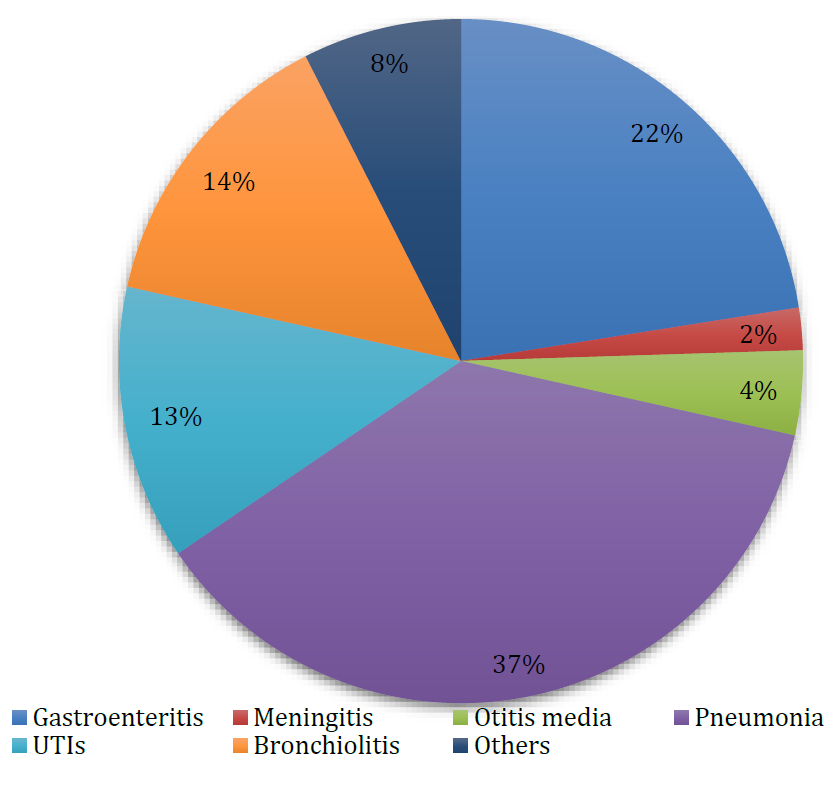
Figure 2: Final diagnosis of the study infants


Table 2: Distribution of the different types of SBI

Serious bacterial infections 

Frequency

Percentage

Urine analysis or culture-positive

19

9.5

Blood culture-positive 

6

3.0

CSF analysis or culture-positive

2

1.0

Stool culture-positive 

4

2.0

Total

29

15.5


Prevalence of SBI

Of the 200 enrolled infants, blood cultures were performed in 199 patients, urine cultures were performed in 197 patients, stool cultures were performed in 167 patients and CSF analysis and cultures were performed in 9 patients. Accordingly and based on all positive cultures, the overall rate of SBI in our study was 15.5% (Table 2). UTI was the most common SBI, accounting for 65.5% (19 of 29) of all SBI (Table 2).


Final Diagnosis

Pneumonia was the most common final diagnosis of the study infants, accounting for 37.0% of all diagnoses. Gastroenteritis, bronchiolitis and UTI were the next common diagnosis, accounting for 22.5%, 14.0% and 13.0% respectively (Figure 2).


Others

Ventriculitis, adenoviral infection, mastoiditis, pertussis, pharyngeal abscess, croup, impetigo, neck abscess, measles, influenza A.


Factors Associated with SBI

Bivariate Analysis and Binary Logistic Regression

Association of gender with SBI: Chi-square test between gender and fluid cultures, CSF analysis or culture and final diagnosis in this study as showed in Table 3 that there was no association between gender and any of these parameters (p-value >0.05).


Association Between Clinical Variables and the Presence of Bacteremia

In this study, we found that WBC count and platelet count were significantly higher in infant with bacteremia (mean WBC = 29033.3, mean platelet ‘PLT’ = 611.1) than those without bacteremia (mean WBC = 15456.7, mean PLT = 461.8), (p-value = 0.000, p-value = 0.048 respectively). Also, levels of CRP were found to be significantly higher in patients with bacteremia than those with negative blood cultures (mean = 158 vs. mean = 40.47, p-value = 0.000) (Table 4).


Table 3: Association of gender with SBI

Parameter

CBC

p-value 


Gender

Blood culture 

0.655

Urine culture 

0.306

Urine analysis

0.330

Stool culture 

0.627

CSF analysis or culture 

0.151

Final diagnosis 

0.112

p-value was calculated using Chi-square test. A p-value of <0.05 was considered significant


Table 4: Association between clinical parameters and bacteremia

ParameterBlood CultureNMean (SD)F (df)p-value

Age (month)

Negative 

193

2.33 (0.75)

1.12 (1,197)

0.292

Positive 

6

2.00 (0.89)

-

-

T°C at Home 

Negative 

193

39.00 (0.44)

0.49 (1,197)

0.486

Positive 

6

39.13 (0.56)

-

-

T°C at ED

Negative 

193

39.11 (0.45)

0.64 (1,197)

0.424

Positive 

6

39.26 (0.39)

-

-

WBC

Negative 

193

15456.7 (8681.5)

13.99 (1,197)

0.000

Positive 

6

29033.3 (11243.9)

-

-

Platelets 

Negative 

193

461.84 (169.62)

3.97 (1,197)

0.048

Positive 

6

611.17 (428.61)

-

-

Hemoglobin 

Negative 

193

10.90 (1.51)

0.40 (1,197)

0.528

Positive 

6

10.50 (1.86)

-

-

ANC

Negative 

193

46.24 (15.10)

0.23 (1,197)

0.629

Positive 

6

43.16 (22.65)

-

-

Lymphocytes 

Negative 

193

40.09 (14.20)

0.71 (1,197)

0.402

Positive 

6

45.16 (24.68)

-

-

CRP

Negative 

193

40.47 (65.42)

17.79 (1,197)

0.000

Positive 

6

158 (124.99)

-

-

p-value was calculated using One-way ANOVA test. A p-value of <0.05 was considered significant abbreviations: T°C: temperature, ED: emergency department, WBC: white blood cell, ANC: absolute neutrophil count, CRP: C-reactive protein


Table 5: Association between clinical parameters and UTI

ParameterUrine CultureNMean (SD)F (df)p-value

Age (month)

Negative 

178

2.31 (0.74)

0.82 (1,197)

0.366

Positive 

19

2.47 (0.84)

-

-

T°C at home 

Negative 

178

38.99 (0.44)

3.22 (1,197)

0.074

Positive 

19

39.18 (0.51)

-

-

T°C at ED

Negative 

178

39.10 (0.43)

2.87 (1,197)

0.92

Positive 

19

39.29 (0.64)

-

-

WBC

Negative 

178

15858.1 (9201.9)

0.03 (1,197)

0.871

Positive 

19

16215.8 (8006.0)

-

-

Platelets 

Negative 

178

457.35 (177.15)

4.82 (1,197)

0.029

Positive 

19

553.26 (214.64)

-

-

Hemoglobin 

Negative 

178

10.93 (1.53)

1.21 (1,197)

0.272

Positive 

19

10.53 (1.49)

-

-

ANC

Negative 

178

45.86 (15.24)

0.84 (1,197)

0.361

Positive 

19

49.26 (16.83)

-

-

Lymphocytes 

Negative 

178

40.42 (14.87)

0.32 (1,197)

0.571

Positive 

19

38.41 (12.12)

-

-

CRP

Negative 

178

42.05 (70.68)

1.98 (1,197)

0.161

Positive 

19

65.97 (68.75)

-

-

p-value was calculated using One-way ANOVA test. A p-value of <0.05 was considered significant abbreviations: T °C: temperature, ED: emergency department, WBC: white blood cell, ANC: absolute neutrophil count, CRP: C-reactive protein


Table 6: Association between clinical parameters and urine analysis

Parameter

Analysis

N

Mean (SD)

F (df)

p-value

Age (month)

Negative 

161

2.28 (0.75)

1.93 (1,180)

0.167

Positive 

21

2.52 (0.81)

-

-

T°C at home 

Negative 

161

39.00 (0.45)

2.66 (1,180)

0.104

Positive 

21

39.17 (0.47)

-

-

T°C at ED

Negative 

161

39.10 (0.40)

7.74 (1,180)

0.006

Positive 

21

39.38 (0.62)

-

-

WBC

Negative 

161

15642.9 (9371.4)

0.16 (1,180)

0.694

Positive

21

16485.7 (7845.5)

-

-

Platelets 

Negative 

161

462.80 (178.69)

0.23 (1,180)

0.630

Positive 

21

483.05 (197.36)

-

-

Haemoglobin 

Negative 

161

11.00 (1.55)

3.60 (1,180)

0.059

Positive 

21

10.33 (1.42)

-

-

ANC

Negative 

161

45.39 (15.35)

0.47 (1,180)

0.496

Positive 

21

47.81 (14.51)

-

-

Lymphocytes 

Negative 

161

40.66 (15.08)

0.29 (1,180)

0.588

Positive 

21

38.80 (11.66)

-

-

CRP

Negative 

161

41.60 (69.33)

1.96 (1,180)

0.163

Positive 

21

63.98 (65.54)

-

-

p-value was calculated using One-way ANOVA test. A p-value of <0.05 was considered significant abbreviations: T°C: temperature, ED: emergency department, WBC: white blood cells, ANC: absolute neutrophil count, CRP: C-reactive protein


Table 7: Association between clinical parameters and gastroenteritis

ParameterStool CultureNMean (SD)F (df)p-value

Age (month)

Negative 

163

2.28 (0.76)

3.65 (1,165)

0.058

Positive 

4

3.00 (0.00)

-

-

T°C at home 

Negative 

163

39.01 (0.45)

0.002 (1,165)

0.962

Positive 

4

39.03 (0.67)

-

-

T°C at ED

Negative 

163

39.14 (0.45)

0.03 (1,165)

0.871

Positive 

4

39.10 (0.50)

-

-

WBC

Negative 

163

15717.8 (9251.0)

0.11 (1,165)

0.744

Positive 

4

14150.0 (5602.7)

-

-

Platelets 

Negative 

163

459.36 (186.16)

0.21 (1,165)

0.645

Positive 

4

503.00 (219.88)

-

-

Haemoglobin 

Negative 

163

10.89 (1.58)

0.34 (1,165)

0.559

Positive 

4

11.35 (1.23)

-

-

Neutrophils 

Negative 

163

45.14 (15.71)

0.00 (1,165)

0.986

Positive 

4

45.00 (16.21)

-

-

Lymphocytes 

Negative 

163

40.76 (15.08)

0.09 (1,165)

0.769

Positive 

4

43.00 (13.34)

-

-

CRP

Negative 

163

41.19 (56.76)

0.75 (1,165)

0.388

Positive 

4

16.500 (22.49)

-

-

p-value was calculated using One-way ANOVA test. A p-value of <0.05 was considered significant abbreviations: T °C: temperature, ED: emergency department, WBC: white blood cell, ANC: absolute neutrophil count, CRP: C-reactive protein.


Association between Clinical Variables and the Development of UTI

Of all clinical variables studied in this study, we found that only platelet count was significantly associated with the presence of UTI (p-value = 0.029). Patients with positive urine cultures had significantly higher values of platelet count (mean = 553.2) than those with negative urine cultures (mean = 457.3) (table 5). We also noticed, that temperature taken at the ED was significantly associated with urine analysis (p-value = 0.006) (Table 6).


Association between Laboratory Variables and Presence of Gastroenteritis

The bivariate analysis between gastroenteritis and the clinical parameters included in this study showed that there was no association between the presence of gastroenteritis and any of the patient specific clinical factors (p-value >0.05) (Table 7).


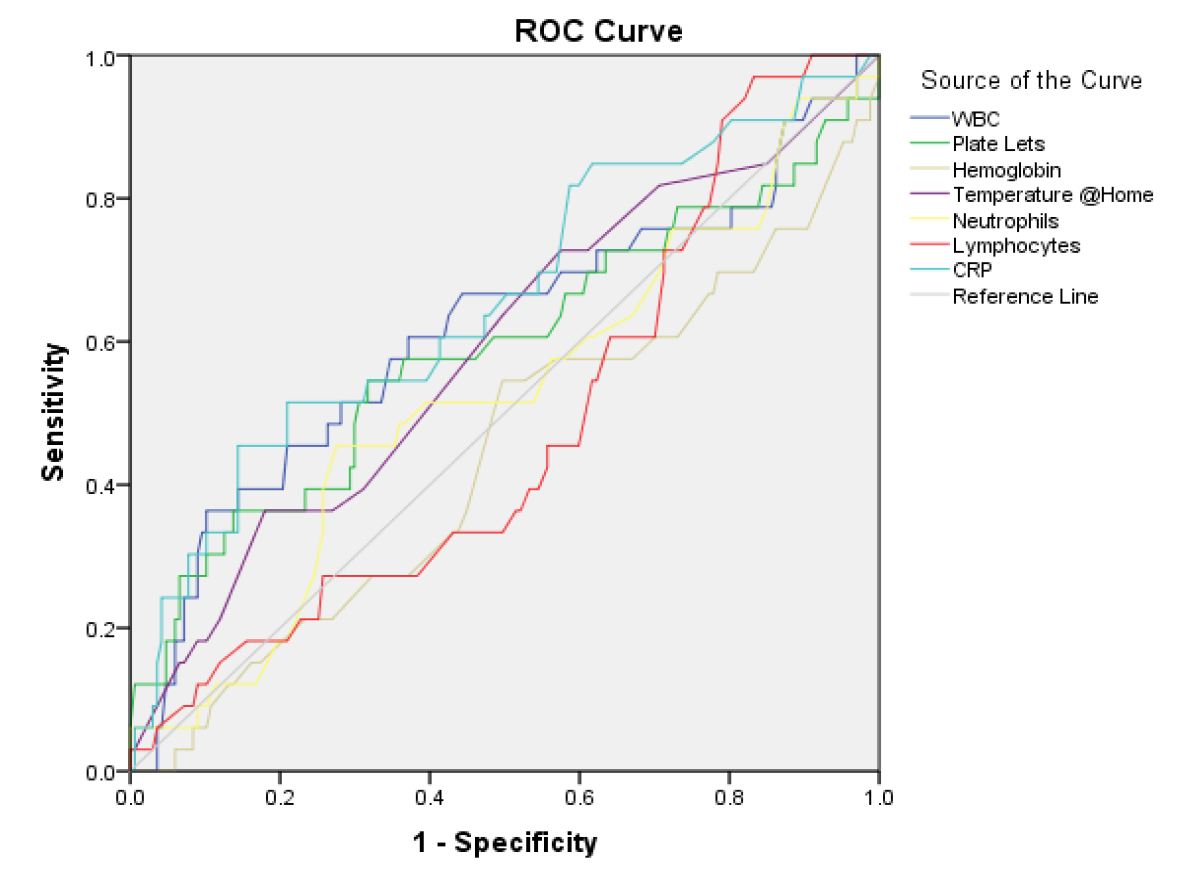
Figure 3: Receiver Operating Characteristic Curves for Complete Blood Cell Count (CBCD) Parameters


Table 8: Association between clinical parameters and bacterial meningitis

ParameterCSF CultureNMean (SD)F (df)p-value

Age (month)

Negative 

7

2.29 (0.76)

1.62 (1,7)

0.244

Positive 

2

3.00 (0.00)

-

-

T°C at home 

Negative 

7

39.17 (0.60)

0.57 (1,7)

0.475

Positive 

2

39.55 (0.78)

-

-

T°C at ED

Negative 

7

39.57 (0.53)

0.03 (1,7)

0.862

Positive 

2

39.50 (0.00)

-

-

WBC

Negative 

7

16442.8 (11780.3)

0.90 (1,7)

0.374

Positive 

2

25000.0 (7071.1)

-

-

Platelets 

Negative 

7

519.0 (265.8)

0.18 (1,7)

0.683

Positive 

2

435.0 (21.2)

-

-

Hemoglobin 

Negative 

7

10.29 (1.32)

0.99 (1,7)

0.352

Positive 

2

9.30 (0.42)

-

-

Neutrophils 

Negative 

7

44.51 (22.63)

0.02 (1,7)

0.887

Positive 

2

47.00 (1.41)

-

-

Lymphocytes 

Negative 

7

40.94 (19.56)

0.48 (1,7)

0.510

Positive 

2

51.00 (1.41)

-

-

CRP

Negative 

7

46.99 (43.84)

7.38 (1,7)

0.030

Positive 

2

136.00 (12.73)

-

-

p-value was calculated using One-way ANOVA test. A p-value of <0.05 was considered significant abbreviations: T °C: temperature, ED: emergency department, WBC: white blood cell, ANC: absolute neutrophil count, CRP: C-reactive protein


Table 9: Predictors of SBI on binary logistic regression

Predictive factors 

Adjusted OR

95% CI

p-value

By blood culture 

WBC

1.000

1.000-1.000

0.005

Lymphocytes 

1.052

0.993-1.114

0.085

CRP

1.013

1.003-1.023

0.015

By urine culture or analysis 

Platelets 

1.002

1.000-1.005

0.034

Temperature ED

3.784

1.393-10.280

0.009

Logistic regression: The independent variables were chosen following the strength of their association one by one to the dependent variable (types of SBI). Adjusted odds ratio and 95% confidence intervals (CI) were adjusted for all these variables


Association between Clinical Variables and Bacterial Meningitis

Our results revealed that of all clinical factors included in this study, CRP was the only factor that was significantly associated with the development of bacterial meningitis (p-value = 0.03). It was found that CRP levels were significantly higher in infants with positive CSF cultures (mean = 136.0) compared to those with negative CSF cultures (Table 8).


Predictive Factors of SBI

Using binary logistic regression, only two factors including CRP and temperature were significant predictors of SBI (table 9). The increased risk of SBI associated with each of the two variables was, CRP (OR = 1.013, 95%CI = 1.002-1.023, p-value = 0.015), temperature (OR = 3.78, 95%CI = 1.39-10.28, p-value = 0.009). However, no complete blood cell count parameter was found associated with increased risk of SBI. 


Determination of Threshold Values of Different CBC Parameters for Detecting SBI

The results of receiver operating characteristic (ROC) curve showed that it was not possible to find a threshold for any of CBCD parameters included in this study at which infants are classified as having certain type of SBI (Figure 3).

DISCUSSION

We have conducted this retrospective study that aimed to investigate how well CBCD parameters can predict severe bacterial infections (SBI) in febrile infants younger than 90 days seen in Rafic Hariri University Hospital (RHUH). In our study, the prevalence of SBI was 15.5%, slightly higher than the overall prevalence of SBI among infants younger than 3 months (9% to 14%) reported in the literature [49-51]. On the other hand, it was lower than the percentages reported in Spain (23.6%) [52] and Greece (25.2%) [43]. Furthermore, as found in several studies [34,52], the most common bacterial infection was urinary tract infections (9.5%) and the prevalence of bacteremia was 3%. Therefore, urine analysis and culture should be considered for any children with fever. In the current study, we found that no CBCD markers including total white blood cell count, platelets count, hemoglobin count, absolute neutrophil count and lymphocytes count was associated with an increased risk of SBI, which is consistent with other studies’ results. Several studies confirmed that CBC parameters could not assist in predicting patients with serious bacterial infections [9]. For example, Bonsu and Harper found in their study conducted among 3810 infants aged between 0 and 89 days that WBC count was an inaccurate marker of bacteremia in febrile young infants [53]. Likewise, De et al. [54] demonstrated that the total white blood cell count and absolute neutrophil count failed to detect SBI in febrile infants [55]. Finally, some investigators demonstrated that laboratory values including WBC count were not significantly different among infants with UTI compared with those without UTI [34]. One possible explanation for the poor accuracy of CBC parameters in predicting patients with SBI is the change of pathogens causing SBI and their ability to cause different immune and inflammatory responses. Therefore, certain microorganisms may not contribute to an increased WBC count or may not increase the WBC count to the same level as others [7]. It should be noted that, unlike the present study, some workers demonstrated that CBC parameters could serve as predictors for serious bacterial infections (SBI) in febrile infants under 3 months of age [43,44,54]. Gaidos et al. in a retrospective study of 315 febrile infants younger than 3 months found that an increased leucocyte counts and neutrophils were a predictive factor of SBI [26]. Another study of the utility of CBC as markers of SBI among febrile infants younger than 2 months showed that WBC and ANC count were significantly higher among patients who had SBI compared to those who did not [44]. Ayoola et al. [56] studied the predictive factors of bacteremia in 264 febrile infants and found that an increased white blood cell count (>15000/mm3) was a predictor of bacteremia [54]. Even though CBC parameters are not sufficiently accurate markers for identification of febrile infants with serious bacterial infections, their combination with inflammatory markers and other diagnostic tests may help in early detection of febrile infants who are at risk for SBI. For many years, CRP has been considered as a useful marker for SBI and recent studies supported its importance as a superior diagnostic tool compared to CBC parameters in detecting young infants with SBI [36]. In this study, we confirmed the findings of other workers that CRP is an important predictor for SBI (OR = 1.013) and we found that the levels of CRP were significantly higher in patients with bacteremia and bacterial meningitis compared with those with negative blood cultures and CSF cultures respectively. Nosrati et al. [57] focused on clinical and laboratory characteristics of febrile infants younger than 90 days old and demonstrated that CRP levels, WBC counts and ANC were independent predictors of SBI. However, CRP had the highest diagnostic value for assessing the risk of SBI compared to WBC and ANC [56]. Therefore, we suggest the use of CRP as part of the examination for every infant younger than 3 months presented with fever. In this study, fever was associated with a significant risk of UTI with an odds ratio of 3.74, which is in conformity with reports showing that the risk of having SBI increases with increased temperature [27,39,57]. For example, Nomura et al. [58] found that temperature ≥38.5°C was an effective predictor for SBI. Another study, organized among febrile infants who were 60 days of age and younger found that height of fever was associated with an increased risk of UTI [35]. However, it should be noted that even though the height degree of fever (>39°C) is associated with a greater risk of SBI, lower temperature cannot be considered reassuring [58]. In a prospective study of 4821 infants with a temperature ≥38°C, height of fever was significantly associated with a higher risk of SBI. Also, the risk of SBI among children with temperature <39°C was 9.1% and it increased to 20.4% in patients with temperature >39°C [39]. Unfortunately, since in our study no CBC parameters reliably distinguished between infants with and without SBI, we could not find a threshold for CBCD parameters at which febrile infants are classified as having certain type of SBIs. However, the definition of an optimal cut-off value for each CBCD marker is difficult and the actual cut-off of each marker differs from study to study [45]. The lack of uniformity of threshold values might be due to the difference in the study designs, the definitions of SBI and sample sizes [44,45]. In addition, the sensitivity and the specificity of these values were not high enough in the majority of studies [44]. For example, Gomez et al. found that a CRP level of 7 mg/dl had 93.8% specificity but only 69.6% sensitivity for the detection of bacteremia among febrile infants less than 3 months of age [59]. Another study organized also in Spain among febrile infants aged between 0 and 90 months found that at optimal cut-off value of 2 mg/dl, CRP carried a sensitivity of 53% and specificity of 85% for predicting infants at high risk of bacteremia [60]. For WBC count, Ayoola et al. [56] reported that a total white blood count of >15000 mm3 is a good predictor for bacteremia [54], while other workers demonstrated that a total white blood count of >20000mm3 were more effective predictors [44].


Limitations and Strengths

The present study confirmed that the accuracy of CBCD parameters in the identification of febrile infants with SBI was poor which has an important implication in the ED practice. We believe that our findings will help physicians in targeting further laboratory investigations and follow up strategies and narrow their diagnosis towards certain type of infection leading to better immediate management which will decrease morbidity and mortality. There were several limitations in this study: First, this study is a retrospective study and therefore presented the essential and common limitations associated with this kind of studies. Second, we are limited to the data as were recorded by the physician who evaluated the patients. Third, the sample size was small and we collected data from only one center and therefore, the results may not be generalized to other clinical settings. Fourth, we did not include bacterial pneumonia in the definition of SBI due to the lack of relevant data and therefore, the prevalence of SBI might be underestimated. Finally, not all laboratory variables that could be associated with the development of SBI in febrile infants were examined.


Study Perspectives

Considering the limited research on prediction of SBI among febrile infants under 90 days of age because of the low incidence of SBI, further prospective studies should be conducted at the national and international levels to involve sufficient sample sizes and make the findings applicable in the general population. In addition, since the majority of physicians rely on clinical symptoms to identify infants with SBIs, we suggest conducting additional studies to identify age specific risk factors for SBI.

CONCLUSION

Bacterial infections are very common in infants one to three months of age and represent an important cause of hospitalization and death among them [61]. Worldwide estimations suggest that 8% to 14% of infants younger than one month of age develop SBI and the risk of SBI ranged between 5% to 9% among infants between two and three months of age [52]. Although the majority of infants’ infections are considered to be minor, the identification of those who are at high risk for SBI is necessary for the start of effective treatment and therefore, the prevention of severe and life-threatening complications [11]. Physicians use different clinical diagnostic tools to identify infants with SBI. Recently, some physicians especially those working in ED, use laboratory tests in combination with clinical tools to improve the prediction of infants with SBI. These laboratory tests include cultures (urine, blood and CSF cultures), complete blood cell count (CBC) tests and inflammatory markers [36]. We also concluded that CBC parameters were not useful diagnostic tool for predicting febrile infants with SBI. Of all laboratory tests included in our study, the only useful predictors for SBI were CRP levels and high temperature. Furthermore; despite the low incidence of serious bacterial infections among febrile infants younger than three months, interventions to reduce their burden should be a priority. Research should focus on better clinical strategies and screening test to improve the prediction of febrile infants with SBI and therefore, avoid much of unnecessary empirical treatment, laboratory tests and hospitalization.


Ethical Statement

Before the start of the study, the ethics committee at the Faculty of Medicine, Lebanese University and the Institutional Review Board at RHUH approved all aspects of the project. During analysis, patient data were analyzed anonymously.

REFERENCE
  1. Yoon, S.H. et al. “Clinical experiences with febrile infants younger than three months with urinary tract infection in a single center for four years: incidence, pathogens and viral co-infections.” Childhood Kidney Diseases, vol. 21, no. 2, 2017, pp. 101-106. https://doi.org/10.3339/jkspn.2017.21.2.101.

  2. Mammas, I.N. et al. “Paediatric virology and its interaction between basic science and clinical practice.” International Journal of Molecular Medicine, vol. 41, no. 3, 2018, pp. 1165-1176.

  3. Machado, B.M. et al. “Fever without source: evaluation of a guideline.” Jornal de Pediatria, vol. 85, no. 5, 2009, pp. 426-432.

  4. Vergnano, S. et al. “Serious bacterial infections in neonates: improving reporting and case definitions.” International Health, vol. 9, no. 3, 2017, pp. 148-155.

  5. Hamilton, J.L. and S.P. John. “Evaluation of fever in infants and young children.” American Family Physician, vol. 87, no. 4, 2013, pp. 254-260.

  6. Cruz, A.T. et al. “Accuracy of complete blood cell counts to identify febrile infants 60 days or younger with invasive bacterial infections.” JAMA Pediatrics, vol. 171, no. 11, 2017, pp. e172927-e172927.

  7. Rabiner, J.E. et al. “Validation of risk stratification criteria to identify febrile neonates at low risk of serious bacterial infection.” Global Pediatric Health, vol. 6, 2019.

  8. Vergnano, S. et al. “Neonatal infections: case definition and guidelines for data collection, analysis and presentation of immunisation safety data.” Vaccine, vol. 34, no. 49, 2016, pp. 6038-6046.

  9. Esposito, S. et al. “Approach to neonates and young infants with fever without a source who are at risk for severe bacterial infection.” Mediators of Inflammation, vol. 2018, 2018.

  10. Verstraete, E.H. et al. “Prediction models for neonatal health care-associated sepsis: a meta-analysis.” Pediatrics, vol. 135, no. 4, 2015, pp. e1002-e1014.

  11. Mishra, U.K. et al. “Newer approaches to the diagnosis of early onset neonatal sepsis.” Archives of Disease in Childhood: Fetal and Neonatal Edition, vol. 91, no. 3, 2006, pp. F208-F212.

  12. Prober, C.G. and A.M. Arvin. “Perinatal viral infections.” European Journal of Clinical Microbiology, vol. 6, no. 3, 1987, pp. 245-261.

  13. Zur Hausen, H. et alViruses, Genes and Cancer, 2017, pp. 83-116.

  14. Najafi, A. et al. “Importance of viral pathogens in children with acute gastroenteritis in the south of Iran.” Annals of Saudi Medicine, vol. 33, no. 2, 2013, pp. 124-129.

  15. Guarino, A. et al. “The management of acute diarrhea in children in developed and developing areas: from evidence base to clinical practice.” Expert Opinion on Pharmacotherapy, vol. 13, no. 1, 2012, pp. 17-26.

  16. Palumbo, E. et al. “Diarrhea in children: etiology and clinical aspects.” Minerva Pediatrica, vol. 62, no. 4, 2010, pp. 347-351.

  17. National Collaborating Centre for Women’s and Children’s Health. Diarrhea and Vomiting Caused by Gastroenteritis: Diagnosis, Assessment and Management in Children Younger Than 5 Years. RCOG Press, 2009.

  18. Forster, J. et al. “Hospital-based surveillance to estimate the burden of rotavirus gastroenteritis among European children younger than 5 years of age.” Pediatrics, vol. 123, no. 3, 2009, pp. e393-e400.

  19. Haffejee, I.E. “Neonatal rotavirus infections.” Reviews of Infectious Diseases, vol. 13, no. 5, 1991, pp. 957-962.

  20. Sindhu, K.N.C. et al. “Impact of rotavirus vaccines in low and middle-income countries.” Current Opinion in Infectious Diseases, vol. 30, no. 5, 2017, pp. 473-481.

  21. Van Woensel, J.B.M. et al. “Viral lower respiratory tract infection in infants and young children.” BMJ, vol. 327, no. 7405, 2003, pp. 36-40.

  22. Shay, D.K. et al. “Bronchiolitis-associated hospitalizations among U.S. children, 1980-1996.” JAMA, vol. 282, no. 15, 1999, pp. 1440-1446.

  23. Heinonen, S. et al. “Infant immune response to respiratory viral infections.” Immunology and Allergy Clinics of North America, vol. 39, no. 3, 2019, pp. 361-376.

  24. Simoes, E.A. “Respiratory syncytial virus infection.” The Lancet, vol. 354, no. 9181, 1999, pp. 847-852.

  25. Izurieta, H.S. et al. “Influenza and the rates of hospitalization for respiratory disease among infants and young children.” The New England Journal of Medicine, vol. 342, no. 4, 2000, pp. 232-239.

  26. Baker, M.D. et al. “Failure of infant observation scales in detecting serious illness in febrile, 4- to 8-week-old infants.” Pediatrics, vol. 85, no. 6, 1990, pp. 1040-1043.

  27. Kuppermann, N. et al. “A clinical prediction rule to identify febrile infants 60 days and younger at low risk for serious bacterial infections.” JAMA Pediatrics, vol. 173, no. 4, 2019, pp. 342-351.

  28. Osrin, D. et al. “Serious bacterial infections in newborn infants in developing countries.” Current Opinion in Infectious Diseases, vol. 17, no. 3, 2004, pp. 217-224.

  29. Kurlat, I. et al. “Time to positivity for detection of bacteremia in neonates.” Journal of Clinical Microbiology, vol. 27, no. 5, 1989, pp. 1068-1071.

  30. Talbert, A.W. et al. “Invasive bacterial infections in neonates and young infants born outside hospital admitted to a rural hospital in Kenya.” The Pediatric Infectious Disease Journal, vol. 29, no. 10, 2010, p. 945.

  31. Sáez-Llorens, X. and G.H. McCracken Jr. “Bacterial meningitis in neonates and children.” Infectious Disease Clinics of North America, vol. 4, no. 4, 1990, pp. 623-644.

  32. Ostapchuk, M. et al. “Community-acquired pneumonia in infants and children.” American Family Physician, vol. 70, no. 5, 2004, pp. 899-908.

  33. Baud, O. and Y. Aujard. “Neonatal bacterial meningitis.” Handbook of Clinical Neurology, vol. 112, 2013, pp. 1109-1113.

  34. Davies, H.D. “Community-acquired pneumonia in children.” Paediatrics and Child Health, vol. 8, no. 10, 2003, pp. 616-619.

  35. Arshad, M. and P.C. Seed. “Urinary tract infections in the infant.” Clinics in Perinatology, vol. 42, no. 1, 2015, pp. 17-28.

  36. Zorc, J.J. et al. “Clinical and demographic factors associated with urinary tract infection in young febrile infants.” Pediatrics, vol. 116, no. 3, 2005, pp. 644-648.

  37. Thompson, M. et al. “Systematic review and validation of prediction rules for identifying children with serious infections in emergency departments and urgent-access primary care.” Health Technology Assessment, vol. 16, no. 15, 2012, pp. 1-100.

  38. Schreiber, R. “Acute fever in the infant and young child: every age group requires a different approach.” MMW Fortschritte der Medizin, vol. 144, no. 12, 2002, pp. 43-45.

  39. Trautner, B.W. et al. “Prospective evaluation of the risk of serious bacterial infection in children who present to the emergency department with hyperpyrexia (temperature of 106 F or higher).” Pediatrics, vol. 118, no. 1, 2006, pp. 34-40.

  40. Davis, J. and E. Lehman. “Fever characteristics and risk of serious bacterial infection in febrile infants.” The Journal of Emergency Medicine, vol. 57, no. 3, 2019, pp. 306-313.

  41. Rosenfeld-Yehoshua, N. et al. “Hyperpyrexia and high fever as a predictor for serious bacterial infection (SBI) in children: a systematic review.” European Journal of Pediatrics, vol. 177, no. 3, 2018, pp. 337-344.

  42. Wing, R. et al. “Fever in the pediatric patient.” Emergency Medicine Clinics of North America, vol. 31, no. 4, 2013, pp. 1073-1096.

  43. George-Gay, B. and K. Parker. “Understanding the complete blood count with differential.” Journal of PeriAnesthesia Nursing, vol. 18, no. 2, 2003, pp. 96-117.

  44. Fouzas, S. et al. “Reactive thrombocytosis in febrile young infants with serious bacterial infection.” Indian Pediatrics, vol. 47, no. 11, 2010, pp. 937-943.

  45. Bilavsky, E. et al. “Should complete blood count be part of the evaluation of febrile infants aged ≤2 months?” Acta Paediatrica, vol. 99, no. 9, 2010, pp. 1380-1384.

  46. Woll, C. et al. “Management of the febrile young infant: update for the 21st century.” Pediatric Emergency Care, vol. 33, no. 11, 2017, p. 748.

  47. Buttery, J.P. “Blood cultures in newborns and children: optimising an everyday test.” Archives of Disease in Childhood: Fetal and Neonatal Edition, vol. 87, no. 1, 2002, pp. F25-F28.

  48. Zarkesh, M. et al. “Assessment of febrile neonates according to low risk criteria for serious bacterial infection.” Iranian Journal of Pediatrics, vol. 21, no. 4, 2011, p. 436.

  49. Scarfone, R. et al. “Lumbar puncture for all febrile infants 29-56 days old: a retrospective cohort reassessment study.” The Journal of Pediatrics, vol. 187, 2017, pp. 200-205.

  50. Cioffredi, L.A. and R. Jhaveri. “Evaluation and management of febrile children: a review.” JAMA Pediatrics, vol. 170, no. 8, 2016, pp. 794-800.

  51. Lishman, J. et al. “Infants 21-90 days presenting with a possible serious bacterial infection: are evaluation algorithms from high income countries applicable in the South African public health sector?” African Journal of Emergency Medicine, 2020.

  52. Shin, S.H. et al. “Risk factors for serious bacterial infection in febrile young infants in a community referral hospital.” Journal of Korean Medical Science, vol. 24, no. 5, 2009, p. 844.

  53. Olaciregui, I. et al. “Markers that predict serious bacterial infection in infants under 3 months of age presenting with fever of unknown origin.” Archives of Disease in Childhood, vol. 94, no. 7, 2009, pp. 501-505.

  54. De, S. et al. “Republished: value of white cell count in predicting serious bacterial infection in febrile children under 5 years of age.” Postgraduate Medical Journal, vol. 91, no. 1073, 2015, pp. 493-499.

  55. Pathak, A. et al. “Incidence, clinical profile and risk factors for serious bacterial infections in children hospitalized with fever in Ujjain, India.” BMC Infectious Diseases, vol. 20, no. 1, 2020, pp. 1-11.

  56. Ayoola, O.O. et al. “Predictors of bacteraemia among febrile infants in Ibadan, Nigeria.” Journal of Health, Population and Nutrition, 2002, pp. 223-229.

  57. Nosrati, A., A. Ben Tov and S. Reif. “Diagnostic markers of serious bacterial infections in febrile infants younger than 90 days old.” Pediatrics International, vol. 56, no. 1, 2014, pp. 47-52.

  58. Nomura, O. et al. “Predicting serious bacterial infection in febrile young infants utilizing body temperature.” Pediatrics International, vol. 61, no. 5, 2019, pp. 449-452.

  59. Barbi, E. et al. “Fever in children: pearls and pitfalls.” Children, vol. 4, no. 9, 2017, p. 81.

  60. Gómez, B. et al. “Blood culture and bacteremia predictors in infants less than three months of age with fever without source.” The Pediatric Infectious Disease Journal, vol. 29, no. 1, 2010, pp. 43-47.

  61. Niers, L. et al. “Nutritional support for the infant’s immune system.” Nutrition Reviews, vol. 65, no. 8, 2007, pp. 347-360.
Recommended Articles
Research Article
It Remains Unproven That the Variant M.8231C>A Causes Coronary Atherosclerosis
Published: 15/07/2020
Download PDF
Research Article
Vision for a Brighter Kangra: Unmasking the Truth about Pink Eye – A Comprehensive Study on Types, Symptoms, and Proactive Prevention in Himachal Pradesh’s Kangra District
...
Published: 11/11/2023
Download PDF
Research Article
Leigh Syndrome Should Not Be Diagnosed Exclusively Upon Cerebral MRI
Published: 15/07/2020
Download PDF
Research Article
Release Kinetic Study of Matrix Type Transdermal Patch Using an Analgesic Drug
...
Published: 10/08/2020
Download PDF
Chat on WhatsApp
Flowbite Logo
PO Box 101, Nakuru
Kenya.
Email: office@iarconsortium.org

Editorial Office:
J.L Bhavan, Near Radison Blu Hotel,
Jalukbari, Guwahati-India
Useful Links
Order Hard Copy
Privacy policy
Terms and Conditions
Refund Policy
Shipping Policy
Others
About Us
Team Members
Contact Us
Online Payments
Join as Editor
Join as Reviewer
Subscribe to our Newsletter
+91 60029-93949
Follow us
MOST SEARCHED KEYWORDS
Copyright © iARCON International LLP . All Rights Reserved.