Contents
Download PDF
pdf Download XML
143 Views
91 Downloads
Share this article
Research Article | Volume 4 Issue 2 (Jul-Dec, 2023) | Pages 1 - 4
Bridging the Cardiac Care Gap: Assessing Basic Cardiovascular Life Support (BCLS) Knowledge among Medical Officers in Himachal Pradesh, India
 ,
 ,
1
MD Anaesthesia, CH karsog, Mandi, Himachal Pradesh, India
2
MD Radiology, CH Theog, Shimla, Himachal Pradesh, India
3
SR Surgery, DR RKGMC Hamirpur, Himachal Pradesh, India
Under a Creative Commons license
Open Access
Received
June 3, 2023
Revised
July 22, 2023
Accepted
Aug. 15, 2023
Published
Sept. 9, 2023
Abstract

Background: Cardiovascular diseases (CVDs) pose a significant global health challenge, with India, including Himachal Pradesh, experiencing a substantial burden. Effective response to cardiac emergencies is vital and Basic Cardiovascular Life Support (BCLS) plays a pivotal role. This study aimed to assess the knowledge of BCLS among medical officers in Himachal Pradesh. Materials and Methods: A cross-sectional survey was conducted among 100 medical officers working in Himachal Pradesh. A structured questionnaire assessed BCLS knowledge. Data were analyzed using Epi Info V7 software. Results: The study found that 63% of medical officers had very good to good knowledge of BCLS, while 37% exhibited fair to poor knowledge. Factors contributing to knowledge disparities included variations in training access, resource constraints and curriculum differences. Conclusion: While a substantial number of medical officers demonstrated adequate BCLS knowledge, notable gaps exist, highlighting the need for standardized, high-quality training programs, regular refresher courses, resource allocation, curriculum reviews, awareness campaigns and collaboration with healthcare institutions. Addressing these gaps can enhance cardiac care and patient outcomes in Himachal Pradesh.

Keywords
INTRODUCTION

Cardiovascular diseases (CVDs) remain a global health challenge, accounting for a substantial burden of morbidity and mortality worldwide. In India, CVDs are a leading cause of death and disability and Himachal Pradesh, nestled in the northern part of the country, is no exception to this escalating health crisis. As CVDs continue to affect individuals across diverse age groups, regions and socioeconomic strata, it becomes increasingly critical to equip healthcare providers with the knowledge and skills necessary for timely and effective response, especially in emergencies [1-3].         


CVDs encompass a range of conditions affecting the heart and blood vessels, including coronary artery disease, heart failure and arrhythmia. Prompt and effective response to cardiac emergencies significantly improves the chances of survival and reduces the risk of long-term complications [3,4].


Basic Cardiovascular Life Support (BCLS), also known as Basic Life Support (BLS), plays a pivotal role in these situations by providing essential, life-sustaining interventions until more advanced care can be administered. Medical officers, who often serve as the first point of contact for patients in many healthcare settings, bear a significant responsibility in delivering timely and proficient BCLS. BCLS training equips healthcare providers with the skills to recognize cardiac arrest, perform cardiopulmonary resuscitation (CPR) and use automated external defibrillators (AEDs) when necessary [4,5].


In India, where the burden of CVDs is substantial, the need for a well-trained healthcare workforce is paramount. Medical officers, often serving as the backbone of healthcare delivery in primary and secondary care settings, are ideally positioned to initiate BCLS procedures when patients present with cardiac emergencies [2,6]. 


While BCLS training is recommended for all healthcare providers, including medical officers, there may be variations in the quality and extent of training received across different regions and healthcare facilities. Factors such as limited access to training programs, resource constraints and variations in the curriculum may influence the readiness of medical officers to deliver effective BCLS [7,8].


The objective of this study is to evaluate the knowledge of Basic Cardiovascular Life Support (BCLS) among medical officers working in the state of Himachal Pradesh. By assessing the competence of these healthcare professionals in providing BCLS, this research aims to identify potential gaps in training and areas where interventions can be targeted to enhance the quality of cardiac care in the region.


Objectives of the Study

To evaluate the Knowledge of Basic Cardiovascular Life Support (BCLS) among medical officers working in the state of Himachal Pradesh.
MATERIALS AND METHODS
  • Research Approach: Descriptive

  • Research Design: Cross-sectional survey design

  • Study area: Hilly state of Himachal Pradesh

  • Study duration: Between April 2023 to July 2023

  • Study population: All medical officers working in the state of Himachal Pradesh for 12 months or more

  • Sample size: 100 medical officers assuming 50% have adequate knowledge regarding Basic Cardiovascular Life Support, 10% absolute error, 95% confidence level and 5% non-response rate

  • Sampling Technique: convenience and snowball Sampling technique

  • Study tool: A google form questionnaire consisting of questions regarding socio-demography and Basic Cardiovascular Life Support was created. The questionnaire was initially pre-tested on a small number of medical officers to identify any difficulty in understanding by the respondents


Description of Tool


  • Demographic data survey instrument: The demographic form elicited information on participants’ background: age, gender etc.

  • Questionnaire: The questionnaire contains 10 structured questions regarding knowledge about Basic Cardiovascular Life Support having multiple options. The participants have to choose right one. One mark was given for each correct answer and zero for incorrect answer. The maximum score was 10 and minimum score was zero in each category. Scoring was done on the basis of marks as >80% (9-10) = very good, 60-79% (7-8) = Good, 41-59% (4-6) = Fair, <40% (<4) = poor

  • Validity of tool: By the experts in this field

  • Inclusive Criteria: Who were willing to participate in the study

  • Exclusion Criteria: Who were not willing to participate in the study

  • Data collection: Data was collected under the guidance of supervisors. The google form questionnaire was circulated via online modes like e-mail and social media platforms like Whatsapp groups, Facebook, Instagram and Linkedin among medical officers working in the state of Himachal Pradesh till the 100 responses were collected. Responses were then recorded in a Google Excel spreadsheet

  • Data analysis: Data was collected and entered in Microsoft excel spread sheet, cleaned for errors and analyzed with Epi Info V7 Software with appropriate statistical test in terms of frequencies and percentage

  • Ethical Considerations: Participants confidentiality and anonymity was maintained

RESULTS

The present study was cross sectional descriptive study carried out to evaluate knowledge of Basic Cardiovascular Life Support (BCLS) among 100 medical officers working in the state of Himachal Pradesh (Table 1).


Table 1: Responses to the Questions Regarding Basic Cardiovascular Life Support (BCLS)

S. NoQuestionsOptions Correct AnswerCorrect Response
  1.  
What is the correct depth of chest compressions in an adult?As deep as possibleBetween 2 and 2.4 inches77
Up to 2 inches
Between 2 and 2.4 inches
At least 3 inches
  1.  
A victim probably has a neck injury. What is the correct way to open the airway?Head tilt-chin liftJaw thrust74
Jaw thrust
  1.  

How long should a pulse check last?


As long as it takes to find a pulseNo more than 10 seconds67
No more than 2 seconds
No more than 5 seconds
No more than 10 seconds
  1.  
Which location is appropriate for checking the pulse of an adult?Carotid arterycarotid artery70
Brachial artery
Femoral artery
Radial artery
  1.  
Which location is appropriate for checking the pulse of an infant?Carotid arteryBrachial artery68
Brachial artery
Femoral artery
Radial artery
  1.  
A child is gasping for breath but has a pulse rate of 100 per minute and rescue breathing is started. The rescuers should:Start CPR beginning with compressionsGive 1 breath every 2 to 3 seconds67
Give 1 breath every 5 to 6 seconds
Give 1 breath every 2 to 3 seconds
Ventilate as quickly as possible

Table 1: Continue

  1.  

A child is not breathing but has a pulse rate of 50 per minute. Which action by the rescuers is appropriate?


Start CPR beginning with compressionsStart CPR beginning with compressions72
Give 1 breath every 5 to 6 seconds
Give 1 breath every 3 to 5 seconds
Do nothing; the child is not in distress
  1.  

A 50-year-old man who has been eating steak in a restaurant abruptly stands up and grabs his neck. The rescuer determines that the victim is choking. Which action by the rescuer is appropriate?

Use back blowsUse abdominal thrusts69
Do nothing; wait until the victim becomes unresponsive, then start CPR
Use abdominal thrusts
Use upward chest thrusts
  1.  

An infant who had been choking becomes unresponsive. Which action by the rescuer is appropriate?


Alternate back slaps and chest thrustsBegin CPR73
Perform a blind finger sweep to attempt to remove the obstruction
Attempt to dislodge the obstruction using abdominal thrusts
Begin CPR
  1.  

Efforts to relieve choking should be stopped when:


The obstruction is removedAny of the above occurs71
The victim becomes unresponsive
The victim begins breathing normally
Any of the above occurs


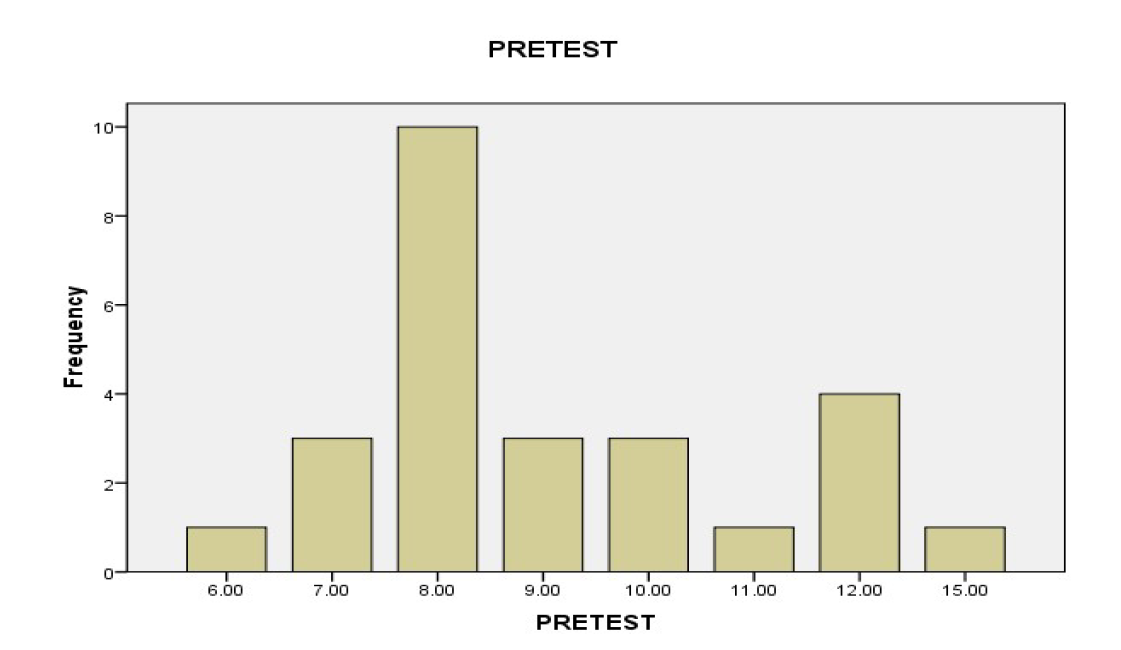
Figure 1: Knowledge Regarding Basic Cardiovascular Life Support (BCLS) Among Study Participants


In the present study, 27 study participants had very good knowledge (9-10 marks) regarding Basic Cardiovascular Life Support, 36 had good knowledge (7-8 marks), 19 had fair knowledge (4-6 marks) and 18 had poor knowledge (<4 marks) regarding Basic Cardiovascular Life Support (Figure 1).

DISCUSSION

Cardiovascular diseases (CVDs) pose a significant global health challenge and India, including the state of Himachal Pradesh, is grappling with the burden of CVD-related morbidity and mortality. Prompt and effective response to cardiac emergencies is essential to mitigate adverse outcomes. Basic Cardiovascular Life Support (BCLS) plays a pivotal role in providing life-saving interventions in these critical situations [1-4].


The findings of this study, which assessed the knowledge of BCLS among medical officers in Himachal Pradesh, shed light on the preparedness of healthcare providers in the region to respond to cardiac emergencies. The results reveal both strengths and areas that warrant attention to improve cardiac care and bridge existing knowledge gaps.


In our study, a significant proportion of medical officers demonstrated very good 27% and good 36% knowledge regarding BCLS. This is a promising finding, suggesting that a considerable number of medical officers possess the necessary knowledge to initiate life-saving interventions during cardiac emergencies. This could be attributed to previous training programs or individual initiatives to enhance BCLS skills.


However, it is crucial to note that a substantial proportion of medical officers exhibited fair 19% or poor 18% knowledge of BCLS. This highlights potential gaps in training and the need for targeted interventions to enhance BCLS competence among healthcare professionals. The study's results are consistent with previous research conducted in India, which also identified variations in BCLS knowledge among healthcare providers [7].


Comparing our findings with existing studies, it becomes evident that the quality and extent of BCLS training may vary across different regions and healthcare facilities [8-12]. Factors such as limited access to training programs, resource constraints and curriculum variations could contribute to these disparities.


The study's findings underscore the importance of standardized, high-quality BCLS training programs for healthcare providers, particularly medical officers. By addressing the identified gaps in knowledge and skills, healthcare facilities and policymakers can strengthen the cardiac care workforce in Himachal Pradesh and improve outcomes for patients experiencing cardiac emergencies.


To bridge these knowledge gaps and enhance BCLS competence, healthcare authorities in Himachal Pradesh should consider implementing the following strategies:


  • Standardized Training Programs: Develop and implement standardized BCLS training programs that are accessible to all medical officers, regardless of their location or healthcare facility. These programs should adhere to international guidelines and focus on hands-on practice

  • Regular Refresher Courses: Offer regular refresher courses to ensure that medical officers maintain their BCLS skills and stay updated on the latest guidelines and techniques

  • Resource Allocation: Allocate resources to ensure that healthcare facilities have access to essential BCLS equipment, such as automated external defibrillators (AEDs). This can significantly improve the quality of care provided during cardiac emergencies

  • Curriculum Review: Continuously review and update the BCLS curriculum to align with international best practices. Ensure that training materials are culturally sensitive and applicable to the local context

  • Awareness Campaigns: Conduct awareness campaigns among medical officers and the broader community to emphasize the importance of BCLS and early intervention in cardiac emergencies

  • Collaboration: Collaborate with professional organizations, universities and medical institutions to strengthen BCLS training and certification processes

CONCLUSION

In conclusion, while some medical officers in Himachal Pradesh demonstrate commendable knowledge of BCLS, there are notable gaps that must be addressed to ensure that all healthcare providers are well-equipped to respond effectively to cardiac emergencies. Implementing standardized training programs and other supportive measures can significantly enhance the quality of cardiac care and improve patient outcomes in the state.

REFERENCES
  1. World Health Organization. Cardiovascular Diseases (CVDs). 2021, https://www.who.int/news-room/fact-sheets/detail/cardiovascular-diseases-(cvds)

  2. Gupta, R. et al. “Educational status, coronary heart disease and coronary risk factor prevalence in a rural population of India.” BMJ, vol. 317, no. 7162, 2008, pp. 1362–1367.

  3. Directorate of Economics and Statistics. Himachal Pradesh Economic Survey 2018–19. 2019, https://himachal.nic.in/showfile.php?lang=1anddpt_id=11andlevel=1andlid=17412andsublinkid=17081

  4. Neumar, R.W. et al. “Part 1: Executive summary: 2020 American heart association guidelines for cardiopulmonary resuscitation and emergency cardiovascular care.” Circulation, vol. 142, no. 16_suppl_2, 2020, pp. S337–S357.

  5. Nolan, J.P. et al. “European resuscitation council COVID-19 guidelines executive summary.” Resuscitation, vol. 161, 2021, pp. 1–15.

  6. Ministry of Health and Family Welfare, Government of India. National Health Profile 2018. 2018, https://main.mohfw.gov.in/sites/default/files/14%20Chapter%204.pdf

  7. Dine, C.J. et al. “The quality of cardiopulmonary resuscitation among health care providers: A prospective, multisite study.” Chest, vol. 133, no. 2, 2008, pp. 354–360.

  8. Sinclair, R. and R.M. Cunningham. “Safety training and experience in the use of automated external defibrillators in Michigan public schools.” Journal of School Health, vol. 83, no. 9, 2013, pp. 677–682.

  9. Bhanji, F. et al. “Part 14: Education: 2020 American heart association guidelines for cardiopulmonary resuscitation and emergency cardiovascular care.” Circulation, vol. 142, no. 16_suppl_2, 2020, pp. S935–S962.

  10. Kaur, K. et al. “Assessment of knowledge, attitude and practice in response to cardiac arrest among medical students in Haryana, India.” Indian Journal of Critical Care Medicine, vol. 17, no. 3, 2013, pp. 159–162.

  11. Marandi, S.M. et al. “Basic life support: Awareness and knowledge among dental practitioners.” Journal of Education and Health Promotion, vol. 6, 2017, p. 71.

  12. Swor, R. et al. “CPR training and CPR performance: do CPR-trained bystanders perform CPR?” Academic Emergency Medicine, vol. 12, no. 7, 2005, pp. 592–596.

Recommended Articles
Research Article
Leigh Syndrome Should Not Be Diagnosed Exclusively Upon Cerebral MRI
Published: 15/07/2020
Download PDF
Research Article
Vision for a Brighter Kangra: Unmasking the Truth about Pink Eye – A Comprehensive Study on Types, Symptoms, and Proactive Prevention in Himachal Pradesh’s Kangra District
...
Published: 11/11/2023
Download PDF
Research Article
It Remains Unproven That the Variant M.8231C>A Causes Coronary Atherosclerosis
Published: 15/07/2020
Download PDF
Research Article
Bioactive ingredients screening and antibacterial activity of Citrus aurantifolia leaf extract against some enteric isolates
Published: 10/08/2020
Download PDF
Chat on WhatsApp
Flowbite Logo
PO Box 101, Nakuru
Kenya.
Email: office@iarconsortium.org

Editorial Office:
J.L Bhavan, Near Radison Blu Hotel,
Jalukbari, Guwahati-India
Useful Links
Order Hard Copy
Privacy policy
Terms and Conditions
Refund Policy
Shipping Policy
Others
About Us
Team Members
Contact Us
Online Payments
Join as Editor
Join as Reviewer
Subscribe to our Newsletter
+91 60029-93949
Follow us
MOST SEARCHED KEYWORDS
Copyright © iARCON International LLP . All Rights Reserved.