Substrate flexibility of laccase enzymes makes them highly interesting for various applications such as textile dye bleaching, pulp bleaching, and production of chemicals from lignin, bioremediation & development of biosensors to check the presence of xenobiotics. For industrial applications discovery of novel laccases with different substrate specificities and improved stabilities is important. Microbes that produce laccases have been screened on solid media containing colored indicator compounds such as guaiacol that enable the visual detection of laccase production. Optimized condition for Laccase enzyme production by fungal isolate HM1 was: incubation period- 10 days, pH- 5, carbon source- maltose, nitrogen source- peptone, CuSO4 concentration-50µM and temperature-50°C. This research summarizes that the production of laccase for application in bioremediation was easily achieved by production from cost effective economic process of solid state production from corn cobs, rice bran, wheat bran etc.
Keywords
Multi Copper Oxidases
Guaiacol
INTRODUCTION
Laccases (benzenediol: oxygen oxidoreductase, EC 1.10.3.2) are belong to the group of blue oxidases which is a multi-copper oxidases (MCOs) [1]. Laccases contains four copper atoms per unit of protein and it is a dimeric or tetrameric glycoprotein [2]. Laccases oxidizes various aromatic phenolic substrates e.g. guaiacol, hydroquinone, phenylenediamine, 2, 6-dimethoxyphenol, diphenols, polyphenols, diamines, aromatic amines, benzenethiols and even some inorganic compounds such as iodine [3]. Certain bacteria and actinomycetes are known to produce laccases but the best known producers are white rot fungi [4].
Ten % dyestuffs are discharged as environmental waste from the total estimated world colorant production of 800 000 tons per annum. High stability of this dyes due to their high BOD/COD, pH, presence of metal and resistance to light temperature and microbial attack making them persistent against naturally occurring biodegradation [5]. Some of microbial enzymes are there having wide varieties of positive effect, like laccase which have lots of positive ability to make the environment green [6]. Cellulose and hemicelluloses of lignocellulosic materials are closely linked by lignin that act as a cementing agent between cellulose fibers, thus lignocellulosic materials require pretreatment before used for bioethanol production during fermentation [7].
MATERIALS AND METHODS
Sample Collection
Decaying tamarind wood sample was collected from village Varethi, Gujarat, India for isolation of laccase producing fungi in sterile polythene bags.
Isolation of Laccase Producing Fungi
Collected decaying tamarind wood sample was used for isolation by employing the standard serial dilution method. Laccase producing strains were screened based on the growth on potato dextrose agar (PDA) media containing specific substrates of laccase such as 0. 5% tannic acid and 0.02% guaiacol [1]. Plates were incubated at 30° C for 5 days. Guaiacol containing plates were observed foe reddish color formation. For confirmation of the production of laccase enzyme by fungi and zone tested for guaiacol oxidation and radial growth on guaiacol-supplemented agar: contained, glucose 10 g, peptone 2 g, yeast extract 1 g, agar 18 g and 4mM for zone measurement. Diameter of the oxidized zone in mm measured on the 7th day of incubation [8].
Identification of Laccase Producing Fungi
Identification of potent fungi isolate would be carried out using the growth characteristics i.e. texture, pigmentation, form, spore formation and morphological charecteristics through staining techniques using Lactophenol picric acid mounting [9].
Enzyme Production for Activity Determination
Erlenmeyer flasks (250 mL) containing 100 mL of the following liquid medium (in g.L-1): starch (20), yeast extract (2.5),H2PO4(1.0), Na2HPO4 (0.05), MgSO4 (0.5), CaCl2 (0.01), FeSO4 (0.01), MnSO4 (0.001), ZnSO4 (0.001), CuSO4 (0.002) were inoculated at 30°C with five agar disk taken from the active borders of PDA cultures. The pH of the medium was adjusted to 5.5. After 14 days of incubation at 30°C laccase activity and protein concentrations were determined [10].
Analytical Methods
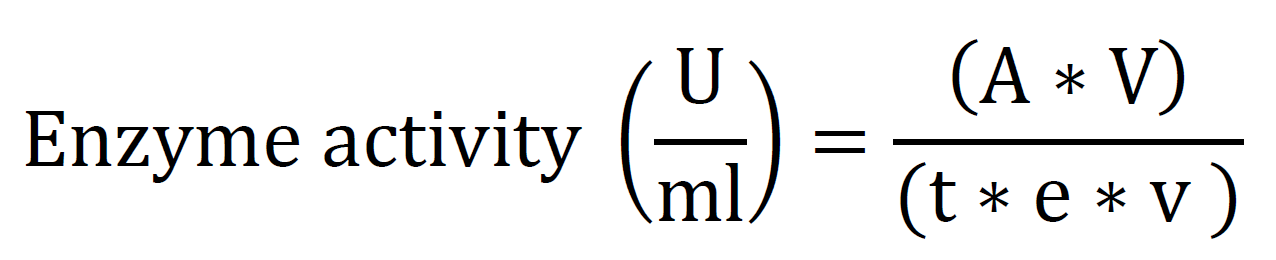
Guaiacol Assay Method for Laccase Enzyme Activity: Guaiacol has been reported as an efficient substrate for laccase assay. Development of brown color due to oxidation of guaiacol by laccase can be correlated to its activity often read at 450 nm. The reaction mixture contained 3 ml sodium acetate buffer (10 mM, pH 5.0), 1ml guaiacol (2 mM) and 1 ml enzyme source. The mixture was incubated at 30°C for 15 min. The changes in absorbance due the oxidation of guaiacol were recorded by spectrophotometer at 450 nm, with a molar extinction coefficient for guaiacol (Ɛ450 =6740 M-1 cm-1). Enzyme Activity was expressed as International Units (IU), where 1 IU is defined as the amount of enzyme required to oxidize 1micromole of guaiacol per min [11].
Where
A : Absorbance at 450nm
V : Total volume of reaction mixture (ml)
V : Enzyme volume (ml)
T : Incubation time (min)
E : Extinction Coefficient (µM-1 cm-1) [11]
Estimation of Protein
The protein concentration was determined using the Bradford method by using bovine serum albumin (BSA) as standard [5].
Determination of Fungal Biomass Weight
The biomass, B, obtained from the crude enzyme was determined by estimating the dry weight after the collection of the filtrate. The Whatman Filter Paper No. 1 containing the already dried fungus was weighed, FA. The weight of unused filter paper, FB, was estimated and was subsequently subtracted from the filter paper containing the dried fungal growth [12].
B= FA-FB
Optimization of Parameters for Laccase Enzyme Production
Optimization of the Incubation Period: In order to find the optimal time of incubation for the maximum laccase production 100ml production medium was prepared in flask and autoclaved. To these five discs (6mm in diameter) of 5 day old culture was inoculated and incubated at 27°C for a period of 14 days. The culture was harvested at every 2 day interval. This was used to determine protein content and enzyme activity [4].
Optimization of pH
pH optimization for laccase production was carried out by inoculate production medium with different pH such as 4.0, 5.0, 6.0 and 7.0 & incubating the culture flasks at 27°C for a period of 14 days [4].
Optimization of Carbon Source
The effect of different carbon sources like sucrose, lactose, maltose and glucose on the production of laccase was studied. The carbon sources were amended at the concentration of 2% in the production medium and inoculated with five mycelial discs (6 mm diameter) and incubated at 27°C for a period of 14 days [4].
Optimization of Nitrogen Source
In order to find the suitable nitrogen source for the maximum production of laccase, the following organic and inorganic nitrogen sources such as peptone, beef extract, ammonium sulphate, and ammonium chloride were amended at the concentrations 0.2% in production medium and incubated at 27°C for a period of 14 days [4].
Optimization of Copper Sulphate Concentration
In order to find out the suitable concentration of copper sulphate for the maximum production of laccase the following concentrations of copper sulphate 10μM, 20μM, 27μm, 40μM and 50μM were used. From 5- day old culture five mycelial discs (6 mm diameter) were transferred to Erlenmeyer flasks containing 50 ml of production medium amended with different concentration of copper sulphate. Flasks were incubated at 27°C for a period of 14 days [4].
Optimization of Temperature
Temperature optimization for laccase production was carried out by incubating the culture flasks containing 100 ml of production medium inoculated with five mycelial discs (6 mm) at different temperatures 25° C, 30°C, 37° C, and at 50° C.
Dye Decolourization Assay
0.5 ml of the optimized culture broth was added to 2 ml of 100 ppm (100 mg/L) methyl orange dye solution and 0.1 M Congo red dye solution followed by incubation in a static conditions at room temperature for 3 h. Samples were monitored and decrease in the maximum absorbance was recorded at every 30 min. Absorbance was read at 505nm for methyl orange and for Congo red at 470 nm. Negative controls (reaction mixtures without enzyme) were designed as a reference to compare decolourization percentage of treated samples [13-14].
Percent of dye decolourization was calculated as the formula:
Ai : nitial absorbance of the dye
At : Absorbance of the dye at any time interval
RESULTS
Isolation of Laccase Producing Fungi
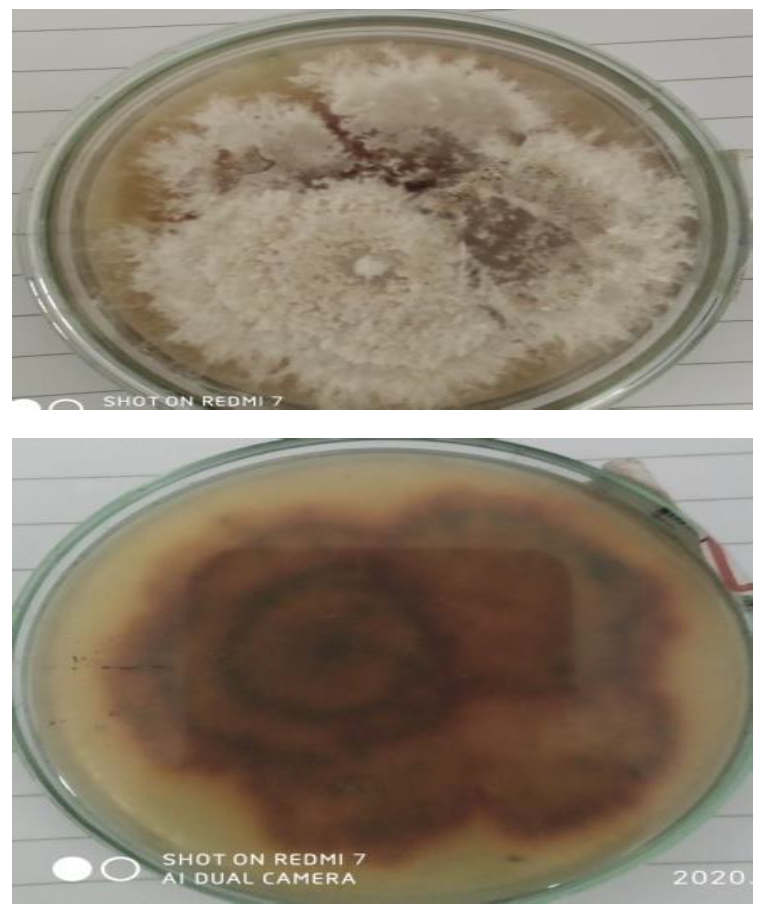
From 24 fungi species isolated from decaying tamarind wood sample three species observed as a laccase producers, as all of them oxidized guaiacol present in the screening medium. Oxidation polymerization of guaiacol to bisphenoquinone was visualized as reddish brown zones. Color intensity varies due to variability in the concentration of laccase production (Figure 1).
Figure 1: Guaiacol Oxidation Pattern on PDA Plates Supplemented With 4 Mm Guaiacol. Front and Back View of the Plate of Fungi
Table 1: Oxidative Activity of Fungal Isolates
Fungal Isolates
Color Zone Diameter (nm)
Fungal Colony Diameter (nm)
Oxidation Scale
HM1
34
37
+++++
HM2
30
32
++++
HM3
29
30
++++
Table 1 Qualitative assay for laccase enzyme production. (Oxidation scale measured on the 7th day of cultivation on PDA medium containing 4mM guaiacol: + diameter of the oxidized zone 0-10mm, ++ zone diameter 11-15 mm, +++ zone diameter 16-20 mm, ++++ zone diameter 21-30 mm, +++++ zone diameter up to 31mm.)
Identification of Laccase Producing Fungi
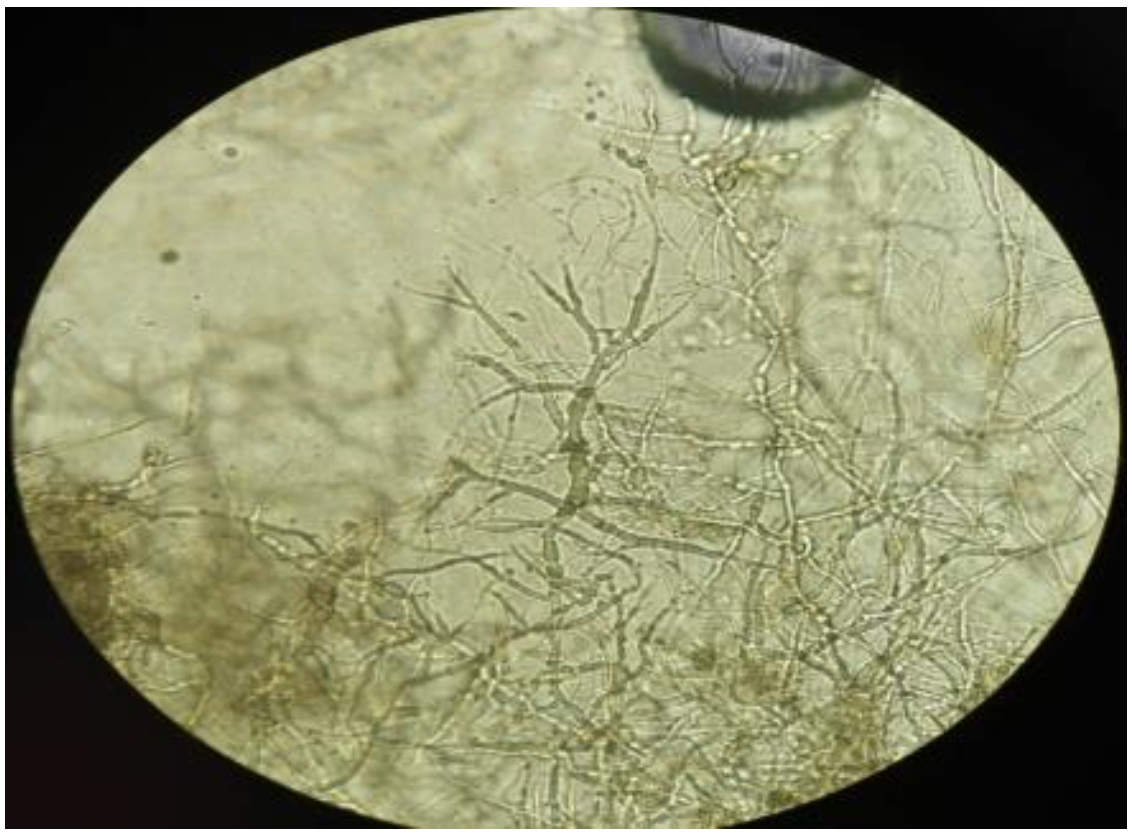
HM1potent fungal isolate was identified based on the growth characteristics and by mounting under light microscope. Growth characteristics and mounting of the fungal isolate HM1 was resemble to that of the phomopsis spp. Zhou et al. [15] also reported the production of laccase by Phomopsis liquidambari (Figure 2 and Table 2).
Submerged Production of Laccase Enzyme
Potent organism was initially cultivated in liquid medium. Level of laccase activity was comparatively low (26.50 U/ml) after the 14th day of incubation due to the lack of inducer. Kumar et al. [16] obtained 27.30 U /ml enzyme activity with A. flavus with optimized culture medium (Table 3).
Figure 2: Mounting of HM1
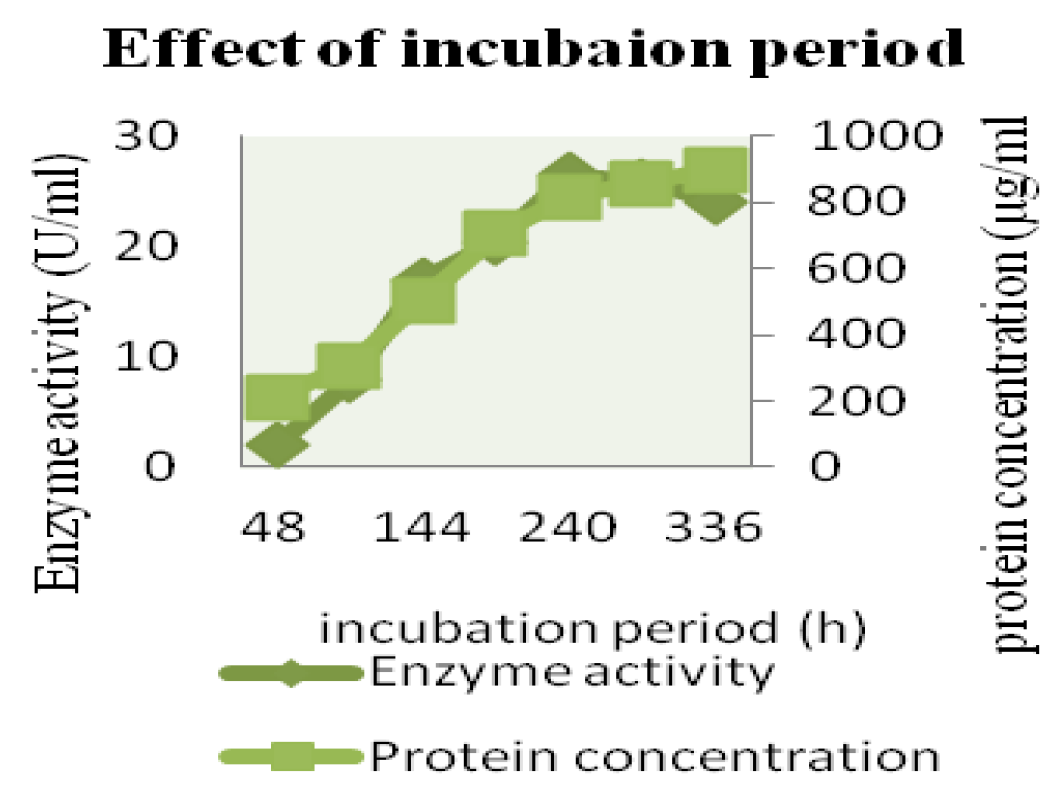
Figure 3: Effect of Time on Laccase Production
Table 2: Growth Characteristics of HM1 Isolate
Growth characteristics
Texture
Dry
Form
Irregular
Color
White
Opacity
Opaque
Spores
Chlamydospores
Table 3: Results of the Various Parameters Observed After 14 Day of Incubation in Submerged Condition
Fungal isolate
Enzyme activity
(U/ml)
Protein concentration (µg/ml)
Specific activity U/mg
Weight of fungal biomass (g/L)
FGI1
26.50
542
48.89
33
Table 4: Effect of Time on Growth of Fungi
Incubation Period
Amount of Fungal Growth
48h
3 g/L
96h
7 g/l
144h
13 g/L
192h
18 g/L
240
24 g/L
288h
29 g/l
336h
33 g/l
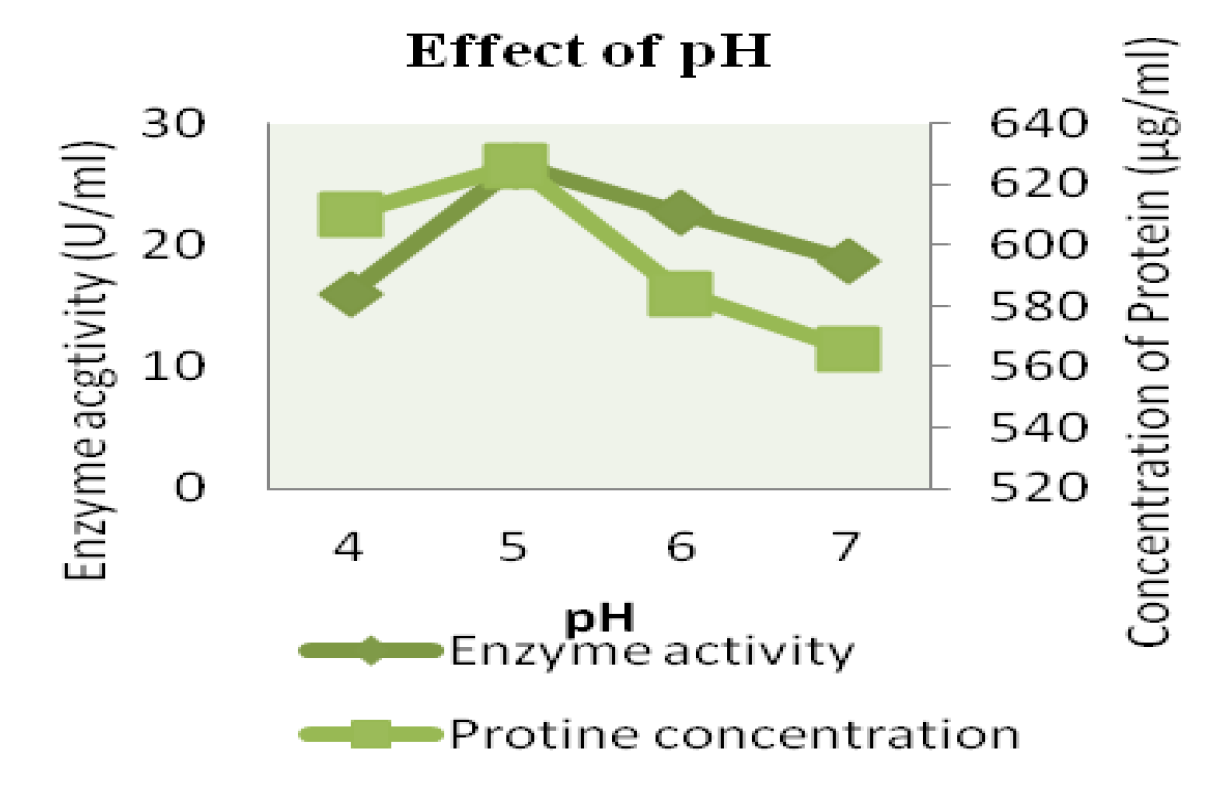
Figure 4: Effect of pH on Laccase Production
Optimization of Culture Conditions for Laccase Production
Optimization of the Incubation Period: The time course study for laccase production was monitored for 14 days. The maximal laccase production was observed at 10th day of incubation. Similar result was obtained by Ferdes et al. for laccase enzyme production. Studies demonstrated that laccases are synthesized during secondary metabolism as an inducible or constitutive enzyme. In accordance with this research, the laccase activity as shown in figure 3 started at the fourth day. This fact could be explained by the late growth of fungal biomass in these culture media. The production of laccase is known to depend on the nutrients and on the culture parameters.
Optimization of PH
PH significantly influenced the extracellular protein content and laccase activity. The fungal was able to give maximum laccase activity at pH 5.0 with 26.51 U/ml activity and protein content was 626 µg/ml with 34 g/L fugal biomass. Similar result was obtained by Patel and Gupte [17], for laccase production by Tricholoma giganteum. Amount of laccase increased with the initial increase in pH up to 5 but further increase in pH lowered the enzyme activity. This may be attributed to the poor mycelial growth at an elevated pH which may restrict the laccase production [17] (Figure 4 and Table 5).
Optimization of Carbon Source
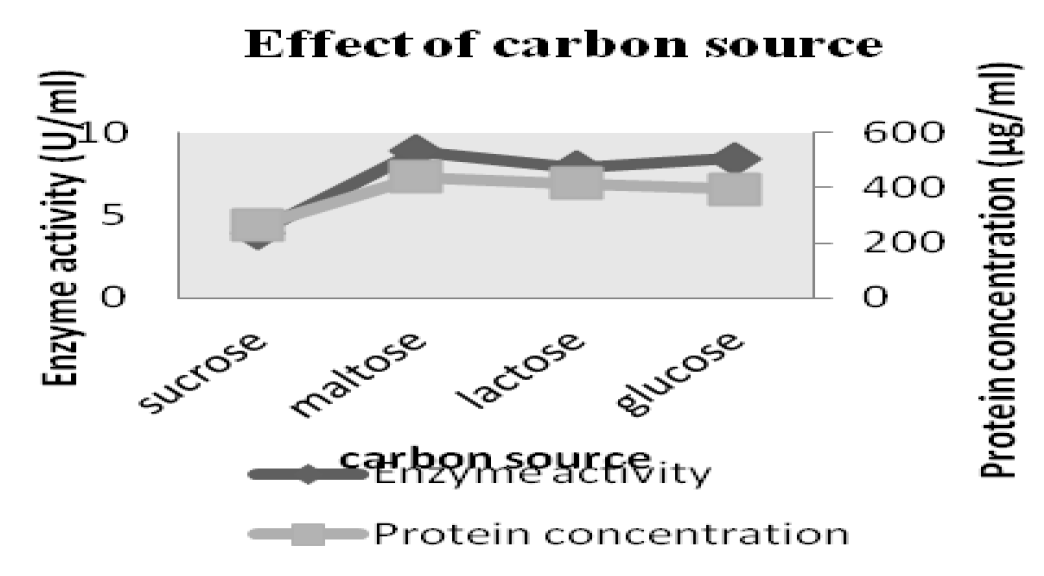
Different carbon sources significantly influence the production of fungal biomass which ultimately affects the production level of laccase enzyme. From the four different carbon sources for laccase production maltose showed highest enzyme activity 8.99 U. Similar result was obtained by Wang et al. for laccase enzyme production by Monotospora species with maltose as optimum carbon source. The production of laccase enzyme enhanced using carbon sources like maltose and lactose by this spp. other carbon sources glucose and sucrose showed relatively lower enzyme activity (Figure 5 and Table 6).
Table 5: Effect of Different pH on Fungal Growth
Different Ph
Amount of Fungal Biomass Produced
4
26 g/L
5
34 g/L
6
26 /L
7
22 g/L
Table 6: Effect of Carbon Sources on Fungal Growth
Different Carbon Source
Amount of Fungal Biomass Produced
Sucrose
8 g/L
Maltose
26 g/L
Lactose
20 g/L
Glucose
14 g/L
Table 7: Effect of Nitrogen Source on Fungal Growth
Different Nitrogen Source
Amount of Fungal Biomass Produced
Peptone
37 g/L
NH4Cl
26 g/L
(NH4)2SO4
18 g/L
Beef extract
29 g/L
Figure 5: Effect of Carbon Source on Laccase Production
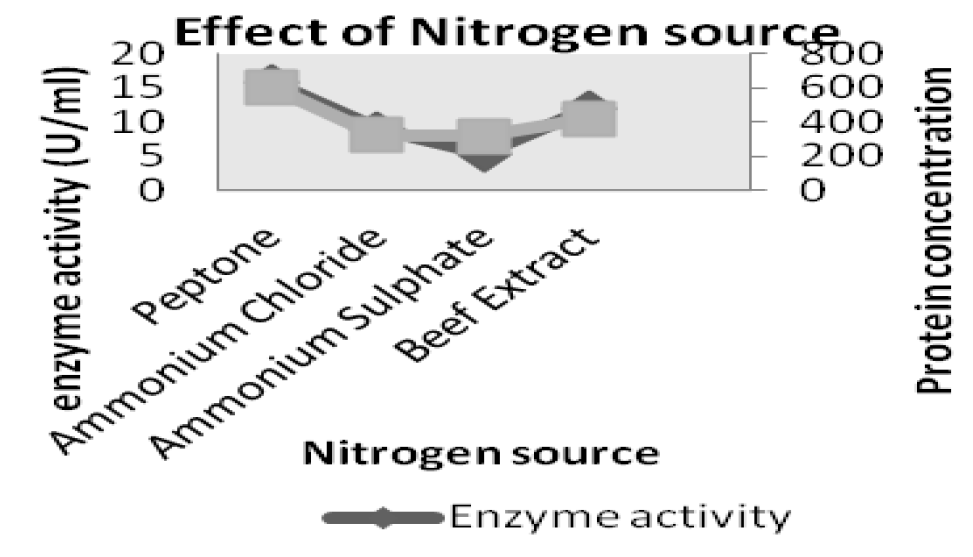
Figure 6: Effect of Nitrogen on Laccase Production
Optimization of Nitrogen Source
From the 4 different nitrogen sources like peptone, beef extract, ammonium sulphate and ammonium chloride. Peptone supported the maximum laccase production with enzyme activity of 15.84 U/ml. Kumar et al. [16] reported peptone as optimum nitrogen source for laccase enzyme production by Aspergillus flavus. Best enzyme production can be attributed to the fact that peptone provides the complete pool of amino acids required for synthesis (Figure 6 Table 7).
Optimization of copper sulphate concentration
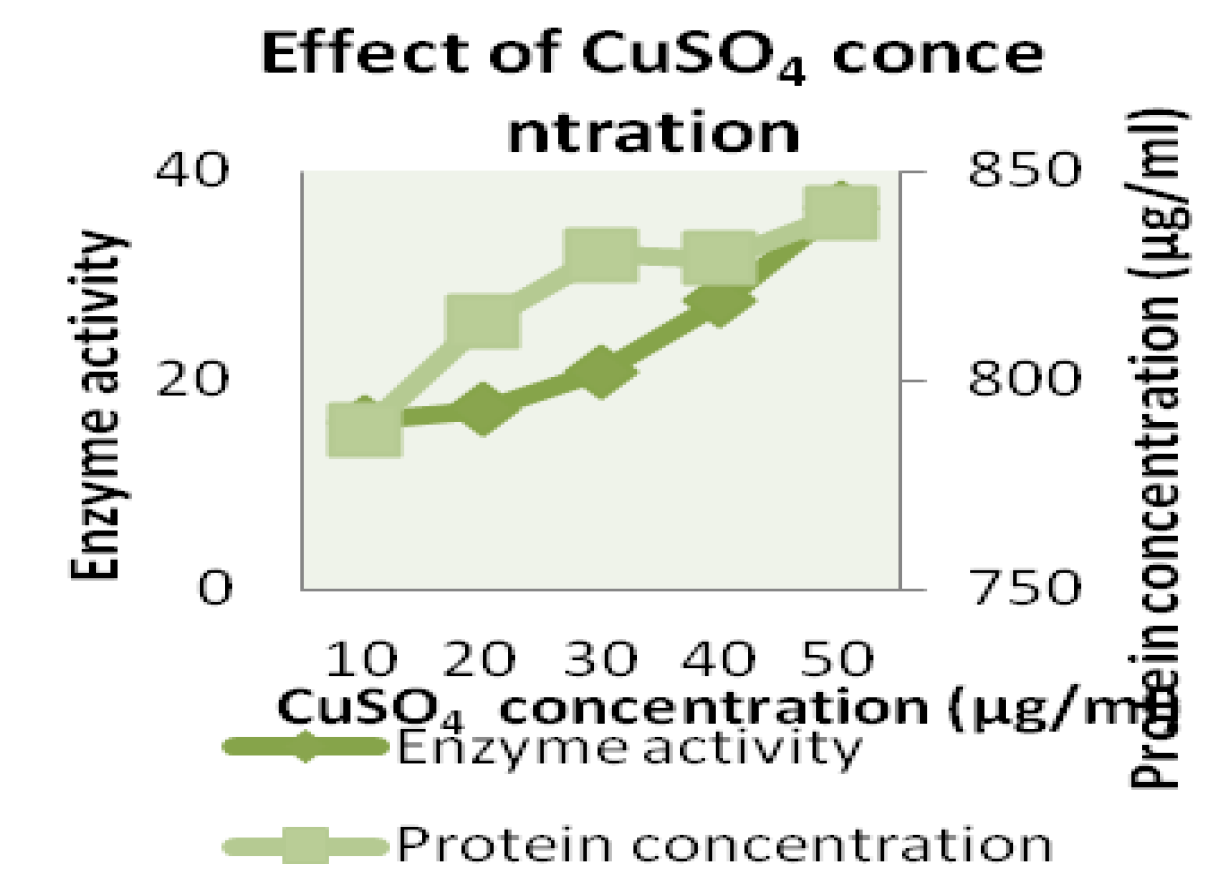
From five different concentrations such as 10µM, 20 µM, 30 µM, 40µM and 50 µM, highest enzyme activity 36.54 U/ml was observed with 50 µM of copper concentration. Copper has been reported to be a strong laccase inducer.
Table 8: Effect of CuSO4conc. on Laccase Production
Different Concentration of CuSO4
Amount of Fungal Biomass Produced
10 µM
31 g/L
20 µM
32 g/L
30 µM
35g/L
40 µM
37 g/L
50 µM
38 g/L
Table 9: Effect of T on Fungal Growth
Different Temperature
Amount of Fungal Biomass Produced
30°C
19 g/L
37°C
23 g/L
50°C
32 g/l
25°C
17 g/L
Figure 7: Effect of CuSO4 Conc
Figure 8: Effect of Temperature on Laccase Production
Cu+2 is a laccase cofactor, Copper as a micronutrient has a key role as a metal activator, induces both laccase transcription and plays an important role in laccase production. Elsayed et al. reported that 100μM concentration of CuSO4 supported the maximum laccase production by P. ostreatus ARC280 (Figure 7 and Table 8).
Optimization of Temperature
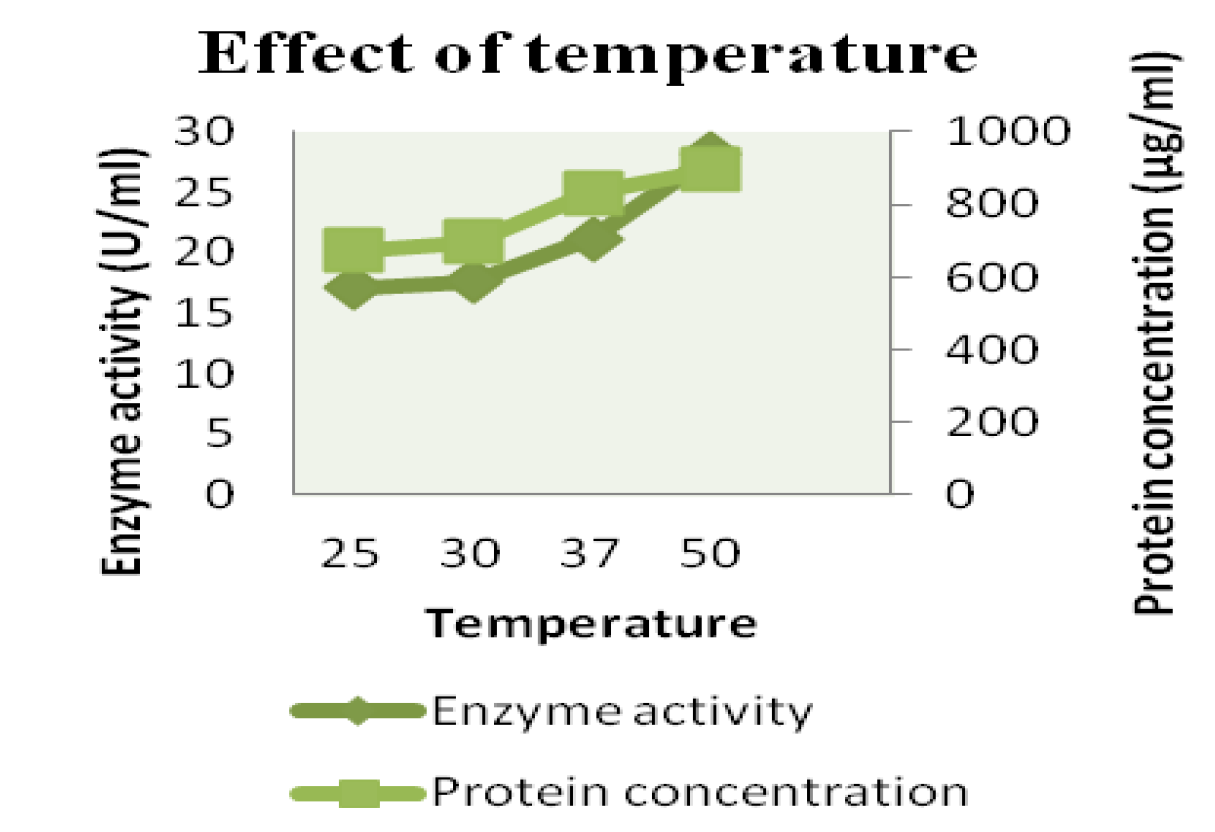
Fungal isolate were grown at different degrees of temperature ranging from 25 -50 ˚C. The optimum temperature for laccase enzyme production by fungal isolate HM1 was 50 ° C with 28.14 U/ml. Chefetz et al. [18] reported 50°C as optimum temperature for laccase enzyme production by Chaetomium thermophilium. Higher temperature optima make the enzyme of wider utility in various biotechnological applications (Figure 8 and Table 9).
Table 10: Results of dye Decolorization Assay
Name of Dye
Percentage of dye decolorization with time duration (%)
30
60
90
120
150
180
Methyl Orange
22.1
31.1
39.8
47.3
55.39
60.04
Congo Red
14.4
28.9
38.8
43.8
46.28
54.23
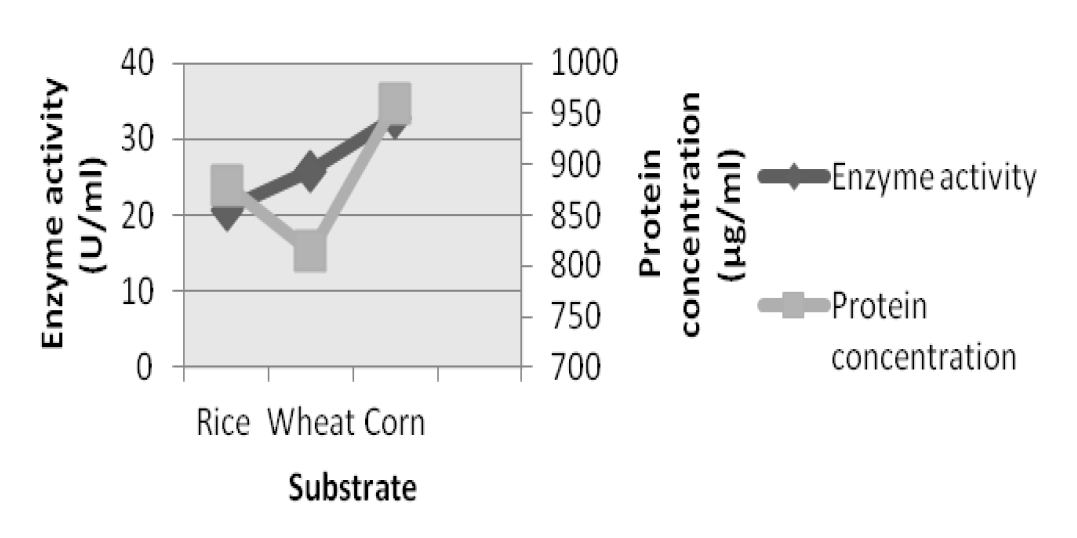
Figure 9: Amount of Laccase Enzyme Produced in Solid State Condition Using Different Substrates
Dye Decolourization Assay
In general, the efficiency of decolorization depends on the structure of dye and the redox-potential of the enzyme. The ability of crude laccase from FGI1 to decolorize methyl orange, congo red & methylene blue dyes was examined. Dye decolorization efficiency of crude laccase enzyme for methyl orange was 60 %. Dye decolorization efficiency of crude laccase enzyme for congo red was 54.06%. Low percentage of decolorization was due to the lack of laccase enzyme mediators. Mediators increase its specificity to decolorize dye compounds. It was observed that the percent of decolorization was increased when the time course was increased. Many studies have shown that fungi due to their enzymes are able to decolorize and detoxify industrial dyes. Ravikumar et al. reported the 75% dye decolorization of methyl orange and 69% for congo red without any redox mediator by laccase enzyme from Hypsizygus ulmarius. In the case of the dye Methylene blue there was not any discoloration.
Acknowledgment First and foremost, praises and thanks to God, the Almighty, for His showers of blessings throughout my research work to complete the research successfully. I would like to express my deep and sincere gratitude to my research supervisor, B. N. Shukla, Professor and Head, Arts, Science and Commerce collage kholwad, Surat, Gujarat, India, for providing invaluable guidance throughout this research. I am also thankful to Dr. Arti Raval and Dr. Nilesh Pandya for their help in this research. It was a great privilege and honor to work and study under his guidance. I am extremely grateful to my parents for their love, prayers, caring and sacrifices for educating and preparing me for my future. I would also like to say thanks to my friends. I thank the management of Arts, Science and Commerce collage Surat for their support to do this work.
CONCLUSION
In view of the results obtained, it can be concluded that the isolate was able to oxidize phenolic substrate such as guaiacol. The optimization of various cultural and nutritional parameters for the production of laccase showed that the enzyme production by this isolate is governed by parameters such as pH and temperature of the production medium and other nutrition parameters. Optimized condition for Laccase enzyme production was incubation period-10 days, pH-5, carbon source-maltose, nitrogen source-peptone, CuSO4 concentration-50µM and temperature-50°C. The production level of laccase in submerged condition was quite low (10.6 U/ml) in medium, whereas in solid state condition employing wheat bran rice bran and corn, resulted in adequate levels of laccase yield. Enzyme was able to decolorize some dye solution such as Methyl orange and congo red. This strain seems to be a prospective organism for biotechnological exploitation. The production of laccase for application in bioremediation was easily achieved by production from cost effective economic process of solid state production from corn cobs, rice bran, wheat bran etc.
REFERENCE
Desai, S.S. et al. “Isolation of laccase producing fungi and partial characterization of laccase.” Biotechnology, Bioinformatics and Bioengineering, vol. 1, no. 4, 2011, pp. 543–549.
Ferdeş, M. et al. “Laccase enzyme production and biomass growth in liquid cultures of wood-degrading fungal strains.” Proceedings of the 46th International Conference “Actual Tasks on Agricultural Engineering”, February 2018, pp. 341–388.
Devasia, S. and A.J. Nair. “Screening of potent laccase producing organisms based on the oxidation pattern of different phenolic substrates.” International Journal of Current Microbiology and Applied Sciences, vol. 5, no. 5, 2016, pp. 127–137.
Sivakumar, R. et al. “Isolation, screening and optimization of production medium for thermostable laccase production from Ganoderma sp.” International Journal of Engineering Science and Technology, vol. 2, no. 12, 2010, pp. 7133–7141.
Manavalan, T. et al. “Characterization of optimized production, purification and application of laccase from Ganoderma lucidum.” Biochemical Engineering Journal, vol. 70, 2013, pp. 106–114.
Amutha, C. and M. Abhijit. “Screening and isolation of laccase producers, determination of optimal condition for growth, laccase production and choose the best strain.” Journal of Bioremediation and Biodegradation, vol. 6, no. 4, 2015, p. 1.
Fang, Z. et al. “Identification of a laccase Glac15 from Ganoderma lucidum 77002 and its application in bioethanol production.” Biotechnology for Biofuels, vol. 8, no. 1, 2015, article 54.
Abeer, A. et al. “Screening of fungal isolates for laccase enzyme production from marine sources.” Research Journal of Pharmaceutical, Biological and Chemical Sciences, vol. 6, no. 1, 2015, pp. 221–228.
Dhakar, K. and A. Pandey. “Laccase production from a temperature- and pH-tolerant fungal strain of Trametes hirsuta (MTCC 11397).” Enzyme Research, 2013.
El Monssef, R.A.A. et al. “Production of laccase enzyme for their potential application to decolorize fungal pigments on aging paper and parchment.” Annals of Agricultural Sciences, vol. 61, no. 1, 2016, pp. 145–154.
Nicolcioiu, M.B. et al. “Biochemical investigations of different mushroom species for their biotechnological potential.” Agriculture for Life, Life for Agriculture Conference Proceedings, vol. 1, no. 1, July 2018, pp. 562–567.
Ademakinwa, N.A. and F.K. Agboola. “Production of laccase by Aureobasidium pullulans and Cladosporium werneckii under optimized conditions: Applications in decolourization of textile dyes.” Research and Reviews: Journal of Microbiology and Biotechnology, vol. 3, no. 2, 2014, pp. 32–40.
Mathews, S.L. et al. “Purification and characterization of a recombinant laccase-like multi-copper oxidase from Paenibacillus glucanolyticus SLM 1.” Journal of Applied Microbiology, vol. 121, no. 5, 2016, pp. 1335–1345.
Akpinar, M. and R.O. Urek. “Induction of fungal laccase production under solid state bioprocessing of new agroindustrial waste and its application on dye decolorization.” 3 Biotech, vol. 7, no. 2, 2017, article 98.
Zhou, J. et al. “Laccase production by Phomopsis liquidambari B3 cultured with food waste and wheat straw as the main nitrogen and carbon sources.” Journal of the Air and Waste Management Association, vol. 64, no. 10, 2014, pp. 1154–1163.
Kumar, R. et al. “Optimization of laccase production from Aspergillus flavus by design of experiment technique: Partial purification and characterization.” Journal of Genetic Engineering and Biotechnology, vol. 14, no. 1, 2016, pp. 125–131.
Patel, H. and A. Gupte. “Optimization of different culture conditions for enhanced laccase production and its purification from Tricholoma giganteum AGHP.” Bioresources and Bioprocessing, vol. 3, no. 1, 2016, article 11.
Chefetz, B. et al. “Purification and characterization of laccase from Chaetomium thermophilium and its role in humification.” Applied and Environmental Microbiology, vol. 64, no. 9, 1998, pp. 3175–3179.
Asgher, M. et al. “Kinetic characterization of purified laccase produced from Trametes versicolor IBL-04 in solid state bio-processing of corncobs.” BioResources, vol. 7, no. 1, 2012, pp. 1171–1188.
Recommended Articles
Research Article
Strategy of Cocoa Commodity Based Agrowisata Development in Jembrana Regency
I Gusti Ayu Widari Upadani,
...
Luh Putu Kirana Pratiwi
Published: 30/01/2021
Download PDF
Research Article
Survey on the pollutants effect of some physicals and chemicals characteristics of the White Nile River around Khartoum state in the Sudan
Zeinb E. Elamean,
...
Egbal Osman Ahmed
Published: 20/01/2021
Download PDF
Research Article
Effecting of Hormonal Gonads (Test, Lh, Pro) and Dopamine on Transitional Nuclear Protein /1 Gene Frequency in an Infertile-Men
Taleb K. Odah
Published: 18/09/2023
Download PDF
Research Article
The study on priciple of herd health maagement assesment of Jimma University college of Agriculture And Veterinary Medicine dairy farm
Samson tesfaye,
...
Feyera Gemeda
Published: 01/04/2023
Download PDF
PO Box 101, Nakuru
Kenya.
Email: office@iarconsortium.org
Editorial Office:
J.L Bhavan, Near Radison Blu Hotel,
Jalukbari, Guwahati-India
Suleman, H. M. (2020). Isolation screening and optimization of laccase producing fungi from decaying tamarind wood. IAR Journal of Agriculture Research and Life Sciences, 1(1), 1-6.
MLA
Suleman, Hanslod M.. "Isolation screening and optimization of laccase producing fungi from decaying tamarind wood." IAR Journal of Agriculture Research and Life Sciences 1.1 (2020): 1-6.
Chicago
Suleman, Hanslod M.. "Isolation screening and optimization of laccase producing fungi from decaying tamarind wood." IAR Journal of Agriculture Research and Life Sciences 1, no. 1 (2020): 1-6.
Harvard
Suleman, H. M. (2020) 'Isolation screening and optimization of laccase producing fungi from decaying tamarind wood' IAR Journal of Agriculture Research and Life Sciences 1(1), pp. 1-6.
Vancouver
Suleman HM. Isolation screening and optimization of laccase producing fungi from decaying tamarind wood. IAR Journal of Agriculture Research and Life Sciences. 2020 Jan;1(1):1-6.


 Download PDF
 Download XML