Background: Cardiovascular diseases (CVDs) are the leading cause of morbidity and mortality globally, driven by modifiable risk factors such as hypertension, smoking, obesity, and diabetes. Public awareness of these risk factors, symptoms, and management strategies is critical for early intervention and prevention. Shimla district, with its socio-economic and geographic diversity, presents unique challenges in addressing CVD awareness, particularly in rural and underserved communities.Materials and Methods: This descriptive cross-sectional study assessed public awareness of CVD risk factors, symptoms, and management strategies among 400 residents of Shimla district. Data were collected from August to October 2024 through an online structured questionnaire. The questionnaire captured socio-demographic information and assessed CVD awareness across 20 questions. Scores were categorized as Very Good (16–20), Good (12–15), Fair (8–11), and Poor (<8). Data were analyzed using Epi Info V7, with descriptive statistics and cross-tabulations to explore correlations between awareness levels and socio-demographic factors.Results: The study revealed a balanced gender distribution (49.25% male, 50.75% female), with 59.00% of participants residing in rural areas. Awareness of key CVD risk factors varied, with 65.00% identifying smoking and 57.00% recognizing hypertension. Preventive measures like blood pressure control and physical activity were acknowledged by 62.00% and 59.00% of participants, respectively. However, awareness of routine health check-ups (44.50%) and cholesterol screening (48.00%) was limited. Knowledge scores showed that 21.00% of participants demonstrated comprehensive awareness (Very Good), while 37.00% scored Good, 32.00% Fair, and 10.00% Poor, highlighting significant gaps in understanding, particularly among rural and less-educated groups.Conclusion: This study underscores critical gaps in public awareness of CVD risk factors and management strategies in Shimla district, with rural populations and less-educated individuals exhibiting lower knowledge levels. Targeted community-based interventions focusing on symptom recognition, preventive measures, and routine health screenings are essential. Public health campaigns tailored to regional and socio-demographic contexts can significantly reduce the burden of CVDs, improving health outcomes and quality of life for Shimla’s residents.
Cardiovascular diseases (CVDs) are the leading cause of mortality and morbidity globally, accounting for nearly one-third of all deaths annually. These conditions, encompassing coronary artery disease, hypertension, heart failure, and stroke, pose a significant burden on individuals, families, and healthcare systems. The growing prevalence of CVDs is closely linked to lifestyle changes, urbanization, and increased exposure to risk factors such as sedentary behavior, unhealthy dietary habits, smoking, obesity, hypertension, and diabetes. Despite advancements in diagnostic and therapeutic modalities, the global fight against CVDs is hindered by delayed detection and inadequate public awareness of risk factors and preventive measures.[1-3].Timely recognition of modifiable risk factors and adoption of evidence-based management strategies can prevent a substantial proportion of CVD-related complications. Public health education focusing on dietary adjustments, regular physical activity, smoking cessation, blood pressure control, and routine health screenings plays a pivotal role in combating the rising incidence of cardiovascular conditions. However, studies indicate that awareness levels, especially in low-resource settings, remain insufficient, leading to delays in adopting preventive practices and seeking timely medical intervention.[4-6]
Shimla district, the capital region of Himachal Pradesh, presents a unique landscape for assessing public awareness of CVD risk factors and management strategies. The district's socio-economic diversity, compounded by geographic and healthcare access disparities, poses significant challenges to the effective dissemination of health information. Rural populations, which constitute a substantial portion of Shimla's demographic, often experience barriers to healthcare access, including limited infrastructure, long travel distances, and low health literacy. Moreover, traditional dietary patterns and lifestyle choices, combined with an aging population, further contribute to the region's vulnerability to CVDs.Understanding public perceptions and awareness of cardiovascular health is critical to developing targeted, community-based interventions. Cultural beliefs, economic constraints, and variations in education levels significantly influence knowledge and practices related to CVD prevention and management. Previous studies suggest that tailored awareness campaigns can bridge these gaps, fostering proactive health-seeking behaviors and mitigating the burden of CVDs in at-risk populations.This study aims to assess public awareness of risk factors and management strategies for cardiovascular diseases in Shimla district. By identifying knowledge gaps and examining socio-demographic influences on awareness, the research seeks to provide actionable insights for designing effective public health initiatives. Enhancing cardiovascular health literacy can play a transformative role in preventing the progression of CVDs, reducing healthcare costs, and improving the quality of life for Shimla’s residents.
Aims and Objectives
Aims:
To evaluate public knowledge and awareness of cardiovascular disease (CVD) risk factors and management strategies among residents of Shimla district. This study seeks to identify gaps in awareness and assess the impact of socio-demographic factors on understanding, providing evidence-based insights for the development of targeted public health initiatives aimed at CVD prevention and management.
Objectives:
To assess the level of awareness among residents regarding major risk factors for cardiovascular diseases, including hypertension, smoking, obesity, and sedentary lifestyle.
To evaluate public knowledge of early warning signs and symptoms of cardiovascular events, such as heart attacks and strokes.
To examine awareness of evidence-based management strategies, including lifestyle modifications, medication adherence, and routine health check-ups.
To provide actionable recommendations for improving public knowledge, promoting healthy behaviors, and enhancing accessibility to preventive healthcare services in the region.
Research Approach: This was a descriptive cross-sectional study aimed at assessing public awareness and understanding of cardiovascular disease risk factors and management strategies in Shimla district.
Research Design: A community-based cross-sectional survey design was employed to capture a snapshot of public knowledge and practices related to cardiovascular health.
Study Area: The study was conducted in Shimla district, Himachal Pradesh, encompassing both urban and rural regions to ensure diverse representation. The district's socio-economic and geographic diversity provided a comprehensive context for evaluating public awareness.
Study Duration: Data collection took place over a three-month period from August 2024 to October 2024.
Study Population: The target population comprised adults aged 18 and above who had been residents of Shimla district for at least one year. The inclusion of both urban and rural residents ensured a representative sample reflecting the region’s demographic and socio-economic diversity.
Sample Size: Based on a 95% confidence level, an estimated awareness level of 50% regarding cardiovascular risk factors and management, and a 5% margin of error, a sample size of 400 participants was determined. An additional 5% was factored in to account for non-responses, ensuring robust data collection.
Study Tool: A structured questionnaire was developed and pre-tested for reliability and clarity. The questionnaire was divided into two sections:
Socio-Demographic Information: Variables included age, gender, education, occupation, area of residence (urban/rural), and duration of residence in Shimla district.
CVD Awareness Assessment: Included 20 structured questions covering topics such as:
Awareness of CVD risk factors (e.g., hypertension, smoking, obesity, sedentary behavior).
Knowledge of early warning signs and symptoms (e.g., chest pain, shortness of breath, fatigue).
Awareness of preventive measures (e.g., healthy diet, regular exercise, smoking cessation).
Understanding of management strategies, including routine check-ups and medication adherence.
Identification of misconceptions and barriers to healthcare access.
Each correct response was awarded one point, and scores were categorized as:
Very Good (>80%): 16–20 points.
Good (60–79%): 12–15 points.
Fair (41–59%): 8–11 points.
Poor (<40%):<8 points.
Data Collection:
Data were collected through an online Google Forms survey distributed via WhatsApp, Facebook, and Instagram to maximize reach.
Participants were selected using convenience sampling, and responses were collected until the target sample size of 400 was achieved.
Data Analysis:
Data were cleaned and organized using Microsoft Excel.
Statistical analysis was performed using Epi Info V7, including:
Frequency and percentage distribution for socio-demographic variables.
Descriptive statistics for awareness scores.
Cross-tabulations to explore correlations between socio-demographic factors and knowledge levels.
Ethical Considerations:
Participation was voluntary, with informed consent obtained from all respondents.
Confidentiality and anonymity of participants were strictly maintained, with no identifying information recorded.
The study adhered to ethical guidelines for human research, and participants were informed of their right to withdraw at any time.
The aim of this study was to evaluate public awareness of cardiovascular disease (CVD) risk factors, symptoms, and management strategies among residents of Shimla district. A total of 400 participants provided comprehensive data for analysis, offering valuable insights into the socio-demographic diversity and varying levels of CVD awareness in the region.
Table 1: Socio-Demographic Profile of Study Participants
Variable | Categories | Frequency (n) | Percentage (%) |
Gender | Male | 197 | 49.25% |
Female | 203 | 50.75% | |
Age Group (Years) | 18–25 | 90 | 22.50% |
26–35 | 132 | 33.00% | |
36–45 | 110 | 27.50% | |
46–55 | 50 | 12.50% | |
56 and above | 18 | 4.50% | |
Education Level | No formal education | 20 | 5.00% |
Primary school | 68 | 17.00% | |
Secondary school | 126 | 31.50% | |
Undergraduate degree | 142 | 35.50% | |
Postgraduate degree or higher | 44 | 11.00% | |
Area of Residence | Urban | 164 | 41.00% |
Rural | 236 | 59.00% |
This table highlights a balanced gender distribution, with slightly more female participants. The majority of participants (33.00%) belonged to the 26–35 age group, and rural residents constituted a significant portion of the sample (59.00%). Most participants (35.50%) had undergraduate degrees, while 5.00% had no formal education, reflecting a diverse demographic profile.
Table 2: Knowledge Regarding Cardiovascular Disease (CVD) Risk Factors and Management
Question | Options | Frequency of Correct Responses (n) | Percentage (%) |
| 1. What is the most common risk factor for CVD? | a) Hypertension b) Fever c) Asthma d) Joint pain | 228 | 57.00% |
| 2. What lifestyle factor increases the risk of CVD? | a) Smoking b) Regular exercise c) High protein diet d) Adequate hydration | 260 | 65.00% |
| 3. Which dietary habit contributes to CVD risk? | a) High salt intake b) Eating fruits c) Balanced diet d) Low fat intake | 240 | 60.00% |
| 4. What symptom is a warning sign of a heart attack? | a) Chest pain b) Joint stiffness c) Fever d) Dizziness | 214 | 53.50% |
| 5. What is a preventive measure for reducing CVD risk? | a) Controlling blood pressure b) Skipping meals c) Long hours of rest d) Smoking | 248 | 62.00% |
| 6. What is the role of physical activity in CVD prevention? | a) Reduces risk b) Increases risk c) No effect d) Causes fatigue | 236 | 59.00% |
| 7. How does obesity affect CVD risk? | a) Increases risk b) Reduces risk c) No effect d) Prevents CVD | 198 | 49.50% |
| 8. What is the recommended frequency of health check-ups? | a) Once a year b) Every 5 years c) Only when symptomatic d) Every 10 years | 178 | 44.50% |
| 9. What is the primary purpose of cholesterol screening? | a) Identify CVD risk b) Increase immunity c) Detect infections d) Measure sugar levels | 192 | 48.00% |
| 10. What is the effect of diabetes on CVD risk? | a) Increases risk b) Reduces risk c) No effect d) Improves heart health | 204 | 51.00% |
| 11. Can high blood pressure lead to CVD complications? | a) Yes b) No c) Only in older adults d) Rarely | 256 | 64.00% |
| 12. Which group has a higher risk of developing CVD? | a) Sedentary individuals b) Physically active individuals c) Teenagers d) Athletes | 230 | 57.50% |
| 13. What is a symptom of a stroke? | a) Facial drooping b) Joint pain c) High fever d) Back pain | 220 | 55.00% |
| 14. Can CVD be prevented by maintaining a healthy diet? | a) Yes b) No c) Sometimes d) Not sure | 270 | 67.50% |
| 15. What is the impact of stress on CVD risk? | a) Increases risk b) Reduces risk c) No effect d) Not sure | 218 | 54.50% |
| 16. Can smoking cessation reduce CVD risk? | a) Yes b) No c) Not sure d) Depends on age | 288 | 72.00% |
| 17. Are routine health screenings important for CVD prevention? | a) Yes b) No c) Only for high-risk individuals d) Rarely | 244 | 61.00% |
| 18. Can physical inactivity lead to CVD? | a) Yes b) No c) Only in older adults d) Rarely | 232 | 58.00% |
| 19. How does cholesterol management impact CVD prevention? | a) Reduces risk b) Increases risk c) No effect d) Not sure | 216 | 54.00% |
| 20. What is the ideal frequency for monitoring blood pressure? | a) Regularly b) Only when symptomatic c) Once every 5 years d) Not necessary | 208 | 52.00% |
Participants demonstrated moderate knowledge of cardiovascular diseases, with high awareness regarding lifestyle risk factors such as smoking (65.00%) and hypertension (57.00%). However, gaps were evident in areas like cholesterol screening (48.00%) and health check-up frequency (44.50%). Comprehensive health education initiatives targeting these gaps are critical to enhancing public awareness and encouraging preventive behaviors.
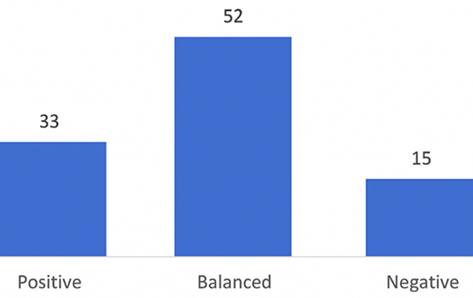
Figure-1: Distribution of Knowledge Scores on Cardiovascular Disease Awareness

The majority of participants scored in the "Good" (37.00%) and "Fair" (32.00%) categories, reflecting moderate awareness of cardiovascular diseases. Only 21.00% achieved comprehensive knowledge ("Very Good"), while 10.00% scored poorly, underscoring the need for targeted health education initiatives in Shimla district.
This study provides a comprehensive evaluation of public awareness and knowledge of cardiovascular disease (CVD) risk factors, symptoms, and management strategies among residents of Shimla district. The findings highlight a mix of foundational understanding and critical gaps, underscoring the urgent need for targeted public health interventions to improve CVD prevention and management. By identifying socio-demographic patterns in awareness and knowledge levels, this research offers actionable insights for designing community-specific health promotion initiatives.
The socio-demographic profile of participants revealed several key factors influencing cardiovascular health knowledge. A balanced gender distribution (49.25% male, 50.75% female) indicates that CVD awareness campaigns must equally target both men and women. The majority of participants belonged to the working-age groups of 26–35 (33.00%) and 36–45 (27.50%), highlighting the importance of engaging these age groups in awareness and prevention strategies. Younger adults (18–25) showed relatively limited knowledge, suggesting an opportunity for early preventive education in schools, colleges, and workplaces.
Educational attainment was a significant determinant of awareness, with participants holding undergraduate (35.50%) and postgraduate degrees (11.00%) demonstrating better understanding of risk factors and preventive measures. Conversely, those with no formal education (5.00%) or only primary schooling (17.00%) showed limited awareness, emphasizing the need for tailored educational programs targeting less-educated populations. Rural residents, comprising 59.00% of the sample, exhibited lower awareness compared to their urban counterparts, reflecting disparities in healthcare access, literacy, and information dissemination. These findings reinforce the importance of addressing rural-urban gaps through community-based outreach and leveraging local healthcare infrastructure.[7,8]
While awareness of certain risk factors was encouraging, significant gaps remain in recognizing key contributors to cardiovascular diseases. Smoking (65.00%) and hypertension (57.00%) were the most commonly identified risk factors, reflecting partial success of public health campaigns targeting these modifiable behaviors. However, knowledge of other critical risk factors, such as obesity (49.50%) and diabetes (51.00%), was relatively limited. These findings suggest a need to expand the scope of educational efforts to encompass a broader range of CVD risk factors.[8,9]
Recognition of symptoms also revealed areas for improvement. Although 53.50% of participants identified chest pain as a warning sign of a heart attack, fewer were aware of other common symptoms, such as shortness of breath, fatigue, or nausea. Limited symptom recognition delays timely medical intervention, increasing the risk of complications and mortality. Public health campaigns emphasizing symptom recognition should adopt strategies like mass media campaigns, community workshops, and integration of health education into existing healthcare services.[10-12]
The study highlights encouraging awareness of preventive measures, with 62.00% identifying blood pressure control and 59.00% recognizing the role of physical activity in reducing CVD risk. However, understanding of regular health check-ups and cholesterol screening was limited, with only 44.50% and 48.00% of participants, respectively, acknowledging their importance. This gap underscores the need to promote routine health screenings as essential components of cardiovascular health management, particularly in rural and underserved populations.[11,13]
Health-seeking behavior remains a critical area for intervention. Many participants were unaware of evidence-based management strategies, including the role of cholesterol monitoring, medication adherence, and early intervention for at-risk individuals. Furthermore, misconceptions about the frequency of health check-ups and reliance on symptomatic treatment rather than preventive care were common. These findings suggest a need to demystify preventive healthcare and integrate CVD education into routine primary care services.
The distribution of knowledge scores revealed that only 21.00% of participants demonstrated comprehensive understanding of CVD risk factors and management, scoring in the "Very Good" category. The majority scored "Good" (37.00%) or "Fair" (32.00%), reflecting moderate awareness levels, while 10.00% scored poorly. These findings underscore the importance of bridging knowledge gaps through targeted interventions that prioritize underserved groups, particularly rural residents and individuals with lower educational attainment.
Public health strategies must focus on improving the depth and breadth of knowledge related to CVD prevention and management. By addressing specific knowledge gaps, such as the importance of early detection, lifestyle modifications, and medication adherence, health campaigns can foster informed decision-making and proactive health-seeking behaviors.[14,15]
The findings of this study have significant implications for public health strategies in Shimla district. First, symptom recognition and health-seeking behavior must be prioritized through educational campaigns that emphasize the importance of timely medical intervention. Mass awareness initiatives using the "Know Your Numbers" campaign for blood pressure and cholesterol screening could significantly improve early detection and management of CVD risk factors.
Second, rural populations and less-educated groups should be targeted with tailored outreach programs that leverage community leaders, schools, and healthcare workers. Simplified educational materials, including posters, pamphlets, and audio-visual aids, can help bridge literacy gaps and ensure that health messages reach a broader audience. Additionally, integrating CVD education into existing healthcare programs, such as hypertension and diabetes management, could amplify the reach and impact of these initiatives.
Third, the promotion of regular health check-ups and routine cholesterol screening must be integrated into primary healthcare services, with an emphasis on accessibility and affordability. Partnerships between government health departments and local healthcare providers could improve access to preventive care, particularly in rural areas.
Strengths and Limitations
The strengths of this study include its representative sample, capturing diverse populations across urban and rural Shimla, and its structured approach to evaluating awareness comprehensively. However, reliance on online data collection methods may have excluded individuals without internet access, potentially underrepresenting older and rural populations. Future research should incorporate in-person surveys and qualitative methods, such as focus group discussions, to gain deeper insights into the cultural and social factors influencing CVD awareness and behavior.
This study provides critical insights into public awareness of cardiovascular disease risk factors, symptoms, and management strategies in Shimla district. While foundational knowledge exists, significant gaps remain, particularly in rural and less-educated populations. By addressing these gaps through targeted, community-based interventions and promoting routine preventive care, public health initiatives can significantly reduce the burden of CVDs, ultimately improving health outcomes and quality of life in the region.
The authors declare that they have no conflict of interest
No funding sources
The study was approved by theJawaharlal Nehru Medical College, Aligarh Muslim University(AMU).
World Health Organization. "Cardiovascular Diseases [Internet]." Available from: https://www.who.int/health-topics/cardiovascular-diseases. Accessed on: 16 Nov 2024.
World Health Organization. "Cardiovascular Diseases (CVDs) Fact Sheet [Internet]." Available from: https://www.who.int/news-room/fact-sheets/detail/cardiovascular-diseases-(cvds). Accessed on: 16 Nov 2024.
Roth et al. "Global Burden of Cardiovascular Diseases and Risk Factors, 1990-2019: Update from the GBD 2019 Study." Journal of the American College of Cardiology 76.25 (2020), pp. 2982-3021. DOI: https://doi.org/10.1016/j.jacc.2020.09.587.
Rippe, JM. "Lifestyle Strategies for Risk Factor Reduction, Prevention, and Treatment of Cardiovascular Disease." American Journal of Lifestyle Medicine 13.2 (2018), pp. 204-212. DOI: https://doi.org/10.1177/1559827617736710.
Aminde et al. "Population Awareness of Cardiovascular Disease and Its Risk Factors in Buea, Cameroon." BMC Public Health 17 (2017), p. 545. DOI: https://doi.org/10.1186/s12889-017-4413-1.
Alshakarah et al. "Awareness and Knowledge of Cardiovascular Diseases and Its Risk Factors Among Women of Reproductive Age: A Scoping Review." Cureus 15.12 (2023), e49839. DOI: https://doi.org/10.7759/cureus.49839.
Bashatah et al. "Knowledge of Cardiovascular Disease Risk Factors and Its Primary Prevention Practices Among the Saudi Public: A Questionnaire-Based Cross-Sectional Study." International Journal of General Medicine 16 (2023), pp. 4745-4756. DOI: https://doi.org/10.2147/IJGM.S409528.
Muhihi et al. "Public Knowledge of Risk Factors and Warning Signs for Cardiovascular Disease Among Young and Middle-Aged Adults in Rural Tanzania." BMC Public Health 20 (2020), p. 1832. DOI: https://doi.org/10.1186/s12889-020-09558-w.
Ghamri. "Knowledge of Cardiovascular Diseases and Associated Risk Factors in the General Adult Population of Jeddah, Saudi Arabia: A Cross-Sectional Study Examining Gender Disparities." Medicine (Baltimore) 103.24 (2024), e38566. DOI: https://doi.org/10.1097/MD.0000000000038566.
Aminde et al. "Population Awareness of Cardiovascular Disease and Its Risk Factors in Buea, Cameroon." BMC Public Health 17 (2017), p. 545. DOI: https://doi.org/10.1186/s12889-017-4413-1.
Bischops et al. "A Cross-Sectional Study of Cardiovascular Disease Risk Clustering at Different Socio-Geographic Levels in India." Nature Communications 11 (2020), p. 5891. DOI: https://doi.org/10.1038/s41467-020-19750-7.
Awad and Al-Nafisi. "Public Knowledge of Cardiovascular Disease and Its Risk Factors in Kuwait: A Cross-Sectional Survey." BMC Public Health 14 (2014), p. 1131. DOI: https://doi.org/10.1186/1471-2458-14-1131.
Gupta et al. "Regional Variations in Cardiovascular Risk Factors in India: India Heart Watch." World Journal of Cardiology 4.4 (2012), pp. 112-120. DOI: https://doi.org/10.4330/wjc.v4.i4.112.
Guleria et al. "Heart Alert: Assessing Public Awareness and Knowledge of Heart Attack Symptoms and Risk Factors in Himachal Pradesh." Scientific Research Journal of Medical Sciences 3.2 (2023), pp. 1-6.
Garima et al. "Heartbeat of Kangra: Unveiling Public Awareness and Understanding of Myocardial Infarction Symptoms and Risk Factors." Research Article 4.2 (2023), pp. 1-5.