Contents
Download PDF
pdf Download XML
313 Views
7 Downloads
Share this article
Review Article | Volume 4 Issue 2 (July- Dec, 2024) | Pages 1 - 10
Risk Factors Associated with Alzheimer Disease and Role of Diagnostic Citeria in Alzheimer Disease
 ,
1
Research Scholar, IGMC, Shimla. Himachal Pradesh. India
2
Prof & Head, Department of Neurology, IGMC, Shimla. India
Under a Creative Commons license
Open Access
Received
July 5, 2024
Revised
Aug. 20, 2024
Accepted
Aug. 30, 2024
Published
Sept. 8, 2024
Abstract

The most common form of dementia is Alzheimer's disease (AD), which has a significant economical impact because there is currently no proven cure. Apart from heredity and contextual variables. The metabolic syndrome, which is characterized Age, insulin resistance, chromosomal abnormalities, obesity, smoking, depression, hypertension, hearing loss, alcohol & stress. Additional risk factors for AD pathology include head injuries and Down syndrome are strongly linked to AD.Obesity, diabetes, and hypertension are very common conditions that might hasten neurodegeneration and increase the burden of AD. Insulin resistance and enzymes, such as those that degrade insulin, are linked to AD, where the breakdown of insulin takes precedence over amyloid-β.Among these risk factors, there has been extensive research on the relationship between AD and these risk factors. Thus, the issue still stands: Are we getting closer to a solution? Numerous genetic and environmental risk factors, as well as a range of clinical manifestations, highlight the complexity of AD and imply that it is more like a syndrome than a standard disease, with its pathological manifestation indicating the convergence of pathogenic pathways. The purpose of this review paper is to examine the major risk factors associated with Alzheimer and dementia or data supporting biomarkers and diagnostic criteria in Alzheimer disease.

Keywords
INTRODUCTION

An increasing amount of research indicates that Alzheimer's disease (AD) is significantly influenced by multiple risk factors., Age, insulin resistance, chromosomal abnormalities, obesity, smoking, depression, hypertension, hearing loss, alcohol & stress. Additional risk factors for AD pathology include head injuries and Down syndrome and enzymes, such as those that break down insulin, are linked to AD, where insulin breakdown takes precedence over amyloid-β degradation.[1]


Genetic mutations and susceptibility-affecting polymorphisms are risk factors for AD pathogenesis. In addition to the well-known mutations on chromosomes 1, 14, and 21, at least 24 additional genes or genetic loci have been linked to AD. The risk variables linked to the clinical manifestation of Alzheimer's disease are essentially different from those that predict neuropathology. Inflammation [2]


Apoprotein E-e4 (APOE-e4) allele has been demonstrated in some studies to alter the impact of head injury on AD. Ab has been seen to collect in the brains of approximately 30% of patients who pass away following a single incidence of severe head trauma, and the APOE-e4 allele is more common in these people.[3] Regarding early-life risk factors for AD, it is still unknown if a head injury received as a kid carries a higher or lower risk than one acquired as an adult.[4]

AGE

The most prevalent risk factor for AD, which also has a significant hereditary component, is age. The highest genetic risk factor for late-onset Alzheimer's disease (AD), which is the most prevalent type of the illness, is the apolipoprotein E ε4 (APOE ε4) allele. APOE ε4 influences Aβ deposition and clearance and intensifies τ hyperphosphorylation.[5]


Although it is well recognised that age is important risk factors for AD, have a significant impact on the brain's epigenetic profiles, little research has been done on how these factors relate to the DNA alterations linked to AD.  Pellegrini C et al. examined DNAm datasets of four brain regions—temporal, frontal, entorhinal cortex, and cerebellum—that were made publically available for this study.[6]


Vascular-based neurodegenerative disorders like AD are largely influenced by age-related variables. Generally speaking, ageing can cause alterations in the immune system's reactions as well as brain inflammation. The brain's inflammatory mediators and chronic inflammation are major contributors to the blood-brain barrier's malfunction.Vinod kumar et al.talked about how the deterioration of the blood-brain barrier and the emergence of AD are related to ageing. The significance of several chemicals, including those with anti-aging qualities and others that can support blood-brain barrier integrity maintenance in the prevention of AD, was also covered. This review establishes a robust relationship between aging-related variables, BBB deterioration, and AD.[7]

OBESITY

Numerous studies show that being overweight or obese in middle age raises the risk of developing AD.Body mass index  is a measure of obesity and is linked to an energy imbalance brought on by a high calorie intake or poor energy expenditure. According to a recent study from the English Longitudinal Study of Ageing, obese people had a 31% higher risk of acquiring dementia.[8]


Systemic IR is associated with obesity and is brought on by the pancreatic β cells' excessive release of insulin. Being an active endocrine organ, adipose tissue produces proinflammatory


fat increase the levels of adipokines and cytokines, which leads to a low-grade inflammatory milieu throughout the body. 


These consist of IL-6, TNF-α, adiponectin, and leptin. Recent research has demonstrated that APP is elevated in obese adipocytes, and that the expression of APP in adipocytes is correlated with adipocyte cytokine levels.[9]


Flores-Cordero JA et al. discussed  leptin resistance is often linked to obesity, which is a chronic low-grade inflammatory state and is thought to be a risk factor for AD, they talked about various leptin resistance pathways that might be involved in raising the chance of developing AD. SOCS3(suppressor of cytokine signalling type 3), PTP1B(protein tyrosine phosphatase type 1B) and TCPTP are important agents of leptin resistance; their signalling is associated with inflammation and may exacerbate in AD. Nonetheless, several findings are debatable, therefore further research is required to determine the fundamental mechanisms of the pathogenic processes that cause AD and how altered leptin signalling impacts them.[10]


Overall, discovered that a third of cases of ADRD were linked to a combination of the eight modifiable risk factors—physical inactivity, depression, smoking, low education, diabetes, hearing loss, midlife obesity, and midlife hypertension—that were assessed in this study. Conversely, midlife obesity, physical inactivity, and low education were the modifiable risk factors linked in the current study to the greatest percentage of ADRD(Alzheimer's Disease Related Dementia ) in the US. This study also discovered that, in comparison to Asian and White individuals, the proportion of ADRDs linked to these eight modifiable risk factors was comparatively higher in Black, Hispanic, and American Indian and Alaska Native individuals as well as in men vs women.[11]


Even if the exact mechanisms of AD are still unknown, it is clear that the disease develops over time as a result of a number of important brain events. There is strong evidence connecting obesity to AD, particularly in middle age and in younger persons.[12]The relationship between ageing, fat, and dementia poses a serious risk to public health, especially in light of the growing number of sedentary lifestyles. A diet similar to that of the west, high in starch, fat, sugar, and oil, and low in energy expenditure, is preferred. Obesity is the result of this "double whammy," which causes an imbalance between caloric intake and expenditure. [13]


Tabassum S et al.explained  that current AD research programmers should place greater attention on the brain's mitochondria's role in early pathophysiology. They think that obesity and ageing together play a major role in AD pathogenesis based on what is known about the natural history of obesity and this study of the available data.[14]


This study written that Obesity in middle age has been associated with an increased risk of dementia in later life in numerous epidemiological studies. An American 27-year prospective study assessed the connection between middle-aged obesity, body mass index (BMI), and the risk of dementia in later life. existence. Obesity in middle age raises the chance of AD. Risk of overweight people increased by 35% [15]


Alcohol and smoking as a risk factor 

Data on the epidemiology of alcohol-related dementia published between 1991 and 2016 were compiled by another systematic study. According to four studies, alcohol-related dementia accounted for almost 10% of dementia in a cohort with early onset dementia, but only 1.28% of dementia in a cohort with late onset dementia.[16]


Additional extensive cohort research comprising 31,624,156 patients hospitalised to French hospitals between 2008 and 2013 discovered a strong correlation between dementia and alcohol use problems. Among those with dementia diagnoses, 1,109,343 had early-onset dementia (5.2%). 38.9% of the early-onset dementias had a connection to drinking.[17]


Prior traditional epidemiological research revealed a J-shaped correlation between alcohol use and dementia, however this finding was tainted by a number of factors. Thus, our goal was to look at any possible linear or non-linear causal relationship between alcohol use and current drinkers' incident risk of dementia. We evaluated data from middle-aged and older current drinkers of White British heritage in the UK Biobank and a meta-GWAS of 0·9 million individuals using both linear and non-linear Mendelian randomization (MR). Drinking habits were self-reported. Cases of dementia were found in medical recordsAn average of 13·6 units of alcohol were drank weekly by 313,958 current drinkers (men consumed 20·2 units and women 9·5 units). Over a mean follow-up of thirteen and a half years, 5,394 (13.7%) experienced dementia.[18]


Smoking's precise mechanism is frequently understood from a toxicological standpoint, and it is a substantial modifiable risk factor for the advancement of AD. On the other hand, AD is also caused by microbial infections, and the development of AD is significantly influenced by the oral microbiota. Specifically, smoking modifies the pathogenicity and ecological makeup of the oral microbiota.[19]


Cardiovascular disease

It was found that increased ADRD death rates were connected with rising cardiovascular disease prevalence across all clusters. This relationship has a major advantage in that it raises the possibility of preventing ADRD with appropriate management and treatment of cardiovascular disease and its risk factors. Tobacco usage and cardiovascular illness have both been linked to higher overall death rates associated with ADRD.[20]


ertain hemostatic elements. The majority of the cardiovascular risk factors linked to AD are age-dependent, and AD is more common as people age. Thus, the correlation might be merely explained by aging.There is currently a substantial body of research on the link between conventional cardiovascular risk factors and Alzheimer's disease (AD).[21]


This study explained the significant association between incident AD and individual clinically identified cardiovascular risk factors. By adjusting the risk factor measuring parameters and finding the interactions between the factors, it is possible to significantly impact the strength of the connection between AD and cardiovascular risk factors. [22]


Regardless of other cardiovascular risk factors, midlife hypertension has a deleterious effect on cognitive function in both men and women and increases the chance of dementia in later life. This correlation was also observed in the Framingham cohort, and it was considerably more pronounced in people with untreated hypertension. [23]


Furthermore, hypertension produces brain micro infarcts, lacunar infarcts, macro bleedings, and microbleedings, as shown by the changes discovered in hypertensive stroke patients. [24]


Lastly, studies on animals have demonstrated that disruption of the blood-brain barrier results from hypertension. [25]


Above all, antihypertensive medications appear to have the potential to lower the incidence of dementia.[26] Regarding the correlation between gender variations and cardiovascular risk factors for AD, women with these risk factors appear to be more susceptible to AD than men, even though a diagnosis of hypertension, high cholesterol, or diabetes has been linked to an increased risk of both AD and CVD in both sexes [27]. On the other hand, male sex is more susceptible to smoking, coronary atherosclerotic disease, and brain damage resulting in unconsciousness.[28]

DEPRESSION

In AD, depressive symptoms are prevalent and affect 20–30% of individuals.[29] About 300 million individuals worldwide suffer from depression, a significant medical disorder that can worsen pre-existing conditions and increase functional incapacity [29,30]. Clinical data points to a connection between AD and depression. According to certain research, depressed symptoms appear as soon as AD manifests itself, not before.[31]In terms of the relationship between depression and AD risk, we discovered a substantial positive effect size for clinical depression measures but not for symptomatic rating scales. The cut-off criteria chosen and the kind of rating scale employed to measure depression also influenced the degree to which depression and AD risk were correlated. Research using clinically meaningful criteria for depression diagnosis produced more consistent and meaningful findings than research using symptomatic measures.[32]


Recently it has been reported an instance of early-onset Alzheimer's disease that was monitored for up to nine years, with depression as the initial symptom. The possible pathophysiology of depression and. In order to better detect and intervene early in AD, it is intended to bring patients with atypical and early-onset AD to the attention of doctors. as well as to identify possible novel targets for the pharmaceutical therapy of both conditions, which will be crucial for the future management of AD and depression.[33]


Diabetic

Diabetes and hypertension are two vascular risk factors that are strongly associated with the development of dementia. Only a portion of the pathogenic processes through which increased vascular burden encourages dementia development are understood, though. The idea that vascular risk factors exacerbate cerebrovascular illness is one that has been comparatively well-studied.[34]


Few study explained type 2 Diabetes Mellituspatients are more vulnerable to the onset and course of AD due to elevated circulating levels of Human Islet Amyloid Polypeptide. By preventing the development and deposition, dipeptidyl peptidase 4 (DPP4) inhibitors and glucagon-like peptide-1 (GLP-1) agonists reduce AD in type 2 diabetes.[35]. Recently it has been reported that logistic that dementia risk was increased by type 2 diabetes and depression. Finally, our findings pointed to a common pathogenesis among AD, T2DM, and MDD(major depressive disorder) These shared pathways may provide new ideas for additional mechanistic studies and hub genes that may serve as innovative therapeutic targets for the diagnosis and treatment of [36] 


It has been reported in middle east a potential connection between insulin signaling and ApoE carrier status and Aβ aggregation, tau hyperphosphorylation, inflammation, oxidative stress, and mitochondrial dysfunction in AD is discussed, along with the prevalence of AD and DM in the Middle East.[37]


According to a clinical investigation, individuals with T2DM are 65% more likely than those with normal blood sugar to acquire AD. Research has demonstrated that structural alterations in the central nervous system (CNS), brain atrophy, hippocampus shrinkage, altered nerve tissue electrical properties, decreased hippocampus neurogenesis, and decreased neuroprogenitor cell differentiation and proliferation all contribute to diabetes-related cognitive dysfunction.[38]


RISK FACTORS OF ALZHEIMER DISEASE

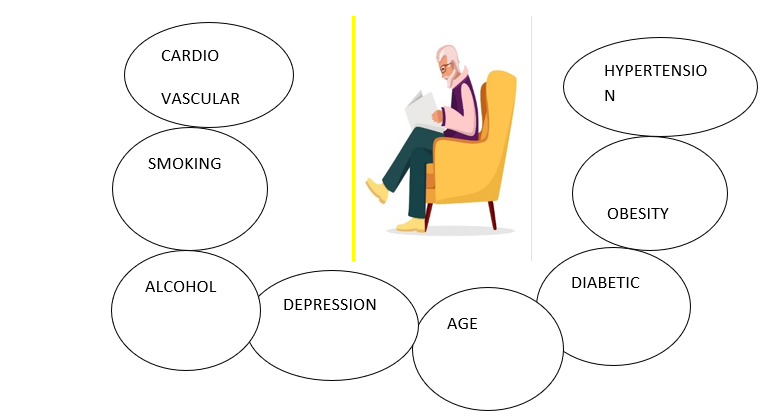
Figure :1. This picture depicts major risk factors associated with dementia and AD


Table 1. An overview of the modifiable risk factors associated with Alzheimer's disease.

Factors

Association with AD

Citation

Age

ageing can cause alterations in the immune system's reactions as well as brain inflammation.

Nelson,etal. 2024 

Obesity

obese people had a 31% higher risk of acquiring dementia

Ma Y et al.2020 

Alcohol

38.9% of the early-onset dementias had a connection to drinking.[

Schwarzinger M, et al. 2018

Smoking

smoking modifies the pathogenicity and ecological makeup of the oral microbiota

Liang R et al. 2024

Cardio vascular

Tobacco usage and cardiovascular illness have both been linked to higher overall death rates associated with ADRD.

Mobaderi T et al. 2024

Depression

In AD, depressive symptoms are prevalent and affect 20–30% of individuals

WorldHealth Organization,2017

Diabetic

 65% more likely than those with normal blood sugar to acquire AD

Ebrahimpour S et al.2020


A focus on Diagnostic criteria 

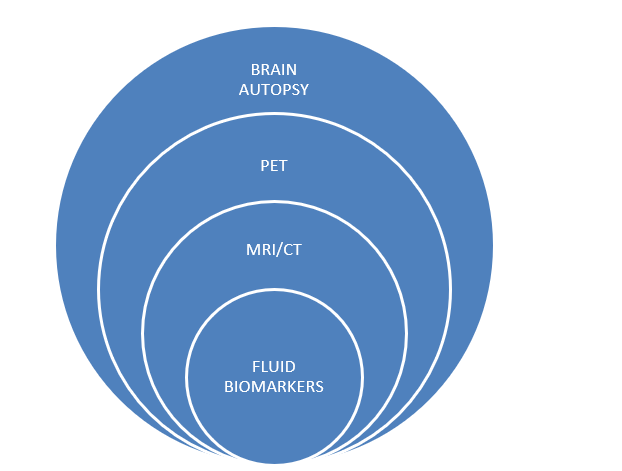
When AD is suspected, a patient should have a number of tests performed, such as a neurological examination, autopsy ,neuronal magnetic resonance imaging (MRI), laboratory testing such as vitamin B12, VIT D and other tests not related to the patient's family history or medical history [ 39 ] According to several research, vitamin B12 insufficiency has long been linked to neurologic issues and elevated risks of AD. Elevated homocysteine levels are a unique indicator of vitamin B12 deficiency and can lead to brain damage through oxidative stress, increased calcium influx, and apoptosis. Serum vitamin B12 levels, complete blood counts, and serum homocysteine levels can all be measured to diagnose vitamin B12 deficiency.[ 40 ]


A brain autopsy is the only way to diagnose AD with certainty. In ninety percent of cases, however, mental and behavioral testing along with physical checks enable doctors to accurately diagnose AD[41]


The distinctive plaques and tangles associated with AD can also be identified with the use of these images. The form and volume of the brain can be determined using structural imaging scans, such as computed tomography (CT) and magnetic resonance imaging (MRI). A doctor can assess the efficiency of brain cell function via functional imaging. A PET scan or a functional magnetic resonance imaging (MRI) may be utilized.[42 ]


Alzheimer's disease is a neurological condition that affects cognition, function, and behaviour. It is gradual and irreversible. From preclinical illness to mild cognitive and/or behavioural impairment to Alzheimer's disease dementia, the disease advances along a continuum. Physicians have now been urged to detect Alzheimer's disease early, before individuals have developed dementia caused by the condition. The screening, diagnosis, and ongoing care of individuals with Alzheimer's disease depend critically on doctors' ability to identify the illness's underlying pathology as well as symptoms early and accurately. Additionally, it gives patients and their carers the ability to make wise lifestyle decisions that may prolong their quality of life.[43] The Alzheimer's Association and the US National Institute on Ageing have provided diagnostic criteria for Alzheimer's disease (AD) that include the entire disease staging process and more precisely characterise clinical traits and incorporate biomarkers[44] According to Bruno Dubois, volumetric MRI and fluorodeoxyglucose PET are examples of downstream topographical biomarkers of the disease that may be more useful for measuring and tracking the progression of the condition. The precise diagnostic standards for atypical types of AD, mixed AD, and preclinical stages of AD .[45]

BIOMARKERS

"Biological marker" is the abbreviation for "biomarker." It was first described as a material or molecule that could be found or analyzed in biological fluids or tissues and that would reflect a physiological or pathological process going on in the body. But more broadly.There are several definitions, and traits found during imaging as well as objective medical indicators seen during a physical examination could both be biomarkers.In AD, biomarkers serve as stand-ins for pathophysiological abnormalities. The main neuropathologic hallmarks of AD  are neurofibrillary tangle (NFT) and senile plaque (SP), despite the complexity of the molecular pathogenesis of AD[46]. Because of overproduction, poor clearance, or both, disruptions in the cerebral homeostasis of soluble amyloid-beta (Aβ) can lead to aggregation (especially of the Aβ42 isoform) into insoluble, toxic species that are deposited extracellularly in the cerebral cortex and form SPs. NFTs are formed when intraneuronal microtubules are destabilised by tau protein hyperphosphorylation and other changes.[47] At the Key Symposium in Stockholm, Sweden, on December 6 and 7, 2012, a global group of scientists with expertise in the clinical diagnosis of AD convened to create guidelines for standardising these criteria. The group was directed by those who played a key role in the creation of the NIA-AA and IWG standards. There was an open conversation about how to reconcile the differences and produce a harmonised set of criteria once the similarities and differences between the two sets of criteria were noted.[48]


Determining thresholds of positivity with confidence is necessary in the event of a biological diagnosis of Alzheimer's disease connected to positive biomarkers; any alteration to these thresholds would have a significant impact on the diagnosis and the illness's phases. Regarding a particular biomarker, the precise division of patients into positive and negative groups is a little artificial and varies throughout sites and research.[49] A multi-stage diagnosis method could also benefit greatly from the detection of blood-based biomarkers as the initial step. Primary care centers should perform screening to find people who might need a second opinion from a specialist, such as a CSF diagnostic study.[50]


CSF and blood are examples of fluid indicators used in clinical Alzheimer's disease diagnosis. 
Because the CSF and the brain's extracellular spaces are directly in contact, the CSF reflects changes in the metabolism of certain proteins found in the brain, such as tau and Aβ. Therefore, the main biomarkers utilized to diagnose AD are Aβ42, t-Tau, and p-Tau.[51]


Recent research has shown that plasma biomarkers, which are readily available and reasonably priced, are linked to tau pathology, neurodegeneration, brain Aβ burden, and the risk of dementia developing clinically. Using a cross-sectional and longitudinal approach, Shen et al. examined 183 ADNI patients (CN = 97; MCI = 97).[52]


The temporal evolution of ATN biomarkers among 2609 cognitively normal young to elderly people at elevated risk for AD has been published more recently by Luo et al. (2022) . [53]

Figure2: diagnostic criteria of Alzheimer Disease
 

Method 

PubMed and Google Scholar search was performed from 2018 to 2024 to find relevant research assessing the relevance of risk factors for Alzheimer's disease.

DISCUSSION

The purpose of this literature study was to evaluate the risk variables linked to AD. Few research concentrated on diagnostic standards. After analyzing these research, two hypotheses that outline potential AD diagnostic standards might be identified. We talk about these two theories below. The primary diagnostic standard for AD is autopsy.


Role of autopsy & biopsy

For the diagnosis of AD and dementia, the autopsy is regarded as the gold standard. The following brain regions have been found to have tissue lesions: inferior parietal lobule, left parahippocampal gyrus, left hippocampus, right caudate nucleus, right putamen and globuspallidus, right middle frontal gyrus, and right cingulate gyrus.[54]


Role of biomarkers 

AD indicators have been measured in both serum and plasma. Research contrasting the levels of AD biomarkers in plasma and serum has revealed that certain analytes, This makes serum biomarker measurement more difficult, particularly for those whose biomarker levels are at the lower detection limit. Serum might be a preferable option for research assessing the blood-brain barrier's integrity. Furthermore, the Mayo Clinic 2023 Test Catalog states that serum is increasingly frequently employed in hospital systems and that more clinical tests use serum as the specimen rather than plasma. However, a lot of research cohorts gather plasma rather than serum. In clinics, heparin, citrate, and ethylenediaminetetraacetic acid (EDTA) are the anticoagulants most frequently used for plasma collection [55]. In AD biomarker studies, EDTA is the most widely used [26]. Citrate plasma may have reduced levels of a number of indicators, according to many studies.

CONCLUSION

Important questions are still unsolved. For instance, what lifestyle changes would need to be made, when they would need to be made, and for how long in order to address any of these risk factors. The majority of research on modifiable risk variables comes from observational studies, which have limited generalizability due to the possibility of several unmeasured confounders. Similarly, using observational data to infer reverse causation presents a problem because individuals who are becoming cognitively impaired may also experience an increase in the frequency of social isolation, sadness, and physical inactivity.Lastly, observational studies have revealed that, despite being a risk factor for dementia in middle age, cardiovascular comorbidity in the oldest elderly is no longer linked to incident dementia.


Future research should concentrate on identifying solutions that are durable and effective in many geographic, economic, and cultural contexts. ADRD modifiable risk factors have the potential to significantly improve the quality of life for older people and their families both now and in the future, which could have a profound impact on society. This is especially true if they can truly alter the incidence of dementia.

AKNOWLEDGEMENTS

Each author wrote and reviewed the text in addition to conceptualizing and designing the review and doing pertinent material research. The final version approved for publication by all writers.

REFERENCE
  1. Patel, Vishal, and Peter Edison. "Cardiometabolic Risk Factors and Neurodegeneration: A Review of the Mechanisms Underlying Diabetes, Obesity and Hypertension in Alzheimer’s Disease." Journal of Neurology, Neurosurgery & Psychiatry, vol. 95, no. 1, 2024, pp. 19-28. doi:10.1136/jnnp-2023-329387.

  2. Borenstein, A. R., Copenhaver, C. I., and J. A. Mortimer. "Early-Life Risk Factors for Alzheimer Disease." Alzheimer Disease & Associated Disorders, vol. 20, no. 1, 2006, pp. 63-72. doi:10.1097/01.wad.0000182044.34824.64.

  3. Jordan, Bruce D., et al. "Apolipoprotein E∈ 4 Associated with Chronic Traumatic Brain Injury in Boxing." JAMA, vol. 278, no. 2, 1997, pp. 136-140. doi:10.1001/jama.1997.03550020044036.

  4. Graham, D. I., et al. "Is There a Genetic Basis for the Deposition of β-Amyloid After Fatal Head Injury?" Cellular and Molecular Neurobiology, vol. 19, 1999, pp. 19-30. doi:10.1023/A:1026298329696.

  5. Wolfe, Christina M., et al. "The Role of APOE and TREM2 in Alzheimer’s Disease—Current Understanding and Perspectives." International Journal of Molecular Sciences, vol. 20, no. 1, 2018, p. 81. doi:10.3390/ijms20010081.

  6. Pellegrini, C., et al. "A Meta-Analysis of Brain DNA Methylation Across Sex, Age, and Alzheimer's Disease Points for Accelerated Epigenetic Aging in Neurodegeneration." Frontiers in Aging Neuroscience, vol. 13, 2021, p. 639428. doi:10.3389/fnagi.2021.639428.

  7. Jha, N. K., et al. "Unveiling the Impact of Aging on BBB and Alzheimer's Disease: Factors and Therapeutic Implications." Ageing Research Reviews, vol. 102224, 2024. doi:10.1016/j.arr.2024.102224.

  8. Ma, Y., et al. "Higher Risk of Dementia in English Older Individuals Who Are Overweight or Obese." International Journal of Epidemiology, vol. 49, no. 4, 2020, pp. 1353-1365. doi:10.1093/ije/dyaa103.

  9. Forny-Germano, L., et al. "The Role of Leptin and Adiponectin in Obesity-Associated Cognitive Decline and Alzheimer’s Disease." Frontiers in Neuroscience, vol. 12, 2019, p. 430286. doi:10.3389/fnins.2018.430286.

  10. Flores-Cordero, J. A., et al. "Obesity as a Risk Factor for Dementia and Alzheimer’s Disease: The Role of Leptin." International Journal of Molecular Sciences, vol. 23, no. 9, 2022, p. 5202. doi:10.3390/ijms23095202.

  11. Nianogo, R. A., et al. "Risk Factors Associated with Alzheimer Disease and Related Dementias by Sex and Race and Ethnicity in the US." JAMA Neurology, vol. 79, no. 6, 2022, pp. 584-591. doi:10.1001/jamaneurol.2022.0636.

  12. Gómez-Crisóstomo, N. P., et al. "Bax Induces Cytochrome C Release by Multiple Mechanisms in Mitochondria from MCF7 Cells." Journal of Bioenergetics and Biomembranes, vol. 45, 2013, pp. 441-448. doi:10.1007/s10863-013-9464-8.

  13. Diaz, B., et al. "Saturated Lipids Decrease Mitofusin 2 Leading to Endoplasmic Reticulum Stress Activation and Insulin Resistance in Hypothalamic Cells." Brain Research, vol. 1627, 2015, pp. 80-89. doi:10.1016/j.brainres.2015.10.009.

  14. Tabassum, S., Misrani, A., and L. Yang. "Exploiting Common Aspects of Obesity and Alzheimer’s Disease." Frontiers in Human Neuroscience, vol. 14, 2020, p. 602360. doi:10.3389/fnhum.2020.602360.

  15. Trepson, W. L. "Risk Factors for Alzheimer’s Disease." Scientific Insight, vol. 32, no. 2, 2020, pp. 125-132. doi:10.5281/zenodo.3704880.

  16. Ilomaki, J., et al. "Alcohol Consumption, Dementia and Cognitive Decline: An Overview of Systematic Reviews." Current Clinical Pharmacology, vol. 10, no. 3, 2015, pp. 204-212. doi:10.2174/157488471003150801.

  17. Schwarzinger, M., et al. "Contribution of Alcohol Use Disorders to the Burden of Dementia in France 2008–13: A Nationwide Retrospective Cohort Study." The Lancet Public Health, vol. 3, no. 3, 2018, pp. e139-e147. doi:10.1016/S2468-2667(17)30263-8.

  18. Zheng, L., et al. "Association Between Alcohol Consumption and Incidence of Dementia in Current Drinkers: Linear and Non-Linear Mendelian Randomization Analysis." SSRN. 2023, doi:10.2139/ssrn.4807171.

  19. Dai, X., et al. "Smoking Impacts Alzheimer’s Disease Progression Through Oral Microbiota Modulation." Molecular Neurobiology, vol. 61, no. 5, 2024, pp. 1-26. doi:10.1007/s12035-023-03131-7.

  20. Mobaderi, T., et al. "Exploring the Impacts of Risk Factors on Mortality Patterns of Global Alzheimer’s Disease and Related Dementias from 1990 to 2021." Scientific Reports, vol. 14, no. 1, 2024, p. 15583. doi:10.1038/s41598-024-05810-0.

  21. Rosendorff, C., Beeri, M. S., and J. M. Silverman. "Cardiovascular Risk Factors for Alzheimer's Disease." American Journal of Geriatric Cardiology, vol. 16, no. 3, 2007, pp. 143-149. doi:10.1111/j.1076-7460.2007.05507.x.

  22. Purnell, C., et al. "Cardiovascular Risk Factors and Incident Alzheimer Disease: A Systematic Review of the Literature." Alzheimer Disease & Associated Disorders, vol. 23, no. 1, 2009, pp. 1-10. doi:10.1097/WAD.0b013e31818e3c14.

  23. Iadecola, C. "Hypertension and Dementia." Hypertension, vol. 64, no. 1, 2014, pp. 3-5. doi:10.1161/HYPERTENSIONAHA.113.01818.

  24. Qiu, C., Winblad, B., and L. Fratiglioni. "The Age-Dependent Relation of Blood Pressure to Cognitive Function and Dementia." The Lancet Neurology, vol. 4, no. 8, 2005, pp. 487-499. doi:10.1016/S1474-4422(05)70157-5.

  25. Vodovar, N., et al. "Neprilysin, Cardiovascular, and Alzheimer's Diseases: The Therapeutic Split?" European Heart Journal, vol. 36, no. 15, 2015, pp. 902-905. doi:10.1093/eurheartj/ehv195.

  26. Wang, Y., et al. "Blood-Brain Barrier Disruption and Perivascular Beta-Amyloid Accumulation in the Brain of Aged Rats with Spontaneous Hypertension: Evaluation with Dynamic Contrast-Enhanced Magnetic Resonance Imaging." Korean Journal of Radiology, vol. 19, no. 3, 2018, pp. 498-507. doi:10.3348/kjr.2018.19.3.498.

  27. Podcasy, J. L., and C. N. Epperson. "Considering Sex and Gender in Alzheimer Disease and Other Dementias." Dialogues in Clinical Neuroscience, vol. 18, no. 4, 2016, pp. 437-446. doi:10.31887/DCNS.2016.18.4/jpodcasy.

  28. Tsuno, N., and A. Homma. "What is the Association Between Depression and Alzheimer’s Disease?" Expert Review of Neurotherapeutics, vol. 9, no. 11, 2009, pp. 1667-1676. doi:10.1586/ern.09.66.

  29. World Health Organization. Depression and Other Common Mental Disorders: Global Health Estimates. WHO, 2017. Available at: https://www.who.int/publications/i/item/depression-global-health-estimates.

  30. Drevets, W. C., and E. H. Rubin. "Psychotic Symptoms and the Longitudinal Course of Senile Dementia of the Alzheimer Type." Biological Psychiatry, vol. 25, no. 1, 1989, pp. 39-48. doi:10.1016/0006-3223(89)90168-8.

  31. Gatz, M., et al. "Do Depressive Symptoms Predict Alzheimer's Disease and Dementia?" The Journals of Gerontology: Series A, vol. 60, no. 6, 2005, pp. 744-747. doi:10.1093/gerona/60.6.744.

  32. Sáiz-Vázquez, O., et al. "Depression as a Risk Factor for Alzheimer’s Disease: A Systematic Review of Longitudinal Meta-Analyses." Journal of Clinical Medicine, vol. 10, no. 9, 2021, p. 1809. doi:10.3390/jcm10091809.

  33. Liu, M., et al. "Early-Onset Alzheimer’s Disease with Depression as the First Symptom: A Case Report with Literature Review." Frontiers in Psychiatry, vol. 14, 2023, p. 1192562. doi:10.3389/fpsyt.2023.1192562.

  34. van Arendonk, J., et al. "Diabetes and Hypertension are Related to Amyloid-Beta Burden in the Population-Based Rotterdam Study." Brain, vol. 146, no. 1, 2023, pp. 337-348. doi:10.1093/brain/awac275.

  35. Alrouji, M., et al. "The Potential Role of Human Islet Amyloid Polypeptide in Type 2 Diabetes Mellitus and Alzheimer’s Diseases." Diabetology & Metabolic Syndrome, vol. 15, no. 1, 2023, p. 101. doi:10.1186/s13098-023-00978-6.

  36. Zhang, Y., et al. "Shared Peripheral Blood Biomarkers for Alzheimer’s Disease, Major Depressive Disorder, and Type 2 Diabetes and Cognitive Risk Factor Analysis." Heliyon, vol. 9, no. 3, 2023. doi:10.1016/j.heliyon.2023.e14145.

  37. Jayaraj, R. L., et al. "Diabetes as a Risk Factor for Alzheimer’s Disease in the Middle East and Its Shared Pathological Mediators." Saudi Journal of Biological Sciences, vol. 27, no. 2, 2020, pp. 736-750. doi:10.1016/j.sjbs.2019.09.018.

  38. Ebrahimpour, S., et al. "Crosstalk Between Obesity, Diabetes, and Alzheimer’s Disease: Introducing Quercetin as an Effective Triple Herbal Medicine." Ageing Research Reviews, vol. 62, 2020, p. 101095. doi:10.1016/j.arr.2020.101095.

  39. Schachter, S. A., and K. L. Davis. "Alzheimer's Disease." Dialogues in Clinical Neuroscience, vol. 2, no. 2, 2000, pp. 91-100. doi:10.31887/DCNS.2000.2.2/schachter.

  40. Jatoi, S., et al. "Low Vitamin B12 Levels: An Underestimated Cause of Minimal Cognitive Impairment and Dementia." Cureus, vol. 12, no. 2, 2020. doi:10.7759/cureus.6831.

  41. Bethune, K. Diagnosis and Treatment of Alzheimer’s Disease: Current Challenges. Thesis, [Institution], [Year]. [URL if available]

  42. Pandya, S. K. Alzheimer Disease: Neuropsychology and Pharmacology. [Publisher], [Year]. [URL if available]

  43. Porsteinsson, A. P., et al. "Diagnosis of Early Alzheimer’s Disease: Clinical Practice in 2021." Journal of Prevention of Alzheimer’s Disease, vol. 8, 2021, pp. 371-386. doi:10.14283/jpad.2021.43.

  44. Dubois, B., et al. "Advancing Research Diagnostic Criteria for Alzheimer's Disease: The IWG-2 Criteria." The Lancet Neurology, vol. 13, no. 6, 2014, pp. 614-629. doi:10.1016/S1474-4422(14)70090-0.

  45. Dubois, B., et al. "Advancing Research Diagnostic Criteria for Alzheimer's Disease: The IWG-2 Criteria." The Lancet Neurology, vol. 13, no. 6, 2014, pp. 614-629. doi:10.1016/S1474-4422(14)70090-0.

  46. Holtzman, D. M., Morris, J. C., and A. M. Goate. "Alzheimer’s Disease: The Challenge of the Second Century." Science Translational Medicine, vol. 3, no. 77, 2011, p. 77sr1. doi:10.1126/scitranslmed.3001898.

  47. Clark, C. M., et al. "Cerebrospinal Fluid Tau and β-Amyloid: How Well Do These Biomarkers Reflect Autopsy-Confirmed Dementia Diagnoses?" Archives of Neurology, vol. 60, no. 12, 2003, pp. 1696-1702. doi:10.1001/archneur.60.12.1696.

  48. Morris, J. C., et al. "Harmonized Diagnostic Criteria for Alzheimer's Disease: Recommendations." Journal of Internal Medicine, vol. 275, no. 3, 2014, pp. 204-213. doi:10.1111/j.1365-2796.2012.02552.x.

  49. Braak, H., et al. "Stages of the Pathologic Process in Alzheimer Disease: Age Categories from 1 to 100 Years." Journal of Neuropathology & Experimental Neurology, vol. 70, no. 11, 2011, pp. 960-969. doi:10.1097/NEN.0b013e318230c1a3.

  50. O'Bryant, S. E., et al. "Blood-Based Biomarkers in Alzheimer Disease: Current State of the Science and a Novel Collaborative Paradigm for Advancing from Discovery to Clinic." Alzheimer's & Dementia, vol. 13, no. 1, 2017, pp. 45-58. doi:10.1002/alz.12343.

  51. Blennow, K. "CSF Biomarkers for Alzheimer’s Disease: Use in Early Diagnosis and Evaluation of Drug Treatment." Expert Review of Molecular Diagnostics, vol. 5, no. 5, 2005, pp. 661-672. doi:10.1586/14737159.5.5.661.

  52. Shen, X. N., et al. "Plasma Amyloid, Tau, and Neurodegeneration Biomarker Profiles Predict Alzheimer's Disease Pathology and Clinical Progression in Older Adults Without Dementia." Alzheimer's Dementia: Diagnosis, Assessment & Disease Monitoring, vol. 12, no. 1, 2020, e12104. doi:10.1002/dad2.12104.

  53. Luo, J., et al. "Accelerated Longitudinal Changes and Ordering of Alzheimer Disease Biomarkers Across the Adult Lifespan." Brain, vol. 145, no. 12, 2022, pp. 4459-4473. doi:10.1093/brain/awac345.

  54. Belkhelfa, M., et al. "Neuroinflammatory Responses Occur in Brain Lesions During Alzheimer’s Disease: Postmortem Case Report." Journal of Alzheimer's Disease, vol. 1, 2024. doi:10.3233/JAD-240296.

  55. Montero-Odasso, M., Ismail, Z., and G. Livingston. "One Third of Dementia Cases Can Be Prevented Within the Next 25 Years by Tackling Risk Factors: The Case 'For' and 'Against'." Alzheimer's Research & Therapy, vol. 12, 2020, p. 1-5. doi:10.1186/s13195-020-00621-2.
Recommended Articles
Research Article
Knowledge of the Patient's Family about the Level of Emergency Based on Triage with the Satisfaction of the Patient's Family in the Emergency Department of the Sumedang Area General Hospital
...
Published: 30/03/2024
Download PDF
Research Article
The Influence of Murottal Al Qur'an Surat Ar Rahman Irama Hijaz Therapy on the Pain Scale of Post-Explorative Laparatomy Patients in the Icu Room of Bandung City Hospital
...
Published: 30/03/2024
Download PDF
Research Article
The role of IFN-g gene polymorphism (+874 T/A) as predisposing factor for pulmonary tuberculosis
Download PDF
Research Article
Assessment of Knowledge on Common Pediatric Infections and Their Prevention Among Parents in Chamba, Himachal Pradesh
Published: 20/12/2024
Download PDF
Chat on WhatsApp
Flowbite Logo
PO Box 101, Nakuru
Kenya.
Email: office@iarconsortium.org

Editorial Office:
J.L Bhavan, Near Radison Blu Hotel,
Jalukbari, Guwahati-India
Useful Links
Order Hard Copy
Privacy policy
Terms and Conditions
Refund Policy
Shipping Policy
Others
About Us
Team Members
Contact Us
Online Payments
Join as Editor
Join as Reviewer
Subscribe to our Newsletter
+91 60029-93949
Follow us
MOST SEARCHED KEYWORDS
Copyright © iARCON International LLP . All Rights Reserved.