Contents
Download PDF
pdf Download XML
857 Views
21 Downloads
Share this article
Research Article | Volume 4 Issue 1 (Jan-June, 2024) | Pages 1 - 6
Pattern of Poisoning in children admitted in Pediatric wards of a Tertiary Care Hospital in Hilly city of North India
 ,
 ,
1
Assistant Prof, Department of Pediatrics, Indira Gandhi Medical College, Shimla H.P, India
2
Senior Resident, Department of Pediatrics, Indira Gandhi Medical College, Shimla, H.P, India.
3
Junior resident, Department of Pediatrics, Indira Gandhi Medical College, Shimla, H.P, India.
Under a Creative Commons license
Open Access
Received
Dec. 20, 2023
Revised
Dec. 25, 2023
Accepted
Jan. 20, 2024
Published
Feb. 10, 2024
Abstract
INTRODUCTION

Poisoning in children is still an important public health problem and represents a frequent cause of admission in      pediatric wards and leading cause of injury-related deaths in children and adolescents. Majority of poisoning cases in children are unintentional and most often occurs at home through ingestion of any poisonous substance. The incidence of childhood poisoning in various studies across the globe ranges from 0.33% to 7.6%. Poisoning account for 1- 6% of bed occupancy in pediatric hospitals and 3.9% in pediatric intensive care unit in India.1-5


The most frequent implicated sources of poisoning are adult medicines(like analgesics such as paracetamol), Alcohol and its related substances (like coolants, paints, detergents ,solvents, paint removers, fuel etc.) , Personal care products (like cosmetic products such as bleach),Household Products(like baking powder, metal polish, vinegar, sulfuric acid etc.), Pesticides(likeorgano-phosphates ,carbamates etc.),Hydrocarbons(like gasoline, kerosene, paint removers etc.), Household Plantsand cleaning products. Poisoning in children commonly occurs through direct ingestion, inhalation, absorption through the skin and contact with eyes.6


The pattern of childhood poisoning changes with time according to age group and they differ from country to country. Relatively little research has been published with respect to types of Poisoning in children in Himachal Pradesh. Epidemiological surveillance specific for each country and state is necessary to determine the extent & characteristics of this problem, according to which related preventive measures can be taken. Therefore, this study aimed to evaluate the pattern of Poisoning in children admitted in Pediatric wards of a Indira Gandhi Medical College, Shimla.


Objectives of the Study

To evaluate the pattern of Poisoning in children admitted in Pediatric wards of a Indira Gandhi Medical College, Shimla

Research Methodology
  • Research Approach -Descriptive

  • Research Design- A retrospective review

  • Study area: Pediatric wards of Indira Gandhi Medical College, Shimla

  • Study duration- between January to December 2021

  • Study population-  Children  admitted in the Pediatric wards of Indira Gandhi Medical College, Shimla due to poisoning

  • Sample size-  All the children  admitted in the Pediatric wards of Indira Gandhi Medical College, Shimla due to poisoning between January to December 2021

  • Data collection: A Pre tested semi structured questionnaire containing questions regarding socio-demography and pattern of poisoning was created and used for data collection. Data regarding age, gender & type of poisoning was retrieved. 

  • Data analysis- Data was collected and entered in Microsoft excel spread sheet, cleaned for errors and analyzed with Epi Info V7 Software with appropriate statistical test in terms of frequencies, percentage, mean standard deviation etc. 

  • Permission- obtained from the concerned authorities of Kamla Nehru Hospital ,Shimla

  • Ethical Considerations- Participants confidentiality and anonymity was maintained.

RESULTS

Retrospective review of records of all the children admitted in the Pediatric wards of Indira Gandhi Medical College, Shimla due to poisoning from January to December 2021was conducted. 


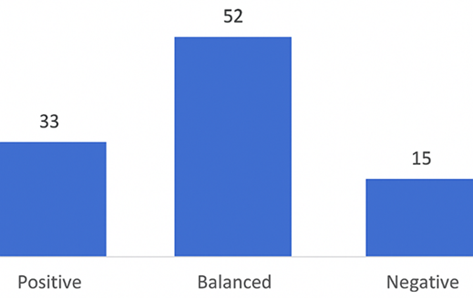
A total of 168 children were admitted in pediatric wards of Indira Gandhi Medical College, Shimla due to poisoning. Among them 67(39.9%) were males while 101(60.1%) were females. Among the total, 33(19.6%) were ≤ 5 years of age , 27(16.1%) were between 6 to 10 years, 33(19.6%) were between 11 to 15 years while 75(44.6%) were between 16-18 years of age. Mean age of them was 11.95±5.532 years.(Figure-1)


Figure-1: Age and gender distribution of study participants


In the present study, maximum poisoning cases 55 (32.7%)  were of Organophosphates poisoning, followed by 14(8.3%) of Phosphide poisoning, 13(7.7%) of Herbicide poisoning, 7(4.2%) of Mushroom poisoning,  6 (3.6%)  of Hydrocarbon/kerosene poisoning, 4( 2.4%) cases each  of Berries , Corrosive ,Pyrethroid & Rat poison, 3(1.8%) cases each of   Paraquat & Opiod poisoning, 2(1.2%) cases of  Carbamate poisoning and 1(0.6%) case each of Camphor, Mixed, Acetone, Paracetamol, Sanitizer, Phenytoin, Calcium, Melamine, Cocaine &Napthalene poisoning. Beside these,  39(23.2%) cases were of poisoning with Unknown substances.(Table-1)


Type of poisoning

Frequency

Percent

Organophosphates

55

32.7

Phosphide

14

8.3

Herbicide

13

7.7

Mushroom

7

4.2

Hydrocarbon/kerosene

6

3.6

Berries

4

2.4

Corrosive  

4

2.4

Pyrethroid

4

2.4

Rat poison

4

2.4

Paraquat

3

1.8

Opiod

3

1.8

Carbamate

2

1.2

Camphor

1

0.6

Mixed

1

0.6

Acetone

1

0.6

Paracetamol

1

0.6

Sanitizer

1

0.6

Phenytoin

1

0.6

Calcium

1

0.6

Melamine

1

0.6

Cocaine

1

0.6

Napthalene

1

0.6

Unknown

39

23.2

Total

168

100.0


Table-1: Pattern of poisoning among study participants

DISCUSSION

Childhood Poisoning has been identified as a frequent cause of admission in Pediatrics Emergency Departments worldwide. Nevertheless, information on this public health problem remains scare. Epidemiological studies in each country and state might help in defining the problem situation and to understand how this issue can be prevented and dealt with.


Based on these considerations, we have conducted this retrospective study- including all the children admitted in the Pediatric wards of Indira Gandhi Medical College, Shimla due to poisoning between January to December 2021. A total of 168 children were admitted due to poisoning. Among them 67(39.9%) were males while 101(60.1%) were females.Similar to our findings, in the study done by Sabiha Sahin et al2, among the total children who were reffered to the emergency department due to acute poisoning, 48.4% of patients were boys and 51.6% were girls. But many studies from India and other countries across the globe there were relatively higher proportion of boys in childhood poisoning cases.7-11


In the present study,among the total, 33(19.6%) were ≤ 5 years of age , 27 were between 6 to 10 years, 33(19.6%)  were between 11 to 15 years while 75(44.6%) were between 16-18 years of age. Contrary to our findings, in the study done by Sabiha Sahin et alapproximately half of the patients were less than four years old which was opposite to our study.Various other studies also showed that <5 year age group  is vulnerable to household accidental poisoning due to inquisitive nature, oral exploratory nature, and recently acquired mobility and hand skills.3,4,5,12


In the present study, maximum poisoning cases 55 (32.7%)  were of Organophosphates poisoning, followed by 14(8.3%) of Phosphide poisoning, 13(7.7%) of Herbicide poisoning, 7(4.2%) of Mushroom poisoning,  6 (3.6%)  of Hydrocarbon/kerosene poisoning, 4( 2.4%) cases each  of Berries , Corrosive , Pyrethroid & Rat poison, 3(1.8%) cases each of   Paraquat & Opiod poisoning, 2(1.2%) cases of  Carbamate poisoning and 1(0.6%) case each of Camphor, Mixed, Acetone, Paracetamol, Sanitizer, Phenytoin, Calcium, Melamine, Cocaine & Napthalene poisoning. Beside these,  39(23.2%) cases were of poisoning with Unknown substances.In the present study the probable reason for higher incidence of poisoning by insecticides & pesticides could be the involvement of higher age group , more involvement of rural children where these substances are used for agricultural purposes for being the main occupation of people in Himachal Pradesh,  easily availability, lack of legislation for sale, and lack of identifiable storage practices.


Similar to our results, study by Bindu Aggarwal1described that the most commonly ingested poisoning agent was kerosene (28.6%) in <12 age group and organo-phosphorus compound (21.6%) in adolescents.Contrary to our results, in the study done by Sabiha Sahin et al2, Drugs were the most common agent causing the poisoning (48.3%), followed by ingestion of corrosive substance (23.1%) and carbon monoxide (CO) intoxication (12.5%).


Nowneet Kumar Bhat et al13, reported that Insecticides (37.61%), drugs (25.64%) and kerosene oil (18.8%) were the substances most frequently implicated in their patients. Another study by Diganta Saikia et al14 described that household chemicals were ingested in 54.25% cases  followed by the pesticides and insecticides in 18.3% cases followed by medicines and drugs, i.e. by 11% followed by unknown substances, i.e. 8.5%, followed by workplace products, i.e. 6.5%.Similar to our finding, in the study done by Zhu Liet al15, the three most common poisonous substances were pesticides, drugs, and rat poisons.


Indian researchers like S Rathore et al16., Brata Ghosh et al17 and U Kohli et al18 have reported kerosene to be the most commonly encountered  poisonous agent in urban areas and overall incidence too while studies from the rural part of India done by NK Bhat et al19 reported insecticides to be the most common agent causing acute childhood poisonings.


The easy-access packaging and colorful appearance of pesticides and herbicides increases their danger to young children. Public health authorities should impose stricter regulations on the packaging of pesticides to prevent ingestion.


Caregivers should be responsible and cautious while selecting, storing, and informing children about the dangers of household supplies. It is recommended that while bringing the child to the hospital or any healthcare facility; make sure to bring the suspected source of poisoning, including all its packaging details. Make sure that it is carefully and securely packaged for the protection of everyone.20-22


As the child is being examined, the concerened healthcare providers’ must explore every minute to  minute detail regarding the type of poison to determine the best medical management for the child. Important details that are mainly required include the suspected substance involved, its dose or amount ingested (an estimated amount), type of preparation (liquid, capsule or tablet) and type of route (ingested, inhaled, eaten or in contact with the eyes or skin).20-22


The best way to manage childhood poisoning is to prevent them from happening in the first place. Other ways are usage of proper storage options for dangerous& poisonous objects and place them in areas where children cannot reach & cannot easily open these. Always use the original packaging or bottles for household items and do not transfer contents of any container to another one that is labelled for a different substance or material. One must throw away expired medicines, Keep them in their original packaging, away from young children and while giving medications to a child, always double check the bottle or container before administering the medicine.20-22


Limitations 


Our research has some limitations. It was done retrospectively. So, it is possible that not all medical data regarding pattern of poisoning have been recorded into the files of children in pediatric wards of IGMC, Shimla.
CONCLUSION

Preventable childhood poisonings are still a significant cause of morbidity in Himachal Pradesh. Pesticides and herbicides are the most frequent agents causing poisoning. We need to take measures to prevent poisoning in both preadolescents and adolescents age groups. Various preventive measures such as better child resistant storage practices, strengthening of Pesticide Act and health education including adolescent counseling are necessary to prevent childhood poisonings.

REFERENCES
  1. Bindu Aggarwal, Sudhir Kumar Rana, Nanda Chhavi. Pattern of Poisoning in Children, an Experience from a Teaching Hospital in Northern India. JK Science. Oct - December 2014;16(4):174-78. 

  2. Sahin S, Carman KB, Dinleyici EC. Acute poisoning in children; data of a pediatric emergency unit. Iran J Pediatr. 2011;21(4):479-484.

  3. Brata Ghosh V, Jhamb U, Singhal R, Krishnan R. Common childhood poisonings and their outcome in a tertiary care center in Delhi. Indian J Pediatr 2013; 80: 516-8. 

  4. Roy RN, Shrivastava P, Das DK, Saha I, Sarkar AP. Burden of hospitalized pediatric morbidity and utilization of beds in a tertiary care hospital of kolkata, India. Indian J Community Med 2012; 37: 252-5. 

  5. Jayashree M, Singhi S. Changing trends and predictors of outcome in patients with acute poisoning admitted to the intensive care. J Trop Pediatr 2011; 57: 340-6.

  6. Myacare. Available at:  https://myacare.com/blog/common-types-of-poisoning-in-children (Accessed on 12 February 2022)

  7. Sharma A, Dishant, Gupta V, Kaushik JS, Mittal K. Aluminum phosphide (celphos) poisoning in children: A 5- year experience in a tertiary care hospital from northern India. Indian J Crit Care Med 2014; 18: 33-6. 

  8. Singh SP, Aggarwal AD, Oberoi SS, et al. Study of poisoning trends in north India--a perspective in relation to world statistics. J Forensic Leg Med 2013; 20: 14-8.

  9. Gupta S, Govil YC, Misra PK, Nath R, Srivastava KL. Trends in poisoning in children: experience at a large referral teaching hospital. Natl Med J India 1998; 11: 166-8. 

  10. Sinno D, Majdalani M, Chatila R, Musharrafieh U, AlTannir M. The pattern of self-poisoning among Lebanese children and adolescents in two tertiary care centres in Lebanon. Acta Paediatr. 2009; 98: 1044-8.

  11. Franklin RL, Rodgers GB. Unintentional child poisonings treated in United States hospital emergency departments: national estimates of incident cases, population-based poisoning rates, and product involvement. Pediatrics 2008; 122: 1244-51.

  12. Balan B, Lingam L. Unintentional injuries among children in resource poor settings: where do the fingers point? Arch Dis Child 2012; 97: 35-8.

  13. Nowneet Kumar Bhat, Minakshi Dhar, Sohaib Ahmad, Vipan Chandar. Profile of poisoning in children and adolescents at a North Indian tertiary care centre. JIACM 2011; 13(1): 37-42

  14. Saikia D, Sharma RK, Janardhan KV. Clinical profile of poisoning due to various poisons in children of age 0-12 years. J Family Med Prim Care. 2020;9(5):2291-2296. 

  15. Li Zhu, Xiao Li, Yang Lin, Li Shaojun, Tan Liping. Characterization of Acute Poisoning in Hospitalized Children in Southwest China .Frontiers in Pediatrics.2021;9 (10):33. 

  16. Rathore S, Verma AK, Pandey A, Kumar S. Paediatric poisoning trend in Lucknow district, India. J Forensic Res. 2013;4:1

  17. Brata Ghosh V, Jhamb U, Singhal R, Krishnan R. Common childhood poisonings and their outcome in a tertiary care center in Delhi. Indian J Pediatr. 2013:80:516–8. 

  18. Kohli U, Kuttiat VS, Lodha R, Kabra SK. Profile of childhood poisoning at a tertiary care centre in North India. Indian J Pediatr. 2008;75:791–4. 

  19. Bhat NK, Dhar M, Ahmad S, Chandar V. Profile of poisoning in children and adolescents at a North Indian tertiary care centre. J Indian Acad Clin Med. 2012;13:37–42.
  20. Myacare. Available at: https://myacare.com/blog/common-types-of-poisoning-in-children(Accessed on 13 February 2022)

  21. Kidshealth. Available at:  https://kidshealth.org/en/parents/safety-poisoning.html(Accessed on 13 February 2022)

  22. Better health. Available at: https://www.betterhealth.vic.gov.au/health/healthyliving/poisoning-and-child-safety(Accessed on 14 February 2022)


Recommended Articles
Research Article
The Use of Pentoxifylline in Male Reproduction Abnormalities
Published: 31/07/2021
Download PDF
Research Article
Regular Antenatal Visit Perceived by Pregnant Women Attending at Antenatal Corner in a Selected Hospital of Dhaka City
Published: 31/07/2021
Download PDF
Research Article
The Use of Fenugreek Supplementation in Diabetes
Published: 31/07/2021
Download PDF
Research Article
Long Term Maintenance of Sterility of Indian Honey
Published: 31/07/2021
Download PDF
Research Article
A New Strain of the Swine Acute Diarrhea Syndrome Coronavirus (SADS-CoV) has the Ability to Infect Human Respiratory and Intestinal Cells
Published: 31/07/2021
Download PDF
Chat on WhatsApp
Flowbite Logo
PO Box 101, Nakuru
Kenya.
Email: office@iarconsortium.org

Editorial Office:
J.L Bhavan, Near Radison Blu Hotel,
Jalukbari, Guwahati-India
Useful Links
Order Hard Copy
Privacy policy
Terms and Conditions
Refund Policy
Shipping Policy
Others
About Us
Team Members
Contact Us
Online Payments
Join as Editor
Join as Reviewer
Subscribe to our Newsletter
+91 60029-93949
Follow us
MOST SEARCHED KEYWORDS
Copyright © iARCON International LLP . All Rights Reserved.