Contents
Download PDF
pdf Download XML
933 Views
44 Downloads
Share this article
Research Article | Volume 3 Issue 2 (July-Dec, 2023) | Pages 1 - 4
Tuberculosis Insights: Unraveling Tuberculosis Awareness among Shimla's Community for Enhanced Public Health
 ,
1
Department of Microbiology, Indira Gandhi Medical College, Shimla, Himachal Pradesh, India
2
Department of Physiology, Indira Gandhi Medical College, Shimla, Himachal Pradesh, India
Under a Creative Commons license
Open Access
Received
June 3, 2023
Revised
July 9, 2023
Accepted
Aug. 19, 2023
Published
Sept. 7, 2023
Abstract

Background: Tuberculosis (TB) remains a persistent global health challenge, with millions of lives affected and a substantial burden on healthcare systems. Despite medical advancements, TB endures, particularly in regions like Shimla, Himachal Pradesh, India, where public awareness plays a crucial role in disease control. Methods: A descriptive cross-sectional survey was conducted in Shimla between April and July 2023, assessing TB knowledge among 400 adults using a structured questionnaire. Data were analyzed using Epi Info V7 software, and knowledge levels were categorized into four groups. Results: The study revealed robust awareness among participants, with 94.75% correctly identifying TB and 77.75% recognizing its symptoms. Awareness of transmission (58.75%), risk factors (49.5%), and diagnosis (81.75%) was substantial. However, gaps existed in vaccination awareness (22%), differentiating latent and active TB (23.25%), and preventive measures for latent TB (21.75%). Respondents recognized government programs (64.5%) but lacked knowledge of drug-resistant TB treatment (31%) and the role of directly observed therapy (47.25%). Importantly, 78% acknowledged the community's role in raising awareness and reducing stigma. Conclusion: Shimla's residents exhibit commendable TB awareness but require targeted education on vaccination, latent TB, and preventive measures. Tailored public health campaigns are vital for addressing these gaps and strengthening the community's role in TB control.

Keywords
INTRODUCTION

Tuberculosis (TB) has been a persistent global health challenge for centuries, affecting millions of lives and posing a considerable burden on healthcare systems worldwide. Despite significant advancements in medical science and treatment options, this ancient disease continues to afflict individuals and communities, demanding collective efforts for its control and eventual eradication. In the picturesque hill station of Shimla, nestled in the Himalayan foothills of Himachal Pradesh, India, TB represents an ongoing public health concern that requires the attention and active engagement of the community [1-3].


TB is a bacterial infection primarily caused by Mycobacterium tuberculosis, affecting various parts of the body, most commonly the lungs. It is transmitted from person to person through the air when an infected individual coughs or sneezes, making it highly contagious. TB can manifest in different forms, including latent TB infection, where the bacteria remain dormant, and active TB disease, which can lead to severe illness and, in some cases, death. While TB is preventable and curable, timely diagnosis and appropriate treatment are critical in its management [4-6].


In the backdrop of Shimla's scenic landscapes and serene surroundings lies a critical challenge—raising awareness and knowledge about TB within the local community. Effective TB control and prevention necessitate not only a strong healthcare system but also active participation and understanding among the general public. This study endeavors to assess the level of awareness and knowledge regarding TB among the residents of Shimla, recognizing the vital role that community resilience plays in combating this infectious disease.


The significance of this assessment cannot be understated, as TB remains one of the top infectious killers    worldwide,    claiming    over   4,000   lives   daily, according to the World Health Organization (WHO) (WHO, 2021). India has a notably high TB burden, contributing significantly to the global TB crisis. In the pursuit of ending the TB epidemic by 2030, the WHO has outlined strategies that include raising awareness, early detection, and prompt treatment (WHO, 2020). This study aligns with these global efforts by seeking to enhance understanding and awareness of TB within the Shimla community [5-7].  


In the absence of adequate awareness, TB may go undiagnosed or untreated, resulting in prolonged illness, complications, and increased transmission rates. By evaluating the knowledge levels and perceptions of TB among Shimla's residents, this study aims to identify knowledge gaps and areas requiring intervention. These findings will serve as a foundation for designing community-based educational programs and awareness campaigns aimed at preventing TB, fostering early detection, and promoting treatment adherence.


Furthermore, it is crucial to recognize the stigma often associated with TB, which can deter individuals from seeking care and hinder the community's response to the disease. Addressing misconceptions, fostering empathy, and providing accurate information are essential components of this study's objectives. Through a collaborative effort, Shimla can bolster its community resilience, reduce the impact of TB, and contribute to the global endeavor to eliminate this ancient scourge.


Objectives of the Study

To evaluate the awareness and knowledge regarding Tuberculosis among general public of Shimla.

MATERIALS AND METHODS

Research Approach

This study employs a descriptive research approach to assess the level of knowledge regarding Tuberculosis among the general public of Shimla. A descriptive approach is chosen as it allows for the systematic collection and analysis of data to describe and understand the current awareness and knowledge of the study participants on the specific topic of interest.


Research Design

A cross-sectional survey design is utilized for this study, enabling data collection at a single point in time from a diverse sample of individuals. This design ensures that information about the awareness of Tuberculosis can be obtained from a representative sample of the target population, thereby providing a snapshot of the prevailing knowledge at the time of the study.


Study Area and Duration

The research is conducted in Shimla, renowned for its diverse population and urban lifestyle. The study duration spans from April 2023 to July 2023, during which data collection and analysis are performed.


Study Population and Sample Size

The study's target population comprises all adults above 18 years of age who have resided in Shimla for a minimum of 12 months. A sample size of 400 adults is determined, considering a 50% estimated knowledge level about Tuberculosis , a 5% absolute error, a 95% confidence level, and a 5% non-response rate. This sample size ensures adequate representation and generalizability of findings to the larger population.


Data Collection Tool

To gather information on Tuberculosis awareness, a well-structured and validated Google Form questionnaire is developed. The questionnaire consists of two sections: the first section captures socio-demographic data, including age, gender, marital status, religion, employment, and education, while the second section comprises 20 carefully crafted questions related to knowledge about Tuberculosis.


Description of the Questionnaire

The questionnaire is designed to evaluate participants' knowledge on Tuberculosis, with each correct response receiving one mark and incorrect answers receiving zero marks. Based on their scores, participants' knowledge levels are categorized into four groups: very good (>80%), good (60-79%), fair (41-59%), and poor (<40%). This scoring system allows for a clear understanding of the overall awareness levels among respondents.


Data Collection and Analysis

Data collection is conducted under the supervision of experienced supervisors, and the Google Form questionnaire is disseminated through various online platforms, such as email, WhatsApp groups, Facebook, Instagram, and LinkedIn, to reach both rural and urban areas of Shimla. Collected data is then meticulously entered into a Microsoft Excel spreadsheet and thoroughly checked for accuracy and completeness. Epi Info V7 software is employed for data analysis, and appropriate statistical tests, such as frequencies and percentages, are used to present the findings in a clear and concise manner.


Ethical Considerations

Throughout the study, utmost care is taken to adhere to ethical guidelines to ensure the privacy and confidentiality of participants. Informed consent is obtained from all respondents before their inclusion in the study, and their personal information is kept confidential. The research team ensures that all data is anonymized, safeguarding the participants' identities at all times.
RESULTS

The goal of the current study was to assess the knowledge regarding Tuberculosis among general public of Shimla through a non-experimental descriptive survey. A total of 400 respondents including 267 (66.75%) were from urban area and 133(33.25%) were from rural area were participated in the study (Table 1).


Table 1: Knowledge Regarding Tuberculosis among Study Participants

S.No.StatementsFrequency of Correct ResponsesPercent
  1.  
What is tuberculosis, and what causes it?

379

94.75

  1.  
Can you name the two main types of TB and explain the difference between them?

219

54.75

  1.  
How is TB transmitted from person to person?

235

58.75

  1.  
What are some common risk factors for contracting TB?

198

49.5

  1.  
Can TB be spread from person to person through casual contact like shaking hands?

234

58.5

  1.  
What are the typical clinical features or symptoms of TB?

311

77.75

  1.  
How is TB diagnosed by healthcare professionals?

327

81.75

  1.  
Why is early diagnosis and treatment crucial for TB?

317

79.25

  1.  
What are some complications that can arise from untreated TB?

232

58

  1.  
Can you explain the importance of the BCG vaccine in TB prevention?

88

22

  1.  
What is latent TB infection, and how does it differ from active TB disease?

93

23.25

  1.  
Are there specific preventive measures for individuals with latent TB infection?

87

21.75

  1.  
How can individuals reduce their risk of TB transmission in crowded or high-risk settings?

136

34

  1.  
Can you name any government-sponsored TB control programs or schemes in your country?

258

64.5

  1.  
What should someone do if they suspect they have TB or have been in contact with an active TB case?

187

46.75

  1.  
Can you describe the standard treatment regimen for active TB disease?

142

35.5

  1.  
Are there any drug-resistant forms of TB, and how are they treated?

124

31

  1.  
What is the role of directly observed therapy (DOT) in TB treatment?

189

47.25

  1.  
Can you name any public health campaigns or initiatives related to TB awareness and prevention?

228

57

  1.  
What can individuals and communities do to raise awareness about TB and reduce its stigma                                           

312

78


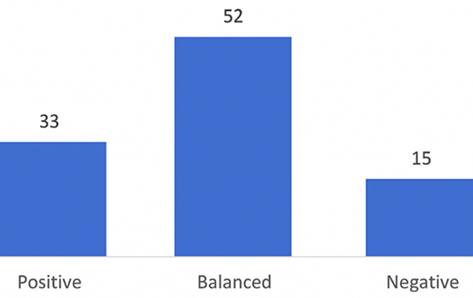
In the present study 35.5% (142)  participants had very good knowledge (16-20 marks) towards Tuberculosis.


Figure 1: Knowledge Scores towards Tuberculosis among Study Participants 

DISCUSSION

Tuberculosis (TB) remains a global health challenge, and its control necessitates a multifaceted approach that includes awareness, early detection, and treatment adherence. This discussion delves into the findings of the study, which assessed the awareness and knowledge levels of TB among the residents of Shimla, Himachal Pradesh. These findings will be discussed in comparison with existing studies, highlighting areas of strength and opportunities for improvement.


The study evaluated the knowledge levels of 400 respondents, with 66.75% residing in urban areas and 33.25% in rural areas, regarding TB. Impressively, 94.75% of respondents correctly identified TB and its causative agent, Mycobacterium tuberculosis, demonstrating a strong foundational understanding of the disease. About 54.75% of participants could name the two main types of TB and explain the difference between them, which is crucial for understanding the disease's spectrum.


Approximately 58.75% of respondents understood how TB is transmitted from person to person, highlighting their awareness of the modes of transmission. A notable 49.5% recognized common risk factors associated with contracting TB, emphasizing the importance of understanding vulnerabilities. While 58.5% understood that TB is not spread through casual contact like shaking hands, a significant portion still held misconceptions about its transmission. An encouraging 77.75% correctly identified the typical clinical features or symptoms of TB, essential for early recognition and appropriate action.


A remarkable 81.75% were aware of how healthcare professionals typically diagnose TB, indicating a reasonable understanding of this aspect. A substantial 79.25% recognized the significance of early diagnosis and treatment, reinforcing the importance of prompt intervention. While 58% were aware of potential complications arising from untreated TB, there is room for improvement in understanding the severity of these consequences.A lower percentage (22%) was aware of the importance of the BCG vaccine in TB prevention, indicating a knowledge gap in vaccination awareness. Only 23.25% could explain the difference between latent TB infection and active TB disease, suggesting a need for improved understanding of TB's different states. A mere 21.75% were aware of specific preventive measures for individuals with latent TB infection, signifying the need for education in this regard.


Approximately 34% understood how individuals can reduce their risk of TB transmission in crowded or high-risk settings, indicating an area for improvement. While 64.5% could name government-sponsored TB control programs or schemes, a significant portion remained uninformed about these initiatives. Only 46.75% knew what someone should do if they suspect they have TB or have been in contact with an active TB case, highlighting the importance of education in this context. Approximately 35.5% could describe the standard treatment regimen for active TB disease, suggesting that there is room for improvement in understanding treatment protocols. While 31% were aware of drug-resistant forms of TB, there is a need for greater awareness regarding their treatment. 


About 47.25% understood the role of directly observed therapy (DOT) in TB treatment, indicating that this aspect could benefit from further education. A significant portion (57%) could name public health campaigns or initiatives related to TB awareness and prevention, but more widespread knowledge in this area would be advantageous. An encouraging 78% recognized the role of individuals and communities in raising awareness about TB and reducing its stigma, reflecting a willingness to engage in educational initiatives.


Comparing these findings with studies conducted in various regions, the residents of Shimla exhibit a commendable level of awareness and knowledge regarding TB [6-11]. Several aspects, such as understanding TB symptoms and its diagnosis, align with findings from other studies. However, knowledge gaps exist in areas like vaccination awareness, differentiating latent and active TB, and preventive measures for latent TB. These gaps underscore the need for targeted education and awareness campaigns in Shimla to enhance understanding further.

CONCLUSION

Assessing the awareness and knowledge levels of TB among Shimla's residents has revealed a substantial understanding of many aspects of the disease. However, there are opportunities for improvement in specific areas, particularly in vaccination awareness, understanding latent TB, and preventive measures for latent TB. Addressing these knowledge gaps through tailored public health campaigns and educational initiatives is essential to mitigate the risks posed by TB effectively. This collective effort will contribute to Shimla's role in combating TB, reducing its impact, and aligning with global endeavors to eliminate this ancient scourge.

REFERENCE
  1. World Health Organization. “Global tuberculosis report 2021.” 2021. https://www.who.int/publications/i/item/9789240037 021

  2. World Health Organization. “The end TB strategy.” 2020. https://www.who.int/tb/strategy/en/

  3. Global Tuberculosis Programme. “WHO | Tuberculosis country profiles.” World Health Organization, 2021. https://www.who.int/tb/country/data/profiles/en/

  4. Central TB Division, Directorate General of Health Services, Ministry of Health and Family Welfare, Government of India. “TB India 2021: revised national TB control programme annual status report.” 2021. https://tbcindia.gov.in/showfile.php?lid=3532

  5. World Health Organization. “Implementing tuberculosis diagnostics: a policy framework.” 2019. https://apps.who.int/iris/bitstream/handle/10665/325368/9789241515598-eng.pdf

  6. Pai, M. et al. “Tuberculosis.” Nature Reviews Disease Primers vol. 2, 2016, pp. 16076.

  7. Zumla, A. et al. “Towards host-directed therapies for tuberculosis.” Nature Reviews Drug Discovery vol. 19, no. 9, 2020, pp. 511–512.

  8. Getahun, H. et al. “Latent mycobacterium tuberculosis infection.” New England Journal of Medicine vol. 372, no. 22, 2015, pp. 2127–2135.

  9. Houben, R.M. et al. “The global burden of latent tuberculosis infection: a re-estimation using mathematical modelling.” PLoS Medicine vol. 13, no. 10, 2016, pp. e1002152.

  10. Pai, M. and M. Schito. “Tuberculosis diagnostics in 2015: landscape, priorities, needs, and prospects.” Journal of Infectious Diseases vol. 211, no. 2, 2015, pp. 189–198.

  11. Lönnroth, K. et al. “Towards tuberculosis elimination: an action framework for low-incidence countries.” European Respiratory Journal vol. 45, no. 4, 2015, pp. 928–952.

Recommended Articles
Research Article
Knowledge of the Patient's Family about the Level of Emergency Based on Triage with the Satisfaction of the Patient's Family in the Emergency Department of the Sumedang Area General Hospital
...
Published: 30/03/2024
Download PDF
Research Article
The Influence of Murottal Al Qur'an Surat Ar Rahman Irama Hijaz Therapy on the Pain Scale of Post-Explorative Laparatomy Patients in the Icu Room of Bandung City Hospital
...
Published: 30/03/2024
Download PDF
Research Article
The role of IFN-g gene polymorphism (+874 T/A) as predisposing factor for pulmonary tuberculosis
Download PDF
Research Article
Assessment of Knowledge on Common Pediatric Infections and Their Prevention Among Parents in Chamba, Himachal Pradesh
Published: 20/12/2024
Download PDF
Chat on WhatsApp
Flowbite Logo
PO Box 101, Nakuru
Kenya.
Email: office@iarconsortium.org

Editorial Office:
J.L Bhavan, Near Radison Blu Hotel,
Jalukbari, Guwahati-India
Useful Links
Order Hard Copy
Privacy policy
Terms and Conditions
Refund Policy
Shipping Policy
Others
About Us
Team Members
Contact Us
Online Payments
Join as Editor
Join as Reviewer
Subscribe to our Newsletter
+91 60029-93949
Follow us
MOST SEARCHED KEYWORDS
Copyright © iARCON International LLP . All Rights Reserved.