Contents
Download PDF
pdf Download XML
759 Views
132 Downloads
Share this article
Research Article | Volume 3 Issue 2 (July-Dec, 2023) | Pages 1 - 7
Study on Thyroid Function in Patients of Type 2 Diabetes Mellitus
 ,
 ,
1
Educational and Research Institute, Allied Health Science, Velappanchavadi 600077, Tiruvallur Dist., Tamil Nādu
Under a Creative Commons license
Open Access
Received
July 3, 2023
Revised
Aug. 9, 2023
Accepted
Sept. 19, 2023
Published
Oct. 31, 2023
Abstract

Diabetes and thyroid diseases are caused by endocrine dysfunction and both have been demonstrated to mutually impact on each other .Variation in thyroid hormone levels, even within the normal range, can trigger the onset of T2DM particularly in people with prediabetes. In type 2 diabetes mellitus, both hypothyroidism and hyperthyroidism are common.T2DM reduces thyroid stimulating hormone (TSH) impairs the conversion of T4 to T3 in the peripheral tissues. Poorly managed T2DM can lead to insulin resistance and hyperinsulinaemia which cause thyroid tissue proliferation and increased nodule formation and goiter size. Maternal and foetal health can be affected by both DM and TD. A significantly higher prevalence of hypothyroxinaemia is found in women with gestational diabetes mellitus (GDM). Hypothyroidism can complicate the pregnancy include hypertension, preeclampsia, abruptio placentae, postpartum haemorrhage, impaired neuro development of the infant, preterm delivery and low birth weight. Hypothyroidoism in adults cause Cardiovascular problems, nerve injury, myxedema coma, death. Whereas diabetic patients with hyperthyroidism experience worsened glycaemic control. Complications such as diabetic ketoacidosis and endothelial dysfunction which increases the risk of cardiovascular comorbidities. A randomized cross sectional study of 50 patients comprising of 41 females and 9 males who were selected on the basis of diabetic group and non diabetic group for the study of samples who attended medicine OPD and IPD in A.C.S medical college and hospital. After getting consent from the patients, blood sample was collected. Serum sample taken for thyroid profile. Plasma sample taken for FBS and PPBS. Blood sugar level estimated by GOD-POD method. Serum T3, T4, TSH estimated by ELISA method. Out of 50 samples, 25 diabetic subjects, investigated (50%) i.e 24% had overt hypothyroidism and 10 % of overt hyperthyroidism and 8 % had subclinical hypothyroidism. thus .a total of 42 % patients showed thyroid disorder. Out of 50 samples, 25 control subjects, only 30% had abnormal thyroid status.

Keywords
INTRODUCTION

Patients with type 2 diabetes mellitus are more prone to develop thyroid disorder. Diabetes is of the fastest growing non communicable metabolic syndrome charecterized by the increasing blood glucose level and mainly due to reduction of insulin secretion it is prevalent across the globe with an increasing incidence in all socio economic groups.


If untreated, it may cause complications like coronary artery disease, renal disease, cerebrovascular accident and retinopathy. New addition to these complications, is the thyroid dysfunction which is indicated by recent studies.


Thyroid, largest endocrine gland produces thyroid hormones. These hormones play a vital role in the regulation of glucose metabolism hepatic lipid cholesterol and mediate important physiological process like growth and development, metabolism, energy distribution, brain development and bone maintenance.


Thyroid dysfunction is more common in patients with type 2 diabetes than in the general population. Pathological conditions of thyroid gland are hypothyroidism and hyperthyroidism.


In hypothyroid condition the thyroid gland is unable to synthesize sufficient amount of T3 and T4 hormones. In hyperthyroid condition the thyroid gland produces excessive amount of both T3 and T4 hormones Prevalence of hypothyroidism in type2 diabetic patient is more common compared to hyperthyroidism. Both thyroid disorder and diabetes fall under the endocrine system.


When thyroid disease occurs in someone with diabetes, it can make blood glucose control more difficult.


Insulin treatment should be adjusted in patients with diabetes after the occurrence of thyroid dysfunction. Diabetes mellitus is an endocrine disorder which had been shown to affect multiple organs in T2DM including the thyroid gland which may impact negatively on their ability to maintain optimally stable metabolic state.


The thyroid hormones are known antagonist of insulin and Thyrotrophin Releasing Hormone (TRH) synthesis is decreased in diabetes mellitus.


These factors may be responsible for the occurrence of thyroid disorders in diabetic patients. Therefore, there is a need for routine assay of thyroid hormones in type 2 diabetic patients to improve the medical management as well as to reduce the morbidity in them.


How Diabetes Affects the Thyroid Function and Thyroid Hormone Levels


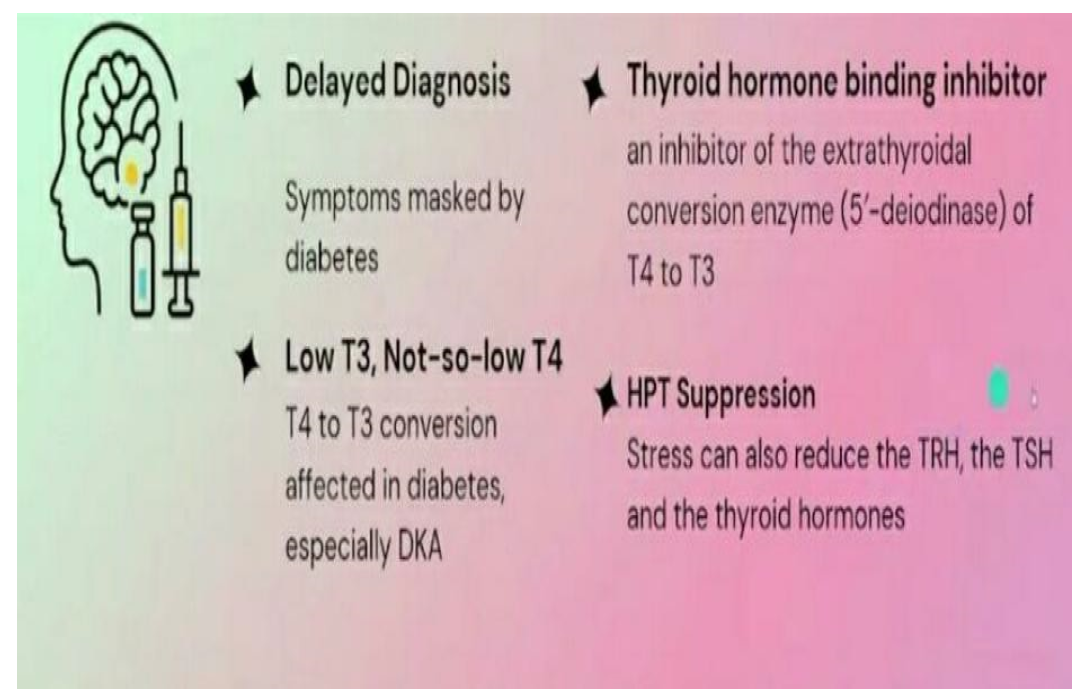
  • Diabetes mellitus affect the thyroid function through the Thyroid Stimulating Hormone (TSH) produced by the pituitary gland and peripheral conversion of T4 (THYROXINE) to T3 (TRIIODOTHYRONINE) in tissues such as kidney and the liver as well as the direct effect of the raised insulin level on the thyroid gland itself (Figure 1)

  • In diabetic patient,

  • The TSH response to TRH is impaired

  • Alteration in TFTs reflect changes in protection of thyroid gland hormones by the effects of hyperglycemia on thyroid gland, on the HYPOTHALAMIC- PITUTARY -AXIS and /on peripheral tissue metabolism of these effect

  • T4 to T3 conversion affected due to inhibition of roidal extra thyconversion enzyme (5´ - deiodinase) of T4 TO T3

  • The hormones of T3and T4 are insulin antagonist that potentiate the action of insulin directly

  • TRH synthesis also decreases

  • The facts could be responsible for the occurrence of low thyroid hormone levels in some diabetics

  • So hypothyroidism is common in patients of diabetes mellitus than hyperthyroidism


Figure 1: Altered Thyroid Function in Diabetes


Methods for FBS and PPBS

Requirements


  • Plasma sample

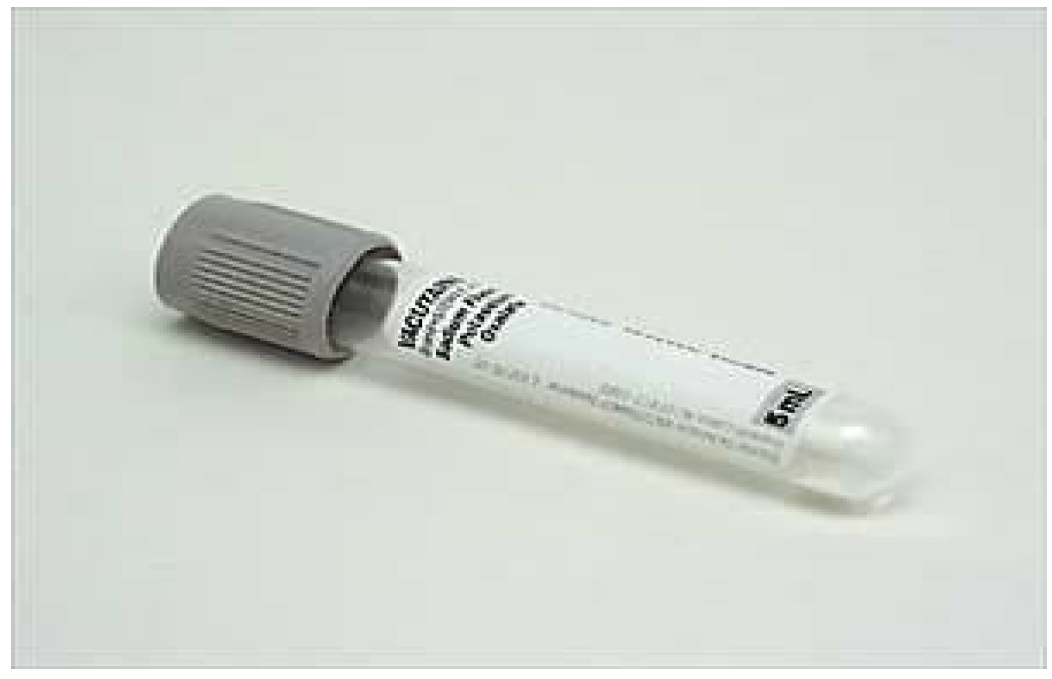
  • Grey top tube

  • Test tube

  • Micro pipettes and pipettes tips

  • Semi auto Analyzer (ERBA)

  • Reagent: glucose reagents

  • Collect the blood plasma sample to study about the function of thyroid in type 2 diabetic patients


Method for TSH

Requirements


  • Serum sample

  • Red top tube (plain tube)

  • Micro pipettes and pipettes tips

  • Semi auto analyzer (ROBONIK)

  • Microtiter plate

  • Distilled water

  • Reagents: Enzyme conjugate reagent, TMB substrate, stop solution, standards, wash buffer concentrate. Collect blood serum sample to study about the function of thyroid in type 2 diabetic patients


Method for T4

Requirements


  • Serum sample

  • Red top tube

  • Test tube

  • Micro pipettes and pipettes tips

  • Microtiter plate

  • Distilled water

  • Reagents: standard, T4 HRPO conjugate, TMB substrate, stop solution, wash buffer concentrate

  • Collect the blood serum sample to study about the function of thyroid in type 2

MATERIALS AND METHODS

Method for T3

Requirements


  • Serum sample

  • Red top tube

  • Test tube

  • Micro pipettes and pipettes tips

  • Semi auto analyzer (ROBONIK)

  • Anti T3 antibody coated microtiter plate

  • Reagents: T3 HRPO conjugate, TMB substrate, stop solution, wash buffer concentrate, standard

  • Collect the blood serum sample to study about the function of thyroid in type 2 diabetic patient (Figure 2)


Procedure

Sample Collection

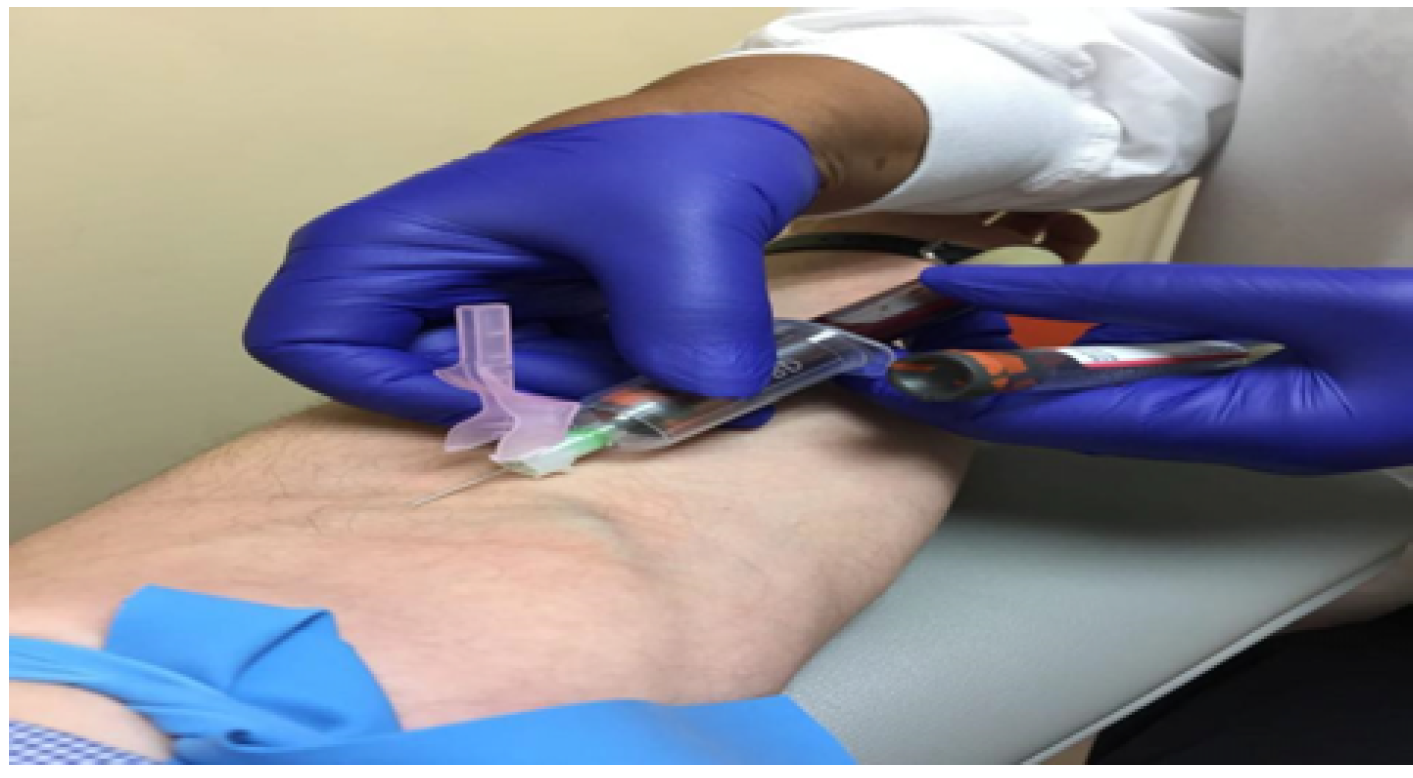
Check if student is taking anticoagulant or has a history of bleeding disorder. Prepare the equipment like  gloves,  labels,  tourniquet,  22  gauze  pad, alcohol Blood can be collected by evacuated tube system, syringe method or butterfly method. Select the site student lying supine with ventral surfaces of both hands up, inspect the most suitable site. Put tourniquet 4" above the intended puncture site; ask patient to make a fist. The ante cubital area has basilic, cephalic and median cubital veins. Palpate the vein. If antecubital veins of either hand are unsuitable look for veins in forearm and hands. Rub the selected site with isopropyl alcohol pad in concentric circles working outward from the center. Allow to dry for 30-60 seconds. While your non-dominant hand stabilizes the vein between index finger and thumb, put the needle with bevel upwards at 15° angle and enter skin and vein in direction of blood flow. Entry should be quick and smooth. Release tourniquete once required amount of blood fills the syringe/tube. Remove the needle and apply 2" x 2" sterile gauze pad and tape it. Label the specimen. The needle is destroyed in needle destroyer. If there is bleeding from venipuncture site, apply pressure and ask patient to raise the hand above head for 3-5 minutes.


Figure 2: Obtaining BLOOD from a Superficial Vein of the Arm


Procedure for Collecting FBS and PPBS Blood Samples


FBS – Fasting Blood Sugar


  • Blood collected from a vein

  • The Patient shouldn’t eat or drink anything (Except water) for 8-12 hours before the test

  • Blood should be collected in grey tube contain sodium fluoride


PPBS – Post Prandial Blood Sugar


  • Postprandial blood glucose refers to plasma glucose concentration 2 hours after eating


Erba mannheim– Test Procedure for FBS and PPBS


  • Switch on the instrument

  • Press Wash Button

  • After washing with distilled water stop wash button

  • Select the test which has to be done

  • Aspirate the standard according to the test selected

  • Aspirate the sample (1000µl glucose reagent + 10 plasma)

  • Read the values


Procedure for Collecting Thyroid Fuction Tests (Tft) Blood Samples


  • Thyroid function test are series of blood test used to measure how well your thyroid gland is working

  • Available tests include the T3, T4, TSH

  • The patient should not eat or drink anything (except water) for 8- 12 hours before the test

  • Blood is collected in either plain or serum gel tube


Procedure for T3


  • Secured the desired number of coated well in holder. Make data sheet with sample identification

  • Dispense 50µl of standard, samples and controls into appropriate wells

  • Thoroughly mix for 10 seconds. Then dispense 100µl of Enzyme conjugate reagent to each well

  • Thoroughly mix for 30 seconds. It is important to complete mixing in this step

  • Incubate at room temperature for 60 minutes

  • Remove the incubation mixture by flicking plate contents into a waste container

  • Rinse and flick the microtiter wells 5 times with washing buffer

  • Strike the wells sharply onto absorbent paper to remove residual water droplets

  • Dispense 100µl TMB solution into each well. Gently mix for 5 seconds

  • Incubate at room temperature for 20 minutes without shaking

  • Stop the reaction by adding 100µl to stop solution each well (Figure 3-4)

  • Gently mix for 15 seconds


Figure 3: Blood Collection Tube (Vacutainer)


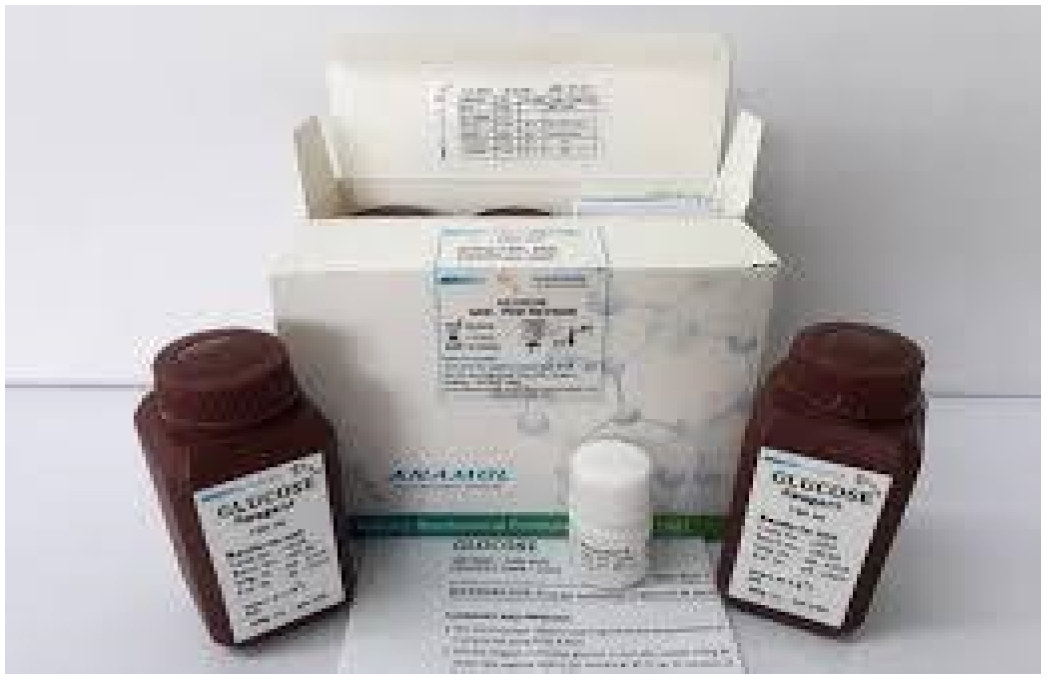
Figure 4: Glucose Reagent Kit for Laboratory Analysis


Figure 5: Erba Chem 5X Semi-Automated Biochemistry Analyzer


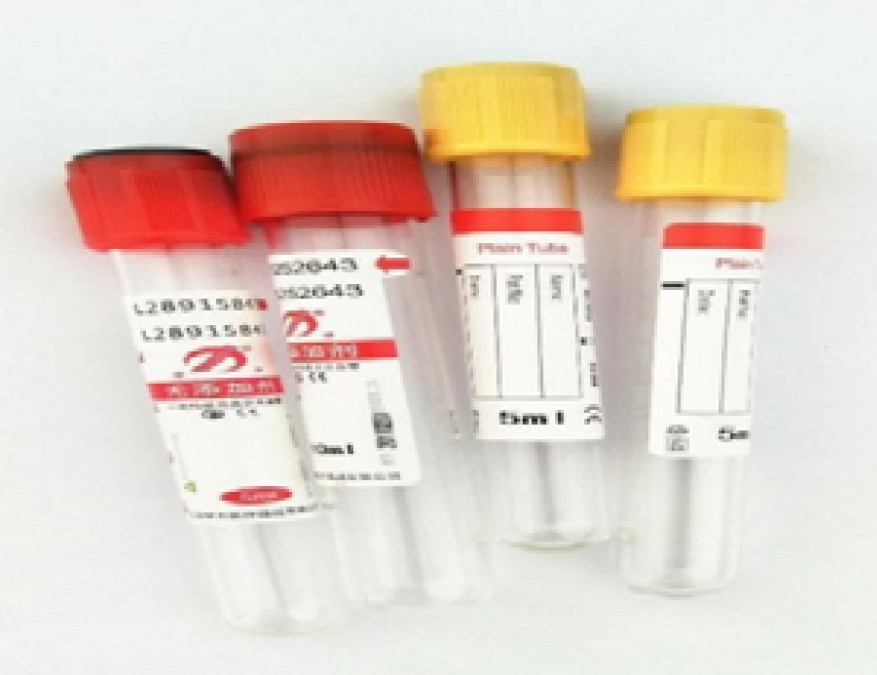
Figure 6: Plain Blood Collection Tubes (Serum Tubes)


It is Very Important to Make Sure That the Blue Color Changes to Yellow Color Completely


  • Read OD at 450nm with a microtiter reader within 15 minutes


Procedure for T4


  • Secured the desired number of coated well in holder Make data sheet with sample identification

  • Dispense 25 µl of standard, specimens and controls into appropriate wells (Figure 5-6)

  • Dispense 100µl of Enzyme conjugate reagent to each well

  • Thoroughly mix for 30 seconds. It is important to complete mixing in this step

  • Incubate at room temperature (18-20) degree C for 60 minutes

  • Remove the incubation mixture by flicking plate contents into a waste container

  • Rinse and flick the microtiter wells 5 times with washing buffer

  • Strike the wells sharply onto absorbent paper to remove residual water droplets

  • Dispense 100µl TMB solution into each well. Gently mix for 5 seconds

  • Incubate at room temperature for 20 minutes without shaking (Figure 7-9)


Procedure for TSH


  • Secure the desired number of coated wells in the holder

  • Dispense 50µl of standard, specimens, and controls into appropriate wells

  • Dispense 100µl of Enzyme conjugate reagent into each well

  • Thoroughly mix for 30 seconds. It is very important to have a complete mixing in this step

  • Incubate at room temperature (18-22°C) for about 60 minutes

  • Remove the incubation mixture by flicking plate contents into a waste container

  • Rinse and flick the microtiter wells 5 minutes with wash buffer

  • Strike the wells sharply onto absorbent paper or paper towels to remove all residual water droplets

  • Dispense 100µl of TMB solution into each well .Gently mix for 5 seconds

  • Incubate at room temperature for 20 minutes.

  • Stop the reaction by adding 100µl of stop solution to each well

  • Gently mix for 30 seconds .It is important to make sure that all the blue colour changes to yellow colour completely

  • Read optical density at 450nm with a microtiter well reader within 15 minutes


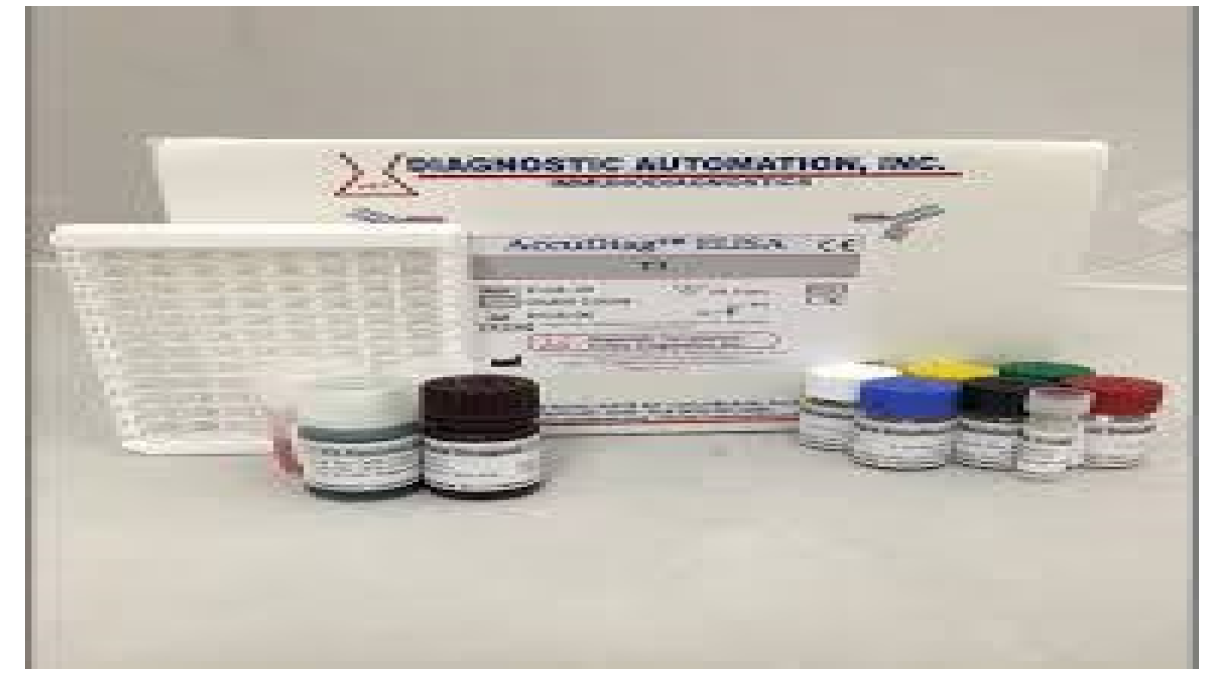
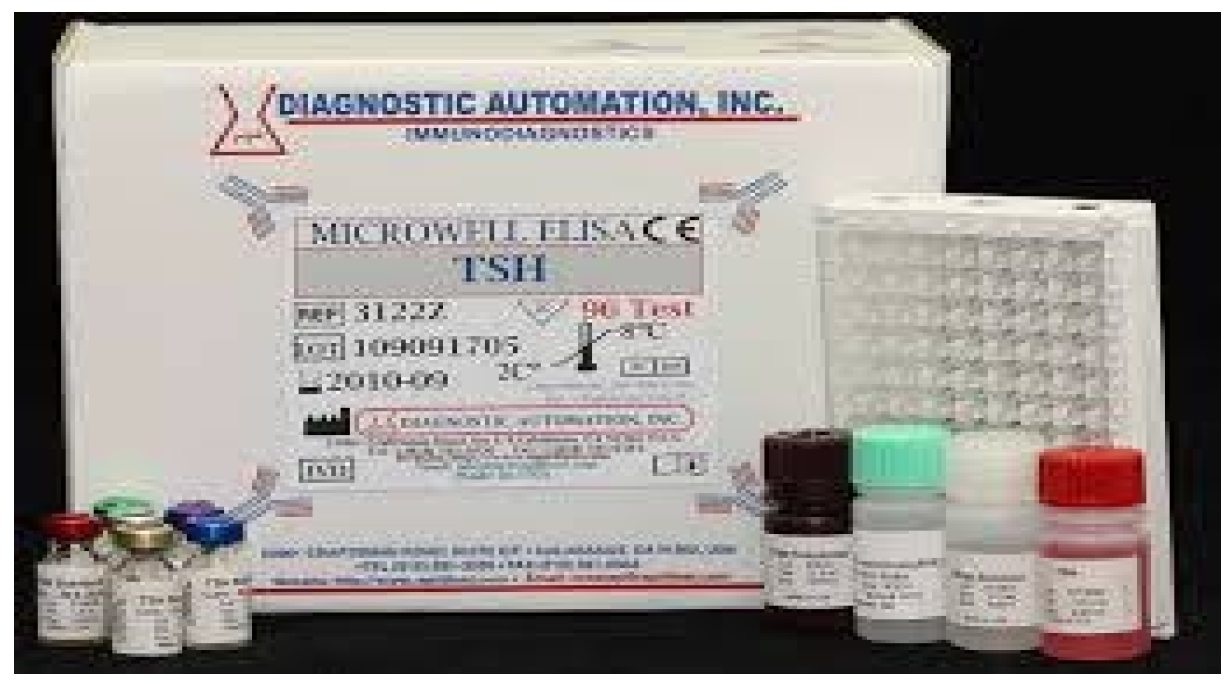
Figure 7: AccuDiag ELISA Kit (Diagnostic Automation, Inc.


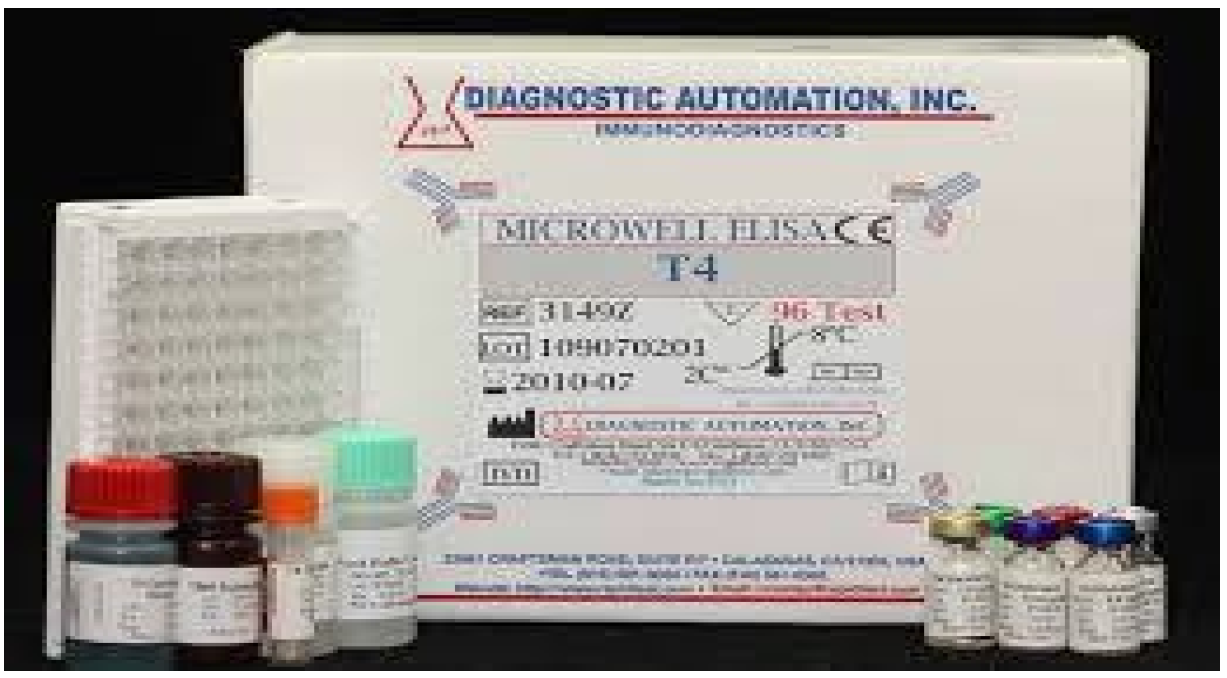
Figure 8: T4 Microwell ELISA Test Kit


Figure 9: TSH Microwell ELISA Test Kit

RESULTS

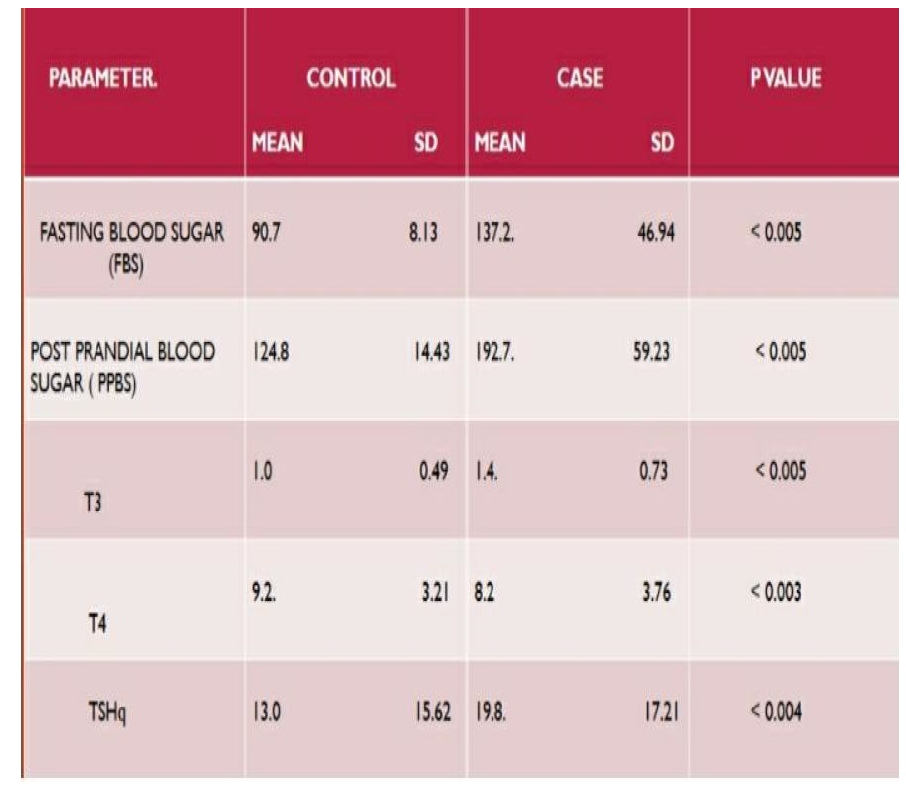
A total of 50 subjects were enrolled in this study. Comprising of 25 T2DM patients and 25 controls. The data of the present study was presented in the form of mean and standard deviation (SD) (Mean SD) Figure 10.


The mean level of fasting blood sugar in T2DM was (137.2+_46.94) and in control was (90.7+_8.13) And found to be statically highly significant (p<0.005).


The mean level of post prandial blood sugar in T2DM was (192.7+_39.23) and in control was (124.8+_14.43) and found to be statistically highly significant (p<0.005).


The mean level of T3 in T2DM was (1.4+_0.73) and in control was (1.0+_0.49) and found to be statically highly significant (p<0.005).


The mean level of T4 in T2DM was (0.2 +_3.76) and in control was (9.2+_3.21) and found to be statically highly significant (p<0.003).


The mean level of TSH in T2DM was (19.8+_17.21) and in control was (13.0+_15.62) and found to be statically highly significant (p<0.004).


  • P<0.05 – significant

  • p<0.001- highly significant


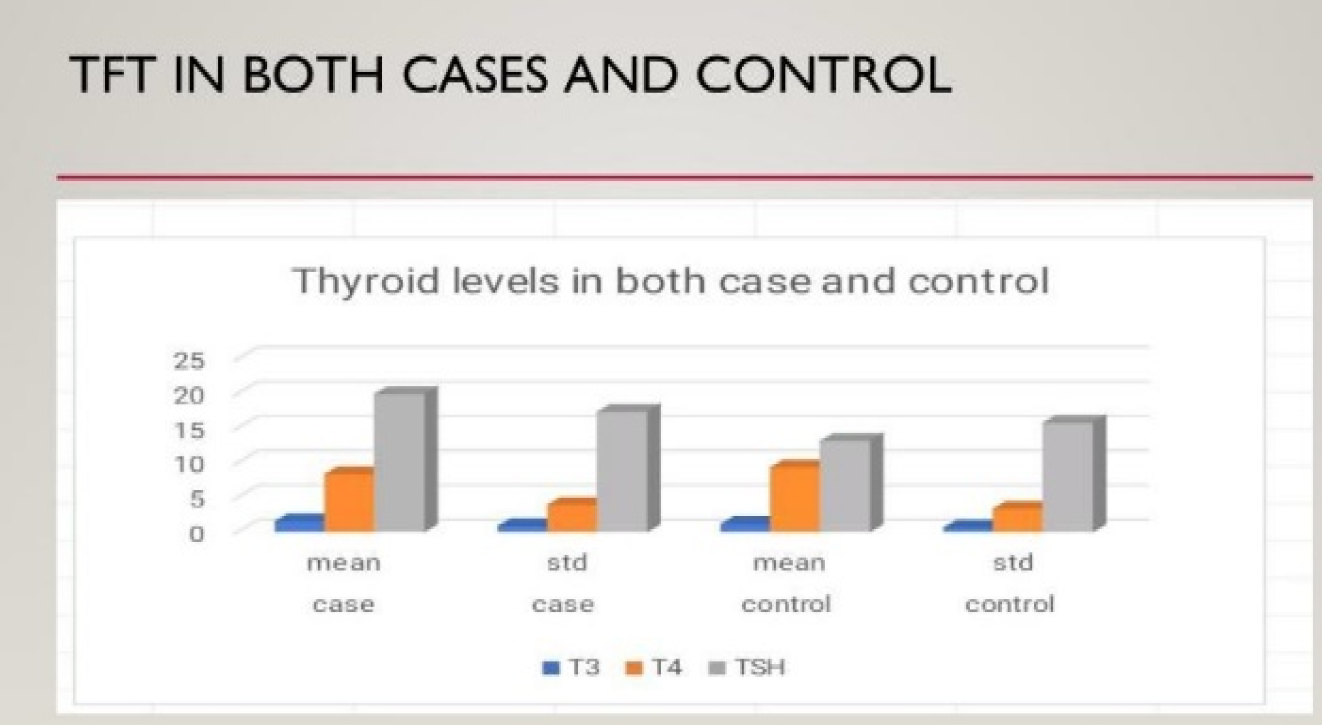
In this graph, we are comparing the variation of thyroid function in type 2 diabetic patient and normal patient. Parameter are indicated according to a colour basis. Blue colour denotes the level of T3. Orange colour denotes the level of T4 and Grey colour denotes the level of TSH. These findings show a high incidence of abnormal thyroid hormone levels in diabetic population (Figure 11).


In our study we found a low T3 state with significantly increased fasting blood glucose and post prandial blood glucose in diabetics. The level of TSH also was significantly different in diabetics (Figure 12-14).


Figure 10: Comparison of Biochemical Parameters between Control and Case Groups


Figure 11: Comparison of Thyroid Function Test (T3, T4, TSH) Levels between Case and Control Groups


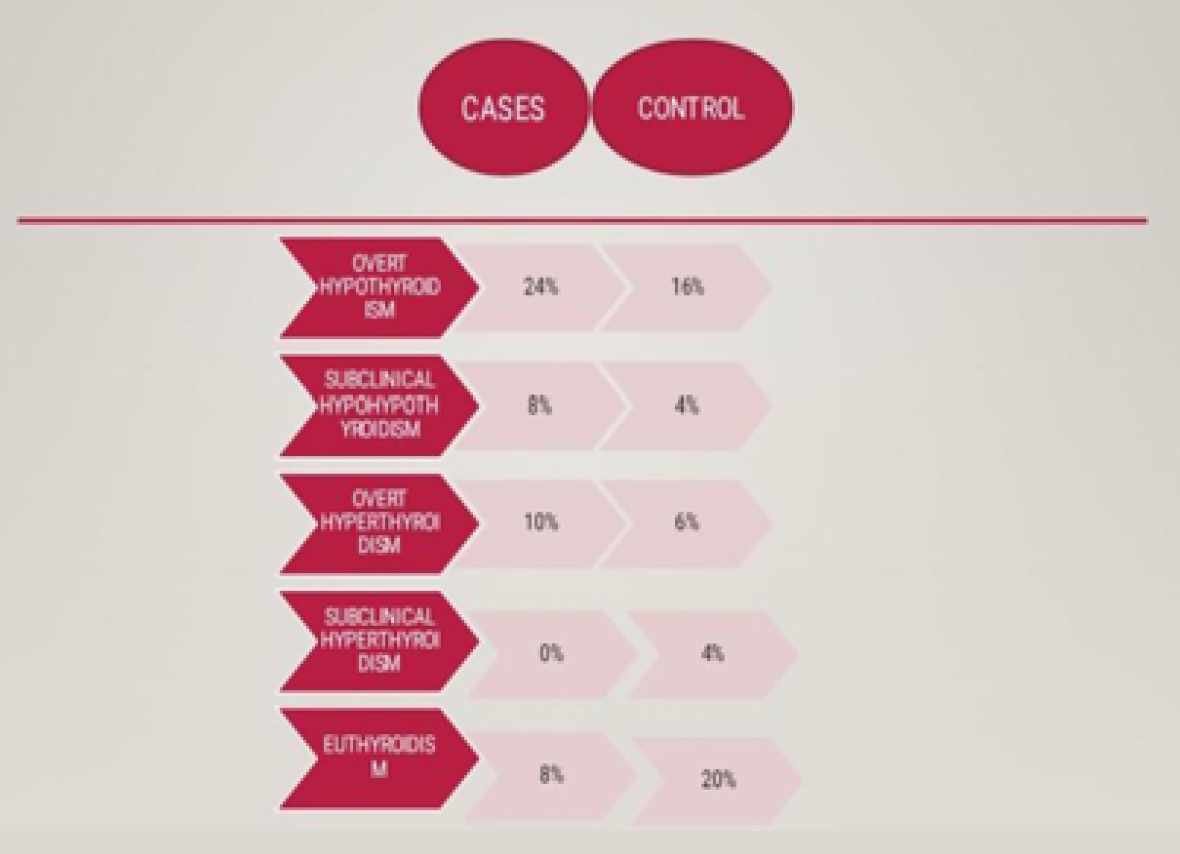
Figure 12: Distribution of Thyroid Dysfunction Patterns among Case and Control Groups


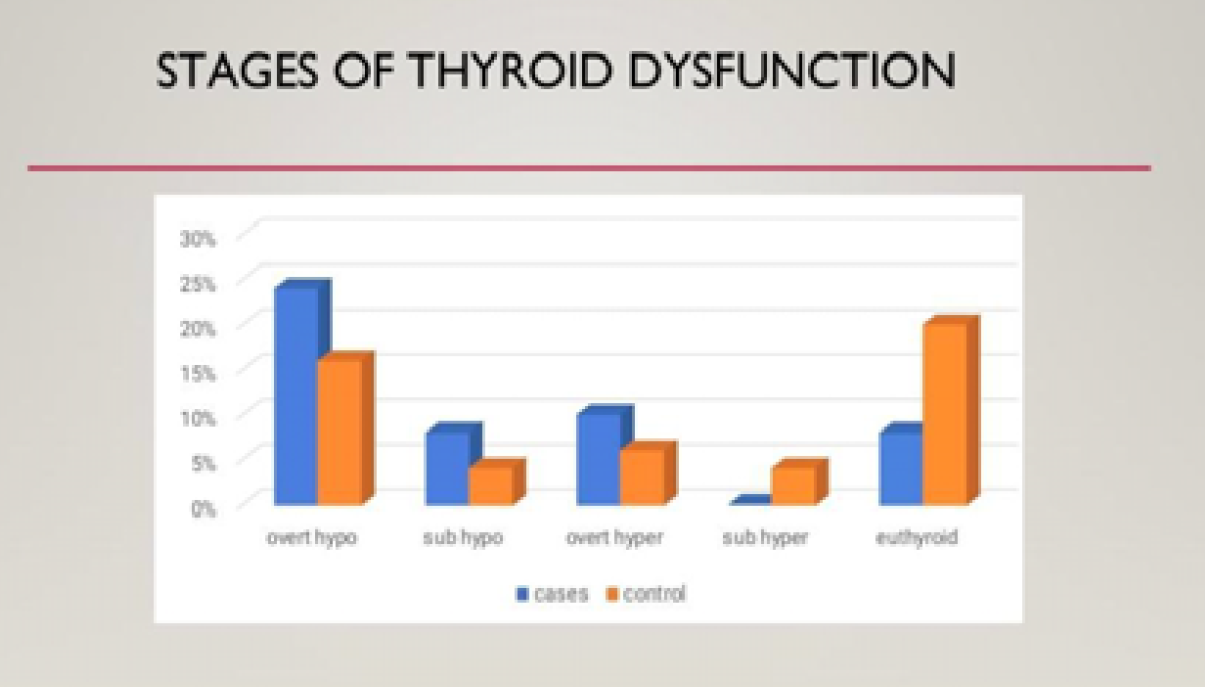
Figure 13: Distribution of Thyroid Dysfunction Stages among Cases and Controls


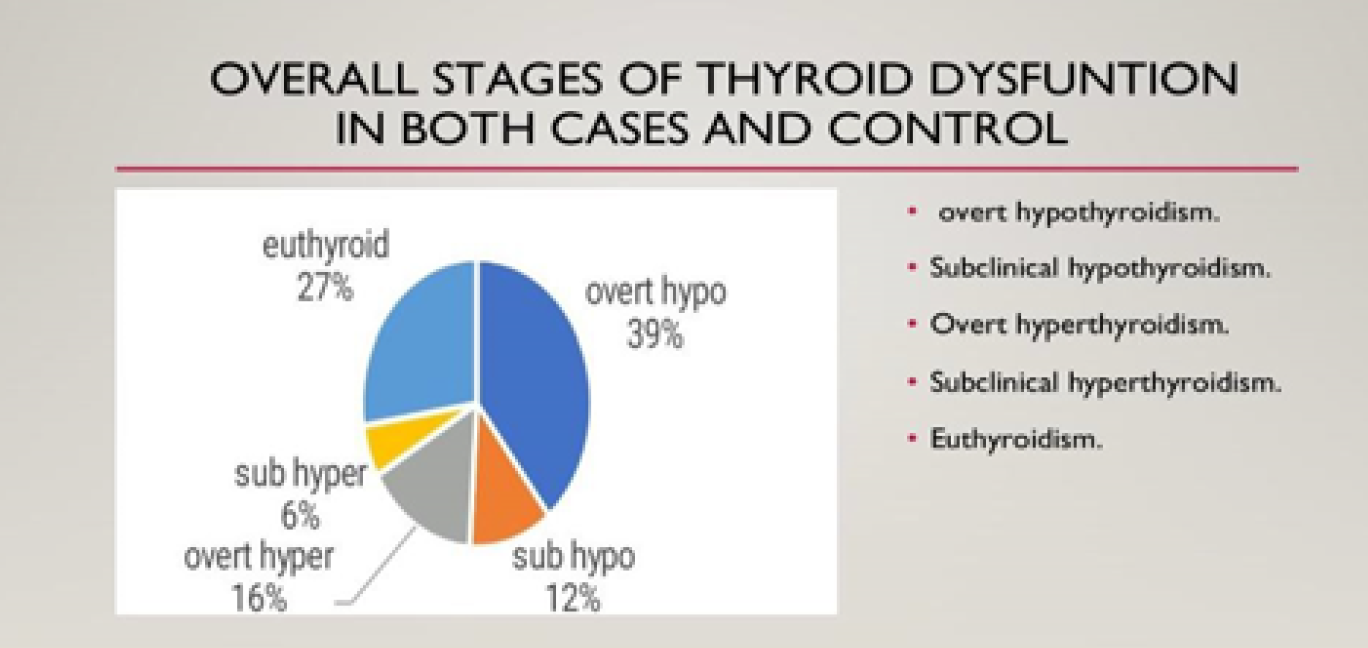
Figure 14: Overall Distribution of Thyroid Dysfunction Stages in the Study Population


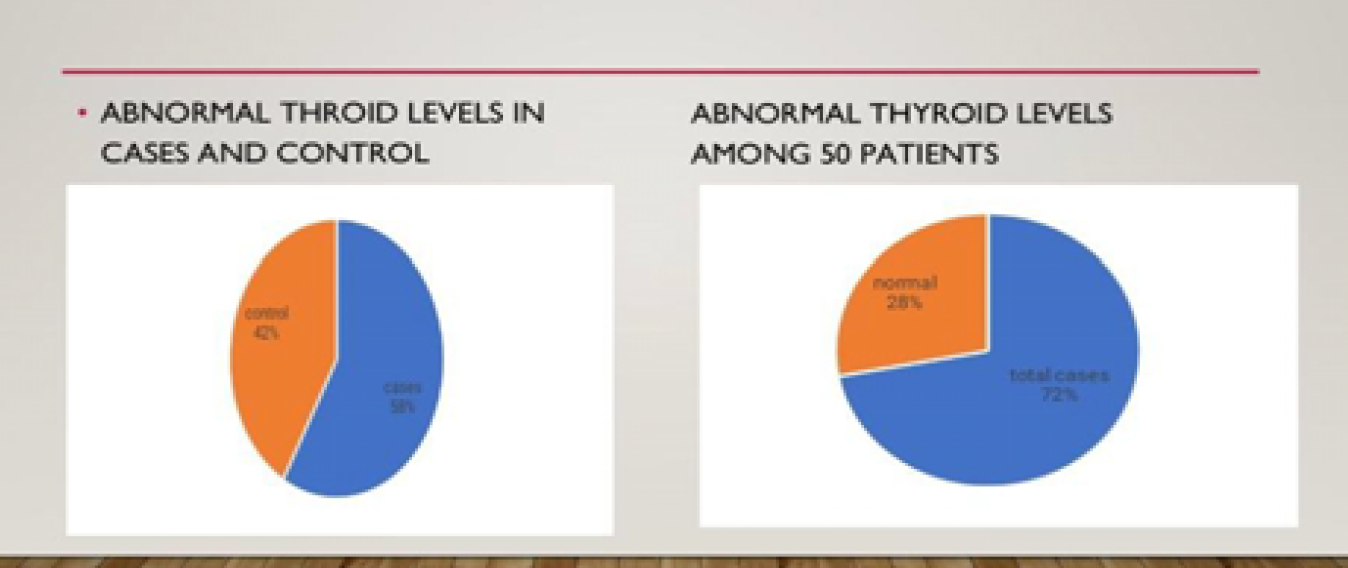
Figure 15: Prevalence of Abnormal Thyroid Levels in Cases and Controls

FBS: 70-110 mg/dL PPBS: <140 mg/dL TSH: 0.39–6.16 mIU/LT3: 0.49–2.02 ng/Ml T4: 4.5 - 12.5 mg /Dl


  • Hypothyroidism when T3, T4 were less and TSH greater than the reference ranges

  • Hyperthyroidism when T3, T4 were greater and TSH less than the reference ranges

  • Subclinical hypothyroidism when T3, T4 were within normal range and TSH greater than the reference ranges

  • Subclinical hyperthyroidism when T3, T4 were within normal range and TSH less than the reference ranges

DISCUSSION

In this study, 50 subjects (25 T2DM Patients) (25 control group) were included. There is complex interaction between Thyroid disorders and Diabetes mellitus. Blood samples were collected, on the studies of thyroid function in patients of type 2 diabetes mellitus. There is a highly significant in total thyroid profile in both cases and control group. These findings were similar to the study done by Vibha Uppal in 2013 (Figure 15).


In this present study, 25 diabetic subjects, investigated (50%) i.e 24% had overt hypothyroidism and 10% of overt hyperthyroidism.8 % had subclinical hypothyroidism. Thus, a total of 42% patients showed thyroid disorder. Also 25 % of the control subjects, 30% had abnormal thyroid status.


The presence of both raised and low levels of thyroid hormone levels in diabetics may be due to modified TRH synthesis and release. In our study, among 50 subjects (both diabetic and nondiabetic), 72% had abnormal thyroid levels and 28% patients had normal thyroid function.

CONCLUSION

The total thyroid values were normal in some individual, and it greatly varies (below or above than normal) in T2DM patients. Thus, the TSH value lesser than normally indicates Hyperthyroidism and TSH greater than normal indicates Hypothyroidism. Abnormal total thyroid values obtained in T2DM patients is more than normal individual. There is a significant association of FBS, PPBS. And TFT in both cases and control group.


Overt hypothyroidism and subclinical hypothyroidism is high in patients with type 2 diabetes mellitus compared to other stages. Finally concluded that, there is a higher prevalence of thyroid disorders in type 2 diabetic patients.


The prevalence of hypothyroidism is high in T2DM compared to hyperthyroidism.

REFERENCE
  1. Prevalence of thyroid dysfunction among type 2 diabetes mellitus patients. PubMed, 2017, http://pubmed.ncbi.nlm. nih.gov/28057505/.

  2. Duntas, L.H. et al. “The interface between thyroid and diabetes mellitus.” Clinical Endocrinology, vol. 75, no. 1, 2011, pp. 1–9.

  3. “Thyroid hormones are positively associated with insulin resistance early in the development of diabetes mellitus.” Endocrine, 2010, https://doi.org/10.1007/s12020-010-9408-3.

  4. Perros, P. et al. “Frequency of thyroid dysfunction in diabetic patients: Value of annual screening.” Diabetic Medicine, vol. 12, 1995, pp. 622–627.

  5. Gu, Y. et al. “The relationship between thyroid function and the prevalence of type 2 diabetes mellitus in euthyroid subjects.” Journal of Clinical Endocrinology and Metabolism, vol. 102, 2017, pp. 434–442.

  6. Centeno Maxzud, M. et al. “Prevalence of thyroid dysfunction in patients with type 2 diabetes mellitus.” Medicina (Mexico), vol. 76, 2016, pp. 355–358.

  7. Ozair, M. et al. “Prevalence of thyroid disorders in North Indian type 2 diabetic subjects: A cross sectional study.” Diabetes and Metabolic Syndrome: Clinical Research and Reviews, vol. 12, no. 3, 2018, pp. 301–304.

  8. Wang, C. “The relationship between type 2 diabetes mellitus and related thyroid diseases.” Journal of Diabetes Research, 2013, Article ID 390534, https://www.ncbi.nlm.nih.gov/pmc /articles/PMC3647563/.

  9. Hage, M. et  al. “Thyroid disorders and diabetes mellitus.” Journal of Thyroid Research, 2011, Article ID 439463, https://www.hindawi.com/journa ls/jtr/2011/439463/.

  10. Garmendia Madariaga, A. et al. “The incidence and prevalence of thyroid dysfunction in Europe: A meta-analysis.” Journal of Clinical Endocrinology and Metabolism, vol. 99, 2014, pp. 923–931.

  11. Palma, C.C. et al. “Prevalence of thyroid dysfunction in patients with diabetes mellitus.” Diabetology and Metabolic Syndrome, vol. 5, 2013, p. 58.

  12. Guastamacchia, E. et al. “Italian Association of Clinical Endocrinologists (AME) and Italian Association of Clinical Diabetologists (AMD) position statement: Diabetes mellitus and thyroid disorders—recommendations for clinical practice.” Endocrine, vol. 49, 2015, pp. 339–352.

  13. Ladenson, P.W. et al. “American Thyroid Association guidelines for detection of thyroid dysfunction.” Archives of Internal Medicine, vol. 160, 2000, pp. 1573–1575.

  14. Ward, R.J. et al. “Should we be screening for thyroid dysfunction in patients with type 2 diabetes mellitus?” British Journal of General Practice, vol. 68, 2018, pp. 94–95.

  15. Ray, S. and S. Ghosh. “Thyroid disorders and diabetes mellitus: Double trouble.” Journal of Diabetes Research and Therapy, vol. 2, 2016, pp. 1–7.

  16. Nishi, M. “Diabetes mellitus and thyroid diseases.” Diabetology International, vol. 9, 2018, pp. 108–112.

  17. Nair, A. et al. “Prevalence and associations of hypothyroidism in Indian patients with type 2 diabetes mellitus.” Journal of Thyroid Research, 2018.

  18. Mirboluk, A.A. et al. “Thyroid function test in diabetic ketoacidosis.” Diabetes and Metabolic Syndrome, vol. 11, suppl. 2, 2017, pp. S623–S625.

  19. Tang, Y. et al. “Correlation between insulin resistance and thyroid nodule in type 2 diabetes mellitus.” International Journal of Endocrinology, 2017, Article ID 1617458.

  20. Iranparvar, M. et al. “Thyroid dysfunction and autoimmunity in pregnant women with gestational diabetes mellitus: A cross-sectional study.” International Journal of Advanced Medicine, vol. 2, 2017, pp. 350–353.

  21. Tirosh, D. et al. “Hypothyroidism and diabetes mellitus – a risky dual gestational endocrinopathy.” PeerJ, vol. 1, 2013, pp. 52.

  22. Khatiwada, S. et al. “Thyroid dysfunction and associated risk factors among Nepalese diabetes mellitus patients.” International Journal of Endocrinology, 2015, Article ID 570198.

  23. Demitrost, L. and S. Ranabir. “Thyroid dysfunction in type 2 diabetes mellitus: A retrospective study.” Indian Journal of Endocrinology and Metabolism, vol. 16, suppl. 2, 2012, pp. S334–S335.

  24. Wu, J. et al. “Relationship between diabetic retinopathy and subclinical hypothyroidism: A meta-analysis.” Scientific Reports, vol. 5, 2015, Article 12212.

  25. pHan, C. et al. “Subclinical hypothyroidism and type 2 diabetes: A systematic review and meta-analysis.” PLOS ONE, vol. 10, no. 8, 2015, e0135233.

  26. Aschebrook-Kilfoy, B. et al. “Diabetes and thyroid cancer risk in the National Institutes of Health-AARP Diet and Health Study.” Thyroid, vol. 21, 2011, pp. 957–963.

  27. Arnetz, L. et al. “Effect of pioglitazone on thyroid hormones and IGF-I in patients with type 2 diabetes.” Journal of Thyroid Disorders and Therapy, vol. 3, 2013, p. 1.

  28. Kadiyala, R. et al. “Thyroid dysfunction in patients with diabetes: Clinical implications and screening strategies.” International Journal of Clinical Practice, vol. 64, 2010, pp. 1130–1139.
Recommended Articles
Research Article
Knowledge of the Patient's Family about the Level of Emergency Based on Triage with the Satisfaction of the Patient's Family in the Emergency Department of the Sumedang Area General Hospital
...
Published: 30/03/2024
Download PDF
Research Article
The Influence of Murottal Al Qur'an Surat Ar Rahman Irama Hijaz Therapy on the Pain Scale of Post-Explorative Laparatomy Patients in the Icu Room of Bandung City Hospital
...
Published: 30/03/2024
Download PDF
Research Article
The role of IFN-g gene polymorphism (+874 T/A) as predisposing factor for pulmonary tuberculosis
Download PDF
Research Article
Caesarean Scar Pregnancy
...
Published: 02/02/2023
Download PDF
Chat on WhatsApp
Flowbite Logo
PO Box 101, Nakuru
Kenya.
Email: office@iarconsortium.org

Editorial Office:
J.L Bhavan, Near Radison Blu Hotel,
Jalukbari, Guwahati-India
Useful Links
Order Hard Copy
Privacy policy
Terms and Conditions
Refund Policy
Shipping Policy
Others
About Us
Team Members
Contact Us
Online Payments
Join as Editor
Join as Reviewer
Subscribe to our Newsletter
+91 60029-93949
Follow us
MOST SEARCHED KEYWORDS
Copyright © iARCON International LLP . All Rights Reserved.