Okra (Abelmoschus esculentus) is a popular vegetable. This crop is one of the most commonly recognized and used species of the Malvaceae family. Okra is known by many different local names around the world, such as (Bamia) in Iraq and Arab countries. The promotion of native genotypes can help limit the impact of pests that harm crops for their long-term settlement in these geographical regions but the introduction of new genotypes from plants increased pest and disease incidence. Despite the significant production of the concealed genotypes, the whitefly was infected more in the local genotypes. Where the density of insects varies by period, the maximum was 60 days after germination and the lowest after 30 days, which differed considerably among them. The percentage loss in plant height and production also demonstrated a clear effect of the whitefly, which considerably lowered plant height and productivity. The concentration of phosphorus and calcium in plant leaves decreased significantly in the genotypes affected by the insect, although potassium and total phenols rose in the leaves of plants infected with the insect.
Keywords
Okra Genotype
Whitefly
% Increase
Local Seed
Marketing Value
INTRODUCTION
Okra (Abelmoschus esculentus L.) is a common vegetable crop that is thought to have originated in Africa, North Australia and South East Asia. It is the most widely used vegetable in the Malvaceae family [1,2]. When young, it yields green fragile fruits with many white seeds [3]. It is high in water (H2O), calcium (Ca), iron (Fe), phosphorus (P), vitamins (A and B), carbohydrate, protein, starch, iodine, minerals and energy (4550 kcal kg⁻1) all of which play key roles in human nutrition [4]. From sowing to harvest, a variety of sucking and fruit boring pests have an impact on the production and quality of okra fruits [5]. Various insects, fungi, nematodes and viruses can cause damage to the crop. Its cultivation in Iraq is hampered by the high prevalence of viral diseases, such as Yellow vein mosaic virus (YVMV) and Okra enation leaf curl virus (OELCV), which are spread by an insect vector, the whitefly [6]. Whiteflies, aphids, jassids, thrips and mites are the most common sucking pests of okra, Whitefly, Bemisia tabaci Gennadius, is a sucking pest that causes economic damage to okra by feeding on phloem sap and contaminating leaves and fruits with honey dew, which causes sooty mould formation [7]. Whiteflies are notable for their ability to infest a variety of crops, as well as their resistance to insecticides, high rates of reproduction and dispersal and efficient activity as virus vectors [8]. The whitefly's feeding influences the plant's traits and production, as well as its concentration of mineral elements, enzymes and phenols [9]. In light of the whitefly's resistance to most insecticides and the negative effects of pesticides on the ecosystem, the world has turned to the use of resistant or unfavorable whitefly varieties as one of the solutions to reduce its economic damage [10]. Temperature, the presence of endosymbionts, host plants, associated viruses and management can all influence insect behavior and development. These factors have a significant impact on the dominance and establishment of whiteflies [11]. Cultural control is an excellent option in which environmental changes can have a positive or negative impact on pest infestations in the cultivated area. According to research, the nitrogen content of a plant can increase egg production, allowing the insect to get the nutrients it needs for development and oviposition in a shorter feeding period [12]. This study was carried out to determine the genetic structures of the okra plant available in local and imported markets, as well as its ability to withstand infection by the whitefly insect, as well as the whitefly insect's preference for the structures cultivated in Iraq.
MATERIALS AND METHODS
Experiment layout
The field tests were conducted during the growing seasons of 2020-2021 and 2021-2022. The experiment was designed in a Randomized Complete Block Design (RCBD). The field's land area was 1000 cm2 and the field was divided into lines with a length of 3 meters. Three replicates were used for each experimental unit, with each line considered a replicate. The cultivars' seeds were planted. Table 1 has more information.
Table 1: Genotypes of the Okra Plant Under Research
Seq.
Name of genotypes
Producing corporation
Country
1
Oscar BB 39
Best bio seed
UK
2
Syltanuh F1
Houseagri seed
Taiwan
3
Hussainawya
variety Local
variety Local
To keep insects away from the plants, a heavy wooden box was covered with a transparent cloth. Before beginning the experiment, whiteflies were raised in wooden cages on eggplant. Whenever the seedlings were 15 days old after germination, whiteflies were distributed at a rate of 15 insects per plant. The plant was irrigated every day and fertilized with NPK-balanced fertilizer at a rate of 2 mg/L water. then took the required measurements.
Whitefly screening in natural conditions
The egg and adult population was calculated by collecting three leaves from the plant at various elevations and dividing the total by the number of plants in each duplicate. The number of insects found in 1 cm2 of the selected leaves was determined. The average for each genotype is then calculated. After 30, 45 and 60 days, the number of insects was calculated.
Morphological Parameters of the Plants
Plant Height (cm): was measured at 70% flowering in five plants from each replication and expressed in centimeters
Yield per Plant (gm): Yields were estimated in grams from the start to the end of the season
Leaf Mineral Concentration: The mineral content was assessed method using the AOAC [13]
Phosphorus (P) (mg/100 g): The vanadomolybdate technique was used to colorimetric method determine phosphorus (P)
Calcium (Ca) (mg/100 g): The amounts of calcium (Ca) were determined using an atomic absorption spectrophotometer
Potassium (K) (mg/100 g): The standard flame emission photometer was used to determine potassium (K) contents
Total Phenolic (µg/ml): The total phenolic content of okra leaves was determined using the method described by CI and Indira [14]
% decrease and % increase: Farina et al. [15]
Statistical Analysis
A randomized complete block design was used in the experiment (RCBD). The data was statistically analyzed using GenStat Version 18. (LSD, 0.05).
RESULTS AND DISCUSSION
Whitefly Screening in Natural Conditions
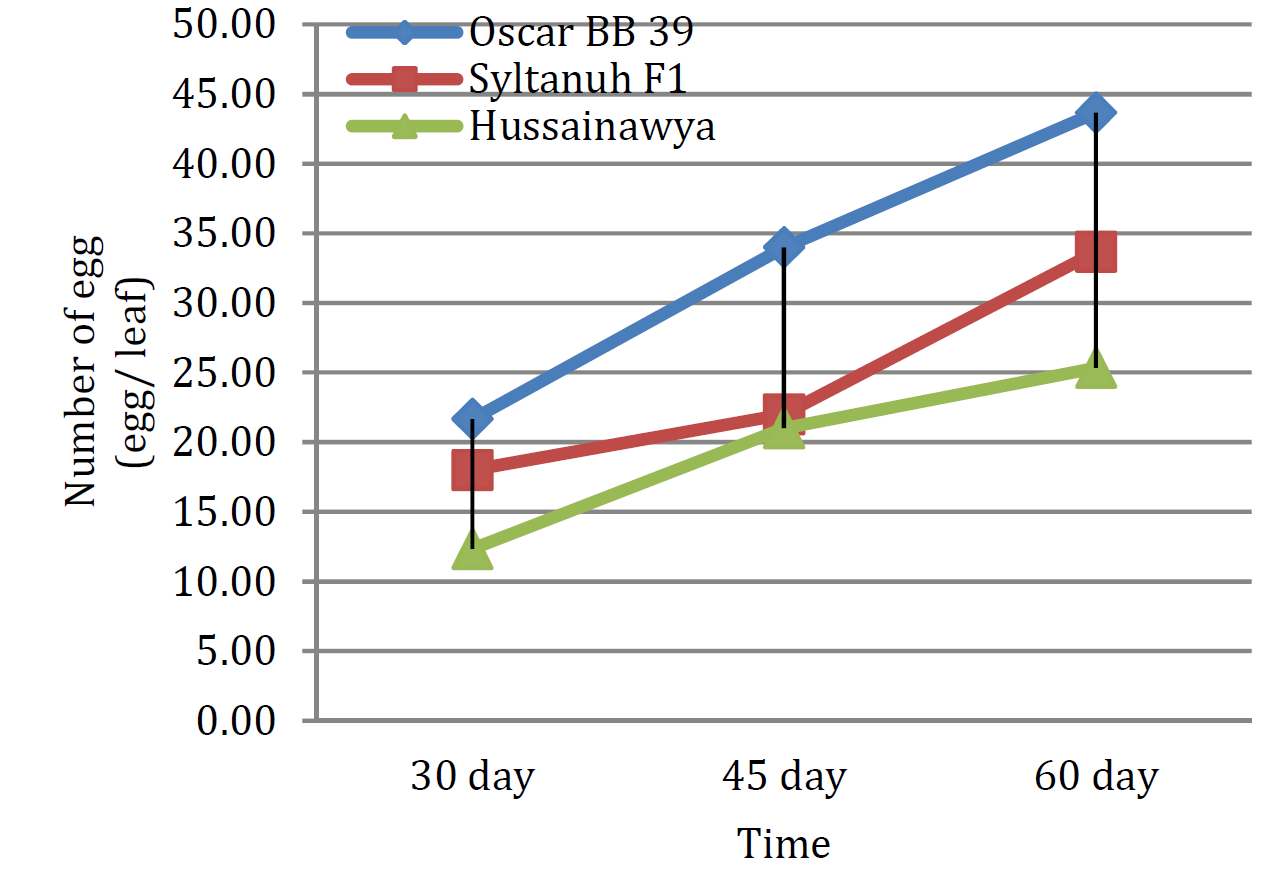
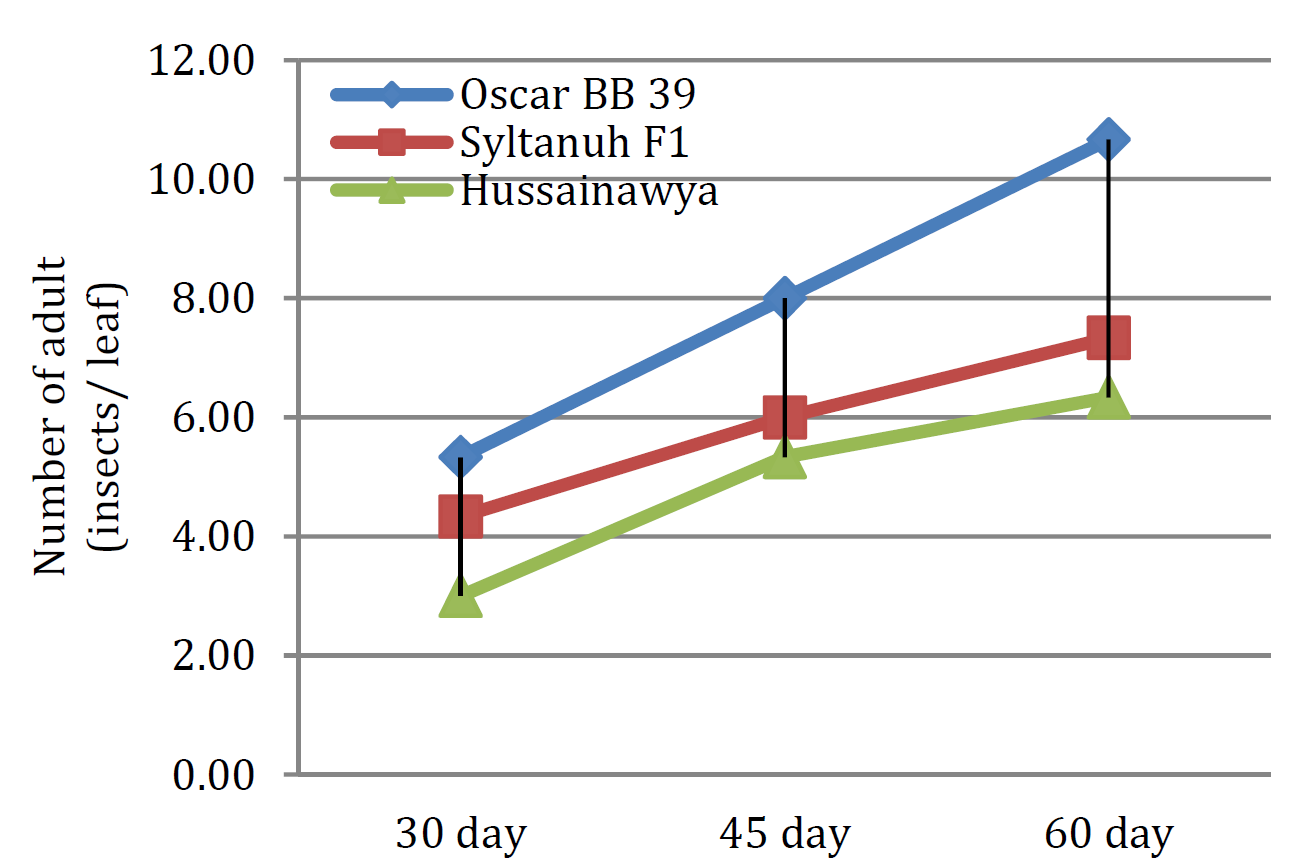
Figure 1 shows the number of whitefly adults observed throughout various periods and genotypes of okra plants. The results show that the Oscar BB 39 genotype was favored by more whitefly insects than the other genotypes produced in the experiment, whereas the local genotype was less liked. The number of whitefly insects was significant, with the highest incidence occurring after 60 days after seed germination.
Figure 1: Number of Egg Whiteflies for Okra Genotype, as per Time
In terms of egg number, it is logical that the genotype Oscar BB 39 has more eggs since it is favored by adults and hence the number of eggs is higher than in the local Hussainawya genotype (Figure 1). In a study to test several okra cultivars against whitefly, Nawaz et al. [9] discovered that OK-1304 and Pen Beauty were less infested with the insect than the rest of the cultivars studied, with mean populations of 4.10 and 4.97 adults/leaf, respectively, while OK-1307 was highly susceptible to B. tabaci (10.22 adults/leaf). Insects' predilection for certain plants may be connected to the plant's color, fragrance and certain of its characteristics [16].
Figure 2: Number of adult whiteflies for okra genotype, as per time
Morphological Parameters of the plants
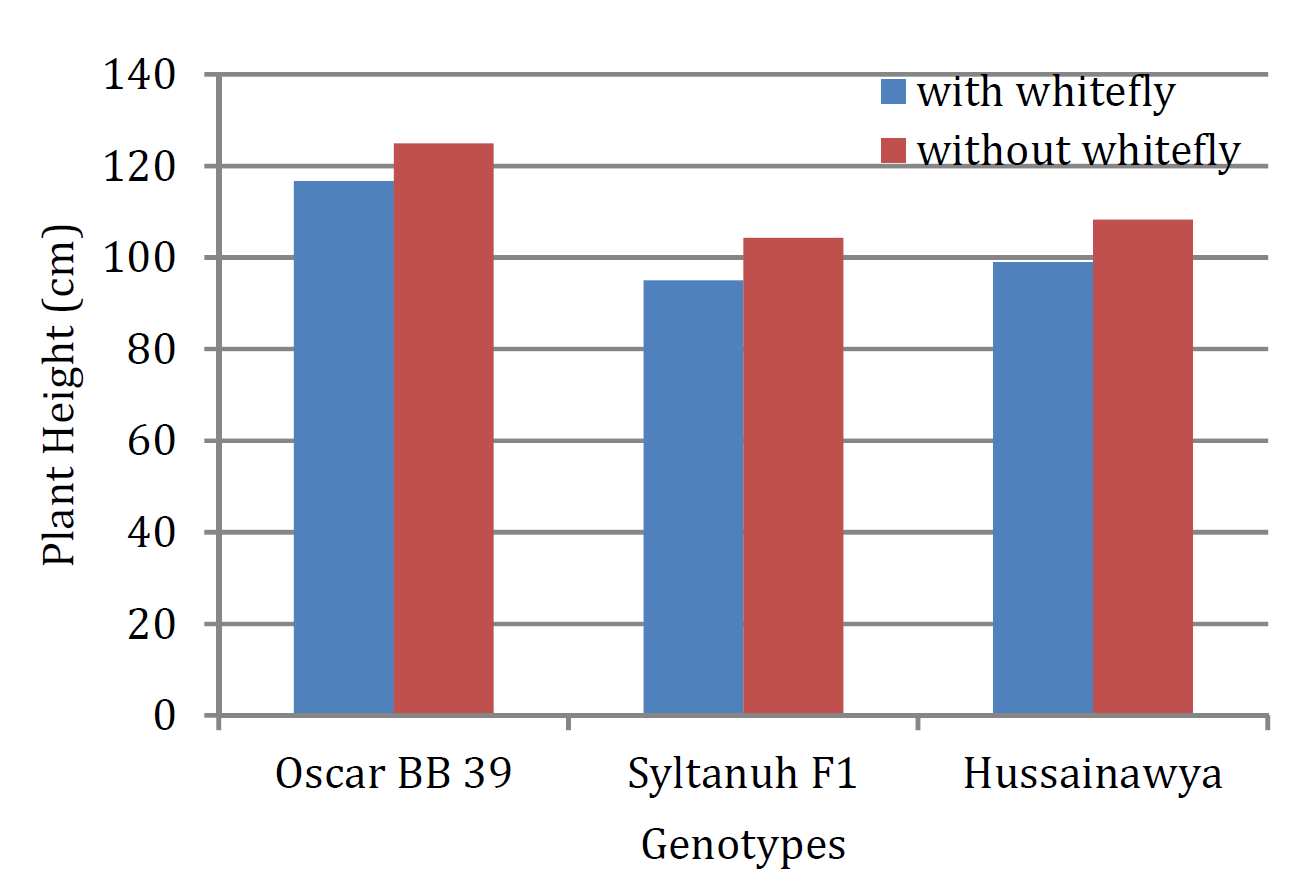
The plant height varied across the genotypes tested, as indicated in Figure 3. The tallest genotype was Oscar BB 39, followed by the local genotype. However, all genotypes were impacted by whitefly feeding, with a significant effect on the length of the plants with whitefly plants as compared to the ones without whitefly ones. The height of the okra plant is affected by insect infestation, as mentioned by Halder et al. [17].
Figure 3: The Whitefly Effect on the Plant Height of the Okra Plant
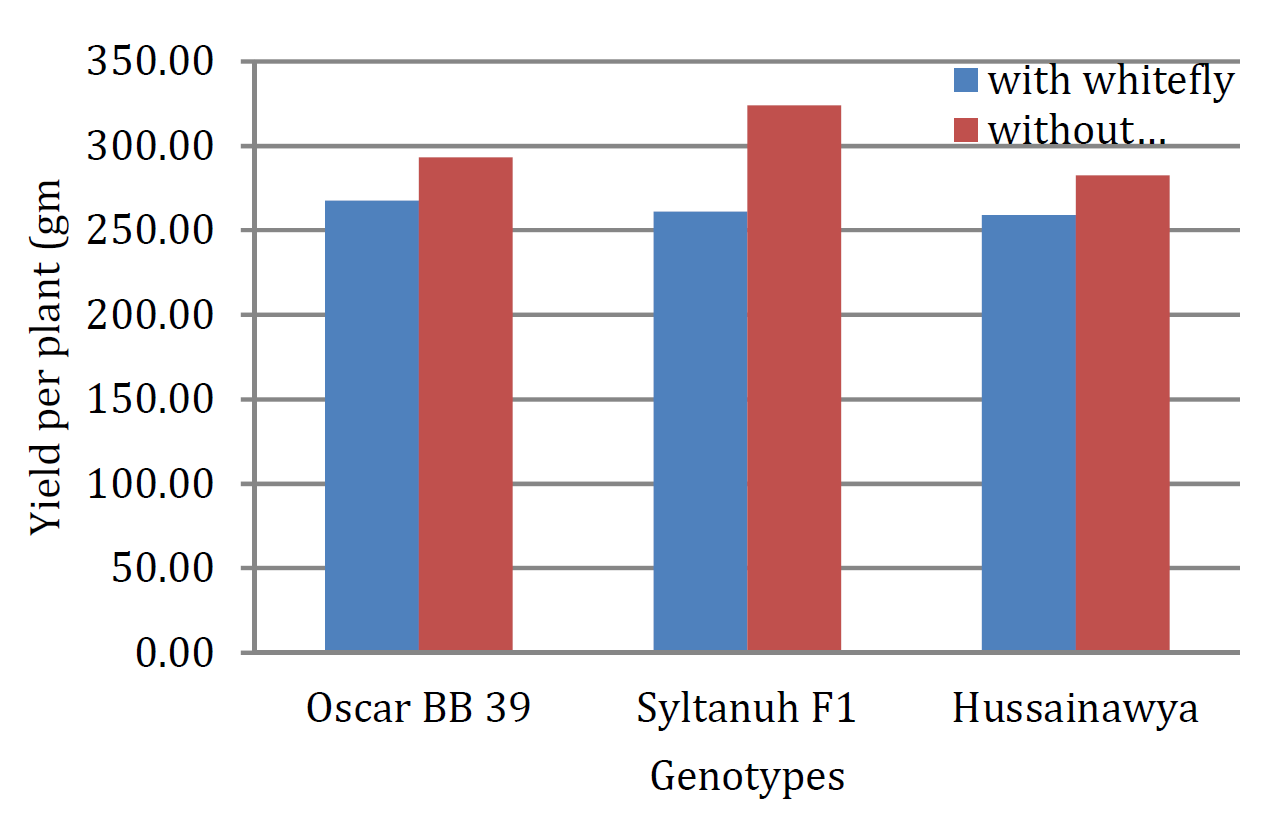
Figure 4 shows that the genotypes differed in the trait of the yield of a single plant, with the Syltannuh F1 genotype having the highest yield, followed by the genotype Oscar BB 39 and the local genotype Hussainawya with the lowest yield. While we find that the yield of one plant was also affected by the effect of the whitefly insect, as illustrated in Figure 5.
Figure 4: The Whitefly Effect on the Yield Per Plant of the Okra Plant
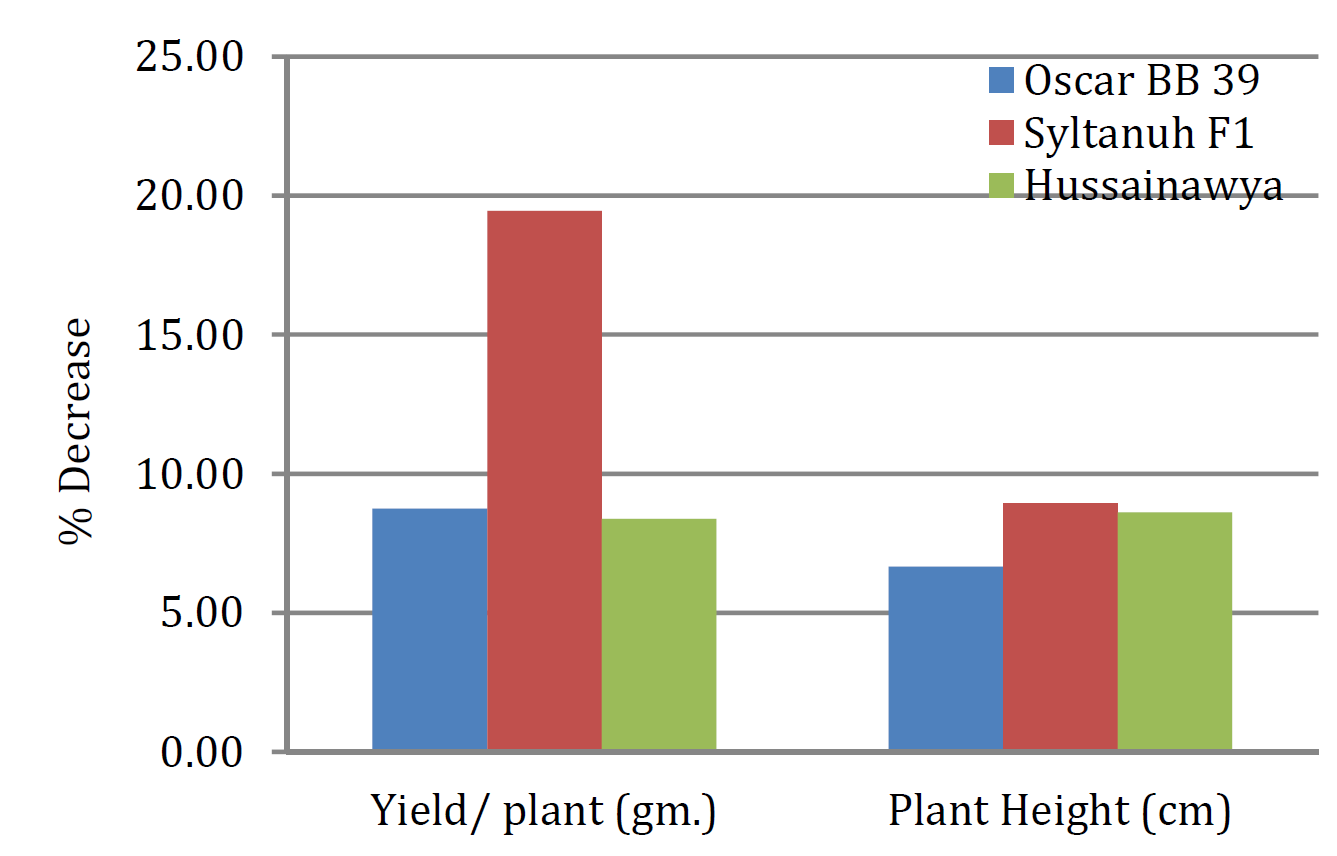
Figure 5 also shows that the Syltanuh F1 genotype was the most damaged by the whitefly, with the biggest loss in plant height and yield compared to the other genotypes studied. Also, in a similar study of ten okra genotypes, it was found that the whitefly insect affects some characteristics of the plant, such as the total yield, plant height and leaf area [18,19].
Figure 5: % Decrease of Three Genotypes to Yield per Plant and Plant Height
Mineral Content in Okra Leaves
Table 2 shows a clear decrease in the average of infected plants, with a substantial difference from healthy plants. We also see that the genotypes' averages differ from one another. The genotype Oscar BB 39 had the greatest average of 34.97 mg/100 g when compared to the other genotypes, while the local genotype Hussaiawya had the lowest average of 26.55 mg/100 g.
Table 2: The Whitefly Effect on the Phosphorus Content of the Okra Plant
Average
Phosphorus (P) (mg/100 g)
Genotypes
Without whitefly
With whitefly
34.97
37.20
32.74
Oscar BB 39
31.22
32.93
29.50
Syltanuh F1
26.55
28.57
24.53
Hussainawya
-
32.90
28.92
Average
Intersection
Infection
Genotypes
LSD (0.05)
2.700
1.559
1.910
Table 3 also revealed that the whitefly infection impacted the plant's calcium content, with infected plants yielding an average of 113.54 mg/100 g, which differed significantly from the average of plants without infection, which was 126.43 mg/100 g. While the genotypes vary greatly, the genotype Hussainawya provided the greatest average of 124.18 mg/100 g, while the genotype Oscar BB 39 provided the lowest rate of 115.33 mg/100 g.
Table 3: The Whitefly Effect on the Calcium Content of the Okra Plant
Average
Calcium (Ca) (mg/100 g)
Genotypes
Without whitefly
With whitefly
115.33
120.53
110.13
Oscar BB 39
120.45
125.57
115.33
Syltanuh F1
124.18
133.20
115.17
Hussainawya
-
126.43
113.54
Average
Intersection
Infection
Genotypes
LSD (0.05)
3.128
1.806
2.212
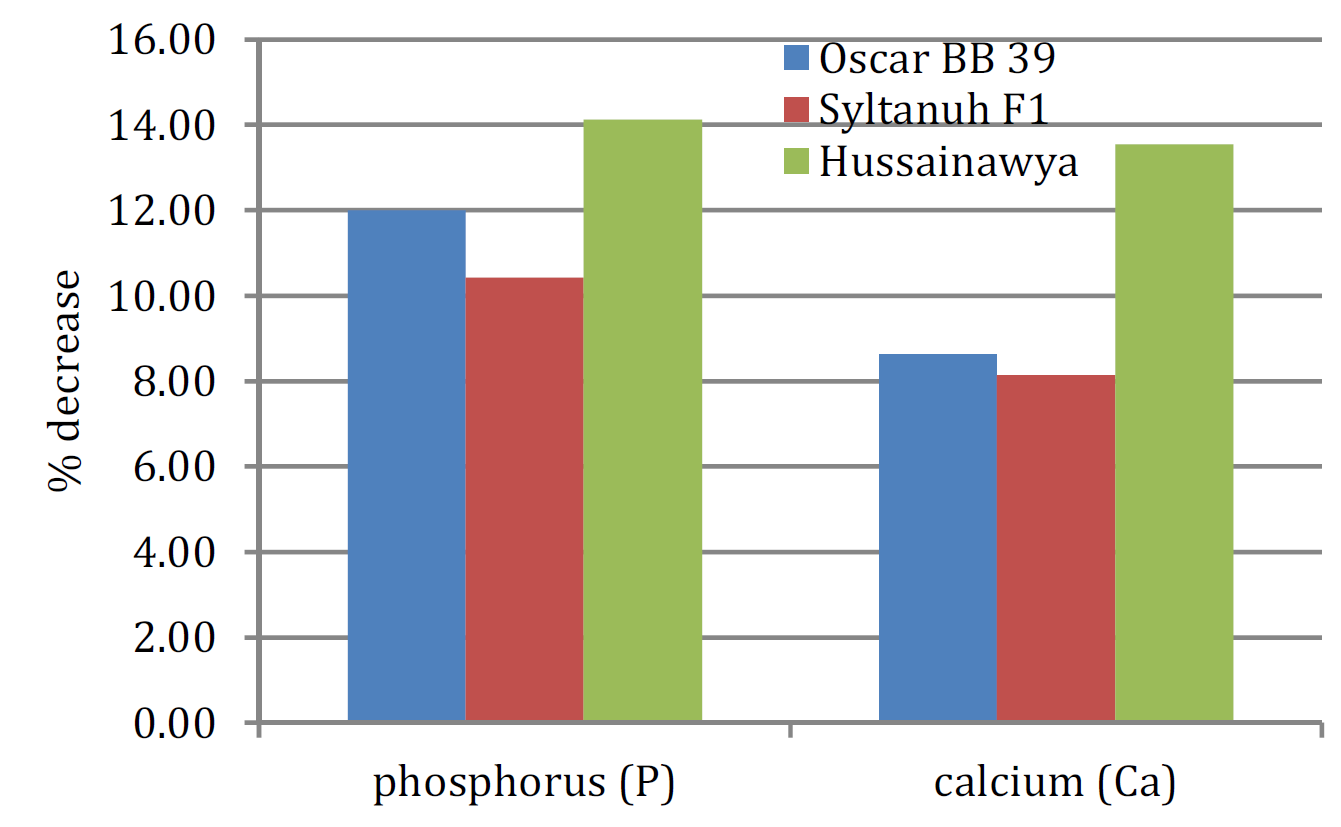
Figure 6 shows that the percentage of decrease in the three phosphorus genotypes varies. The local genotype Hussainawya had the greatest decrease compared to the Syltanuh F1 genotype, which had the least decrease in phosphorus. As shown in the calcium component, the percentage of drop varies across the tested genotypes, with the local genotype being Hussainawya and the genotype being Syltanuh F1, which delivered the least decrease in the calcium component. The explanation for the effect on plant mineral content might be related to the insect-eating and the secretions it produces, which alter the physiological processes of the plant and limit photosynthesis, negatively affecting the mineral content of the leaves [6].
Figure 6: % Decrease of Three Genotypes (Oscar BB 39, Syltanuh F1 and Hussainawya) to Phosphorus and Plant Calcium
The results in Table 4 indicate that the potassium content of plants was affected by the whitefly infection, The infected plants gave an average of 111.89 mg/100 g, which differed significantly from the average of uninfected insects, which reached 96.33 mg/100 g, where we note that The results in Table 4 show that the whitefly infection affected the potassium content of plants, with infected plants giving an average of 111.89 mg/100 g, which differed significantly from the average of uninfected insects, which reached 96.33 mg/100 g, indicating that the potassium element increased due to the whitefly infection. We also observed that the potassium content of the tested genotypes varied significantly, with the genotype Oscar BB 39 having the greatest mean of 116.17 mg/100 g and the genotype Syltanuh F1 with the lowest mean of 90 mg/100 g.
Table 4: The Whitefly Effect on the Potassium Content of the Okra Plant
Average
Potassium (K) (mg/100 g)
Genotypes
Without whitefly
With whitefly
116.17
104.67
127.67
Oscar BB 39
90.00
84.00
96.00
Syltanuh F1
106.17
100.33
112.00
Hussainawya
-
96.33
111.89
average
Intersection
Infection
Genotypes
LSD (0.05)
4.574
2.641
3.235
Table 5 further shows that the plants' Total phenolic content rose as a result of whitefly insect infection, with the average of infected plants being 34.6 µg/ml, which varied considerably from the average of healthy plants, which was 29.95 µg/ml. We also discovered that the genotypes' averages differed significantly in their content of total phenolic, with the local genotype Hussainawya providing the highest rate of 33.98 µg/ml compared to the genotype Syltanuh F1, which provided the lowest average among the tested genotypes (30.14 µg/ml that differed significantly among them). In a study conducted by Nawaz et al. [9] on ten okra genotypes against whitefly infestation, the plant's content of phenols increased due to whitefly infection.
Table 5: The Whitefly Effect on the Total phenolic Content of the Okra Plant
Average
Total phenolic (µg/ml)
Genotypes
Without whitefly
With whitefly
32.70
30.87
34.54
Oscar BB 39
30.14
28.60
31.68
Syltanuh F1
33.98
30.38
37.58
Hussainawya
-
29.95
34.60
average
Intersection
Infection
Genotypes
LSD (0.05)
0.4874
0.2814
0.3447
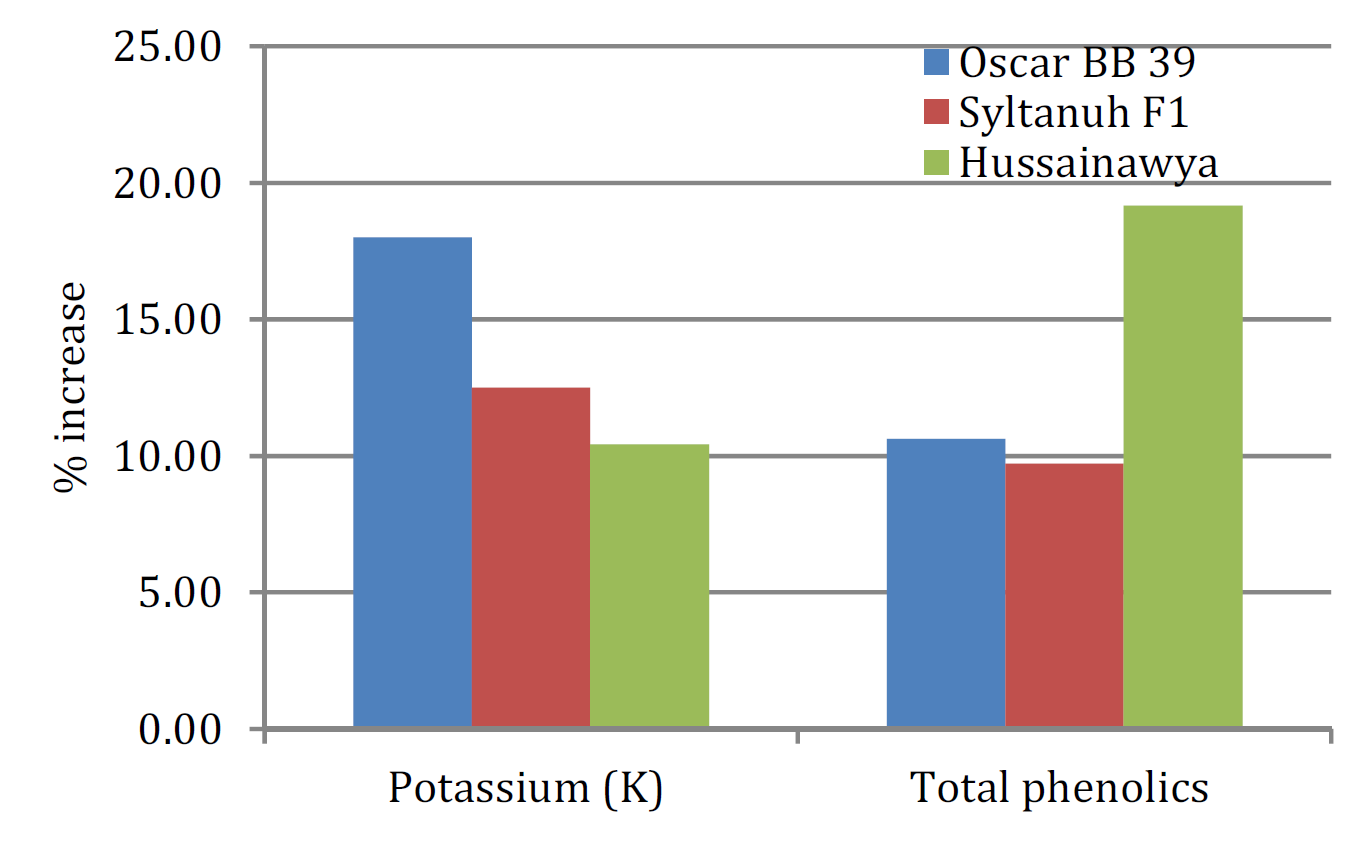
While the percentage of increase in potassium was highest in the genotype Oscar BB 39, the local genotypes had the lowest increase, as shown in Figure 7. By contrast with potassium, it is also visible that the local genotype had the greatest increase in total phenolic. As mentioned, the plant is affected by phenols from insect infestation [17].
Figure 7: % increase of three genotypes to Potassium (K) and Total phenolic
Marketing Value
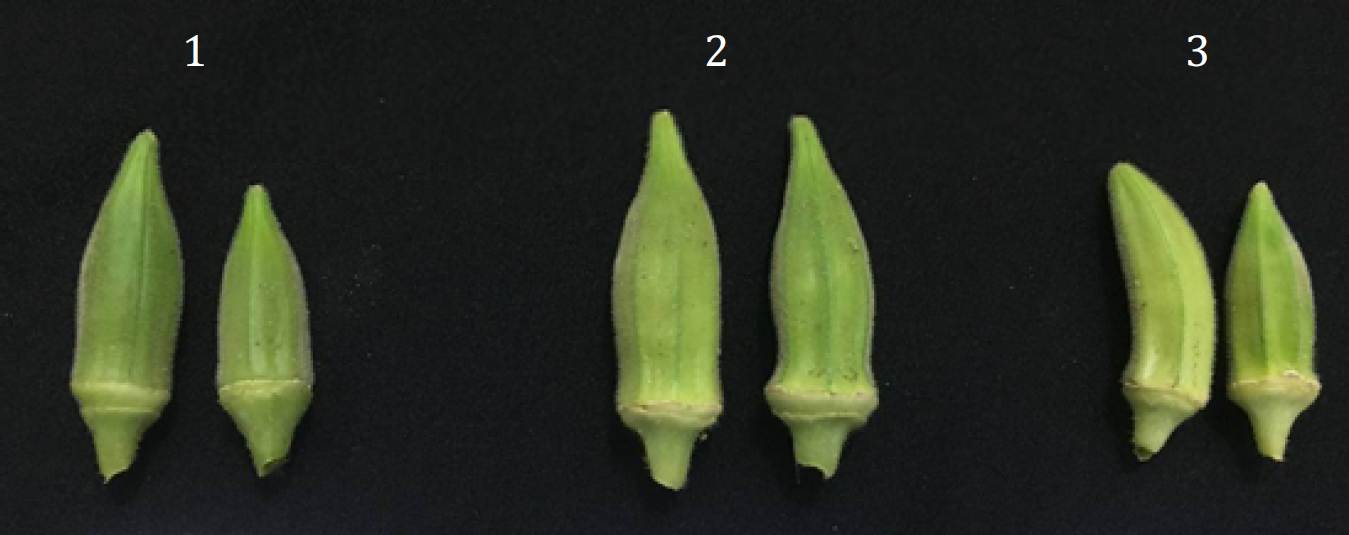
The shape and color of the pods have a significant impact on the marketing value of okra fruits in Iraq. It was observed that genotypes of the okra plant that produce fruits with soft, small, thin and light green characteristics are the most desirable and acquired in the market, as compared to rough-textured and dark green fruits that are not. Due to its dark green color and rough texture, the marketing value of the Oscar BB 39 genotype decreased by 75% compared to the local genotype, as shown in Figure 8. Farmers in Iraq's southern regions stopped cultivating it as a result. Due to the high similarity with the local genotype, the Syltanuh F1 genotype had a 30% decrease in marketing value when compared to the local genotype. The price of one kilogram of okra fruits in local markets reaches roughly 13.5 dollars at the start of production, then begins to fall to settle at 2.7 dollars.
These costs are determined by the region in which the okra is cultivated, the genetic composition of the plant and the size of the fruit pods, this is agreed with Kadhim [20].
Figure 8: The okra fruit pods' appearance and color for the cultivated genotypes
1= Oscar BB 39, 2 = Syltanuh F1, 3 = Hussainawya
CONCLUSION
In conclusion, the study showed that the whitefly had affected all of the tested genotypes, both imported and local and that there was no genetic structure tolerant to infection, as the productivity of okra plants decreased, as did the effect of height but only slightly and the content of plants from phosphorous elements and calcium, where its concentration decreased significantly, while the content of the affected genotypes from potassium and total phenolic increased. The food preference of the whitefly also differed among the tested genotypes, as the imported genotypes preferred Oscar BB 39 over the local genotypes.
REFERENCE
Naveed, A. et al. “Generation Mean Analysis of Water Stress Tolerance in Okra (Abelmoschus esculentus L.).” Pakistan Journal of Botany, vol. 41, no. 1, 2009, pp. 195-205.
Kubitzki, K. and C. Bayer, editors. Flowering Plants: Dicotyledons-Malvales, Capparales and Non-betalain Caryophyllales. Vol. 5, Springer, 2013.
de Jesus, M.M. et al. “Inhibition of Enzymatic Browning in Minimally Processed Okra.” Revista Ciência Agronômica, vol. 39, no. 4, 2008, p. 524.
Khushk, A.M. et al.The Cultivation of Okra in Sindh and Its Economic View. PARC Technology Transfer Institute, 2003, pp. 17-18.
Oliveira, M.R.V. et al. “History, Current Status and Collaborative Research Projects for Bemisia tabaci.” Crop Protection, vol. 20, no. 9, 2001, pp. 709-723.
Joshi, J.L. et al. “Screening of Okra Genotypes for Yellow Vein Mosaic Virus Disease Using ISSR Markers.” Plant Archives, vol. 20, no. 2, 2020, pp. 3776-3777.
Sakriya, S.G. et al. “Screening of Okra Genotypes across Environments for Resistance against Shoot and Fruit Borer, Yellow Vein Mosaic Virus and Enation Leaf Curl Virus under Natural Field Conditions.” 2022.
Krause-Sakate, R. et al. “Population Dynamics of Whiteflies and Associated Viruses in South America: Research Progress and Perspectives.” Insects, vol. 11, no. 12, 2020, p. 847.
Nawaz, A. et al. “Resistance Assessment of Different Okra Cultivars against Whitefly (Bemisia tabaci).” Gesunde Pflanzen, vol. 72, no. 4, 2020, pp. 361-369.
Karem, M.H. et al. “Population Assessment of Whitefly (Bemisia tabaci (Genn.)) for Ten Tomato Genotypes.” Texas Journal of Agriculture and Biological Sciences, vol. 8, 2022, pp. 101-106.
Hoffmann, A.A. et al. “Adaptation of Drosophila to Temperature Extremes: Bringing Together Quantitative and Molecular Approaches.” Journal of Thermal Biology, vol. 28, no. 3, 2003, pp. 175-216.
Park, M.K. et al. “Effect of Nitrogen Levels of Two Cherry Tomato Cultivars on Development, Preference and Honeydew Production of Trialeurodes vaporariorum.” Journal of Asia-Pacific Entomology, vol. 12, no. 4, 2009, pp. 227-232.
AOAC. Official Methods of Analysis International. Association of Official Analytical Chemists, 2000.
CI, K.C. and G. Indira. “Quantitative Estimation of Total Phenolic, Flavonoids, Tannin and Chlorophyll Content of Leaves of Strobilanthes kunthiana (Neelakurinji).” Journal of Medicinal Plants, vol. 4, 2016, pp. 282-286.
Farina, A. et al. “Bemisia tabaci (Hemiptera: Aleyrodidae): Relationships with and Morpho-Physiological Effects on Host Plants.” Insects, vol. 13, no. 4, 2022.
Alhmadi, H.B. et al. “A Novel Study in Iraq Changing the Behavior of Food Preference for Adult Ladybirds on Aphis fabae Scopoli When Spraying Prey with Plant Extracts.” Journal of University of Shanghai for Science and Technology, vol. 22, no. 10, 2020, pp. 1939-1943.
Halder, J. et al. “Mechanisms of Physical and Biochemical Resistance against Leafhopper (Amrasca biguttula biguttula) in Okra (Abelmoschus esculentus) Genotypes.” 2016.
Tanni, A.S. et al. “Screening of Exotic Okra Genotypes to Explore Breeding Materials for Pest Resistance and High Yield.” Bangladesh Journal of Entomology, vol. 29, 2019, pp. 17-26.
Bhalu, A. et al. “Varietal Screening of Okra against Whitefly, Bemisia tabaci (Gennadius).” Journal of Pharmacognosy and Phytochemistry, vol. 8, no. 5, 2019, pp. 50-53.
Kadhim Oda, H. “Economics of Okra Production in Babylon Province-Iraq.” Euphrates Journal of Agriculture Science, vol. 9, no. 4, 2017.
Recommended Articles
Research Article
The Impact of Medicinal Plant Extracts on Entamoeba histolytica Parasite in Rats: A Study on Hematological and Biochemical Parameters
Haneen Mohanad Maher,
...
Noor Rassam kamil
Published: 28/02/2026
Download PDF
Research Article
The use of dual spectrum reflectivity (NDSI, SI) in diagnosing the distribution of some types of salts in the founding organelle in the sura and wasit contacts.
Saadia M. Saleh
Published: 30/10/2023
Download PDF
Research Article
Determination of the Factors that Define the Tropism of Astroviruses in Established Cell Lines
Marwah Ali Oudah,
...
Shahad Ahmed Bakheet
Published: 15/12/2025
Download PDF
Research Article
Genetics study of Leptin Gene Polymorphism for Adolescent obese of Thi-Qar Province
Taleb K. Odah,
Huda Taher Faisal
Published: 25/08/2023
Download PDF
PO Box 101, Nakuru
Kenya.
Email: office@iarconsortium.org
Editorial Office:
J.L Bhavan, Near Radison Blu Hotel,
Jalukbari, Guwahati-India
Karem, M. H. (2022). Population evaluation of whitefly (Bemisia tabaci (Genn.)) for several okra genotypes in Iraq. Scientific Research Journal of Agriculture and Life Sciences, 2(2), 1-5.
MLA
Karem, Malik H.. "Population evaluation of whitefly (Bemisia tabaci (Genn.)) for several okra genotypes in Iraq." Scientific Research Journal of Agriculture and Life Sciences 2.2 (2022): 1-5.
Chicago
Karem, Malik H.. "Population evaluation of whitefly (Bemisia tabaci (Genn.)) for several okra genotypes in Iraq." Scientific Research Journal of Agriculture and Life Sciences 2, no. 2 (2022): 1-5.
Harvard
Karem, M. H. (2022) 'Population evaluation of whitefly (Bemisia tabaci (Genn.)) for several okra genotypes in Iraq' Scientific Research Journal of Agriculture and Life Sciences 2(2), pp. 1-5.
Vancouver
Karem MH. Population evaluation of whitefly (Bemisia tabaci (Genn.)) for several okra genotypes in Iraq. Scientific Research Journal of Agriculture and Life Sciences. 2022 Jul;2(2):1-5.


 Download PDF
 Download XML