Obstetric surgery Postoperative care is very important in making sure that the morbidity of the mother is minimized, as well as the outcome of recovery of the mother after obstetric operations like caesarean section and other complicated obstetric operations. Complications of the postoperative period, especially blood loss, postoperative infection and delayed mobility, still constitute a very important factor contributing to long-term hospitalization, higher healthcare expenses and poor maternal outcomes globally. Proper management after surgery is therefore crucial to patient safety and optimal recovery in this special population of surgical patients. The article dwells upon three main areas of postoperative care in obstetric surgery, namely, blood loss reduction, infection prevention and early mobilization. Postoperative haemorrhage remains one of the predominant causes of maternal morbidity and requires evidence-based approaches that comprise blood conservation measures, pharmacologic and careful postoperative surveillance. Likewise, surgical site infections are a pre-existing but treatable issue in obstetric care that continues to gain additional evidence, suggesting the use of standardized care bundles, enhanced recovery approaches and patient involvement in mitigating the likelihood of infection. Early mobilization has become one of the key factors of postoperative recovery that is proven to be beneficial in reducing pain, healing wounds and full functional recovery after caesarean section. This article merges the available evidence and clinical practice to present an evidence-based approach to postoperative obstetric care. Strict postoperative pathways, such as those that deal with haemorrhage control, infection prevention and early mobilization, can make a great contribution to maternal outcomes, recovery experiences and facilitate the overall implementation of enhanced recovery after obstetric surgery programs. A thorough aftercare continues to be one of the pillars of effective (and safe) obstetric surgical practice.
Keywords
Postoperative Obstetric Care
Blood Loss Management in Obstetric Surgery
Surgical Site Infection Prevention
Enhanced Recovery After Obstetric Surgery (EROS)
Early Mobilization in Postpartum Surgery
Maternal Surgical Outcomes
Evidence-Based Postoperative Management
INTRODUCTION
The field of obstetric surgery is a broad specialty that deals with a great deal of surgical intervention to protect maternal and foetal well-being, such as harvesting for caesarean section, surgical treatment of abnormal placenta and selective foetal surgery. Of these, caesarean section is the most widespread operation of major surgical interventions which are carried out across the globe, whereas intricate obstetric surgeries, including those of placenta accreta spectrum disorders as well as foetal anomalies, are becoming more and more frequent with the advances in diagnostic capabilities and compounds surgical skills. Even with the recent improvement in surgical procedures and anaesthetic approaches, postoperative complications remain a serious endangerment to maternal health, especially in the immediate postpartum period when physiological alterations of pregnancy and childbirth come into contact with the stresses of surgery.
The most common postoperative complications associated with maternal morbidity after obstetric surgery include avoidable postoperative complications, such as haemorrhage, surgical site infection and delayed functional recovery. The most common causes of maternal morbidity and mortality in the world are postoperative haemorrhage, which is frequently caused by uterine atony, surgical trauma or coagulation disorders unique to pregnancy and the puerperium [1]. Simultaneously, surgical site infections and postpartum sepsis are significant contributors to longer hospital stays, readmission and high healthcare-related expenses, mostly in environments with inconsistent adherence to infection prevention practices [2]. Late mobilization after obstetric surgery also increases the risk of postoperative problems, the risk of thromboembolism, poor wound healing and long-lasting pain and disability.
To address these issues, increased focus on the design and initiation of standard postoperative care pathways in obstetric populations has been given. Possibly the most effective methods have been structured measures, such as enhanced recovery after obstetric surgery programs, the use of standardized order sets and safety checklists, which have shown increased uniformity of care, earlier complication detection and general maternal outcomes [3]. The purpose of such pathways is to minimize unnecessary variation in postoperative care and enhance the use of evidence-based practice that targets the most prevalent and most significant postoperative risks.
The need to target blood loss reduction, infection prevention and early mobilization can be explained by the fact that they are the key factors that determine the postoperative recovery patterns in obstructive patients. The reduction of blood loss measures, such as the rational consumption of blood products, the use of pharmacologic interventions and blood conservation measures such as cell salvage, play a major role in reducing the risk of transfusion and maintaining physiological stability in mothers [1,4]. The use of antimicrobial prophylaxis, care bundles and compliance with surgical safety measures are a part of safe obstetric surgical care and are closely linked with the lessening of postoperative morbidity [2]. It has been identified that early mobilization is an important element of the increased recovery pathways and is associated with accelerated functional recovery, decreased postoperative pain and decreased thromboembolic complications in postpartum women.
The postoperative care strategies of obstetric patients should be evidence-based and context-specific due to the physiological, psychological and social peculiarities of their patients. The combination of specific interventions in the three areas can provide the chance to enhance maternal outcomes and promote patient-centred recovery and effective utilization of medical facilities. Thus, this article addresses the purpose of analysing evidence-based measures of postoperative care in obstetric surgery, especially blood loss prevention, infection and early mobilization and to identify the synergistic effect of these measures on improving the maternal recovery and outcome of surgery.
Principles Of Postoperative Care in Obstetric Surgery
Obstetric surgery postoperative care is an evidence-based practice that is multifaceted and has the goal of maximizing maternal outcomes, reducing complications and ensuring speed of functional recovery. These principles lie in the fact that pregnancy and the postpartum period are unique, obstetric surgical procedures are complex (Table 1) and multidisciplinary care is necessary.
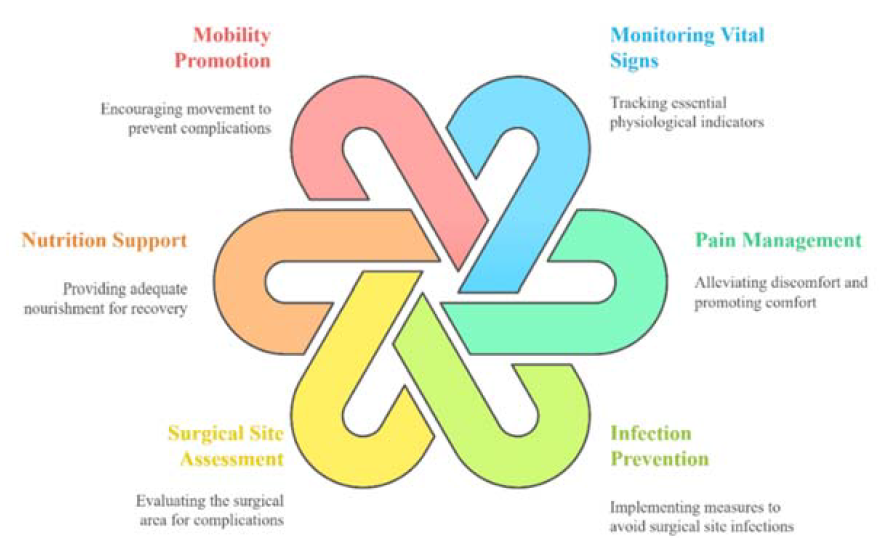
Goals of Postoperative Care (Figure 1)
The main objectives of the postoperative care are:
Fluid and haemodynamic stability and blood loss
Infection prevention
Functional recovery and pain management
Patient-centred care
The obstetric patients are prone to the development of haemorrhage either because of physiological hypervolemia, uterine atony or abnormal placentation [1,5]
The effective management also presupposes the active control over the vital signs, lab parameters (haemoglobin, haematocrit, coagulation profile) and timely intervention with pharmacologic agents (antifibrinolytics, uterotonics, fibrinogen supplementation) or blood preservation methods (cell salvage) [4,6]
Surgical site infections (SSIs), endometritis and sepsis are the major causes of maternal morbidity [2,7]
The basic measures are standardized care bundles, aseptic practices, the right use of antibiotic prophylaxis and patient education to identify the signs of early warning [8-10]
Early mobilization and breastfeeding should use optimal analgesia [11-13]
Multimodal analgesia, such as regional block, non-opioid analgesics and judicious use of opioids, enables patients to safely participate in exercise, not hamper gastrointestinal activity and decrease thromboembolic risk [14]
Patient involvement in the postoperative care enhances compliance with the recovery guidelines and satisfaction [9,15]
Education on early mobilization, wound management, pain treatment and the presence of the warning signs of complications is part of recovery
Physiological Uniqueness of the Postpartum Patients
Patients of obstetric surgery have unique physiological models that affect the management of the postoperative phase:
Haemostasis and coagulation Pregnancy causes a hypercoagulable condition and the fact that the volume of blood increases as well. Both massive haemorrhage and thromboembolism can be more frequently observed in cases of surgery, particularly in the situation of placenta accreta or caesarean scar pregnancy [5,6]
Cardio-respiratory modifications: An increase in cardiac output, a reduction in systemic vascular resistance, as well as an increment in oxygen consumption during pregnancy, continue after delivery and should be taken into account during fluid resuscitation and anaesthetic care [4]
Wound healing: The phenomena of hormonal fluctuations, the rapidity of uterine involution and the process of tissue remodelling affect the dynamics of wound healing and it is necessary to ensure the prevention of infections and close monitoring [7,16]
Gastrointestinal and urinary: Postoperative urinary retention and ileus are frequent, especially following the caesarean section under general anaesthesia. Recovery is achieved with the help of early mobilization and multimodal analgesia [17,18]
Figure 1: Goals of Postoperative Care
Table 1: Common Obstetric Surgical Procedures and Associated Postoperative Risks
Procedure
Indications
Key Postoperative Risks
Recommended Postoperative Strategies
Elective caesarean section
Maternal/foetal indications
Blood loss, SSI, delayed mobilization
EROS protocol, multimodal analgesia, early mobilization, SSI prophylaxis
Enhanced Recovery After Obstetric Surgery (EROS) guidelines offer a systematic approach to the application of evidence-based postoperative care:
Guided care plans: Comprising checklists on monitoring and early detection of complications and step-by-step treatment of haemorrhage, infection and thromboembolism [19-21]
Multimodal analgesia: Judicious use of regional anaesthesia, acetaminophen, NSAIDs and opioids helps to relieve pain and provide early mobilization [11,12,14]
Mobilization and oral intake early: Patients are advised to walk and restart taking oral fluids within the hours after the surgery, which facilitates the recovery of the gastrointestinal tract and decreases the risk of venous thromboembolism [16,17]
Personalized care: The risk stratification depending on patient comorbidities, the complexity of a surgical procedure and the possibility of blood loss make it possible to develop personalized intervention and minimize post-surgery complications [22,23]
Multidisciplinary Involvement
The efficient postoperative treatment depends on the interprofessional cooperation:
Obstetricians: Head the surgical operation and organize post-surgical checks
Anaesthesiologists: Improve the perioperative haemodynamics and pain management
Nurses: Monitor constantly, administer drugs, instruct wound care and train patients on the topics of mobilization and infection prevention [9,10]
Physiotherapists and rehabilitation experts: Promote early mobilization, regaining strength and independence
Intensive care specialists: Attend to patients at a high risk, such as those with massive haemorrhage, complicated placentation or comorbidity
Multidisciplinary teamwork is associated with holistic, patient-centred practice, best evidence and better maternal outcomes [19-21]
Postoperative Blood Loss Reduction in Obstetric Surgery
One of the most severe complications after obstetric surgery is postoperative haemorrhage, which is a major cause of maternal morbidity and mortality all over the world. The danger of bleeding is particularly notable with caesarean section, cases of caesarean scar pregnancy, placenta accreta spectrum (PAS) and complex foetal surgeries [5,23]. Abnormal placentation, e.g., PAS disorders, is characterized by extensive penetration of placental tissue into the myometrium or adjacent structures, leading to a weak vascular web that is likely to result in the heavy bleeding of the patient during surgery [24]. Likewise, pregnancies that resulted from a caesarean section and the implant is placed at the previous caesarean position impair the integrity of the vascularity and the risk of haemorrhage [23]. The patient-specific factors that add to the risk factors are anaemia, coagulopathies, obesity and advanced maternal age that deteriorate haemostasis and increase blood loss [6]. The complexity of surgery, such as emergency cases and repeat caesareans, may increase the duration of the operation and tissue damage, which increases the risk of haemorrhage further [25]. Uterine atony is also another frequently occurring cause of postpartum bleeding, particularly in high-risk obstetric groups [1]. These risk factors can be detected early, and, consequently, the clinician can take preventive measures and improve patient outcomes (Table 2).
The pharmacologic interventions are particularly important in perioperative blood loss reduction. Antifibrinolytic agents, including tranexamic acid, prevent fibrinolysis through the inhibition of plasmin actions and stabilize formed clots and decrease the extent of intraoperative and post-surgical bleeding [6]. The fibrinogen support, either from fibrinogen concentrate or cryoprecipitate, can be especially significant as the low level of fibrinogen is strongly associated with excessive postpartum bleeding [6,11]. Uterotonic medications such as oxytocin and misoprostol help in strengthening the contraction of the uterus, which leads to bleeding control and reduces blood loss in a caesarean section [1]. A multimodal pharmacologic intervention of the antifibrinolytic-fibrinogen supplementation-uterotonics has proven advantageous in terms of transfusion requirements and better maternal outcome in high-risk settings.
Anaesthetic and surgical interventions also augment pharmacologic intervention. In PAS, to reduce bleeding intraoperative, stepwise devascularization is suggested, such as the uterine or internal iliac arteries [24]. To avoid vascular injury, a high level of meticulous surgical technique, particularly when dissecting previous caesarean scars or abnormal placenta, is required [26]. High-risk patients may also be encouraged to have their pelvic vessels balloon occluded to restrict the haemorrhage [4]. Anaesthetic management is aimed at stabilizing the haemodynamic process, predicting the possible blood loss and preparing to perform a transfusion, which will minimize the risk of perioperative complications [25].
Autologous cell salvage and blood conservation are more popular methods in obstetric surgery, especially in the cases of PAS, to minimize the use of allogeneic transfusion without losing haemodynamic stability [1,4]. The continuous postoperative observation, periodic measurement of haemoglobin, vital signs and uterine tone, will help in the early detection of abnormal bleeding and investigative intervention [24].
Infection Prevention in Postoperative Obstetric Care
The major cause of morbidity after obstetric surgery is postoperative infections such as surgical site infections (SSIs), endometritis and maternal sepsis. The most common complication in a caesarean section is the SSIs, which vary between the superficial wound infection and the deep tissue infection [2]. Endometritis develops mainly following emergency deliveries, an extended duration of labour or a lengthy rupture of membranes [7] and an acute infection may swiftly evolve into maternal sepsis with the need to resort to intensive care measures [8]. The SSI rates differ across countries, with the prevalence being higher in low-income and middle-income countries, as resources are not always sufficient; inaccurate compliance with the prevention measures [27,28].
Patient, surgical and system-related risk factors are some of the risk factors of postoperative infection among obstetric populations. Among the comorbidities are diabetes, obesity, anaemia and immunosuppression [27,28]. Among the factors that are related to surgery, there can be emergency caesarean delivery, several vaginal examinations, long surgical time and a previous infection [7,8]. Factors that are related to healthcare might be inappropriate staffing, insufficient compliance with standard procedures and the unavailability of appropriate resources [9,15].
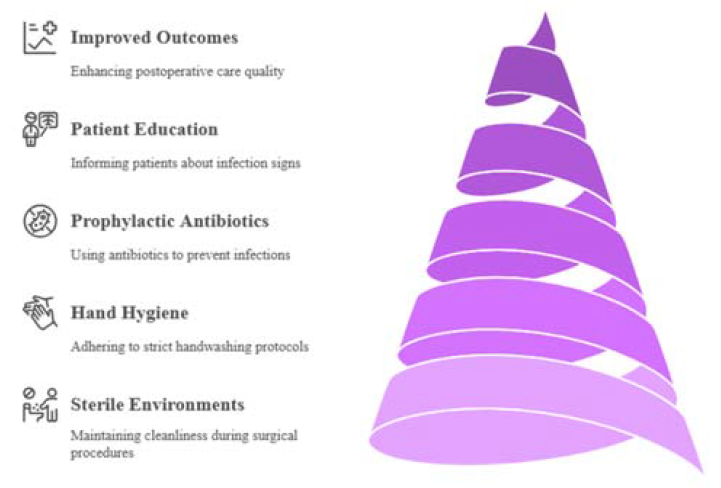
Infection prevention initiatives that are grounded in evidence focus on utilizing care bundles and standard procedures (Table 3). Care bundles are a combination of various interventions, including preoperative skin antisepsis, timely prophylactic antibiotics, sterile surgery and postoperative wound care, structured to reduce the cases of SSI and improve maternal outcomes [2,7,8]. The role of healthcare workers in these steps is essential because they can promptly recognize the symptoms of infection, such as adherence to aseptic technique and patient education on wound care [9,10]. The involvement of patients also enhances the outcomes, whereas the education about hygiene, observing the wound and reporting the symptoms early helps in intervening before it is too late [15].
Enhanced recovery after obstetric surgery (EROS) protocols combines infection prevention with early mobilization, nutritional optimization and hospital charges, which, altogether, can reduce the exposure to nosocomial pathogens [21,22]. These guidelines are illustrations of systematic intervention, which correlates with physiological recovery and evidence-based infection prevention interventions (Figure 2).
Table 2: Strategies for Reducing Postoperative Blood Loss in Obstetric Surgery
Strategy Category
Specific Interventions
Mechanism of Action
Clinical Relevance in Postoperative Care
Risk assessment and planning
Antenatal identification of high-risk patients (e.g., PAS, placenta previa)
Enables anticipatory preparation and targeted postoperative surveillance
Reduces delays in intervention and improves readiness for haemorrhagic complications
Facilitates early intervention and prevents severe maternal morbidity
Figure 2: Infection prevention in postoperative obstetric care
Table 3: Postoperative Infection Prevention Measures and Expected Outcomes
Infection Prevention Measure
Description
Mechanism of Action
Expected Postoperative Outcome
Antimicrobial prophylaxis
Timely administration of appropriate antibiotics
Reduces bacterial contamination and proliferation
Decreased incidence of surgical site infection
Standardized care bundles
Integrated set of evidence-based infection control practices
Ensures consistent application of preventive measures
Improved adherence and reduced postoperative infections
Aseptic wound care
Regular wound assessment and sterile dressing techniques
Prevents microbial entry at the surgical site
Enhanced wound healing and reduced infection risk
Healthcare worker education
Ongoing training in infection prevention practices
Improves knowledge and compliance with protocols
Sustained reduction in infection rates
Patient participation
Patient engagement in hygiene and wound monitoring
Encourages early detection and adherence to care instructions
Improved postoperative outcomes and patient satisfaction
Enhanced recovery pathways
Multimodal postoperative care protocols
Minimizes invasive devices and promotes early recovery
Reduced infection-related morbidity
Early Mobilization After Obstetric Surgery
Early mobilization can be defined as objective, planned physical movement, sitting, standing and walking, during the initial 24 hours of post operative obstetric surgery, those related to caesarean birth (most frequently). It is one of the general principles of enhanced recovery after obstetric surgery (EROS) and is based on the idea that long bed rest is part of the postoperative complications instead of preventing them. Principles of early mobilisation involve an early start, a gradual advancement according to the tolerance of the patient, proper pain management and continuous monitoring by a multidisciplinary team. Mobilisation needs to be thoroughly balanced with maternal physiological recovery, surgical wound integrity and the newborn care requirements of obstetric patients.
There are physiological advantages of early mobilisation, which are enormous and well-reported. Among the most important benefits is the decrease of venous thromboembolism (VTE), which is a major contributor to maternal morbidity during the postoperative period. The postpartum condition and pregnancy in itself are hypercoagulable and a long period of immobility increases the risk of thrombosis. Pre-ambulation facilitates venous return, decreases venous stasis and decreases cases of deep vein thrombosis and pulmonary embolism. Mobilisation is also important in the restoration of gastrointestinal function by stimulating bowel motility, hence decreasing postoperative ileus, abdominal distension and discomfort. Enhanced gastrointestinal recovery facilitates the earlier intake of oral nutrition, improves nutritional status and makes the overall postoperative recovery faster. Also, it enhances the pulmonary functionality as it encourages deep breathing and quantity coughing and mitigates the possibility of atelectasis and respiratory infections. Functionally, mobilisation prevents deconditioning, maintains muscle strength and expedites muscle recovery to pre-baseline physical activity, especially in postpartum women who have to take care of their new babies.
Table 4: Benefits of Early Mobilization Following Obstetric Surgery
Benefit
Physiological Mechanism
Clinical Outcome
Supporting Evidence
Reduced thromboembolism
Improves venous return, reduces stasis
Lower risk of DVT and PE
Susanti et al. [17] Yanti et al. [18]
Improved bowel function
Stimulates gastrointestinal motility
Reduced ileus, earlier feeding
Susanti et al. [17]
Enhanced recovery
Preserves muscle strength, improves circulation
Shorter recovery time
Farlikhatun and Supardi [16]
Better pain control
Endorphin release, reduced stiffness
Increased mobility tolerance
Chou et al. [11]
Psychological well-being
Promotes independence and confidence
Improved maternal satisfaction
Ireland and Lalkhen [13]
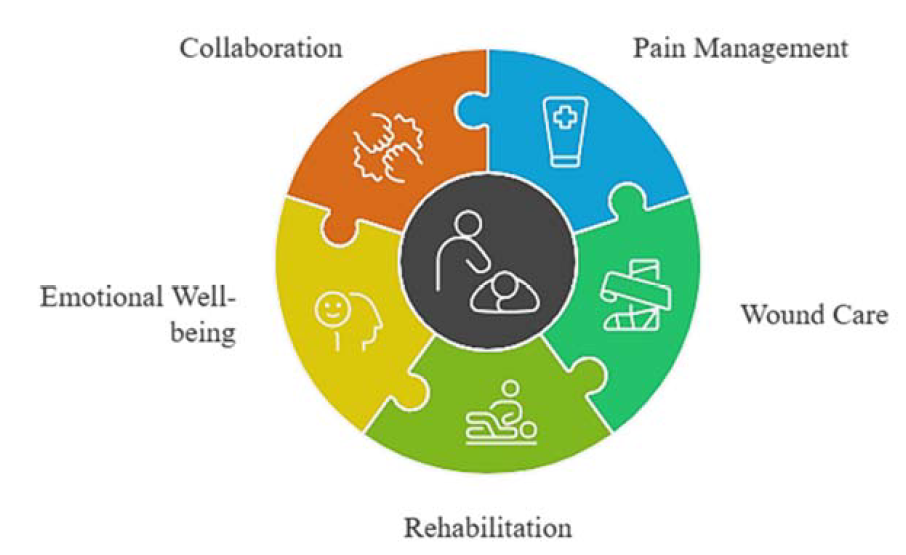
Figure 3: Integrated postoperative care approach
Successful early mobilisation depends on good pain management. One of the greatest obstacles to ambulation in the postoperative phase of obstetric surgery is poorly managed postoperative pain. Strategies of evidence-based pain management include the focus on multimodal analgesia, the combination of non-opioid analgesics, regional anaesthesia and the limited use of opioids to provide sufficient analgesia and reduce side effects of sedation, nausea, constipation, etc. [11,12]. Proper analgesia helps patients to move freely and without any fear and early ambulation is possible without jeopardy to patient safety (Table 4). Individualised pain management plans based on predictive models and patient-related variables are also part of modern methods that enable providers to predict the analgesic requirements and customise interventions to them [14]. Continuous evaluation and revision of pain management regimes are necessary to make sure that pain is not one of the factors that restrict postoperative mobilisation [13].
Even though there are advantages to early mobilisation, there are various obstacles to this practice in obstetric populations. The common barriers to this surgery include pain and postoperative fatigue, especially in women who have had an emergency caesarean section or lost a lot of blood. Misconceptions and beliefs in culture, like the fear that ambulation will interfere with wound healing or cause uterine complications, discourage ambulation. Moreover, a shortage of staff, insufficient physiotherapy services and the absence of organised protocols on mobilisation can slow the movement onset. These barriers can only be tackled by using clinical interventions, effective communication, reassurance and culturally sensitive education.
Nurses and physiotherapists have a key role to play in ensuring and maintaining early mobilisation. Nurses frequently happen to be the first health workers to help patients sit up, stand and walk, as well as check the vital signs, pain and wound integrity. Physiotherapists play a role in measuring preparation to move, educating safe movement practices and developing a unique mobilisation program that takes into account features of surgery and maternal endurance. The partnership between the nursing personnel, physiotherapists and physicians makes sure that the mobilisation process is safe, progressive and consistent in the context of improved pathways of recovery.
The active involvement of patients and educating them on the importance of early mobilisation are vital factors in determining compliance with early mobilisation processes. The process of teaching women about the advantages of early movement, the discomfort that they are likely to experience and the safe methods of getting around will enable women to be actively involved in their recovery. Research has revealed that guided mobilisation and systematic training are effective in enhancing the postoperative outcomes, such as the perception of pain, wound healing speed and functional recovery [16-18]. Education can be initiated preoperative, where possible and must be ongoing during the postoperative stage to remind of expectations and to dispel fears.
Integrated Postoperative Care Approach (Figure 3)
The best results in obstetric surgery are not provided by the use of non-integrated interventions but by an integrated care method that focuses on the control of blood loss, prevention of infections and early mobilisation at once. These elements are mutually reliant; successful haemodynamics due to the controlling of haemorrhage results in decreased fatigue and therefore the promotion of early mobility, infection prevention mechanisms conserve wound integrity and decrease pain and inflammation that otherwise may restrict movement. Early mobilisation, on the other hand, improves circulation and the immune system, which helps in the prevention of infections and recovery indirectly. The identification of these interactions is critical to the formulation of elaborate postoperative care pathways.
Enhanced recovery after obstetric surgery (EROS) offers a systematic way of incorporating these interventions into the common clinical practice. EROS protocols focus on evidence-based interventions, including optimisation of blood management, standardised infection prevention bundles, multimodal pain control and early mobilisation. EROS has been found to positively affect maternal outcomes, postoperative complications and hospital stay duration [19-22]. Notably, the pathways are flexible to various health care environments and patients.
The effectiveness of integrated postoperative strategies is based on the models of patient-centred care and evidence-based care. Tailoring care according to the risk factors of the patients, the level of complexity of surgery and individual preferences promotes engagement and compliance with the recovery guidelines. The ability to share decision-making, communicate well and educate patients to participate actively in their recovery enhances patient satisfaction and clinical outcomes. The interprofessional cooperation between obstetricians, anaesthesiologists, nurses, physiotherapists and infection control teams will help make the postoperative treatment organised, prompt and responsive to the patient's needs.
Integrated postoperative care has tremendous advantages from a health system perspective. Lower blood loss and infection rate will reduce the volume of transfusion, antibiotics and critical care hospital admission and reduce hospital length of stay and hasten recovery by way of early mobilisation. The above improvements will lead to a decrease in healthcare expenses, improved resource usage and quality of care provision. The use of combined, evidence-based postoperative care pathways in both resource-rich and resource-poor environments is one of the sustainable practices that can enhance maternal outcomes and boost the obstetric surgical practice.
Challenges and Future Directions
Although there have been extensive improvements in the intervention of postoperative care during obstetric surgery, there have been major problems in applying evidence-based practices into clinical practice, especially in the low- and middle-income countries (LMICs). Among the most apparent gaps is the inconsistency in the usage of standardized postoperative practices. Although there are international standards of infection prevention, haemorrhage control and early mobilization, their implementation is not universal because of systemic barriers, inconsistency in the practice of different institutions and insufficient evidence-based recommendations dissemination [27]. Such non-standardization is one of the causes of avoidable postoperative complications and maternal outcome disparities.
These are aggravated by training and resource constraints. The lack of expert medical staff, continued professional training and low patient-to-provider ratios, among other factors in most LMIC environments, make it difficult to succeed in full postoperative care implementation. The lack of training, the shortage of supplies of antiseptics and facilities, a lack of equipment, including overcrowded wards and an inconsistent approach to the sterilization process tend to undermine infection prevention measures [28]. The same applies to sophisticated blood conservation techniques, such as cell salvage and targeted coagulation support, which might not be accessible or under-used because of financial reasons and technical skills. The mentioned limitations highlight the importance of context-specific interventions that must focus on high-impact interventions that are feasible and sustainable.
Another very important challenge is the lack of standardized postoperative care pathways addressing obstetric populations. Even though the enhanced recovery after obstetric surgery (EROS) programs have proved to be effective in high-resource settings, they must be applied to the local realities in a resource-limited setting. Simple protocols of concentrating on essential aspects, including early ambulation, simple infection precautions and prompt realization of haemorrhage, could provide a sensible route to better outcomes where extensive EROS programs are inaccessible at present. To overcome these gaps, it is necessary to employ effective institutional leadership, policy guidance and make postoperative care standards part and parcel of national maternal health strategies.
As a prospect, the future study and advancements provide positive prospects to enhance the field of postoperative care in obstetric surgery. Data-driven tools and predictive models, such as machine learning solutions, can unlock the possibility to identify women with higher risks of developing postoperative complications and develop specific care strategies [14]. These models may guide the specific pain management plans, predict the mobilization obstacles and streamline resource distribution. Also, focusing more on patient interaction and education with the support of culturally adequate communication approaches can make adherence to postoperative guidelines higher and can empower women to play an active role in the recovery process.
They also require innovation to come up with low-cost and scalable interventions that will fit LMIC settings. The investigations of alternative strategies related to the management of complicated obstetric situations, including the conservative or expectant approach to the selected circumstances, underscore the significance of clinical decision-making that is context-sensitive [23]. Research in the future has to focus on the implementation science aspect in order to be able to assess the adaptation, maintenance and scaling of evidence-based postoperative practices to populations in different healthcare environments. The co-operation between clinicians, researchers, policymakers and patients will be necessary to facilitate the evidence-practice gap and to enhance equal maternal surgical care across the world.
CONCLUSION
The reduction of blood loss, prevention of infection and early mobilization are the main pillars of successful postoperative care in obstetric surgery as it is a key factor of maternal outcomes. The present article has underscored the high rate of postoperative complications and the significance of evidence-based measures to solve the problem of haemorrhage, surgical site infections and delayed functional recovery. Postoperative morbidity can be greatly minimized through concerted efforts, including enhanced recovery after obstetric surgery, standard guidelines and multidisciplinary efforts.
Comprehensive postoperative care not only has clinical relevance in terms of immediate surgical outcomes but also in terms of maternal safety, functional recovery and quality of life. Blood management helps to stabilize haemodynamics, promote early mobilization, enhance wound healing and limit systemic complications. Early mobilization, which is promoted by proper pain management and patient education, speeds up recovery and empowers women in the postpartum period. The combination of the interventions leads to the reduction of the number of hospitalization periods, enhanced patient satisfaction and effective utilization of healthcare resources.
To conclude, to optimize the maternal outcome after obstetric surgery, an integrated, patient-centred and evidence-based approach to postoperative care is necessary. The standardization of protocols, specific training and novel research to address the implementation issues, specifically in the resource-limited setting, will be a factor in improving the maternal surgical care on an international scale. Further funding in high-quality evidence, context-specific adaptation and multidisciplinary cooperation will guarantee the future development of postoperative care in obstetric surgery to address the needs of women in different healthcare systems.
REFERENCE
Neb, H. et al. “Strategies to reduce blood product utilization in obstetric practice.” Current Opinion in Anaesthesiology, June 2017. https://doi.org/10.1097/ACO.0000000000000463.
Seidelman, J.L. et al. “Surgical site infection prevention: A review.” JAMA, January 2023. https://doi.org/10.1001/ jama.2022.24075.
Naidoo, M. et al. “The impact of a modified World Health Organization surgical safety checklist on maternal outcomes in a South African setting: A stratified cluster-randomised controlled trial.” South African Medical Journal, vol. 107, no. 3, 2017, pp. 248-257. https://doi.org/10.7196/SAMJ.2017.v107i3.11320.
Neef, V. et al. “Current concepts in the use of cell salvage in obstetrics.” Current Opinion in Anaesthesiology, June 2024. https://doi.org/10.1097/ACO.0000000000001337.
D’Antonio, F. et al. “Abnormal placenta implantation: Integration between first- and third-trimester imaging in predicting the severity of placenta accreta spectrum (PAS) disorders.” Journal of Clinical Ultrasound, February 2023. https://doi.org/10.1002/jcu.23312.
Spraggon, Glen, et al. “Crystal structures of fragment D from human fibrinogen and its crosslinked counterpart from fibrin.” Nature, vol. 389, no. 6650, 1997, pp. 455–462. https://doi.org/10.1038/38947.
Ching, P.R. “Care bundles in surgical site infection prevention: A narrative review.” Current Infectious Disease Reports, vol. 26, no. 6, 2024, pp. 163-172. https://doi.org/10.1007/s11908-024-00837-9.
Ejaredar, M. et al. “Implementation of a surgical site infection prevention bundle in gynecologic oncology patients: An enhanced recovery after surgery initiative.” Gynecologic Oncology, vol. 185, 2024, pp. 173-179. https://doi.org/10.1016/j.ygyno.2024.02.023.
de Castro Oliveira, M. et al. “Patient participation in surgical site infection prevention: Perceptions of nurses, physicians and patients.” Revista da Escola de Enfermagem, vol. 57, 2023. https://doi.org/10.1590/1980-220X-REEUSP-2022-0459EN.
Feng, W. et al. “Knowledge, attitude and practice of surgical site infection prevention among operating room nurses in southwest China.” Belitung Nursing Journal, vol. 8, no. 2, 2022, pp. 124-131. https://doi.org/10.33546/bnj.2018.
Chou, R. et al. “Management of postoperative pain: A clinical practice guideline from the American Pain Society, the American Society of Regional Anaesthesia and Pain Medicine and the American Society of Anaesthesiologists’ Committee on Regional Anaesthesia, Executive Committee and Administrative Council.” Journal of Pain, vol. 17, no. 2, 2016, pp. 131-157. https://doi.org/10.1016/j.jpain.2015.12.008.
Kehlet, H. et al. “PROSPECT: Evidence-based, procedure-specific postoperative pain management.” Best Practice and Research: Clinical Anaesthesiology, March 2007. https://doi.org/10.1016/j.bpa.2006.12.001.
Ireland, K.C. and A.G. Lalkhen. “Postoperative analgesia.” Anaesthesia and Intensive Care Medicine, December 2024. https://doi.org/10.1016/j.mpaic.2024.09.005.
Yan, Q. and S. Xu. “Research Progress in Multimodal Analgesia after Cesarean Section.” Journal of Clinical Anesthesiology, vol. 38, no. 10, 2022, pp. 1101–1106.
Ayamba, E.V.E. et al. “Nurses’ Knowledge and Practices on Surgical Site Infections in Sub-Saharan Africa: The Case of Buea Regional Hospital, South West Region in Cameroon.” American Journal of Humanities and Social Sciences Research, vol. 6, no. 1, 2022, pp. 105–111.
Farlikhatun, L. and R. Supardi. “Pengaruh pendampingan mobilisasi dini terhadap nyeri pada pasien sectio caesarea di RSUD Kabupaten Bekasi.” Jurnal Keperawatan Muhammadiyah, vol. 2, no. 2, 2024, pp. 23-28.
Susanti, I. et al. “Effect of early mobilization on healing sectio caesaria post operation: Literature review.” International Conference on Health Sciences, vol. 1, 2021, pp. 753-761.
Yanti, D.A. et al. “The relationship of early mobilization with operational wound healing in postpartum mothers with post section ceasarea.” Jurnal Kebidanan Kestra (JKK), vol. 5, no. 1, 2022, pp. 53-58. https://doi.org/10.35451/jkk.v5i1.1220.
J., M. and L. H. “Outcome of elective caesarean sections following introduction of enhanced recovery programme in obstetrics surgery (EROS) at Whipps Cross University Hospital, Barts Health NHS Trust London, UK.” BJOG: An International Journal of Obstetrics and Gynaecology, vol. 125, 2018, pp. 87. https://doi.org/10.1111/1471-0528.15132.
Long, O. et al. “Audit of maternal outcomes following introduction of an enhanced recovery in obstetric surgery (EROS) protocol for elective caesarean section.” International Journal of Obstetric Anaesthesia, vol. 22, 2013, pp. S8.
Sabir, S. et al. “Enhanced recovery after obstetrics surgery (EROS): An audit of current practice in elective caesarean section at Airedale NHS Foundation Trust.” BJOG: An International Journal of Obstetrics and Gynaecology, vol. 121, 2014, pp. 65.
Rhodes, S.P. et al. “Adapting UK enhanced recovery after caesarean section to a tertiary hospital in New Zealand.” International Journal of Obstetric Anaesthesia, vol. 24, 2015, pp. S16.
Fazari, A. et al. “Outcomes of the expectant management of 10 caesarean scar pregnancy cases in patients who refused the termination of pregnancy.” Cureus, 2023. https://doi.org/10.7759/cureus.48921.
Matsuzaki, S., et al. “Trends, Characteristics, and Outcomes of Placenta Accreta Spectrum: A National Study in the United States.” American Journal of Obstetrics and Gynecology, vol. 225, 2021, pp. 534.e1–534.e38. https://doi.org/10.1016/j.ajog.2021.04.233.
Park, H.S. and H.S. Cho. “Management of massive haemorrhage in pregnant women with placenta previa.” Anaesthesia and Pain Medicine, October 2020. https://doi.org/10.17085/apm.20076.
Rajewska, A. et al. “The Jehovah’s Witness obstetric patient - A literature review.” Anaesthesiology Intensive Therapy, 2019. https://doi.org/10.5114/ait.2019.90991.
Niyomugabo, A. et al. “Global view of clinical guidelines on prevention of surgical site infections for health care professionals: A scoping review.” Rwanda Journal of Medicine and Health Sciences, 2023. https://doi.org/10.4314/rjmhs.v6i3.13.
Sickder, H.K. et al. “Nurses’ surgical site infection prevention practices in Bangladesh.” Pacific Rim International Journal of Nursing Research, vol. 21, no. 3, 2017, pp. 244-257.
Recommended Articles
Research Article
Advantages of Two Clips Laparoscopic Cholecystectomy (TCLC) and Conventional Laparoscopic Cholecystectomy (CLC): A Comparative Study
Anshu Attri,
...
Kartik Syal
Published: 10/01/2022
Download PDF
Research Article
Bladder Brilliance: Unveiling the Tapestry of Knowledge on Bladder Cancer in District Kangra, Himachal Pradesh
Vandana Thakur,
...
Ankita Pandey
Published: 08/12/2023
Download PDF
Research Article
Shouldering the Pain: Public Knowledge Assessment of Rotator Cuff Injuries in Himachal Pradesh
Sidhant Korla,
...
Praveen Kumar Thakur
Published: 30/07/2024
Download PDF
Research Article
Awareness regarding Symptoms and Treatment Options for Benign hypertrophy of prostate among the male patients attending outpatient department of Civil hospital , Nurpur, Himachal Pradesh
Aarti Chaudhary,
Brish Bhanu Bhardwaj
Published: 26/05/2023
Download PDF
PO Box 101, Nakuru
Kenya.
Email: office@iarconsortium.org
Editorial Office:
J.L Bhavan, Near Radison Blu Hotel,
Jalukbari, Guwahati-India
Foyeza Akther, K., Saha, P., Saha, S., Mohammad Mostafa, S. & Yasmin, R. (2024). Postoperative Care in Obstetric Surgery: Blood Loss Reduction, Infection Prevention and Early Mobilization. International Academic Research Journal of Surgery, 4(1), 1-9.
MLA
Foyeza Akther, Kazi, et al. "Postoperative Care in Obstetric Surgery: Blood Loss Reduction, Infection Prevention and Early Mobilization." International Academic Research Journal of Surgery 4.1 (2024): 1-9.
Chicago
Foyeza Akther, Kazi, Prianka Saha, Susmita Saha, Shekh Mohammad Mostafa and Rasheda Yasmin. "Postoperative Care in Obstetric Surgery: Blood Loss Reduction, Infection Prevention and Early Mobilization." International Academic Research Journal of Surgery 4, no. 1 (2024): 1-9.
Harvard
Foyeza Akther, K., Saha, P., Saha, S., Mohammad Mostafa, S. and Yasmin, R. (2024) 'Postoperative Care in Obstetric Surgery: Blood Loss Reduction, Infection Prevention and Early Mobilization' International Academic Research Journal of Surgery 4(1), pp. 1-9.
Vancouver
Foyeza Akther K, Saha P, Saha S, Mohammad Mostafa S, Yasmin R. Postoperative Care in Obstetric Surgery: Blood Loss Reduction, Infection Prevention and Early Mobilization. International Academic Research Journal of Surgery. 2024 Jan;4(1):1-9.


 Download PDF
 Download XML