Contents
Download PDF
pdf Download XML
229 Views
75 Downloads
Share this article
Research Article | Volume 6 Issue 1 (January-June, 2025) | Pages 1 - 4
Evaluation of Complications of Iraqi Patients with Genital Psoriasis and Determination of Logistic Regression
1
Ministry of Higher Education and Scientific Research, Kirkuk University, College of Medicine, Kirkuk, Iraq
Under a Creative Commons license
Open Access
Received
Feb. 11, 2025
Revised
April 21, 2025
Accepted
April 29, 2025
Published
May 8, 2025
Abstract

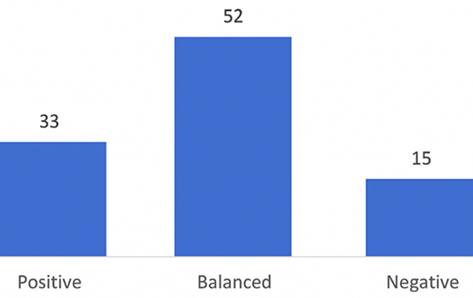
Background: Genital psoriasis altogether influences patients' personal satisfaction, prompting different confusions, especially in sexual well-being and psychosocial prosperity. Aim: This study contributed to identifying the effect of genital psoriasis on general health and quality of life. Methods: We recruited 72 women diagnosed with genital psoriasis aged 20-40 years between February 2023 and March 2024. All women completed a series of questionnaires to assess disease severity, complications, sexual function, and quality of life in women. Results: A total of 72 women participated in our article. Women with an age > 35 years were the largest class compared with others, which include 44.44%. Based on the PASI score, we noticed that severe genital psoriasis got 45.83% and moderate with 51.39%. Also, our study found that the most common symptoms affected women include itching and redness. Furthermore, genital psoriasis showed a negative effect on female sexual function in desire (3.9±0.06), arousal (2.9±1.0), satisfaction (3.1±0.6), and pain (4.4±0.6). Conclusion: This study shows that genital psoriasis altogether influences sexual capability and personal satisfaction in ladies, prompting increased complications, expanded confusion, and sexual misery.

Keywords
INTRODUCTION

Psoriasis is a chronic or chronically recurrent inflammatory skin disease that is usually not life-threatening. With a prevalence of 1 to 2%, about 1.5 million people suffer from psoriasis in the USA [1-3]. With the currently available therapy options, psoriasis cannot be cured, although spontaneous cures are possible [4]. In the treatment of mild psoriasis, mainly externally applicable active ingredients are used, especially corticosteroids, salicylic acid, tar-containing externa, dithranol, topical vitamin D analogues (calcipotriol), and topical retinoids (tazarotene) [5,6].


        In the treatment of moderate and severe psoriasis, phototherapy and systemic agents are used, such as methotrexate, ciclosporin, fumarates, systemic retinoids, and biologics. In the case of therapy with systemic drugs, in addition to the intended therapeutic effects, severe side effects, and consequential damage rarely occur, so their use requires a weighing of the benefits and risks [7,8,9].


        Recently, in addition to medical, pharmacoeconomic arguments have increasingly become the focus of the health policy discussion about psoriasis therapy [10]. After the loss of approval as an outpatient contract medical service, a continuing discussion has developed around balneo-phototherapy and bathing PUVA (psoralen and UVA irradiation), especially in Germany. In addition, after the first approvals of the new cost-intensive biologics for the therapy of moderate to severe psoriasis, the expected discussion is already emerging in the future [11].


        Research has uncovered that up to 63% of patients create psoriatic lesions in their genital region sooner or later  in  their  lives  [12].  Deplorably,  many  try  not to examine these issues with their doctors because of timidity, humiliation, or apprehension about defamation. This hesitance to look for assist with canning bring about a critical decrease in their personal satisfaction (QoL), particu larly with regard to heartfelt connections, closeness, and sexual capability [13].


        Female sexual brokenness (FSD) encompasses a scope of issues that impede sexual fulfillment during the sexual reaction cycle. It incorporates issues connected with sexual longing, excitement, climax, and agony. Remarkably, one self-perception assumes a significant part in sexual prosperity [14]. Ladies who have a positive self-perception will generally report more sexual action, climaxes, and, by and large, trust in their sexual lives. A negative self-perception is often related with a more prominent accentuation on actual alluring ness, which can unfavourably affect sexual working and fulfilment [15].

MATERIALS AND METHODS

Patients And Methods

Study Design: A cross-sectional study was conducted on 72 patients with genital psoriasis in the Department of Dermatology and Venereology of Azadi Teaching Hospital and a private clinic in Kirkuk City in Iraq. during the period from February 2023 to March 2024. Demographic data and clinical parameters were collected for patients diagnosed with genital psoriasis aged 20-40 years, including age, gender (female), body mass index, family history, comorbidities, duration of marriage, and other parameters (educational, functional, and family economic). All analyses and patient data were recorded and evaluated by SPSS, 22, 0.


Input and output parameters

The following were included: (1) women aged 20-40 years, (2) smokers and non-smokers, (3) women with sexual problems, (4) only women with genital psoriasis, and (5) women who were affected by the patients due to family history. (1) Patients younger than 20 years or older than 40 years; (2) pregnant and lactating women; (3) women who received topical or systemic treatment for genital psoriasis; (4) women who had undergone previous surgeries or had serious diseases such as cancer; and (5) women who had chronic skin diseases were excluded.


Questionnaire Criteria

The Psoriasis Region and Seriousness File (PASI) score was utilized to assess psoriasis seriousness. The PASI score thinks about injury region and seriousness, with scores going from 0 to 72. Higher scores show more extreme psoriasis. Serious classifications were characterized as low (PASI < 10), moderate (PASI 10-20), and extreme (PASI > 20)


        A questionnaire was conducted to measure and determine the symptoms of genital psoriasis in women and their severity. The GPSS uses a scoring framework where patients rate their symptoms on a scale, regularly from 0 (no side effects) to 10 (most terrible potential side effects), where items included each of itching, discomfort, redness, stinging or burning sensation, and scaling.


        The Female Sexual Capability File (FSFI) poll assessed sexual capability across six areas: desire, arousal, lubricant, orgasm, satisfaction, and pain. Individual space scores were gone somewhere in the range of 0 and 6, and a complete score was determined, with lower scores demonstrating sexual brokenness. Also, we conducted a logistic regression of the risk factors' effect on patients with genital psoriasis. Moreover, the Psoriasis Personal Satisfaction 12 (PQOL-12) is a particular survey intended to evaluate the personal satisfaction in patients experiencing psoriasis. It assesses different components of life impacted by illness, giving a complete perspective on its psychosocial influence. The PQOL-12 scores range from 0 to 100, with higher scores showing a more prominent adverse consequence on personal satisfaction.

RESULTS AND DISCUSSION

Psoriasis is a constant provocative skin sickness influencing roughly 2% to 3% of the populace. The long-lasting  nature  of  psoriasis  treatment  can fundamentally influence profound, social, and actual prosperity, eventually influencing patients' QoL. Patients with psoriasis frequently experience sensations of disgrace, mediocrity, and shame, which can prompt falterings about beginning a family, especially among ladies with psoriasis [16]. Also, the mental, physiological, and social impacts of psoriasis can adversely influence female sexual capability [17].


Table 1: Identify of patients’ features {n = 72}

VariablesN = 72Percentage
Age
< 301825.00%
30-352230.56%
> 353244.44%
Body mass index, {kg/m2}
Underweight811.11%
Normal weight2534.72%
Overweight1825.00%
Obese2129.17%
Medical history
Present2129.17%
Absent5170.83%
Associated illnesses3143.06%
Hypertension1216.67%
Diabetes912.50%
Anemia45.56%
Asthma34.17%
Others34.17%
Smoking status
Present1622.22%
Absent5677.78%
Marriage, duration
1-31926.39%
4-81622.22%
> 83751.39%
Occupation status
House-wife2230.56%
Work5069.44%
Economic status
Low, < 5003041.67%
Middle, 500-9002331.94%
High, > 9001926.39%


Table 2:   Evaluation of genital psoriasis symptoms in women participants in this study by gpss scale

SymptomsGPSS, scores {0-10}
Itching7.80±1.02
Discomfort6.57±1.29
Redness8.03±0.35
Stinging/Burning Sensation6.47±0.25
Scaling6.36±0.95


Figure 1: Categorizing illness’s severity on patients by PASI scores


Table 3:   Assessment of female sexual function at women with genital psoriasis by FSFI index

Items

FSFI Score

Desire

3.9±0.06

Arousal

2.9±1.0

Lubricant

3.4±0.3

Orgasm

3.8±0.5

Satisfaction

3.1±0.6

Pain

4.4±0.6


Table 4:   Evaluation of general health quality of life at patients with genital psoriasis

ItemsPQOL-12 scores
Physical function68.5±8.12
Psychological function70.38±5.12
Emotional and social functions56.62±6.70
Daily activity59.80±12.40
Work65.17±4.88
Sexual relationship62.19±6.93


Table 5:   A logistic regression of risk factors effect on patients with genital psoriasis

FactorsORCI 95%
Age2.41.7-4.8
Comorbidities1.30.8-3.0
Obesity2.61.6-3.8
Smoking3.32.2-5.6
Medical history1.71.0-3.3
Itching1.40.4-2.0
Redness1.80.9-1.9
Desire2.31.5-2.9
Arousal2.51.4-2.7
Orgasm4.62.6-6.8
Pain2.21.2-2.5


        Sexual dysfunction (SD) is pervasive in ladies with psoriasis, with concentrates on revealing that 48.7% to 79.1% of them experience SD. Risk factors related with SD in psoriasis patients incorporate illness severity, female sex, psoriatic joint pain, and age. Moreover, just a set number of studies have evaluated the effect of psoriasis on sexual capability and dermatological QoL. [18,19,20]


        In our review, we noticed a profoundly genuinely critical decline in FSFI in psoriatic females, both with and without genital contribution, contrasted with solid controls. Nonetheless, different examinations showed that genital injuries alone may not straightforwardly impede sexual capability but rather may make sexual misery due to sensations of actual ugliness [21]. The variety in these discoveries could be credited to actual signs and side effects, like stinging, dying, desquamation, and tingling, as well as mental variables like tension and joint contribution in psoriasis patients [22].


        A few variables might add to the lower QoL in psoriasis patients. The constant and repeating nature of the sickness frequently prompts a feeling of sadness in regard to a fix. Additionally, numerous psoriasis patients face social and mental difficulties connected with their condition, which can prompt sensations of embarrassment in circumstances like swimming, close connections, utilizing public showers, or living in conditions that need security. Thusly, numerous patients want to disguise their sickness, further influencing their self-assurance [23,24,25].

CONCLUSION

Our review affirms the critical effect of psoriasis on sexual well-being, particularly among ladies with genital psoriasis, which creates sexual issues that adversely influence ladies' overall well-being and increment difficulties. Knowing the complex impacts of psoriasis on the physical, mental, and close-to-home well-being of individuals is fundamental.

REFERENCE
  1. Hong, J.J., et al. "Genital and Inverse/Intertriginous Psoriasis: An Updated Review of Therapies and Recommendations for Practical Management." Dermatology and Therapy (Heidelberg), vol. 11, no. 3, 2021, pp. 833–844.

  2. Dogan, Y., et al. "Anxiety, Depression, and Sexual Dysfunction in Patients with Psoriasis." Turkish Journal of Dermatology, vol. 16, 2022, pp. 62–69.

  3. Duarte, G., et al. "Psoriasis and Sexual Dysfunction: Links, Risks, and Management Challenges." Psoriasis (Auckland), vol. 8, 2018, pp. 93–99. doi:10.2147/PTT.S159916. PMID: 305744535.

  4. Yang, E., et al. "The Impact of Genital Psoriasis on Quality of Life: A Systematic Review." Psoriasis (Auckland), vol. 8, 2018, pp. 41–47.

  5. Khaled, H.N., El-Sabagh, E.A., and H.A. Bazid. "Female Sexual Dysfunction in Patients with Psoriasis and Vitiligo: An Egyptian Pilot Study." Journal of the Egyptian Women's Dermatologic Society, vol. 18, no. 1, 2021, pp. 22–34.

  6. Maaty, A.S., et al. "Assessment of Female Sexual Function in Patients with Psoriasis." Journal of Sexual Medicine, vol. 10, no. 6, 2013, pp. 1545–1548.

  7. Nguyen, H.T., et al. "Sexual Dysfunction and Associated Factors in Women with Psoriasis." Indian Journal of Dermatology, vol. 68, no. 1, 2023, p. 121.

  8. Mrowietz, U., and K. Reich. "Psoriasis—New Insights into Pathogenesis and Treatment." Deutsches Ärzteblatt International, vol. 106, nos. 1–2, 2009, pp. 11–18.

  9. El-Hanafy, G., Magdi, S., and E. Said. "Dermatology Life Quality Index Correlation with Different Demographic and Clinical Factors in Psoriasis Patients: A Hospital-Based Cross-Sectional Study." Medical Journal of Cairo University, vol. 89, no. 1, 2021, pp. 243–250.

  10. Anis, T.H., et al. "Arabic Translation of Female Sexual Function Index and Validation in an Egyptian Population." Journal of Sexual Medicine, vol. 8, no. 12, 2011, pp. 3370–3378.

  11. Mohammed, G.F., and H. Hassan. "Validity and Reliability of the Arabic Version of the Female Genital Self-Image Scale." Journal of Sexual Medicine, vol. 11, no. 5, 2014, pp. 1193–1200.

  12. American Psychiatric Association. Diagnostic and Statistical Manual of Mental Disorders, 5th ed., American Psychiatric Publishing, 2013.

  13. Alariny, A.F., et al. "Psychological and Sexual Consequences of Psoriasis Vulgaris on Patients and Their Partners." Journal of Sexual Medicine, vol. 16, no. 12, 2019, pp. 1900–1911.

  14. Molina-Leyva, A., et al. "Sexual Dysfunction in Psoriasis: A Systematic Review." Journal of the European Academy of Dermatology and Venereology, vol. 29, no. 4, 2015, pp. 649–655.

  15. Molina-Leyva, A., et al. "Distribution Pattern of Psoriasis, Anxiety, and Depression as Possible Causes of Sexual Dysfunction in Patients with Moderate to Severe Psoriasis." Anais Brasileiros de Dermatologia, vol. 90, no. 3, 2015, pp. 338–345.

  16. Meeuwis, K.A., et al. "Quality of Life and Sexual Health in Patients with Genital Psoriasis." British Journal of Dermatology, vol. 164, no. 6, 2011, pp. 1247–1255.

  17. Meeuwis, K.A., et al. "Genital Psoriasis: A Questionnaire-Based Survey on a Concealed Skin Disease in the Netherlands." Journal of the European Academy of Dermatology and Venereology, vol. 24, no. 12, 2010, pp. 1425–1430.

  18. Nazik, H., et al. "Body Image, Self-Esteem, and Quality of Life in Patients with Psoriasis." Indian Dermatology Online Journal, vol. 8, no. 5, 2017, pp. 343–346.

  19. Kurd, S.K., et al. "The Risk of Depression, Anxiety, and Suicidality in Patients with Psoriasis: A Population-Based Cohort Study." Archives of Dermatology, vol. 146, no. 8, 2010, pp. 891–895.

  20. Sendrasoa, F., et al. "Quality of Life in Patients with Psoriasis Seen in the Department of Dermatology, Antananarivo, Madagascar." Biomedical Research International, vol. 2020, 2020, p. 9292163.

  21. Kędra, K., et al. "Sexual Dysfunction in Women and Men with Psoriasis: A Cross-Sectional Questionnaire-Based Study." Medicina (Kaunas), vol. 58, no. 10, 2022, p. 1443.

  22. Rivera, S., et al. "Genital Self-Image, Sexual Function, and Quality of Life Among Individuals with Vulvar and Non-Vulvar Inflammatory Dermatoses." Journal of Dermatology, vol. 33, no. 11, 2006, pp. 772–778.

  23. Bardazzi, F., et al. "Correlation Between BMI and PASI in Patients Affected by Moderate to Severe Psoriasis Undergoing Biological Therapy." Dermatology and Therapy, vol. 23, Suppl. 1, 2010, pp. S14–S19.

  24. Sobhan, M., and M. Farshchian. "Associations Between Body Mass Index and Severity of Psoriasis." Clinical, Cosmetic, and Investigational Dermatology, vol. 10, 2017, pp. 493–498.

  25. Sampogna, F., et al. "Measures of Clinical Severity, Quality of Life, and Psychological Distress in Patients with Psoriasis: A Cluster Analysis." Journal of Investigative Dermatology, vol. 122, no. 3, 2004, pp. 602–607.
Recommended Articles
Research Article
An evaluation of Profile of Medico-legal autopsies conducted at Dr. Radhakrishnan Govt. Medical College, Hamirpur, Himachal Pradesh
Download PDF
Research Article
The Efficacy of 5- Fluorouracil Cream and 25% Podophyllin Solution in Treatment of Plantar Warts in Alternative Day Regimen ; An Open Therapeutic Trial.
Download PDF
Research Article
Imaging Evaluation of Ultrasonography Versus Magnetic Resonance, Imaging in Diagnosis of Carpal Tunnel Syndrome among Female Patients with Positive Nerve Conduction Study
Download PDF
Research Article
Failure to thrive and Congenital Heart Disease among Infants of Hilly Regions
Published: 10/07/2021
Download PDF
Chat on WhatsApp
Flowbite Logo
PO Box 101, Nakuru
Kenya.
Email: office@iarconsortium.org

Editorial Office:
J.L Bhavan, Near Radison Blu Hotel,
Jalukbari, Guwahati-India
Useful Links
Order Hard Copy
Privacy policy
Terms and Conditions
Refund Policy
Shipping Policy
Others
About Us
Team Members
Contact Us
Online Payments
Join as Editor
Join as Reviewer
Subscribe to our Newsletter
+91 60029-93949
Follow us
MOST SEARCHED KEYWORDS
Copyright © iARCON International LLP . All Rights Reserved.