A list of the freshwater fishes from around Kosti, White Nile Sudan is presented based on intermittent collection from 2002 to 2019. It included 64 species, falling into 37 genera and 20 families. Alestediae, Clariidae, Mochokidae, Mormyridae and Characidae, were represented by 10, 7, 6, 6 and 5 species, respectively. Almost 40 fish species were found throughout the study period. The habitat and the biota of the study area was briefly outlined. Species records from the study area were compared and its richness in species were discussed. The study concluded that there is a need to update locality records through long-term systematic surveys using traditional gears, dip nets and electro-fishing methods in the Nile and its tributaries.
Keywords
Fish
Species
Kosti
White Nile
Sudan
INTRODUCTION
Diversity of the freshwater fishes of Sudan is related to diversification of the aquatic habitats which ranges from slow to fast flowing, and from muddy, sandy to rocky banks with varying densities of hydrophytes. In some instances this diversity is due to deliberate introduction of exogenous species such as Oreochromis macrochir (Family: Cichlidae); Ctenopharyngodon idella (Family: Cyprinidae); Oncorhychnus mykiss (Family: Salmonidae) into parts of the Nile system or introduction of Gambusia affins (Family: Poeciliidae) and Cyprinus carpio (Family: Cyprinidae) in the canalization system [1]. Identification guides for freshwater fishes of Sudan were made by Sandon, Abu Gideiri [2], Bailey [3]. Neumann et al. [9] published an annotated checklist for fishes of the Nile in Sudan and Egypt. They gave a scholarly detailed account on species distribution in the Nile and its tributaries. They rigorously discussed and summarised the conservation status of fish species with respect to regionally extirpated or threatened at type locality, deficient and/or not evaluated data. Specific studies on their distribution on the White Nile from the vicinity of Jebel Aulia Dam were due to Adam [4], Hamza [5] and Abdel-Rahman [6]; at Jelhack area by Mosa et al. [7] and Moritz et al. [8] from Aba Island (13° 15’N) through Kosti to Makhaleif (12° 5’N).
The objective of this work was to document freshwater fish species collected during eight field trips from 2002 to 2019 from Kosti area, White Nile.
MATERIALS AND METHODS
The Study Area
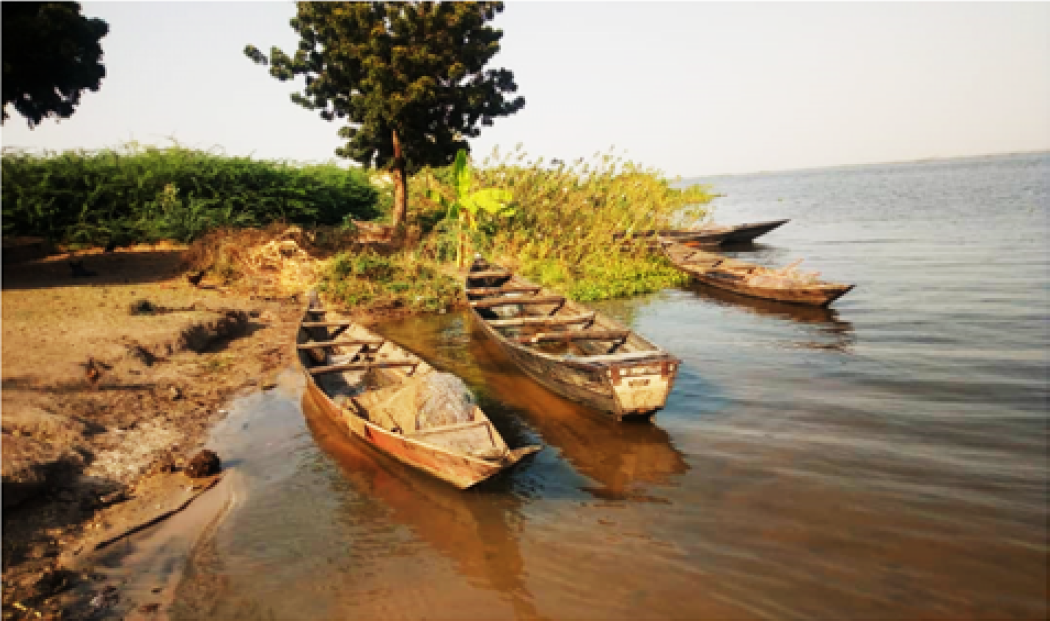
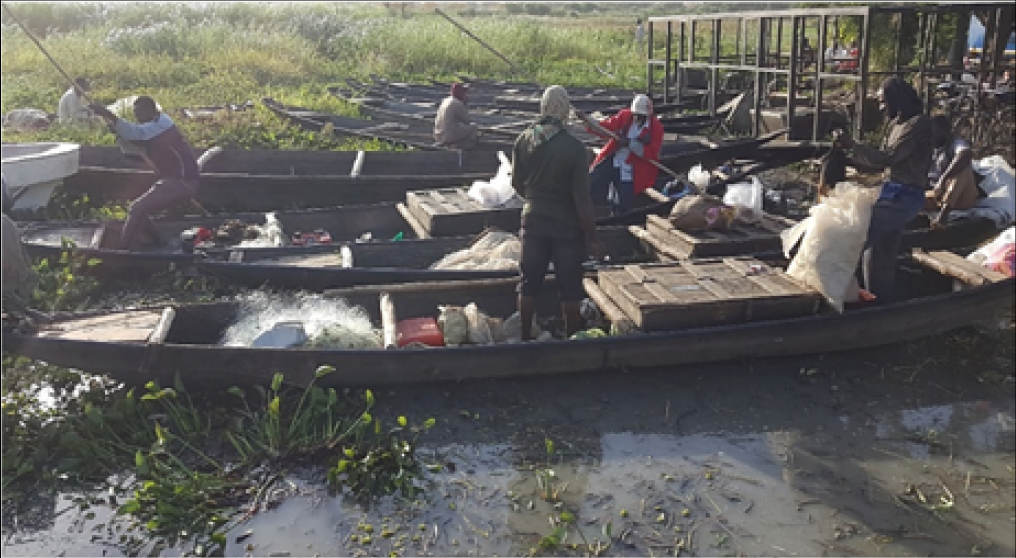
According to Neumann et al. [9] the White Nile at the study area (Kosti) is slowly flowing, and is 1.5-2km wide with hard substrates on the riverbed and rocky outcrops north of Kosti. The area is relatively rich in hydrophytes such as Water lily (lotus), papyrus (Cyperus papyrus) with aggregations of the invasive common water hyacinth (Eichhornia crassipes). The water hyacinth was incriminated for changing the composition of the fish fauna. Their sporadic dense stands make it difficult for fishers to sail their canoes from or to the landing sites (Figure 1-2). Some fishers claimed that it wraps around propellers and poles, provides a hiding place for snakes and crocodiles. Nile oyster were abundant, turtles (Trionyx triunguis) and small Nile monitors (Varanus niloticus) were rarely seen in the catch but their remains were seen in fish camps on Aba Island.
Fish Collection
Fish specimens were collected from commercial fishers operating around Kosti to supply the major fish landing sites and the fish market at Kosti. Experimental fishing was infrequently made around Kosti (along the main White Nile course and southern extremities of Abba Island) using gill nets, cast nets and fish cages to supplement the data.
Identification of collected specimens was based on Abu Gideiri [2] and Bailey [3]. Nomenclature followed those accepted as valid names by Froese and Pauly [10].
Figure 1: Fish Canoes
Figure 2: Fish Landing Site Note Hydrophytes
RESULTS
The freshwater fish species identified from collection made around Kosti during eight field studies over 15 years were given in Table 1.
The Table 1 showed the presence of 64 species, falling into 37 genera and 20 families. Thirty five fish species belonging to 16 families were collected throughout the study. Four species showed 88% occurrence, while five Mormyrids species were only encountered during December 2018. Neumann et al. [9] recorded from the White Nile at Kosti 57 species, 36 genera and 20 families. Khalid and Elawad [11] in their unpublished technical report on fish species of Musran Island recorded 38 species belonging to 27 genera and 14 families.
According to Abu Gediri [8] M. anguilloides, H. bidorsalis and S. batensoda occurs in the White Nile in the vicinity of Khartoum; C. citharinus and C. latus inhibits the main Nile and Baher el Gabel and H. longifilis occurs in the main Nile north of Khartoum. The occurrence of all these species in Kosti area was confirmed during this study indicating. One family Protopteridae and 20 species encountered in this study were not reported by Neumann et al. [9]. On the other hand, families Nothobranchiidae and Eleotridae, and 13 species recorded by Neumann et al. [9] were not encountered during this study. These were Polypterus endlicherii, Chelaethiops bibie, Leptocypris niloticus, Distichodus nefasch, Micrelestes elongates, Siluranodon auritus, Synodontis cuadovittatus, Synodontis frontosus, Synodontis khartoumensis, Epiplatys bifasciatus, Epip latys spilargyreius, Kribia nana and Hemichromis letourneuxi. The fish species which are in common with Neumann et al. [9] were 41 (Table 1). Mouso et al. reported from Jelhak (400 Km south of Kosti) 56 species, 35 genera and 20 families. Moromyrops cyprnoides. Synodontis filamentosus, Synodontis frontosus, Synodontis eupterus, Synodontis vittatus and Synodontis khartoumensis recorded by Khalid and Elawad [11] were not found during this study. The 25 fish species not reported by Khalid and Elawad [11] were marked as (#) in Table 1.
The combined White Nile fish species recorded by Abu Gideiri [2] and Bailey [3] fall into 97 species, 45 genera and 23 families. Labeo latebra was reported as a new species to science from Kosti, Sudan by Moritz and Neumann [12]. The distichodontid Paradistichodus dimidiatus was reported from Kosti by Blažek et al. [13]. Its presence in the same area together with the cyprinid Enteromius macrops were reported as first record for the Main Nile Basin by Moritz et al. [8]. Moritz et al. [8] during a survey from Aba Island to Makhale if added and confirmed 11 species to the White Nile. These were Petrocephalus keatingii, Pollimyrus petherici, Neolebias unifasciatus, Enteromius werneri, E. stigmatopygus, E. perince, Cyphomyrus petherici, Mochokus brevis and Clarias engelseni. They also mentioned an apparently undescribed Haplochromis sp. and Sarotherodon sp. Out of these, only B. niger and C. engelseni were encountered during this study. Combining the findings of the present study (64 species), with those of Neumann et al [9] not reported in this study (13 species) and those of Moritz et al [8] not reported in this study (11 species) yielded 88 fish species in Kosti area which constituted 91% of the 97 fish species recorded from the whole stretch of the White Nile by Abu Gideiri [2] and Bailey [3]. The richness of Kosti area in fish species is probably due to diversification of its habitat.
Table 1. Freshwater Fishes from Around Kosti
Scientific name
April 2002
Jan 2007
March 2008
Jan 2010
Nov 2014
Dec 2017
Dec 2018
May 2019
Family: Protopteridae
Protopterus aethiopicus *#
+
+
+
+
+
+
+
+
Protopterus annectens *#
+
+
+
+
+
+
+
+
Family: Polypteridae
Polypterus bichir *#
+
+
+
+
+
+
-
+
Polypterus senegalus*
+
+
-
-
+
+
+
-
Family: Arapaimidae
Heterotis niloticus
+
+
+
+
+
+
+
+
Family: Gymnarchidae
Gymnarchus niloticus #
+
+
+
+
+
+
+
+
Family: Mormyridae
Hyperpisus bebe
+
+
+
+
+
+
+
+
Moromyrops anguilloides
+
+
+
+
+
+
+
+
Mormyrus caschive
+
+
+
+
+
+
+
+
Mormyrus kannume *
+
+
+
+
+
+
+
+
Mormyrus hasselquistii
-
-
-
-
-
-
+
-
Mormyrus niloticus
-
-
-
-
-
-
+
-
Pterocephalus bane *#
+
+
+
+
+
+
+
+
Marcusenius cyprinoides
-
-
-
-
-
-
+
-
Brevimyrus niger
-
-
-
-
-
-
+
-
Pollimyrus isidori
-
-
-
-
-
-
+
-
Family: Cyprinidae
Labeobarbusbynni #
+
+
+
+
+
+
+
+
Labeo coubie *
+
+
+
+
+
+
-
+
Labeo horie
+
+
+
+
+
+
+
+
Labeo niloticus
+
+
+
+
+
+
+
+
Family: Distichodonidae
Distichodus niloticus *
+
-
+
-
-
+
+
+
Distichodus rostratus #
+
+
+
-
-
-
-
-
Ichthyborus besse
-
-
-
-
+
+
+
+
Family: Citharinidae
Citharinus citharinus #
+
-
+
-
-
+
+
+
Citharinuslatus*#
-
-
-
-
-
+
+
-
Family: Alestiidae
Alestes baremoze
+
+
+
+
+
+
+
+
Table 1: Continue
Alestes dentex #
+
+
+
+
+
+
+
+
Brycinus macrolepidotus *#
-
-
-
+
+
+
+
+
Brycinus nurse
+
+
+
+
+
+
+
+
Hydrocynus forskalii
+
+
+
+
+
+
+
+
Hydrocynus vittatus *
-
-
-
+
+
+
+
+
Hydrocynus brevis
+
+
+
+
+
+
+
+
Family: Bagridae
Bagrus bajad
+
+
+
+
+
+
+
+
Bagrus docmak #
+
+
+
+
+
+
+
+
Family: Clarotidae
Auchenoglanis biscutatus *
+
+
+
+
+
+
+
+
Auchenoglanis occidentalis
+
+
+
+
+
+
+
+
Chrysichthys auratus #
+
+
+
+
+
+
+
+
Clarotes laticeps #
-
-
-
+
-
-
+
+
Family: Schilbeidae
Schilbe intermedius #
+
+
+
+
+
+
+
+
Schilbe mystus
+
+
+
+
+
+
-
+
Schilbe uranoscopus
+
+
+
+
+
+
+
+
Family: Clariidae
Clarias anguillaris #
+
+
+
+
+
+
-
-
Clariasgariepinus
+
+
+
+
+
+
+
+
Clarias engelseni
-
-
-
-
-
+
-
+
Clarias werneri *
-
-
-
-
-
+
-
+
Heterobranchus longifilis *#
-
+
-
-
-
-
-
+
Heterobranchus bidorsalis *#
+
+
+
+
+
-
+
+
Family: Mochokidae
Synodontis batensoda*#
+
+
+
-
-
-
+
-
Synodontis nigrita
+
+
+
+
+
+
-
+
Synodontis serratus
+
+
+
+
+
+
+
+
Synodontis schall
+
+
+
+
+
+
+
+
Synodontis sorex*#
+
-
+
+
+
-
-
-
Mochus niloticus*#
+
-
-
+
+
-
+
-
Family: Malapteruridae
Malapterurus electricus #
+
+
-
-
+
+
+
+
Family: Latidae
Lates niloticus
+
+
+
+
+
+
+
+
Family: Anabantidae
Ctenopoma muriei #
+
+
+
+
-
-
-
+
Ctenopoma petherici #
-
+
+
-
-
-
-
-
Family: Channidae
Parachanna obscura #
+
+
+
+
+
+
-
+
Family: Cichlidae
Oreochromis niloticus
+
+
+
+
+
+
+
+
Oreochromis aureus *
-
-
-
-
-
-
+
+
Sarotherodon galilaeus
+
+
+
+
+
+
+
+
Coptodon zilli
+
+
+
+
+
+
+
+
Hemichromis fasciatus
-
-
-
-
-
+
+
+
Family: Tetraodontidae
Tetraodon lineatus #
+
+
+
+
+
+
+
+
*not encountered by Neumann et al. [9]. #not encountered by Khalid and Elawad [11].
CONCLUSION
It follows from the above that there is a need to update the locality records through long-term systematic surveys using traditional gears, dip nets and electro-fishing methods. Comparison of the fish species in Sudan with those found in freshwater masses in adjacent countries, to work out their phylogenic relationships is also an area of research that should be given due attention.
Ethical Issues
Ethical issues pertaining to approval and consent to participate, human and animal rights, consent for publication, availability of data and materials are Not Applicable. The authors declared no conflict of interest financial or otherwise.
Funding
The Ministry of Higher Education and Scientific Research partially funded this work.
REFERENCE
Mahmoud, Z.N. et al. “Fishbase.org list of freshwater fishes for Sudan: Revision, corrections and updating.” Cross Current International Journal of Agriculture and Veterinary Science, vol. 1, no. 2, 2019, pp. 57–61.
Abu Gideiri, Y.B. Fishes of the Sudan. Khartoum University Press, 1984.
Bailey, R.G. “A guide to the fishes of the River Nile in the Republic of Sudan.” Journal of Natural History, vol. 28, 1994, pp. 937–970.
Adam, A.E. “Distribution and abundance of fish in Jebel Aulia reservoir on the White Nile.” Sudan Journal of Science, vol. 11, 1986, pp. 161–175.
Hamza, K.M. Studies on fish populations in Jabel Awlia reservoir. M.Sc. thesis, Department of Zoology, Faculty of Science, University of Khartoum, 1981.
Abdel-Rahman, M.E. A study on catch assessment in the northern part of Jebel Aulia reservoir. M.Sc. thesis, Department of Zoology, Faculty of Science, University of Khartoum, 2003.
Mosa, J.E., et al. “Fish species at Jelhack area, White Nile, Sudan.” Sudan Journal of Natural Sciences Series B: Biological Sciences, vol. 14, 2009, pp. 161–167.
Moritz, T. et al. “New and rare records of fishes from the White Nile in the Republic of the Sudan.” Cybium, vol. 43, no. 2, 2019, pp. 137–151.
Neumann, D. et al. “Annotated checklist for fishes of the Main Nile Basin in the Sudan and Egypt based on recent specimens records (2006–2015).” Cybium, vol. 40, no. 2, 2016, pp. 287–317.
Froese, R., and D. Pauly. FishBase. World Wide Web electronic publication, 2019, www.fishbase.org.
Khalid, A.M., and A.N. Elawad. Analytical study of fish production in Musran Island, White Nile State. Fisheries Research Center, Unpublished report, 2018.
Moritz, T., and D. Neumann. “Description of Labeo latebra (Cyprinidae) from the Nile River in Sudan.” Cybium, vol. 41, 2017, pp. 25–33.
Blažek, R., et al. “Nile River fish parasite survey—Nilotic fish and their tiny ectoparasites’ cryptic diversity.” The 7th Annual Conference for Postgraduate Studies and Scientific Research, Khartoum, February 2016.
Recommended Articles
Research Article
Survey on the pollutants effect of some physicals and chemicals characteristics of the White Nile River around Khartoum state in the Sudan
Zeinb E. Elamean,
...
Egbal Osman Ahmed
Published: 20/01/2021
Download PDF
Research Article
Strategy of Cocoa Commodity Based Agrowisata Development in Jembrana Regency
I Gusti Ayu Widari Upadani,
...
Luh Putu Kirana Pratiwi
Published: 30/01/2021
Download PDF
Research Article
Effecting of Hormonal Gonads (Test, Lh, Pro) and Dopamine on Transitional Nuclear Protein /1 Gene Frequency in an Infertile-Men
Taleb K. Odah
Published: 18/09/2023
Download PDF
Research Article
The study on priciple of herd health maagement assesment of Jimma University college of Agriculture And Veterinary Medicine dairy farm
Samson tesfaye,
...
Feyera Gemeda
Published: 01/04/2023
Download PDF
PO Box 101, Nakuru
Kenya.
Email: office@iarconsortium.org
Editorial Office:
J.L Bhavan, Near Radison Blu Hotel,
Jalukbari, Guwahati-India
Mahmoud, Z. N., Hamid, M. M., Hagar, E. S. A. & Abd-Alla, M. A. (2020). Freshwater Fishes from around Kosti White Nile, Sudan. IAR Journal of Agriculture Research and Life Sciences, 1(2), 1-4.
MLA
Mahmoud, Zuheir N., et al. "Freshwater Fishes from around Kosti White Nile, Sudan." IAR Journal of Agriculture Research and Life Sciences 1.2 (2020): 1-4.
Chicago
Mahmoud, Zuheir N., Mohamed M. Hamid, El- S. A. Hagar and Mohammed A. Abd-Alla. "Freshwater Fishes from around Kosti White Nile, Sudan." IAR Journal of Agriculture Research and Life Sciences 1, no. 2 (2020): 1-4.
Harvard
Mahmoud, Z. N., Hamid, M. M., Hagar, E. S. A. and Abd-Alla, M. A. (2020) 'Freshwater Fishes from around Kosti White Nile, Sudan' IAR Journal of Agriculture Research and Life Sciences 1(2), pp. 1-4.
Vancouver
Mahmoud ZN, Hamid MM, Hagar ESA, Abd-Alla MA. Freshwater Fishes from around Kosti White Nile, Sudan. IAR Journal of Agriculture Research and Life Sciences. 2020 Jul;1(2):1-4.


 Download PDF
 Download XML