Indications for Admission and its Association with Ocular Surface Disorders Among Patients Admitted in Adult Intensive Care Unit of a Tertiary Care Hospital
Ankush Sharma
1
,
Rajeev Tuli
2
,
R. K. Sharma
3
,
Usha Kumari
4
,
Devender Pal Singh
5
1
MS, Ophthalmology, Pt. Jawahar Lal Nehru GMC, Chamba, H.P. India
2
Professor and Head, Department of Ophthalmology, Dr RPGMC Kangra (Tanda), H.P. India
3
Professor, Department of Ophthalmology, Dr RPGMC Kangra (Tanda), H.P. India
4
Assistant Professor, Department of Anaesthesiology, Indira Gandhi Medical College, Shimla, H.P. India
5
MS, ENT, Civil Hospital, Chowari, Chamba, H.P. India
Background: Present study was done to evaluate the Indications for admission and itsassociation with ocular surface disorders among patients admitted in Adult Intensive Care Unit of a Tertiary Care Hospital. Material and Methods: It was a prospective observational studycarried in AICU over period of one year by Department of Ophthalmology, Dr. RPGMC Kangra at Tanda. All the patients who were admitted in AICU greater than 48 hours between ages of 18-65 years were included and evaluated for socio-demographic information like age, gender, indications for admission etc. Thorough ophthalmic examination was also done for ocular surface disorders and analysed using epi info v7 software. Results: A total of 126 patients were included in the study. Mean age of the study participants was 41.8 years. Maximum patients, 23.8% of the patients were in age group of 51 and 60 years followed by 23% between 21 and 30 years and 41 and 50 years each. 64.3% of the patients were males while 35.7% were females. The most common indication for AICU admission was post-operative monitoring (30.9%) followed by head injury (19.8%) and orthopaedic injury (11.1%). In the present study, 74 (58.7%) of the patients had ocular surface disorders. Ocular surface disorders were observed most commonly among patients who had head injury Followed by Post-operative monitoring and Respiratory Insufficiency as indication for AICU admission. Conclusion: The present study concluded that post-operative monitoring was the most common indication for AICU admission and Ocular surface disorders were observed most commonly among patients who had head injury.
Keywords
Indications for Admission
Association
Ocular Surface Disorders
Patients
Adult Intensive Care Unit
INTRODUCTION
Patients in the Intensive Care Unit (ICU) often have impaired ocular protective mechanisms as a result of metabolic derangements, multiple organ dysfunction, mechanical ventilation, and decreased level of consciousness. Such patients are at increased risk of ocular surface disorders, which, if not resolved, can result in serious visual impairment [1,2].
Moreover, in the ICU setting, the medical staff is primarily concerned with stabilization of vital bodily functions, including the cardiovascular, respiratory, and neurological status. Sedated ICU patients are incapable of protecting their eyes and may be unable to convey ophthalmological complaints. Because ICU staff members may lack awareness of the risk of injury and fail to perform regular ocular screening, ophthalmological disorders may go unrecognized [2-4].
However, visual impairment in those who survive their stay in the ICU can be devastating, largely irreversible, and often preventable and may occur in those who might have otherwise recovered from their primary illness without lasting sequelae [5,6].
Several studies around the globe as well as in India have reported the indications for admission and ocular surface disorders in ICU patients. However, no such study of its kind has been reported from this hilly region. Hence, we planned to study the Indications for admission and its association with ocular surface disorders among patients admitted in Adult Intensive Care Unit either on mechanical ventilation or on spontaneous respiration.
Aim and Objectives
To study the Indications for admission and its association with ocular surface disorders among patients admitted in Adult Intensive Care Unit of Dr RPGMC Kangra (Tanda), H.P.
MATERIALS AND METHODS
Study Design: It was a prospective observational study
Study Area: Department of Ophthalmology, Dr. RPGMC Kangra at Tanda
Study Period: After approval by Institutional Ethical Committee (IEC), this study was carried in Adult Intensive Care Unit (AICU) at Dr. Rajendra Prasad Government Medical College, Kangra at Tanda (HP) over period of one year
Study Population: This prospective study was carried out in 126 patients, 18-65 years of age in Adult intensive care unit (AICU) at Dr. Rajendra Prasad Government Medical College, Kangra at Tanda (HP)
Inclusion Criteria
All patients aged 18-65 years admitted in AICU for a time period >48 hours were included
Prior informed consent was obtained from attendant authorized to do so
Exclusion Criteria
Patients who presented with ocular surface disorders prior to admission in AICU
Patients or authorized attendant not willing to participate in the study
Materials for Eye Examination
Following equipment’s were used for clinical examination:
For anterior segment examination
Hand held Slit lamp examination
Staining procedures
Fluorescein staining
Rose Bengal staining
For Microbiological examination (if and when required)
Conjunctival Swab
Gram stain
KOH mount
Culture in Blood Agar, Sabouraud dextrose Agar, Brain Heart Infusion
For tear film function
Schirmer’s test
For intra ocular pressure measurement
Schiotz tonometer
For posterior segment examination
Direct ophthalmoscope (Heine beta 200S ophthalmoscope)
Indirect ophthalmoscopy with 20D aspheric lens (If required)
Methodology of Data Collection
All the patients who were admitted in ICU greater than 48 hours between age of 18-65 years were included in this observational study. All patients who were on mechanical ventilation or on spontaneous ventilation were taken for this study. Mechanically ventilated patients were those patients who are intubated either by Endotracheal tube (ETT) or Tracheostomy Tube (TT) and were on mechanical ventilation. Spontaneous breathing patients were patients who were either on room air or on venti mask.
Patients were evaluated with special reference to Demographic information like name, age (in years), gender (male/female), indications for admission in AICU etc.
Thorough ophthalmic examination including Pupil size and reaction, Relative afferent pupillary defect by swinging flash light examination, External eye examination for conditions like presence of lagophthalmos, exophthalmos, buphtalmos and deviation of eyeball, Hand held Slit lamp examination for complete anterior segment evaluation.
Conjunctival swab was obtained pulling down lower lid exposing the conjunctiva. Gently sweep the sterile swab stick along the lower fornix from inner to outer canthus taking care not to touch the eyelids.
Fundus evaluation using direct ophthalmoscope (Heine beta 200S LED) after pupillary dilatation with 1% Tropicamide eye drop twice, instilled 15 minutes apart.
Follow-up of the patients was done on every alternate day or depending upon the ocular surface involvement.
Statistical Analysis
Data were entered in to spreadsheet and analysed using SPSS v21. Data were presented as frequency, percentage, mean, and Standard Deviation (SD). Normality of data was determined by Shapiro Wilk test. Normally distributed quantitative variables were compared using Student t-test. Categorical variables were compared using Chi square test. p value <0.05 was considered statistically significant.
RESULTS
A total of 126 patients were included in the study. Out of 126 patients, 102 patients were later shifted to respective wards, 17 patients did not survive while 7 patients were referred to higher centre for further management. The study findings have been presented below:
In the present study, for 78.6% of the patients, duration of stay in AICU was up to one week. For 12.7% of the patients, the hospital stay was between 1 week and 2 weeks. Only 4.8% of the patients were admitted in AICU for more than 3 weeks.
Mean age of the study participants was 41.8 years with a range from 18 years to 65 years. 23.8% of the patients were in age group of 51 and 60 years.
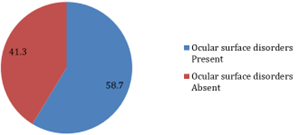
Figure 1: Ocular Surface Disorders (n = 126)
Table 1: Age and Gender Distribution of the Study Participants (n = 126)
No. of patients
%
Age (Years)
≤20
10
7.9
21-30
29
23.0
31-40
17
13.5
41-50
29
23.0
51-60
30
23.8
60-65
11
8.8
Gender
Male
81
64.3
Female
45
35.7
Total number of patients
126
100%
Table 2: Indications for AICU Admission
Indication for AICU admission
No. of patients
%
Post-operative monitoring#
39
30.9
Head Injury
25
19.8
Orthopaedic Injury
16
12.7
Respiratory Insufficiency
14
11.1
Head and Neck Malignancy
7
5.6
Sepsis
6
4.8
Snake Bite
6
4.8
Cardiac disorder
4
3.2
Poisoning
2
1.6
Diabetes
2
1.6
Eclampsia
2
1.6
Haemorrhagic Shock
1
0.8
Stroke
1
0.8
Burn
1
0.8
Total
126
100%
Table 3: Association Between Indication for AICU Admission and OSDs
No ocular surface disorders
Ocular surface disorders present
Post-operative monitoring (n = 39)
26 (66.7%)
13 (33.3%)
Head Injury (n = 25)
4 (16%)
21 (84%)
Burn (n = 1)
0
1 (100%)
Cardiac disorder (n = 4)
1 (25%)
3 (75%)
Diabetes (n = 2)
1 (50%)
1 (50%)
Eclampsia (n = 2)
2 (100%)
0
Head and Neck tumor (n = 7)
0
7 (100%)
Haemorrhagic Shock (n = 1)
1 (100%)
0
Orthopaedic injury (n =16)
13 (81.3%)
3 (18.7%)
Respiratory Insufficiency (n =14)
3 (21.4%)
11 (78.6%)
Sepsis (n = 6)
1 (16.7%)
5 (83.3%)
Snake Bite (n = 6)
0
6 (100%)
Stroke (n = 1)
0
1 (100%)
Poisoning (n = 2)
1 (50%)
1 (50%)
Total (n = 126)
52
74
Data expressed as frequency and percentage
About 23% of the patients were each aged between 21 and 30 years and 41 and 50 years. 13.5% patients belonged to age-group of 31 to 40 years. 8.8% of the patients were elderly (>60 years). Remaining, 7.9% of the patients aged up to 20 years. In the present study, male to female ratio was 1.8:1. 64.3% of the patients in our study were males while remaining 35.7% of the patients were females (Table 1).
In the present study, the most common indication for AICU admission was post-operative monitoring (30.9%) followed by head injury (19.8%) and orthopaedic injury (11.1%) (Table 2).
In the present study, 74 (58.7%) of the patients had ocular surface disorders while it was absent in 52 (41.3%) patients (Figure 1).
In the present study, ocular surface disorders were observed most commonly among patients who had head injury Followed by Post-operative monitoring and Respiratory Insufficiency as indication for AICU admission (Table 3).
DISCUSSION
In the present study, ocular surface disorders were observed most commonly among patients who had head injury Followed by Post-operative monitoring and Respiratory Insufficiency as indication for AICU admission. In our study, 84% of the patients with head injury had ocular surface disorders. A retrospective analysis by Rutner et al. [7], reported that the patients with traumatic brain injury have corneal abrasion, blepharitis, chalazion/hordeolum, dry eye, traumatic cataract, vitreal prolapse and optic atrophy. They concluded that it is of a concern of potential increased frequency of occurrence of specific ocular diseases in population with traumatic brain injury.
CONCLUSION
The present study concluded that post-operative monitoring was the most common indication for AICU admission and Ocular surface disorders were observed most commonly among patients who had head injury.
Funding
Financial Disclosure: There was no any additional financial burden on the subjects because of participation in the study. Investigator did not get any financial benefit from any source for this study.
Ethical Approval
The study was approved by IEC at Dr RPGMC Kangra at Tanda. Consent forms were signed and collected from attendants of all the patients, who were included in the study.
REFERENCES
Farrell, M. and Wray, F. "Eye care for ventilated patients." Intensive and Critical Care Nursing, vol. 9, 1993, pp. 137–141.
Hernandez, E.V. and Mannis, M.J. "Superficial keratopathy in intensive care unit patients." American Journal of Ophthalmology, vol. 2, 1997, pp. 212–216.
McHugh, J. et al. "Screening for ocular surface disease in the intensive care unit." Eye, vol. 22, 2008, pp. 1465–1468.
Sorce, L.R. et al. "Preventing corneal abrasions in critically ill children receiving neuromuscular blockade: A randomized, controlled trial." Pediatric Critical Care Medicine, vol. 10, 2009, pp. 171–175.
Hearne, B.J. et al. "Eye care in the intensive care unit." Journal of the Intensive Care Society, vol. 19, no. 4, Nov. 2018, pp. 345–350.
Płaszewska-Żywko, L. et al. "Risk factors of eye complications in patients treated in the intensive care unit." International Journal of Environmental Research and Public Health, vol. 18, no. 21, 25 Oct. 2021, p. 11178.
Rutner, D. et al. "Occurrence of ocular disease in traumatic brain injury in a selected sample: a retrospective analysis." Brain Injury, vol. 20, 2006, pp. 1079–1086.
Recommended Articles
Research Article
Evidence Guided, Experience Based and Patient Compatible 3-Step Protocol for Managing Moderate to Severe Category of COVID19 Infections
Farah Husain,
...
Kirti N Saxena
Published: 05/01/2021
Download PDF
Research Article
A Descriptive Cross-Sectional Study to Evaluate the Knowledge about Symptoms and Risk Factors for Heart Attack (Myocardial Infarction) Among the General Population of New Delhi
Aastha Sehgal,
...
Avneet Kaur
Published: 06/05/2023
Download PDF
Research Article
Knowledge About Risk and Preventive Factors for Osteoarthritis Knee among Ortho OPD Patients in Regional Hospital, Keylong in District Lahaul and Spiti of Himachal Pradesh
Ajay Thakur,
Jaspal Chaudhary
Published: 20/06/2022
Download PDF
Research Article
A Randomized Controlled Trial Comparing the Effect of Oral Preemptive Pregabalin Compared to IV Lignocaine in Attenuating Hemodynamic Response to Laryngoscopy
P. Aashik,
...
B.N. Reddy
Published: 17/05/2023
Download PDF
PO Box 101, Nakuru
Kenya.
Email: office@iarconsortium.org
Editorial Office:
J.L Bhavan, Near Radison Blu Hotel,
Jalukbari, Guwahati-India
Sharma, A., Tuli, R., Sharma, R. K., Kumari, U. & Singh, D. P. (2022). Indications for Admission and its Association with Ocular Surface Disorders Among Patients Admitted in Adult Intensive Care Unit of a Tertiary Care Hospital. IAR Journal of Anaesthesiology and Critical Care, 3(1), 1-4.
MLA
Sharma, Ankush, et al. "Indications for Admission and its Association with Ocular Surface Disorders Among Patients Admitted in Adult Intensive Care Unit of a Tertiary Care Hospital." IAR Journal of Anaesthesiology and Critical Care 3.1 (2022): 1-4.
Chicago
Sharma, Ankush, Rajeev Tuli, R. K. Sharma, Usha Kumari and Devender P. Singh. "Indications for Admission and its Association with Ocular Surface Disorders Among Patients Admitted in Adult Intensive Care Unit of a Tertiary Care Hospital." IAR Journal of Anaesthesiology and Critical Care 3, no. 1 (2022): 1-4.
Harvard
Sharma, A., Tuli, R., Sharma, R. K., Kumari, U. and Singh, D. P. (2022) 'Indications for Admission and its Association with Ocular Surface Disorders Among Patients Admitted in Adult Intensive Care Unit of a Tertiary Care Hospital' IAR Journal of Anaesthesiology and Critical Care 3(1), pp. 1-4.
Vancouver
Sharma A, Tuli R, Sharma RK, Kumari U, Singh DP. Indications for Admission and its Association with Ocular Surface Disorders Among Patients Admitted in Adult Intensive Care Unit of a Tertiary Care Hospital. IAR Journal of Anaesthesiology and Critical Care. 2022 Jan;3(1):1-4.


 Download PDF
 Download XML