Contents
Download PDF
pdf Download XML
941 Views
527 Downloads
Share this article
Research Article | Volume 3 Issue 2 (July-Dec, 2023) | Pages 1 - 3
Study of Remdesivir Drug as Treatment against Coronavirus (COVID-19)
 ,
 ,
 ,
1
College of Sciences , AL- Qadisiyah University, AL-Diwanyiah province, Iraq
2
Ministry of Education, Al-Qadisiyah Education Directorate, Iraq
Under a Creative Commons license
Open Access
Received
July 3, 2023
Revised
Aug. 9, 2023
Accepted
Sept. 19, 2023
Published
Oct. 30, 2023
Abstract

Many scientists searched for an effective treatment for this harmful disease after the recent challenges of the spreading epidemic of coronavirus that invaded many countries and claimed the lives of many people. They tested many drugs, including a drug called Remdesivir, which proved effective against corona patients in a number of countries that used it. In this study, we'll review the information on a drug's composition and side effects when used by patients with the coronavirus in America and Japan. Two days after the National Institutes of Health presented their clinical experience and findings—a huge step forward in the fight against the Corona virus—the Food and Drug Administration issued an emergency statement regarding remdesivir. The FDA's statement was posted in full on its website: Assume that Remdesivir is thought to be potentially successful in treating COVID-19 and that, in the absence of suitable or approved alternatives, treating this potentially fatal or deadly virus outweighs the dangers and risks associated with administering the medication.

Keywords
INTRODUCTION

The bio-pharmaceutical business Gilead Sciences developed Remdesivir, which is classified as a broad-spectrum antiviral drug [1]. is a nucleotide prodrug that the body converts to triphosphate nucleotides through metabolic processes [2]. Remdesivir is an experimental antiviral medication that is administered intravenously and inhibits viral replications by interfering with RNA-polymerase activity. Emdesivir was granted an emergency use authorization (EUA) by the US FDA to treat severe COVID-19 (confirmed or suspected) in hospitalized adults and children.    [3-4] 


The Coronavirus  (COVID-19) pandemice The severe-acute-respiratory-syndrome coronavirus type 2 (SARS-CoV-2) is the cause of the coronavirus diseases 2019 (COVID-19), often known as the coronaviruses pandemic [5-6]. outbreak was first discovered in Wuhan Province, China, in December 2019; on January 30, WHO declared the outbreak to be an international public health emergency; and on March 11, it was classified as a pandemic [7]. As of May 17, 2020, more than 4.71 million COVID-19 cases have been reported in more than 188 countries, causing more than 315,000 fatalities. Approximately 1.73 million [8].           


Small droplets produced by coughing, sneezing, and chatting between persons during close contact are the main means by which the virus is propagated [9]. Instead of traveling over great distances through the air, the droplets typically fall to the ground or onto surfaces [10]. Less frequently, individuals may contract an infection by touching contaminated surfaces and subsequently touching their faces [11]. The first three days after the onset of symptoms are when it is most contagious, but some persons don't exhibit any symptoms at all, making them particularly dangerous. Spread is also possible before symptoms arise.

RESULTS

Remdesivir was initially developed to treat hepatitis C [12]. It was later tried against Marburg and Ebola viruses, but it was ineffective against all of them [7]. Remdesivir is now   being   studied as a specific treatment for COVID-19, and it has been approved for use in Japan and the United States in cases of extreme symptomatology. The treatments are administered by injections into veins, which may reduce the amount of time needed to recover from infections.


Early research suggests antiviral effects against a number of RNA viruses, including the SARS and MERS coronaviruses, however these findings have not yet been approved for any applications [13]. Remdesivir was tested in clinical trials for treating Ebola-virus infections, however the advantages were rather marginal [14]. Remdesivir has also been demonstrated to prevent the reproduction of several human coronaviruses associated with significant morbidity in tissue cultures, including the Middle East respiratory syndrome coronavirus (MERS-CoV) in 2012 and the severe acute respiratory syndrome coronavirus (SARS-CoV) in 2003. (MERS-CoV).
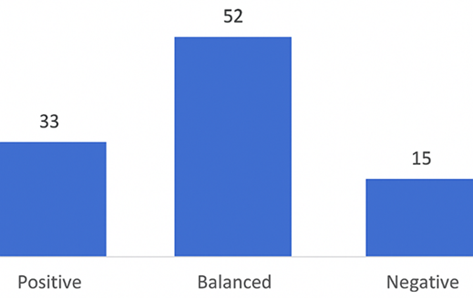


Remdesivir - Wikipedia


Figure 1: Conceptual Framework Illustrating the Relationship Between Independent and Dependent Variables


This medication is a Pro-Tide (Prodrug of Nucleo-Tide), which means that it can enter cells and diffuse there before being converted to GS-441524 mono-phosphates by esterases and a phospho-ramidase, which is then phosphorylated to produce its active metabolite triphosphates by nucleoside-phosphate kinases.                                             


Remdesivir's mechanism of action involves adenosine-nucleosides triphosphate analogs, which interfere with the operations of viral RNA-dependent RNA polymerase and escape viral exoribonuclease (ExoN), resulting in a decrease in viral RNA synthesis [15]. a drug While it causes a stop in the RNA-dependent RNA polymerases in some viruses, such as respiratory syncytial virus, it primarily causes irreversible chain terminations in Ebola. Remdesivir is classified as a direct-acting-antiviral agent that will serve as a delayed chain-terminator for the RNA-Dependent RNA Polymerase of MERS-CoV, SARS-CoV-1, and SARS-CoV-2 after integration of three extra nucleotides occurs RNA synthesis [16].


The route taken by the drug to become a coronavirus treatment became apparent. There was initially no reliable recommendation that remdesivir will lower mortality in COVID-19 patients as of May 2020 [4].


Gilad Medicine Company started testing a treatment for SARS-CoV-2 in the lab in January 2020, noting that remdesivir has been shown to be effective against (SARS) and (MERS) in animal models [17]. In order to treat COVID-19 [18] in China from February to March 2020, the Wuhan Virus Institute submitted an application for "Chinese Patent Use" on January 21, 2020. Remdesivir was not effective in reducing COVID-19 optimization times or mortality in an experiment, and because it had a number of side effects, the trial had to be stopped [19]. A limited study of remdesivir in macaque rhesus monkeys with COVID-19 infections indicated that it delays the onset of the disease in March 2020. The World Health Organization (WHO) will launch [20].


Remdesivir is effective in reducing recovery time from 15 to 11 days in persons with COVID-19, according to early findings from a controlle trial conducted by the US National Institutes of Health [21].


The National Institutes of Allergy and Infectious Diseases (NIAID) announced on April 29, 2020, that remdesivir medication was more effective than placebo in reducing hospitalisation time for patients hospitalized with COVID-19 specialists and pulmonary [22]. A Chinese research that was previously published in Lancet showed no gains, Later, this study was critiqued for being insufficient, NIH suspends the ACTT experiment and gives Remdesivir to the participants who were given the placebo in light of the findings of their study [23].


Side Effects of Remdesivir 

Organ impairment and respiratory failure are the most frequent side effects in studies of the remdesivir drug for COVID-19, along with low albumine, low potassium, low counts of red blood cells, low counts of platelets that aid in clotting, and yellow skin discolorations. Other side effects reported include gastrointestinal distress, elevated transaminase levels in the blood (liver enzymes), and infusion site   reactions  ,Reactions associated with infusion are among the additional remdesivir side effects that could occur. Remdesivir infusion-related reactions have been observed during an infusion or shortly after remdesivir administration. Low blood pressure, nausea, vomiting, sweating, and shivering are some of the warning signs and symptoms of infusion-related responses [14]. hepatic enzyme levels rising as seen by abnormal liver blood tests [4]. Remdesivir recipients have had an increase in liver enzyme levels, which could indicate inflammation or liver cell injury.
CONCLUSION

We conclude that it is necessary to work on many experiments and test other drugs that can be as a treatment for this fatal disease and that this medication according to the results obtained in the countries used for it showed efficacy towards this disease and thus can be used as a treatment in the future.

REFERENCE
  1. Scavone, C. et al. “Current pharmacological treatments for COVID-19: What's next?” British Journal of Pharmacology, April 2020. doi:10.1111/bph.15072.

  2. “Remdesivir EUA letter of authorization.” U.S. Food and Drug Administration (FDA), 1 May 2020.

  3. “Coronavirus (COVID-19) update: FDA issues emergency use authorization for potential COVID-19 treatment.” U.S. Food and Drug Administration (FDA), 1 May 2020.

  4. “Food and Drug Administration (FDA) has issued an emergency use authorization (EUA) to permit the emergency use of the unapproved product remdesivir for treatment of suspected or laboratory-confirmed coronavirus disease 2019 (COVID-19).” U.S. Food and Drug Administration (FDA), 2020.

  5. “Naming the coronavirus disease (COVID-19) 2020 and the virus that causes it.” World Health Organization (WHO), 2020.

  6. “Coronavirus very likely of animal origin, no sign of lab manipulation: WHO.” Reuters, 21 April 2020.

  7. Lau, S.K. et al. “Possible bat origin of severe acute respiratory syndrome coronavirus 2.” Emerging Infectious Diseases, vol. 26, no. 7, April 2020.

  8. “Novel coronavirus—China.” World Health Organization (WHO), 2020.

  9. “COVID-19 dashboard by the Center for Systems Science and Engineering (CSSE) at Johns Hopkins University (JHU).” ArcGIS, Johns Hopkins University, 18 May 2020.

  10. Huang, C. et al. “Clinical features of patients infected with 2019 novel coronavirus in Wuhan, China.” Lancet, vol. 395, no. 10223, February 2020, pp. 497–506.

  11. “Johns Hopkins ABX guide: Remdesivir—Likely the most promising drug.” Johns Hopkins Medicine, 12 April 2020.

  12. “Remdesivir.” Drugs.com, 30 April 2020.

  13. Mehta, N. and M. Mazer-Amirshahi. “Pharmacotherapy in COVID-19: A narrative review for emergency providers.” The American Journal of Emergency Medicine, April 2020. doi:10.1016/j.ajem.2020.04.035.

  14. Wang, Y. et al. “Remdesivir in COVID-19.” BMJ, vol. 369, April 2020. doi:10.1136/bmj.m1610.

  15. Ferner, R.E. and J.K. Aronson. “Remdesivir in COVID-19.” BMJ, vol. 369, April 2020. doi:10.1136/bmj.m1610.

  16. Tchesnokov, E.P. et al. “Mechanism of inhibition of Ebola virus RNA-dependent RNA polymerase by remdesivir.” Viruses, vol. 11, no. 4, April 2019, pp. 326.

  17. Sheahan, T.P. et al. “Broad-spectrum antiviral GS-5734 inhibits both epidemic and zoonotic coronaviruses.” Science Translational Medicine, vol. 9, no. 396, June 2017. doi:10.1126/scitranslmed.aal3653.

  18. Gordon, C.J. et al. “Remdesivir is a direct-acting antiviral that inhibits RNA-dependent RNA polymerase from severe acute respiratory syndrome coronavirus 2 with high potency.” The Journal of Biological Chemistry, April 2020.

  19. Joseph, S.S. and M. Samuel. “Gilead working with China to test Ebola drug as new coronavirus treatment.” Thomson Reuters, 31 January 2020.

  20. Barmann, J. “Bay area-based Gilead sees potential legal conflict with China over its coronavirus drug.” SFist, 6 February 2020.

  21. Herper, M. “Inside the NIH's controversial decision to stop its big remdesivir study.” Stat, 11 May 2020.

  22. “EMA starts rolling review of remdesivir for COVID-19.” European Medicines Agency (EMA), 30 April 2020.
Recommended Articles
Research Article
Virtualization of the Drug Analysis III laboratories: Systematization of the pedagogical strategy implemented because of the pandemic caused by COVID-19
...
Download PDF
Research Article
Phytochemical Evaluation of Anti-Diabetic Activity of Syzygium cumini in Alloxan-Induced Diabetic Rats
Published: 30/06/2025
Download PDF
Research Article
Inhalation Insights: Assessing Anesthesia Knowledge among Himachal Pradesh's Resident Anesthetists
...
Published: 29/05/2023
Download PDF
Research Article
Extraction, Diagnose and Evaluation of the Effectiveness of Aromatic Herb Pelargonium Graveolens as an Antiseptic and Disinfectant
...
Published: 27/04/2022
Download PDF
Chat on WhatsApp
Flowbite Logo
PO Box 101, Nakuru
Kenya.
Email: office@iarconsortium.org

Editorial Office:
J.L Bhavan, Near Radison Blu Hotel,
Jalukbari, Guwahati-India
Useful Links
Order Hard Copy
Privacy policy
Terms and Conditions
Refund Policy
Shipping Policy
Others
About Us
Team Members
Contact Us
Online Payments
Join as Editor
Join as Reviewer
Subscribe to our Newsletter
+91 60029-93949
Follow us
MOST SEARCHED KEYWORDS
Copyright © iARCON International LLP . All Rights Reserved.








