In today’s continuously changing climate achieving sustainability be it in agriculture, infrastructure development, business, or the environment has become one of the greatest challenges for many governments and the private sector across the globe. Agriculture, in particular, has over the last four decades undergone dramatic changes where food and fiber productivity has soured due to new technologies, mechanization, increased chemical use, and government policies that favor the maximizing and overproduction of agriculture commodities to cater for a continuously growing population. However, although these developments have had many positive effects and reduced the poverty levels and hunger in many countries, they also have had significant negative consequences on the environment the world over. Prominent among these are topsoil depletion, groundwater contamination, land and forest degradation, air pollution, and greenhouse gas (GHG) emissions. In the last four decades, there has also been a growing concern about the impacts the agriculture sector is imposing on the environment, and this has prompted many non-governmental organizations (NGOs) and environmental movements to push for sustainable mechanisms and practices in agriculture that integrate three main issues which are environmental health or wellbeing, economic profitability, social and economic equity. Today these movements have garnered enormous support and acceptance within the food production systems, climate change, and the sustainable development discourse. Using a triangular research method this paper highlights a number of challenges that may hinder the attainment of a sustainable and resilient agriculture sector in the face of a changing climate and a continuously growing global population. This paper has also outlined solutions that can pave way for the attainment of a sustainable agriculture sector that ensures to it that environmental health, economical profitability, social and economic equity are attained. The paper concludes that even though the challenges to a sustainable agriculture sector outweigh the opportunities, with realistic, meaningful, and effective policies there is still room to successfully attain a sustainable and resilient agriculture sector that is adaptive to global change, resilient, environmentally sound, and supports a growing global population.
Keywords
Sustainability
Resilient
Agriculture
Climate Change
Development
INTRODUCTION
Humanity and the environment have had a very interesting and close relationship that has lasted for centuries, and which has seen them interact and form everlasting bonds. In today’s changing climate the understanding of human interaction and relationship with the environment particularly between past environmental and evolutionary change is key as it informs the scientific and the public at large about the dynamic that is associated with our natural environment. Today, clear evidence of the dramatic global climate change (GCC) over the past six million years has led to the emergency of research to understand whether environmental alterations have been the major cause of the current ecological disasters being experienced the world over [1]. From the earliest trace of human settlement on earth to this day, the relationship between humans and the environment has varied with time and from place to place [2]. For a long time, early human settlers on earth considered the environment to be dominant over them as this can be seen in the way they feared and worshipped natural phenomena such as thunderstorms, lightning, dense forests, large rivers, and oceans [2-5]. However, this perspective changed as they began realizing the potential the environment had in shaping and changing their lifestyles once a few alterations were made. This is what has come to be known in today’s world as development [5]. This ambitious zeal by humans to modify their surroundings (environment) and to better their lifestyle gave birth to the drive to discover and exploit the many valuable natural resources abundant in the environment and beyond for the ultimate benefit and development of humankind. Hence, the coining of terms such as development, industrialization, and the scramble for Africa [4]. This desire to acquire natural resources for wealth creation that could enhance comfortable lifestyles changed the way humans treated their environment. The dependence on the environment by humans for development has been seen to have shaped and created a parasitic relationship where humans perpetuated and continued to benefit from the environment without much care about its sustainability [2,5]. Furthermore, the period since the end of WW2 has seen an outstanding drive for economic and social development from many of the world’s poor countries. Since the end of WW2 development has been synonymous with improvements in the economic, social, and political wellbeing of many world nations. However, it must be noted that the desire for many countries the world over to push for development has been exacerbated by the ever-increasing global population which has further exerted more pressure on the environment for settlement and most importantly for food production to feed a continuously growing population. The World Bank has projected that by 2050 the global population is expected to hit 9.9 billion people, this simply means that more food and land for settlement will be needed which will further exacerbate the already environmental challenges being faced today which will further make it even harder for many countries across the globe especially those in the developing world to fully live up to the global efforts for a sustainable society.
As discussed above, human influence through agriculture expansion, the desire to develop, and the need to feed a continuously growing population have been exerting a huge influence on land and other natural resources. The continuous increase in agricultural intensity, in particular, keeps on generating pressure not only on land resources but also across the entire environment. Acknowledging the seriousness of this problem has made the agriculture sector a top priority for both economic and environmental sustainability policies. It is from this background that this paper seeks to appraise the challenges and potential opportunities for a sustainable and resilient agriculture sector under the current and future climate change scenario. The goal is to highlight these challenges and opportunities so as to give policymakers and other stakeholders in agriculture, climate change, and development the knowledge and tools for sustainable policy formation and change particularly in the agriculture sector. It is believed that the understanding of the challenges and opportunities that exist in attaining a sustainable and resilient agriculture sector will pave way for more robust, innovative, and sustainable mechanisms that can enhance the resilience and sustainability capacity of this sector even under a changing climate and a continuously growing population.
MATERIALS AND METHODS
To fully assess the challenges, solutions, and potential opportunities that lie in realizing a sustainable and resilient agriculture sector this paper uses a triangulation method of research with document analysis and interviews key in the execution of this research. Triangulation is a research method that uses a combination of methodologies in the study of the same phenomenon [6]. Document analysis is a systematic procedure that is used to review and evaluate documents both printed and those in electronic form (computer-based and Internet-transmitted) materials. Like other analytical methods in qualitative research, document analysis requires that data be examined and interpreted in order to elicit meaning, gain understanding, and develop empirical knowledge [7-8]. In this research, expert interviews were conducted with experts in the field of environment, agriculture, sustainable development, and climate change in the regions Japan, Bangladesh, and Zambia. This was coupled with existing literature on the study topic from journals, books, and other available peer-reviewed papers on the study topic. The conclusions that have been drawn in this research paper are derived from the analysis of the many documents that were reviewed and evaluated and interviews that were conducted and recorded. The purpose of using the triangulation method of research in this research paper is due to its core interest in attempting to provide a confluence of evidence that breeds credibility [9]. By examining information collected through different methods, the researcher was able to corroborate findings across data sets and thus reduced the impact of potential biases that could have arisen if the study used a single study. According to Patton [10], triangulation helps the researcher guard against the accusation that a study’s findings are simply an artifact of a single method, a single source, or a single investigator’s bias.
The Link between Agriculture Expansion and Environmental Degradation
The agriculture sector has for centuries been a vital sector for economic activities across the globe and has been a source of survival and livelihood for many people. Today close to 40% of the global land is being used for agricultural purposes with 1.5 billion hectares accounting for cropland which is 12% of the total global land area [11-12]. However, it must be noted that not only have agricultural practices expanded and intensified over time these have also harmed the environment [11]. In the last two to three decades, there has been growing evidence that indicates that the agriculture sector is the cause of most of the deforestation happening globally and is partly to blame for the current variability in the weather system across the globe [11,13-18]. Current statistics put the rate at which deforestation due to agriculture has taken place over the last 50 years at around a 13million hectors per year which is about 30% of the potential area cover of the subtropical, temperate, and tropical forests [11,17,19]. Today the agriculture sector is one of the major sources of greenhouse gas (GHG) emissions due to activities in agriculture such as land-use change and land cover transformation which have partly caused the global variability in the weather pattern [17,20]. According to Thornton and Lipper [21], the agriculture sector contributes approximately between 24% to 30% with FAO [22] putting the figure at 24% of the anthropogenic GHG emissions with three-quarters of this occurring in developing countries [17,23] and this share is likely going to increase to over 80% by the year 2050 [23].
According to MA [24] between the years 1969 and 2000, there was an increase in the use of agroecosystem services across the globe mainly due to the continuous increase in population growth which doubled to 6 billion people as of 2000 and this has over the years intensified the need to have enough food that can sustain this growing population. The continuous increase in population also meant that the use of machinery, chemicals, fertilizers, and irrigation activities have been intensified leading to constant environmental degradation [11]. According to the World Bank, over the next several decades' population increase and income growth both of which keep increasing in emerging and developing countries are expected to drive increased demand for food. Key to note is also that, population growth has been the number one driver in agriculture and food systems in the past however, its weight has kept on decreasing relative to other drivers such as increasing per capita incomes, urbanization, and changing dietary preferences and patterns. It has also been acknowledged that much of the increased crop demand in the period to 2050 will be for feedstuffs for livestock [11,17,22]. These projections and growth trends in the global population and incomes will require global agricultural production in 2050 to be 60 percent higher in volume than in 2005 to 2007 [11]. This increase would come mainly from an increase in crop yield (80% of the world production increase), in cropping intensity (10%), and the rest from a limited expansion of land use [22].
Thornton and Lipper and Rohila et al. [11], have also stated that the intensified activities in agriculture over the years have led to the degradation of almost 40% of the worlds agricultural land and has come with several threats and damages to a lot of agroecosystems services. As the global population continues to increase the demand for food will continue to grow to mean that the total GHG emission from the agriculture sector will also keep on increasing over time. Yohannes, [17] has furthermore, indicated that there has been a significant increase in GHG emission from 2001 to the year 2016. The increase occurred due to an expansion of the total agriculture outputs across the globe. In Ethiopia for example, GHG emissions from the agriculture sector accounted for about 80% in only 2009 [25]. Therefore, the negative impacts emanating from agriculture on the environment can be traced to the continuous agricultural expansion in many parts of the globe and these negative impacts are multidimensional and complex. Some scholars have indicated that the negative impacts from agricultural activities will not only adversely impact the overall functioning of the natural environment but also will likely impact resource allocation or other goods such as fuels and fibers [26-28].
Furthermore, some studies have shown that the expansion and intensificaStion of agricultural activities have not only led to land degradation and desertification but have the potential to cause poverty and hunger due to lesser productivity [22,29-32]. The key to point out is that over one-third of the GHG emissions from the agriculture sector results from Methane (CH4) enteric fermentation and 12% from CH4 in rice paddies. Farming contributes the biggest share of worldwide methane and nitrous oxide outflows [17]. The outflows from methane are created by enteric fermentation amid the stomach related digestion of ruminant creatures and by rice development. Nitrous oxide outflows on the other hand come primarily from the application of nitrogen-based fertilizers and creature fertilizer administration. Sad to mention is that GHG’s expulsion by the world woodland has fallen within the final two decades from 2.8 Gt every year to an evaluated 1.8 Gt in 2014 [22]. Today, the Amazon rainforest which is one of the biggest forests in carbon sequestration is losing its capacity to sequester carbon dioxide connecting this failure to an expanding rate of biomass mortality. This should worry us all because if this lack of sequestering carbon dioxide by the Amazon Forest continues the fight against climate change will prove to be more difficult.
Furthermore, it is worth noting that currently, the disruption to the socioeconomic and natural systems is already happening sooner than predicted [28]. The changing temperature, precipitation averages, unpredictable or a more varied extreme climate is likely going alter agriculture yields, health, physical safety, and earnings leading to more poverty levels and ultimately hampering the paths to current and future development levels especially in developing countries [33-34]. These impacts will more likely affect the most prominent sectors of the economy in many countries; such sectors include the agriculture sector, energy, forestry, and most coastal zones in both the developed and developing world [14,35-36,]. Most likely the said impacts will affect developing nations due to their inability to effectively absorb the shocks emanating from it. An examination of year-to-year variations in temperature (relative to a country’s average) suggests that anomalously warm years have reduced both the current level and subsequent growth rate of GDP in many developing countries across the globe [11,17,28]. Evidence from Sub-Saharan Africa has furthermore indicated that variability in rainfall has been projected to increase substantially in the next decade which is likely going to lead to a reduction in the GDP growth of many countries and an increase in the poverty levels [34]. Today the window of opportunity to formulate the right policies by governments around the globe to fight GCC and promote sustainable development is closing but this does not mean that nothing can be done to alter the course at which our climate is changing. It is therefore upon all nations to change the current trend on emissions if we are to reverse the current rise in global temperature and protect our environment and protect the current and future developmental programs that can alleviate the poverty levels rampant in the world. Then again, achieving development be it social development or economic development is an immense challenge for some nations' even if without the threat of a changing climate. Furthermore, economic development is vital in this era of a changing climate however, economic development alone is not enough if it does not attend to the most vital issues affecting the poor such as poverty and their wellbeing. Besides, the inability to ensure or protect our environment jeopardizes the social and monetary advancement of our social orders. Therefore, unless robust, innovative, and sustainable policies in agriculture are implemented by governments the world over to alter the current situation climate change will keep on changing lives and making life unbearable for many especially the majority of poor people in the developing world who solely depend on the sector for survival.
The Emergency of the Green Revolution Agriculture and its Impacts
Discussing agriculture expansion and development and its impacts over the last four to six decades without mentioning the role that the green revolution played would do no justice to the current topic. The emergency of the green revolution was a phase in the history of agriculture development and food security that has seen rampant environmental degradation and whose consequences are still being felt today and will be here to stay for a long time. The term green revolution agriculture (GRA) refers to the renovations in agricultural practices that began in Mexico in the 1940s [37-38]. As a result of its success in producing more agricultural products there, the movement (Green Revolution) and its technologies spread like fire worldwide later in the 1950s and 1960s. The green revolution significantly increased the calories produced per acre of agricultural land [37-38]. There are conflicting details of how and who began the Green Revolution in Mexico. Amanda [38] has stated that the beginnings of this movement are attributed to Norman Borlaug an American Scientist interested in agriculture who in the 1940s began researching in Mexico and developed new disease-resistant high-yield varieties of wheat by combining Borlaug’s wheat varieties with new mechanized agricultural technologies. Ameen & Raza [37] on the other hand have stated that the green revolution began in 1944 when the Rockefeller Foundation founded an institute to improve the agricultural output of Mexican farms. The Key is that these authors all acknowledged that the introduction of new technologies in Mexico as early as the 1940s to improve agriculture output particularly wheat led to the emergency of the green revolution. The new technologies were able to make Mexico be able to produce more wheat than was needed by its citizens allowing them to even export half a million tons of wheat to other countries by 1960,38 which was not the case before the introduction of these varieties as the country was importing almost half of its wheat. The immediate consequence of this massive growth in crop yields was that agriculture was able to outstrip population growth per capita as production increased every year from the 1950s [37]. The use of genetic engineering in agriculture to create genetically modified foods is viewed by some as the natural continuation of the green revolution [39].
In 1963 with the assistance of this funding, Mexico formed a global research institution called The International Maize and Wheat Improvement Center [38]. Countries everywhere, in turn, benefited from the revolution work conducted by Borlaug and this research institution. India, as an example, was on the brink of mass famine within the early 1960s thanks to its rapidly growing population. Borlaug and the Ford Foundation then implemented research there and that they developed a brand-new style of rice, IR8, that produced more grain per plant when grown with irrigation and fertilizers [38]. Today, India is one of the leading rice producers and IR8 rice usage spread throughout Asia within the decades following the rice's development in India [38]. The projects within the GRA spread technologies that had already existed but had not been widely used outside industrialized nations. These technologies included pesticides, irrigation projects, synthetic nitrogen fertilizer, and improved crop varieties developed through the standard; science-based methods available at the time. However, the key to knowing is that the emergency of the green revolution had both negative and positive impacts on the agriculture sector, the environment, and on the rural communities particularly in developing countries which have been analyzed in the following paragraphs. The impacts of the green revolution have been analyzed beginning with a discussion on the socio-economic impacts, environmental impacts, and health impacts.
Socio-economic Impacts
The most positive impact emanating from the green revolution has been that to do with food security. The world population has grown by about four billion since the beginning of the Green Revolution and many people believe that, without the revolution, there would have been greater famine and malnutrition especially in Africa Asia, and Latin America. For example, because of the revolution, India saw annual wheat production rise from 10 million tons in the 1960s to 73 million tons in 2006 [40]. The common person within the developing world consumes roughly 25% more calories per day now than before the green revolution. Between 1950 and 1984, as the green revolution transformed agriculture around the globe, world grain production increased by over 250% [41]. The increase in food production fostered by the revolution is often credited with having helped to avoid widespread famine, and for feeding billions of individuals [37,42]. This has been seen by many as a positive impact as it has enabled many people especially those in developing and emerging economies to have abundant food. However, some critics also have stated that the increased amount of food production has led to overpopulation and food waste worldwide which is putting pressure on the environment. Globalization is yet another partially positive aspect that came out of the GR even though globalization itself as a commonly utilized term in the 21st century still has its known positive and negative impacts on societies and the debate on this term is still ongoing. At the onset of the green revolution, many international agricultural research centers mushroomed all around the globe and they shaped the course of this revolution as these research centers shared information with other research centers across the world. Additionally, the inputs required in GRA created new markets for seed and chemical corporations, many of which were only based in the United States. For example, Standard Oil of New Jersey established hundreds of distributors in the Philippines to sell agricultural packages composed of HYV seed, fertilizer, and pesticides [37].
On the negative side, the result of globalization encouraged large-scale industrial agriculture at the expense of small farmers who are unable to compete with the high-efficiency Green Revolution crops. The result is massive displacement and increasing urbanization and poverty among these farmers, and the loss of their land to large agricultural companies. This further led to an increase of smallholder farmers and landless farm workers to migrate to big towns and cities in search of work. Another socio-economic impact brought about by the GRA is that smallholder farmers in many developing countries particularly in Asia and Africa often went into debt, which in many cases leads to a loss of their farmland. The increased level of mechanization on larger farms made possible by the green revolution removed a large source of employment from the rural economy. Because wealthier farmers had better access to credit and land, the green revolution increased class disparities [38]. The gap between the rich and poor widened because some regions were able to adopt green revolution agriculture more readily than others (for political or geographical reasons), interregional economic disparities increased still. Many small farmers are hurt by the dropping prices resulting from increased production overall and this is making it hard for them to meet their daily needs [43].
Environmental Impacts
The most documented environmental impact of the green revolution agriculture (GRA) is that to do with an increase in pests. GRA depends a lot on extensive use of pesticides, which are necessary to limit the high level of pests that are experienced when farmers grow one single crop over a wide area (monocropping). An increase in freshwater utilization is yet another environmental impact that comes with GRA. Commercial agriculture that produces a high crop yield extremely requires lots of freshwaters. In the US for example, agriculture consumes 85% of the freshwater [37]. Thus, water that was supposed to be utilized for other necessities is diverted for irrigation and with the scarcity of fresh water in recent years massive commercial agriculture that was brought about by GRA will surely be heavily impacted. The spread of green revolution agriculture affected both agricultural biodiversity and wild biodiversity [44]. There is little disagreement that the revolution acted to reduce agricultural biodiversity, as it relied on just some high-yield kinds of each crop. There are varying opinions about the effect of the green revolution on wild biodiversity. One hypothesis speculates that by increasing production per unit of surface area, agriculture will not need to expand into new, uncultivated areas to feed a growing human population. However, land degradation and soil nutrient depletion have forced farmers to clear up formerly forested areas to stay up with production [45]. The development of wheat varieties tolerant to acid soil conditions with high aluminum content permitted the introduction of agriculture in the Amazonian Cerrado ecosystem in Brazil which ended up in the degradation of some parts of the amazon which is key in carbon sequestration. Pesticide and herbicide also continue to be a significant source of pollution and a major source of water pollution which is impacting the health of many people especially those in developing countries. Some critics have charged that the green revolution destroyed soil quality over the long term and enhanced land degradation as farmers especially smallholder farmers scout for a new land where they can cut down trees for farming [45].
Furthermore, since fertilizers are largely what made the green revolution possible, they forever changed agricultural practices because the high yield varieties developed during this time cannot grow successfully without the help of fertilizers. Sustainability issues have also been a concern by many Fossils fuels dependent agricultural output increased as a result of the green revolution, the energy input into the process has also increased at a greater rate, so the ratio of crops produced to energy input has decreased over time. Green Revolution techniques also heavily rely on chemical fertilizers, pesticides, and herbicides, some of which must be developed from fossil fuels, making agriculture increasingly more reliant on petroleum products and services [37].
Health Impact
The consumption of the chemicals and pesticides used to kill pests by humans in some cases may be increasing the likelihood of cancer in some of the rural villages using them. Poor farming practices including non-compliance to the usage of masks and over usage of the chemicals by un-educated farmers in poor countries face this case [42]. Studies have shown that long exposure to pesticides such as organochlorines, creosote, and sulfate has been associated with a higher cancer rate [42]. Furthermore, organochlorines DDT, chlordane, and lindane have been connected to an increase in tumors in animals in many parts of the globe especially in the developing world [45]. Contradictory epidemiologic studies in humans have linked phenoxy acid herbicides or contaminants in them with soft tissue sarcoma (STS) and malignant lymphoma, organochlorine insecticides with STS, non-Hodgkin's lymphoma (NHL), leukemia, and, less consistently, with cancers of the lung and breast, organophosphorus compounds with NHL and leukemia, and triazine herbicides with ovarian cancer [45]. Furthermore, many hybrid crops are claimed to be inferior in nutrition which potentially leads to malnutrition. Despite the criticisms and negative impacts arising from the green revolution, it should be noted that this movement has forever shaped and changed the way agriculture is conducted worldwide, benefiting the people of many countries in need of increased food production and this will keep going on. What is key is to be able to do it sustainably so that we can be able to see to it that a sustainable agriculture sector is maintained and sustained for food security. Therefore, discussing the potentials and challenges of a sustainable green revolution in regions of Asia and Africa is seen key as these regions are well known for food insecurity issues and high poverty levels.
The above discussed socio-economic, environmental, and health impacts emanating from agriculture over the last four to six decades are among the reasons that led to the emergency of the concept of sustainable development and that are still keeping alive the concept of sustainability.
The Concept of Sustainable Development
As earlier discussed, achieving sustainable development has become one of the greatest challenges for many countries the world over even without the threat of global warming and a changing climate. The concept of ‘sustainability’ came as a result of intensive discussions about the link and relationship that exists between pesticide use and widespread pollution and the visible effects of pollution on the health of human’s plants and animals [46]. Realizing and understanding the rate at which environmental degradation partly from agriculture and industrial development led to the emergency and push for sustainable development and, in particular sustainable lifestyles in all global human activities. There have been a substantial number of diverse and wide-ranging interpretations and definitions of sustainable development, both across and within scientific disciplines. Pearce et al. [47] provide a collection of such definitions, and for summaries of recent developments see Goldin and Winters [48] and Pearce and Barbier [47]. However, the Brundtland report which is also known as ‘Our Common Future’ has defined sustainable development as:
“Development that meets the needs of the present without compromising the ability of future generations to meet their own needs.”
From this definition, it can be said that the concept implies that economic development today must ensure that future generations are left no worse off than present generations [49]. This means that future generations should be entitled to at least the same level of economic opportunities and thus at least the same level of economic welfare that the current generation is enjoying must be available for future generations too. As Pezzey succinctly puts it “the welfare of society should not be declining over time.” Therefore, the unwillingness and ultimate failure to have a balance between development objectives and environmental needs will undoubtedly and significantly undermine or make it impossible to achieve the much-discussed sustainable development goals. In the same vein, efforts to enhance the sustainability of the agriculture sector are crucial especially in this era of a changing climate and continuously growing global population as agriculture has proven to undermine the goals of a sustainable society [33-34]. This definition given above does not limit the scope of the concept of sustainable development [50]. As a concept that emphasizes conserving resources for future generations, the concept differentiates itself from the traditional environmental policy, which advocates for the externalities of environmental degradation. The overall goal of the concept of sustainable development (SD) is its emphasis on the stability of both our environment and our economies in the long term. This, however, cannot be achieved unless the concerns of our economic, social, and environmental needs are integrated into the policy and decision-making processes [51].
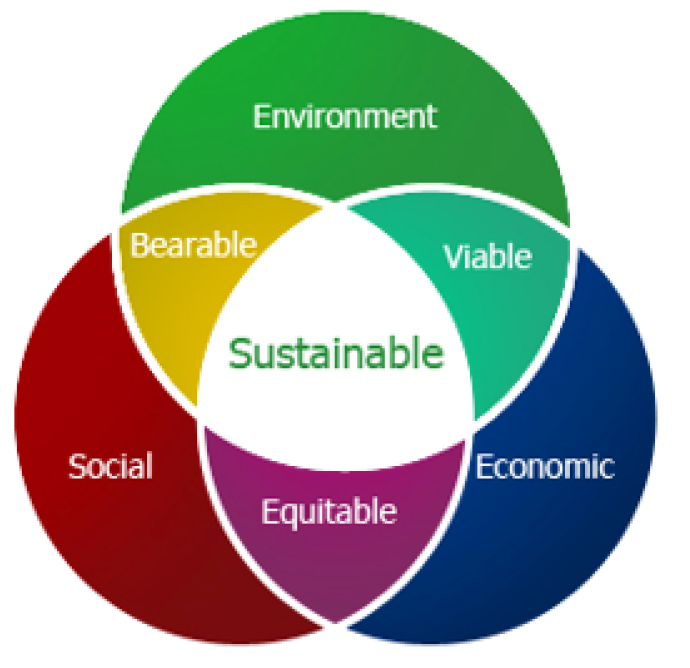
Figure 1 above shows the three major components found in the concept of sustainability. Each component here must be adequately fulfilled if we are to attain sustainability. Furthermore, each component must be given equal attention if we are to achieve sustainability standards in any sector. In the economic sector, for example, sustainability involves creating an enabling environment that allows for the economic value of whatever project or decision we undertake as a people. This simply means that whatever economic decision that is made must be in line with the most equitable and fiscally sound way of society and must consider all aspects of sustainability. Long-term benefits rather than short-term ones are key in a sustainable economy [52]. On the other hand, the social sustainability component focuses on decisions or projects that are made by policymakers and other stakeholders that must be able to promote the betterment of society as a whole. In simple terms, social sustainability seeks to push for the idea that the quality of life and benefits we have now and enjoying must be met and must be even better than what we are enjoying by future generations after us. Key areas of interest in social sustainability are human rights, environmental law, and public involvement and participation in the decision-making process. The failure to see to it that social sustainability is achieved and upheld will lead to a slower and collapse of all components of sustainability. Environmental sustainability, on the other hand, focuses on the management of our ecosystem. It puts more emphasis on an ecosystem that is able to fully maintain its biodiversity, populations of species, and the overall functionality over a long period. Environmental sustainability's overall goal is a push for equilibrium with the natural systems. Thus, to achieve this, unnecessary environmental disturbances must be avoided at all costs, and proper management and conservation mechanism must be put in place [52].
Supporters for the concept of ‘sustainable development argues that economic growth at the expense of the degradation of our natural resources is on its whole not ‘sustainable’. The current state of our ecological system must be maintained and protected to support human existence today and in future generations. This argument opposes pursuing economic growth at all costs at the expense of the environment and its well-being. Thus, sustainability begins and involves the process of maintaining ecological sustainability and seeks a balance between economic development and ecological wellbeing as seen in Figure 1 [50-54]. The concept of sustainable development has two facets to it. The first is the aspect of ‘needs’ whereby the essential needs of the world’s poor are of utmost importance and should be given the overriding priority. The second is the idea that there should be limitations to be imposed by the state of technology and social organizations on the environment’s ability to meet present and future needs. Thus, the objectives and goals of any development are it is social or economic development must be aligned to the aim of sustainability in all countries developed, developing, or centrally organized [55]. Development in most cases involves the transformation of the economy and the society at large. Key to note also is that a development path that is sustainable in the physical sense could be theoretically pursued even in a rigid social and political setting. However, physical sustainability cannot be achieved unless policies to do with development pay attention to real changes to the access to resources and distribution of costs and benefits [53]. Therefore, development objectives and priorities must be in check with the physical environment and its wellbeing if we are to meet the needs of the present generations and those of the future.
In the pursuit to understand the concept of SD and how it is applied one key issue of concern is the substitutability of capital. In much literature on capital, there are several types of capital, social, man-made, and natural. Thus, in a definition of weak sustainability, it is stated that only the aggregated level of capital matters: man-made, or manufactured, capital is an adequate alternative to natural capital. However, in a strong definition of SD, the unique aspects of natural resources that cannot be replaced once used up are recognized. To date, many environmentalists and ecologists strongly support the definition of a strong definition of Sustainability. Key to note is also the fact that the definition of substitutability has also been utilized and founded on several vital principles. Such principles include the intergenerational equity principle where the long-term goal of sustainability which is to address the needs of the current and future generation is recognized [53]. The polluter principle is yet another principle under the umbrella of sustainability. In this principle “governments should require polluting entities to bear the costs of their pollution rather than impose those costs on others or the environment” [53]. Therefore, when formulating policies particularly those to do with environmental sustainability governments and policymakers must ensure that environmental costs are internalized wherever possible as this further helps in minimizing externalities.
Another principle under the umbrella of substitutability is the principle of precautionary which states that “where there are serious threats to or irreversible damage or a lack of conclusive scientific certainty on development project shall not be used as a reason for postponing cost-effective measure to prevent environmental degradation” [56]. Therefore, the progress of an activity or developmental project depends on the burden of showing evidence that the purported activity will not have any negative impact or cause any harm to the environment. Therefore, as explicitly stated in the Rio Declaration and the subsequent COP meetings including the recent one in Glasgow (COP, 26) to meet the needs of the current generation and those of the future all countries have and must play a significant role in cutting emissions and achieving sustainability and living sustainably.
Figure 1: Components of the Concept of Sustainability [52]
What is Sustainable Agriculture
Though being frequently used today, sustainable agriculture has been in use since the late 1980s, and, although the interpretations may vary, in recent years it has come to be understood as the adoption of practices and technologies that aims at improving productivity without harming the environment [57-59]. Today, the goal of attaining and moving towards a sustainable planet, one that accommodates the basic needs of the present generation while preserving the resources that will enable future generations to flourish, has gained increasing acceptance the world over. As mentioned in the introductory part of this paper agriculture has dramatically changed since the end of World War II bringing in both negative and positive impacts on people and the environment. Today, there is a consensus that the negative impacts emanating from agriculture expansion over the last four to six decades outweigh the positives and this has led to a push for sustainable practices in the sector which seek to foster environmental health, economic profitability, and social and economic equity. Over the years the term sustainable agriculture has become key in the mainstream media and discussions across the globe and has provided a sense of urgency and direction that has sparked much anxiety and excitement in all sectors of the global economy. The word "sustain," from the Latin sustinere (sus-, from below and tenere, to hold), to keep in existence or maintain, implies long-term support or permanence [60]. Therefore, in the agriculture sector, sustainability describes farming systems that are "capable of maintaining their productivity and usefulness to society indefinitely. Such systems, therefore, must be resource-conserving, socially supportive, commercially competitive, and environmentally friendly [57-58].
The term sustainable agriculture means an integrated system of plant and animal production practices having a site-specific application that will, over the long term:
Satisfy human food and fiber needs
Enhance environmental quality and the natural resource base upon which the agricultural economy depends
Make the most efficient use of nonrenewable resources and on-farm resources and integrate, where appropriate, natural biological cycles and controls
Sustain the economic viability of farm operations, and enhance the quality of life for farmers and society as a whole [59,61]
Sustainable agriculture seeks to complement modern agriculture as it seeks to reward the true values of producers and their products. It also draws and learns from organic farming which has been used by many farmers across the globe and proven to be non-toxic to both humans and the environment. It encompasses and can be integrated into farms and ranches large and small, harnessing new technologies and renewing the best practices of the past and new innovative practices of today. As can be seen above agriculture sustainability has been defined in many ways nonetheless, this concept ultimately seeks to sustain farmers' resources and local communities by promoting farming practices and mechanisms that are profitable, environmentally friendly, and good for all communities. Sustainable agriculture fits into and complements modern agriculture that seeks to feed a continuously growing population. It rewards the true values of producers and their products. It draws and learns from organic farming and it also works on farms and ranches large and small, harnessing new technologies and renewing the best practices of the past [57-58].
In sustainable agriculture, just like in the concept of sustainable development the environmental, social, and economic components are key and are of equal weight and must be tackled simultaneously.
Sustainable agriculture can be explained as follows:
Economically Viable: here it means that the activities done in agriculture must be profitable because if they are not profitable, then they are not sustainable
Socially Supportive: entails that the quality of life of farmers, farm families, and farm communities are very important in sustainable agriculture and must be safeguarded
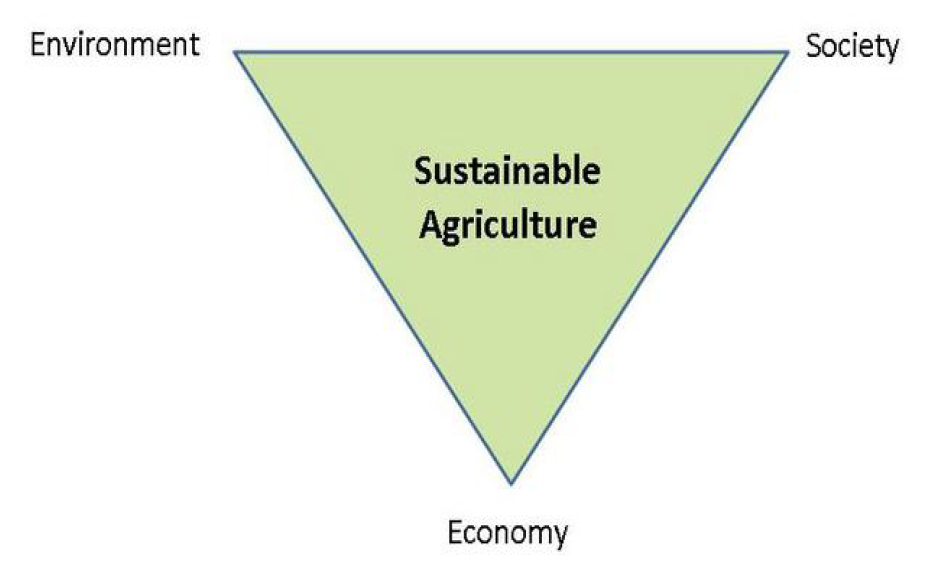
Figure 2: Illustrates the three main Components of a Sustainable Agriculture Adapted from Brodt et al. [58]
Ecologically Sound: here the environment is of utmost importance to all of us and must be preserved and sustained as it is the base for our continuous existence [58]
It must be noted that the economic, social, and ecological components in Figure 2 are all interrelated, and essential to the attainment of sustainability in agriculture. The key to understanding is also that agriculture that uses up or degrades or harms its natural resource base or pollutes the natural environment eventually will lose its ability to produce as it becomes unstainable. Furthermore, agriculture that isn't profitable, at least over time, will not allow its farmers to stay in business and that makes it unsustainable. More so, agriculture that fails to meet the needs of society, as producers and citizens as well as consumers, will not be sustained by society making it qualify to be unsustainable. Therefore, to achieve sustainable agriculture all the three components in figure 1 must be attained and must be in harmony [58-62]. Furthermore, when the production of food and fiber harms the resource base, the ability of future generations to produce their food and fiber decreases and harms their survival. This is why sustainability must be the goal for all global citizens especially those that are fully involved in the agriculture sector. Sustainability in agriculture, therefore, rests on the principle that whatever we do in agriculture must meet our present needs without compromising the ability of future generations to meet their own needs. It is in this vein that stewardship of both our natural and human resources must be of equal importance if we are to achieve sustainability in everything that we do. Thus, stewardship of human resources includes consideration of social responsibilities such as:
The working and living conditions of laborers
The needs of rural communities, and consumer health and safety both in the present and the future
Stewardship of land and natural resources may also involve maintaining or enhancing the quality of natural resources and using them in ways that allow them to be regenerated for the future
Stewardship considerations must also address concerns about animal welfare in farm enterprises that include livestock [58]
Sustainable agriculture must be understood as a philosophy that is based on human goals and understanding of the long-term impact of our activities on the environment and other species. This philosophy guides our application of prior experience and the latest scientific advances to create integrated, resource-conserving, and equitable farming systems [63]. The key principle in agriculture sustainability is to reduce environmental degradation, maintain agricultural productivity, promote economic viability in both the short and long term, and maintain stable rural communities and quality of life for all [64-65]. It must be noted that agriculture sustainability does not mean a return to either the low yields or poor farmers and farming methods that characterized most of the 19th century. Rather, sustainability builds on current agricultural achievements, adopting a sophisticated approach that can maintain high yields and farm profits without undermining the resources on which agriculture depends [66]. Agriculture sustainability also seeks to optimize skills and technology to achieve long-term stability of the agricultural enterprise, environmental protection, and consumer safety. It is achieved through management strategies that help the producer select hybrids and varieties, soil conserving cultural practices, soil fertility programs, and pest management programs [61]. The goal of sustainable agriculture is to minimize adverse impacts to the immediate and off-farm environments while providing a sustained level of production and profit. Sound resource conservation is an integral part of the means to achieve sustainable agriculture [61].
Furthermore, sustainable agriculture does not refer to a prescribed set of practices. Instead, it challenges producers to think about the long-term implications of practices and the broad interactions and dynamics of agricultural systems [67]. It also invites consumers to get more involved in agriculture by learning more about and becoming active participants in their food systems. A key goal is to understand agriculture from an ecological perspective in terms of nutrient and energy dynamics, and interactions among plants, animals, insects and other organisms in agroecosystems then balance it with profit, community, and consumer needs [67]. In addition, sustainable agroecosystems require that measures are put in place that ensures to it that these sensitive areas of human survival firstly, maintain their natural resource base, rely on minimum artificial inputs from outside the farm system, manage pests and diseases through internal regulating mechanisms and recover from the disturbances caused by cultivation and harvest [68].
Today, sustainable farming practices around the globe commonly include the following:
Crop rotations that mitigate weeds, disease, insect, and other pest problems; provide alternative sources of soil nitrogen; reduce soil erosion; and reduce risk of water contamination by agricultural chemicals
Pest control strategies that are not harmful to natural systems, farmers, their neighbors, or consumers. This includes integrated pest management techniques that reduce the need for pesticides by practices such as scouting, use of resistant cultivars, the timing of planting, and biological pest controls
Increased mechanical/biological weed control; more soil and water conservation practices; and strategic use of animal and green manures
Use of natural or synthetic inputs in a way that poses no significant hazard to humans, animals, or the environment [22,59,68]
The Challenges of Sustainable Agriculture
In the last two decades, several agricultural communities have adopted a sense of urgency and direction pointed towards the need to see sustainable agriculture. Despite the lack of a clear definition, the concept of sustainable agriculture has not lessened its authenticity. Today, sustainability has become an integral component of many governments, the private sector, and non-profit organizations, and agriculture research institutions and it is beginning to be woven into agricultural policy. Over the years, there has been an increasing number of farmers and ranchers who have embarked on their paths to sustainability, incorporating integrated and innovative approaches into their enterprises that enhance the sustainability of the agriculture sector. However, the continuous increase in global population growth has tremendously expanded the demand for agriculture products and this has over the years exerted extreme pressure on the environmental and natural resources which has further become a huge challenge for many farmers across the globe who seek to push for sustainable agriculture [2,17,22]. Despite this, agricultural sustainability has become a critical solution to the development of complex socio-economic and natural systems. The concept of sustainable agriculture coupled with rural development was first introduced at the conference on Agriculture and the Environment in the Netherlands by the Food and Agriculture (FAO) of the United Nations in 1991at Hertogenbosch (den Bosch) [69]. As discussed earlier the basic principles of agriculture sustainability are to maintain a sufficiency of land for agriculture, to guarantee food security, to improve current living standards, to safeguard the development of future generations, and to establish harmonious mechanisms for agriculture and economic development that ensure a prosperous rural society [70]. The goal of agriculture sustainability is to
Increase grain yield, ensure food security and eliminate famine
Increase peasants' income, eliminate poverty and stimulate comprehensive agricultural development
Use and protect natural resources and the agricultural environment while improving the natural environment for present and future generations [69]
However, over the years achieving sustainability in the agriculture sector has faced a lot of challenges and these challenges are likely going to be exacerbated by the continuous increase in global population growth and climate change-related impacts. These challenges range from a decline in cultivated land due to population increase, urbanization and industrialization, use of chemical fertilizers and pesticides, ensuring good and quality food, environmental pollution, and climate change impacts.
A Decline in Cultivated Agricultural Land Due to Population Increase, Industrialization and Urbanization
It is a well-known fact that land use and land supply and demand are dictated by mainly the economy, society, natural conditions, and population [69,71]. Therefore, as the global population increases, the demand for land to settle and to cultivate crops will increase and as it increases ensuring sustainable development will be a difficult challenge that many countries will face especially developing countries. The increase in population growth now estimated at 9.7 billion by 2055 is also likely going to play a role in resource depletion and environmental degradation which will hamper the global efforts for sustainable development. It is clear today that there is still a need to increase food production by an estimated 50% by 2050 when compared to the 2012 estimation [36], to feed a population of over 9 billion people. Today, there is already evidence suggesting that because of the continuous increase in population growth in recent years there is already a huge demand for cultivated land, forest, grassland, and land for development and new settlement [69]. Global natural resources are already shrinking with FAO putting global land degradation at 33% as of 2016 and water resources are overexploited, and deforestation and overfishing are already damaging ecosystems and biodiversity. All these will stand the progress towards sustainable agriculture. Furthermore, the global cultivated land has continued to decrease at an alarming level which is predicted to threaten food security and sustainable agricultural development [69,59]. As the population grows coupled with a desire and push for industrialization by many countries across the globe the consequences will be that land and natural resources exploitation will increase as observed in countries like China and India which have seen both population increase and industrialization over the last decades [69]. It is important to note that industrialization comes with an expansion of urban areas and the mushrooming of new ones and with this expansion comes a loss of cultivated land. Even though urbanization has both negative and positive effects on cultivated land a decline in the average productivity of cultivated land due to urbanization and population increase has been observed across the world [72]. Thus, the likelihood of having or achieving sustainable agriculture is limited and will remain a challenge unless robust policies are implemented by policymakers in all countries.
Climate Change Impacts
Climate change is and has become one of the most serious challenges to sustainable agriculture. Over the years climate has intensified in terms of natural hazards and subsequently has had an impact on the agriculture and food production sector. Between the years 2003 and 2013, the agriculture sector accounted for approximately 22% of damages emanating from natural threats and disasters in the developing world and this has increased in the last few years [17]. In countries like Bangladesh and Zambia climate change has tremendously affected food availability through its many adverse impacts on fish stock, livestock, crop yields, and productivity and these impacts are likely going to continue particularly in South Asia, Southeast Asia, small island nations, and sub-Saharan Africa Sakapaji [73]. The climate crisis is already having a huge impact on agriculture and achieving sustainability in agriculture is already proving a challenge in many countries. With the intensity and magnitude of climate change-related catastrophes mechanisms that are aimed at enhancing the sustainability of the agriculture sector will surely be hampered unless significant measures and policies are taken that ensures to it that climate change impacts are kept in check and agriculture activities continue in order to provide the required food to feed a continuously growing population.
Ensuring Enough, Good and Quality Food
Sustainability in agriculture encompasses many issues and one of the vital issues is ensuring to it that there is enough food that is also of good quality. However, research has shown that the way we have been producing food across the globe is not sustainable [17,36]. Over the years there have been concerns about how sustainable the type of food people are consuming is as there has been an increase in cases of overweight, obesity, micronutrient deficiencies across the globe [36]. This is a huge challenge and has also been exacerbated by the continuous increase in income growth and urbanization in many mid and low-income countries which is shifting the consumer's preference towards greater consumption of meat, fruits, and vegetables and moving away from the traditional cereal-based diet. This is likely going to impact the sustainability of the agriculture sector as the need to provide healthy and sustainable food is not taken into consideration because many farmers are only preoccupied with feeding and meeting the needs of a growing population without considering the health and environmental impacts of their activities.
Use of Chemical Fertilizers and Pesticides
In the last two decades, environmental pollution caused by the overuse of fertilizers and pesticides in agricultural environmental systems across the globe has become a very serious issue that is now a serious concern in today’s global society where a push for sustainability is the goal. China alone has the largest pesticide and chemical fertilizer consumption in the world and this consumption has steadily been increasing across the globe polluting the environment and ecosystem that we highly depend on. Therefore, it is necessary and vital that measures are put in place through effective policies to control the use and consumption of these pesticides and chemical fertilizers if we are to achieve sustainable agriculture and ecosystems [17,69].
Weak Agriculture Policy Framework and Institutional Constraints
One of the most impediments and challenges to a sustainable agriculture sector is that to do with poor or weak policies and institutional constraints all over the globe. Key issues that have made this possible are those to do with land distribution and insecurity of land tenure, low public sector investment in physical, technology, and social infrastructure in rural agricultural areas, and a lack of private sector participation in agriculture development. Today there is little evidence that shows that the private sector is engaging in the sustainability of the agriculture sector. Few civil society organizations are working at the grassroots level for the betterment of rural agriculture and the food security of the local people. In many countries across the globe, there is also a lack of organizational and institutional coordination which is making agricultural extension work weak and preventing the realization of sustainable agriculture initiatives in most countries with Egypt, Bangladesh, and China being some of the examples available [69,74]. Therefore, with a clear guideline and adjustment in agricultural, environmental, and economic policy the attainment of a sustainable agriculture sector can be within reach of the many developing countries which can enhance the livelihood of many farmers especially those in the rural areas.
Inadequate and Lack of Government or Private Support Services
In addition, to the above-discussed challenges to sustainability agriculture Farmers find ineffective support services regarding the availability of farm inputs like seeds, fertilizers, and credit. They usually have inadequate access to basic farm services such as Extension Services and technology transfer. Farmers are provided with low-level technology. However, Extension in the country has poor organization and Extension service does not enjoy empowerment.
Solutions for a Sustainable Agriculture Sector
The High-Level Panel of Experts report acknowledges the wide range of diversity issues in farming and food systems, each of which can and should improve sustainable agriculture development (SAD) for food security and nutrition. Importantly, food security and nutrition (FSN) and the progressive realization of the right to adequate food do not depend only on the global availability of food but also on access, utilization, and stability. This is why the sustainability of agriculture must be top of the developmental agenda of each country especially emerging and developing countries. To sustainably supply nutritious food to a world population that is expected to reach 9.7 billion people by 2050, there will be a need to adopt context-specific pathways to enable the transition towards more sustainable agricultural and food systems for FSN. Despite wide acceptance of the imperative of achieving food security and better nutrition for all, the multiplicity of possible entry points perspectives, and objectives have led to the coexistence of many narratives and conflicting evaluations about the state of agricultural development and, most importantly, on the directions and policy instruments required to improve sustainability. From the many research studies that have been done on sustainability issues, the success of the concept in the agriculture and food security sectors is so much embedded in strong government policies and the participation of all stakeholders if it is to succeed. However, the key to overcoming the challenges mentioned in this paper can only be overcome if communities who are the driving force of development are prioritized and if the mentality of the ‘business-as-usual’ approach by many policymakers and stakeholders in agriculture, environment, and development is abandoned.
Over the years the Food and Agriculture Organization (FAO) has developed a common vision for sustainable food and agriculture, based on five principles which are:
Improved efficiency in the use of resources
Conservation, protection, and enhancement of natural resources
Improved rural livelihoods and social well-being
Enhance the resilience of people, communities, and ecosystems to climate change and threats
Responsible and effective governance mechanisms [36]
The above principles are all formulated to address the main three pillars of sustainability which are social, economic, and environmental. Key to note is that these principles are fully in line with past and recent global agendas and goals and, as such, should be implemented simultaneously and synergistically and they must be solely driven by individual countries; be cross-sectoral; be managed through a multi-stakeholder approach; be adaptable to changing demands and climate, and be results-based [36]. However, we must view sustainability as a concept that has no end-point. Sustainability should and must be viewed as a continuous and evolving process that requires continuous adjustments by humans as the sole caretaker of the environment and all that lives in it. To achieve sustainable agriculture some key drivers of transition towards this goal have been fully presented below, of course keeping in mind the five principles of sustainable food and agriculture, the three pillars of sustainability, and a cross-sectoral and holistic approach discussed above. It is believed that if implemented together coupled with strong national support, they can pave the way to more sustainable agriculture and food sector across the world, especially in the developing world.
Below are some solutions that can pave the way to a sustainable agriculture sector in a changing ad unpredictable climate.
Robust Policies and Incentives
This is one area that is very important in realizing sustainable agriculture especially in a changing climate. Key issues that can be addressed are the implementation of effective regulations, taxes, the introduction of subsidies, pro-poor social protection, payment for conservations of ecosystem services and biodiversity, land tenure, and access to the market that can increase income and livelihoods for the rural population, particularly for those that are highly dependent on agriculture. By providing all these services the pressure that keeps on mounting on the agriculture sector will be somehow relieved allowing the agriculture sector to meet the sustainability goal. In the same vein, attention should and must be given to gender equality, youth employment, and income diversification. These are very vital areas that can pave way for innovation and reliance on another sector of the economy than solely depending on the agriculture sector. This can also bring in new knowledge on how to sustainably work in the agriculture sector. There must be also policy coherence and integration that requires structural changes in the way policies are formulated and implemented. The formulation of the policies and implementation must be done with the engagement of all stakeholders from the civil society, private sector as well as local communities [36,76-76].
Research, Development, and Innovation
With serious investment and robust research that promote climate change adaptation and mitigation, sustainable intensification with efficient utilization of resources, conservation of ecosystem services and biodiversity, and access by smallholder agriculture producers. As a key factor, the participation of all stakeholders in the research agenda is vital and needs to evolve from being centrally developed to one that is inclusive and has the participation of all people and sectors. Some of the key issues to be considered and implemented could be those to do with production increases in sustainable food systems, integrating social, economic, and environmental components; from farm to value chains and a territorial approach; from the supply of technologies to co-developing innovation with multi-actor networks; and from reductionist to systemic and interdisciplinary. In this vein, the integration of agricultural production systems such as agroforestry, crop-livestock, crop fish, and many others must be prioritized in the research and development agenda, with a strong emphasis on ecosystem management and conservation of natural resources. Doing this will generate positive impacts on the environment and resilience to climate change as well as nutrition through diet diversification [36,75-76].
Promoting Sustainable Agriculture and Food Systems through Investment and Financial Aid
To date, the majority of the investment in agriculture comes from the farmers themselves which have made it very difficult for them to fully realize sustainable agriculture and food systems. Thus, there is a need to work directly with producers who in this case are the farmers so that it would be easy to respond directly to their needs which will likely enable the facilitation of developmental of financial products that can foster sustainable agriculture production of all sectors. There are quite a several ways that can make this possible for example the promotion of credit cooperatives which can enhance and facilitate the smallholder farmers producer’s accessibility to financial aid, inputs, energy, and all necessary tools that allows them to be more sustainably productive and reach the global goal for sustainable agriculture and food security. Another important undertaking that can be done is that of public investments in rural infrastructure and the development of innovative markets that have the potential of improving the income and livelihoods especially for the many poor smallholder farmers that solely depend on the agriculture sector for survival [36,75-77].
The Enhancement of Institutional Governance for Inclusive Food Production
Achieving sustainable agriculture in the face of a lot of challenges will require that innovative government policy decisions and mechanisms are implemented at the local, community, national and sub-national levels. This simply means that sustainable agriculture should and must no longer be developed solely by the Ministry of Agriculture but through cross-institutional, private, and ministerial coordination. In addition to this, a multi-stakeholder dialogue must be engaged to include non-traditional parties, such as private companies, consumers, non-governmental organizations, and producers to formulate and implement public instruments and regulations holistically and coherently.
Sensitization and Awareness about the Need for Sustainable Agriculture
To achieve agriculture sustainability will require absolute political support that is ready to welcome and embrace an environment that is conducive enough for sustainable agriculture and food system at the local, community, national and sub-national levels. It is important to note that without strong political support and will that embrace and introduce change and at the same time ensures to it that policy support, transformations are encouraged achieving sustainability will be highly difficult to attain.
Proper Management of Landscape (Territorial)
Effective management of the landscape must be considered an important aspect to focus on by all stakeholders in the agriculture and food production sectors if we are to achieve sustainable agriculture. This is because doing this integrates agriculture, forestry, and fish production with natural resources management and conservation, as well as helps in identifying trade-offs and synergies among the different principles of sustainable food and agriculture, including a special focus on people and communities.
Improve Resource Efficiency
Considerable potential exists to improve resource efficiency through the transfer and adoption of best available practices and technologies in a given context and through the adoption of diverse approaches (including “sustainable intensification”, “save and grow”, “ecological intensification”, and “agro-ecology”), all with a growing emphasis on ecosystem services. This would make it possible to simultaneously increase productivity, preserve and make better use of limited resources, and reduce GHG emissions. Resource efficiency can be improved through different technical means including improving livestock management, careful breeding, health, and feed efficiency; closing the nutrient cycle; and reducing food losses and waste [77].
Strengthen Resilience
To address changing risks and shocks, whether environmental, economic, financial, or related to human and animal health, requires building resilience of all systems. The diversification of production and integration of crops and livestock at all levels from farm to landscape, community, territory, and region – will contribute to strengthening resilience and improving resource efficiency. This can pave way for sustainable pathways in the agriculture sector [77].
Improve Social Equity/Responsibility Outcomes
The failure to protect social equity and cultural integrity raises some of the most wide-ranging and politically sensitive challenges for sustainability. The norms, practices, and priorities of social equity/responsibility, property rights, and land tenure laws and customs, all differ across countries and communities and change over time. Working conditions need to be improved at all levels of food value chains. In line with the SDGs, national SAD strategies will have to prioritize the needs and interests of the most vulnerable populations (which typically include women, children, migrants, and indigenous peoples) [77].
CONCLUSION
The need to live sustainably as enshrined in the Brundtland report of 1987 also called ‘our common future’ has become core to the running of every sector and society today. The goal of this research paper was to assess the challenges associated with the realizing of a sustainable agriculture sector and the solutions that may make this possible especially in a changing climate and a continuously growing population. The zeal to explore this area emanates from the fact that agriculture has played a huge role over the last 4 decades in changing the ecosystem and contributing to the climate crisis. With 24% of the global greenhouse gas emission emanating from the agriculture sector urgent measures are and must be implemented to curb and cut these emissions. Through the use of the triangular research method this paper highlighted a number of challenges that may hinder the attainment of a sustainable and resilient agriculture sector in the face of a changing climate and a continuously growing global population which include; a decline in cultivated agricultural land due to population increase industrialization and urbanization, climate change impacts, lack of effective policies, lack of government and private support. This paper has also outlined solutions that can pave way for the attainment of a sustainable agriculture sector that ensures to it that environmental health, economical profitability, social and economic equity are attained. These include; robust policies and incentives, research development and innovation, promotion of sustainable agriculture and food systems through investment and financial aid, enhancement of institution governance, sensitization, and awareness of the need for sustainable agriculture. As mentioned in the discussion part of this paper achieving sustainability be it in the agriculture and food security sector, business, development, or technology is not an easy undertaking, it involves a whole lot of challenges however, with robust and effective policies and the involvement of all stakeholders which include governments, NGOs, private sector, local communities and which involves all people from the local to the community to national to regional and to international level achieving sustainability will be within reach. The key in this research has been the acknowledgement of the challenges that are there in achieving sustainable agriculture. Even though this paper has outlined some of the challenges existing in agriculture sustainability, future research must dwell more on unearthing more of these challenges and laying them afloat so that solutions can be found that can effectively tackle them and see to it that agriculture sustainability is realized across the globe.
REFERENCE
Potts, Richard. “Evolution and environment change in early human prehistory.” Annual Review of Anthropology, vol. 41, no. 1, 2012, pp. 151–167.
Onrubia, F.L. Indigenous knowledge of a changing environment: An ethnoecological perspective from Bolivian Amazonia. PhD dissertation, University of Helsinki, 2015, https://researchportal.helsinki.fi/fi/publications/indigenous-knowledge-of-a-changingenvironment-an-ethnoecolo gical.
Dalrymple, G. The age of the earth. Stanford University Press, 1991.
Turner, M. et al.Governance, administration and development: Making the stage work. Palgrave Publishers, 1997.
Barrow, C.J. “Environment and development.” International Encyclopedia of the Social & Behavioral Sciences, 2001, pp. 4566–4572.
Denzin, N.K. The research act: A theoretical introduction to sociological methods. Aldine, 1970.
Corbin, J. et al.Basics of qualitative research: Techniques and procedures for developing grounded theory. 3rd ed., Sage, 2008.
Rapley, T. Doing conversation, discourse and document analysis. Sage, 2007.
Eisner, E.W. The enlightened eye: Qualitative inquiry and the enhancement of educational practice. Collier Macmillan Canada, 1991.
Patton, M.Q. Qualitative evaluation and research methods. 2nd ed., Sage, 1990.
Rohila, A.K. et al. “Impact of agricultural practices on environment.” Asian Journal of Microbiology, Biotechnology and Environmental Sciences, vol. 19, no. 2, 2017, pp. 145–148.
Food and Agriculture Organization. Land degradation and restoration. FAO, 2019.
Geist, H.J. et al. “Proximate causes and underlying driving forces of tropical deforestation.” BioScience, vol. 52, no. 2, 2002, pp. 143–150.
Gibbs, H.K. et al. “Tropical forests were the primary sources of new agricultural land in the 1980s and 1990s.” Proceedings of the National Academy of Sciences, vol. 107, no. 38, 2010, pp. 16732–16737.
Kissinger, G. et al.Drivers of deforestation and forest degradation: A synthesis report for REDD+ policymakers. 2012.
Yohannes, H. “A review on relationship between climate change and agriculture.” Journal of Earth Science and Climatic Change, vol. 7, 2016, article 335.
Kerr, R.B. et al. “Knowledge politics in participatory climate change adaptation research on agroecology in Malawi.” Renewable Agriculture and Food Systems, vol. 33, no. 3, 2018, pp. 238–251.
Food and Agriculture Organization. The state of food and agriculture in Asia and the Pacific region. FAO, 2018.
Food and Agriculture Organization. Agriculture’s greenhouse gas emissions on the rise. FAO, 2014.
Thornton, P. et al. “How does climate change alter agricultural strategies to support food security?” 2013.
Food and Agriculture Organization. The state of food and agriculture 2016: Climate change, agriculture and food security. FAO, 2016.
Smith, P. et al. “Climate change mitigation.” Contribution of Working Group III to the Fourth Assessment Report of the IPCC, Cambridge University Press, 2007.
Millennium Ecosystem Assessment. “Ecosystems and their services.” Ecosystems and Human Well-being, 2005, pp. 49–70.
Marius, K. Climate risks and development projects. 2009.
Chapin, F.S. et al. “Consequences of changing biodiversity.” Nature, vol. 405, no. 6783, 2000, pp. 234–242.
Huylenbroeck, G. van et al. “Multifunctionality of agriculture.” Living Reviews in Landscape Research, vol. 1, no. 3, 2007, pp. 1–43.
Arora, N.K. “Impact of climate change on agriculture production and sustainable solutions.” Environmental Sustainability, vol. 2, 2019, pp. 95–96.
Wood, S. et al.Pilot analysis of global ecosystems: Agroecosystems. 2000.
Altieri, M. et al.Enduring farms: Climate change, smallholders and traditional farming communities. FAO, 2008.
Conway, G. “Acute and chronic crisis.” One Billion Hungry, Cornell University Press, 2012, pp. 3–19.
Pingali, P.L. “Green revolution: Impacts, limits, and the path ahead.” Proceedings of the National Academy of Sciences, vol. 109, no. 31, 2012, pp. 12302–12308.
Nelson, G.C. et al.Food security, farming, and climate change to 2050. IFPRI, 2010.
Vermeulen, S.J. et al. “Climate change and food systems.” Annual Review of Environment and Resources, vol. 37, 2012, pp. 195–222.
Food and Agriculture Organization. Climate-smart agriculture. FAO, 2008.
Food and Agriculture Organization. ClimAfrica. FAO, 2016.
Ameen, A. et al. “Green revolution: A review.” 2017.
Amanda, B. “History and overview of the green revolution.” ThoughtCo, August 2020.
Davies, P. “A historical perspective from the green revolution to the gene revolution.” Nutrition Reviews, vol. 61, no. 6, 2003.
Geevan et al. “CTBT and national and regional politics.” Economic and Political Weekly, vol. 33, 1998, pp. 2619–2629.
Thurner. The transformation of the Mexican agricultural program. 2013.
Shiva, V. Corporate feudalism and the new green revolution. 2001.
Buttel, F.H. “The global impacts of agricultural biotechnology.” 1995.
Chaudhry, M. “Green revolution and redistribution of rural incomes.” The Pakistan Development Review, vol. 22, no. 2, 1983, pp. 117–123.
Nugraheni, S. et al. “Problems and prospects of organic farming in Indonesia.” 2017.
Baker, M. “Libraries: Information services for sustainable development.” Africa’s Sustainable Development Bulletin, vol. 11, 2006.
Pearce, D.W. et al.Blueprint for a green economy. Routledge, 1989.
Goldin, I. et al.The economics of sustainable development. Cambridge University Press, 1995.
Puthenkalam, J.J. et al.Economic growth, democracy and human development. Claretian Publications, 2016.
Cerin, P. “Bringing economic opportunity into line with environmental influence.” Ecological Economics, 2006, pp. 209–225.
Stoddart, H. A pocket guide to sustainable development governance. Stakeholder Forum, 2011.
Dernbach, J.C. “Sustainable development as a framework for national governance.” Case Western Reserve Law Review, vol. 49, no. 1, 1998, pp. 1–103.
Dernbach, J.C. “Achieving sustainable development: The centrality and multiple facets of integrated decision making.” Indiana Journal of Global Legal Studies, 2003, pp. 247–285.
Puthenkalam, J.J. Integrating freedom, democracy and human rights into theories of economic growth. Palinsead General Merchandise, 1998.
Altieri, M.A. Agroecology: The science of sustainable agriculture. Westview Press, 1995.
Brodt, S. et al. “Sustainable agriculture.” Nature Education Knowledge, vol. 3, no. 10, 2011, p. 1.
Food and Agriculture Organization. Tracking adaptation in agricultural sectors: Climate change indicators. FAO, 2017.
Ikerd, J. Quoted in Richard Duesterhaus, “Sustainability’s promise.” Journal of Soil and Water Conservation, vol. 45, no. 1, January–February 1990, p. 4.
United States Department of Agriculture. Sustainable agriculture. Natural Resources Conservation Service, 2009.
Gold, M.V. Alternative farming systems information center. U.S. Department of Agriculture, 1999.
Francis, C.A. et al. “Sustainable agriculture: An overview.” Sustainable Agriculture in Temperate Zones, Wiley, 1990.
Youngberg, G. et al. “Sustainable farming systems: Needs and opportunities.” American Journal of Alternative Agriculture, vol. 4, nos. 3–4, 1989.
Francis, C. et al. “Sustainable agriculture—An overview.” Sustainable Agriculture in Temperate Zones, Wiley, 1990, p. 8.
Gliessman, S.R. “An ecological definition of sustainable agriculture.” Principles of Agroecology and Sustainability, 1998.
Sustainable Agriculture Research and Education. Sustainable agriculture. University of Maryland, 1997.
O’Connell, P.F. “Sustainable agriculture, a valid alternative.” Outlook on Agriculture, vol. 21, no. 1, 1992.
Zhao, J. et al. “Opportunities and challenges of sustainable agricultural development in China.” Philosophical Transactions of the Royal Society B, vol. 363, no. 1492, 2008, pp. 893–904.
Schaller, N. “The concept of agricultural sustainability.” Agriculture, Ecosystems & Environment, vol. 46, 1993, pp. 89–97.
Li, W.H. Agro-ecological farming systems in China. Parthenon Publishing Group, 2001.
Yu, Z. et al. “Research on the relation of food security and cultivated land’s quantity and quality in China.” Geography and Geo-Information Science, vol. 19, 2003, pp. 45–49.
Sakapaji, S.C. “Advancing local ecological knowledge (LEK) based practices for climate change adaptation.” The International Journal of Climate Change: Impacts and Responses, vol. 13, no. 2, 2021, pp. 61–83.
Sakapaji, S.C. An assessment of climate compatible development (CCD). 2018.
Conway, G. “What is hunger?” One Billion Hungry, Cornell University Press, 2012, pp. 21–40.
Donatti, C.I. et al. “Vulnerability of smallholder farmers to climate change in Central America and Mexico.” Climate and Development, vol. 11, no. 3, 2019, pp. 264–286.
High-Level Panel of Experts. Sustainable agricultural development for food security and nutrition. HLPE, 2016.
Recommended Articles
Research Article
Biotechnology and Its Impact on the Microbial Decomposition of Plastics and Achieving Environmental Sustainability: A Review
Sahar Adnan Sheet,
...
Anas Saad Hatem
Published: 30/06/2026
Download PDF
Research Article
Efficacy of Different Maturity Stages of Indian almond Tree Leaves as Anaesthetics in African Catfish (Clarias gariepinus) Fingerlings
O.A. Akinrotimi,
...
J.B. Anyanwu
Published: 30/11/2021
Download PDF
Research Article
Haematological Responses in Sarotherodon melanotheron Exposed to Linear Akylbenzene Sulfonate in the Laboratory
Okenwa U,
...
Otene B.
Published: 30/11/2021
Download PDF
Research Article
Effects of Different Storage Methods on Proximate Compositions of Smoked Marine Fishes
J.O. Aiyeloja,
...
D. Amachree
Published: 27/04/2022
Download PDF
PO Box 101, Nakuru
Kenya.
Email: office@iarconsortium.org
Editorial Office:
J.L Bhavan, Near Radison Blu Hotel,
Jalukbari, Guwahati-India
Sakapaji, S. C. (2022). Appraisal of Challenges and Solutions for a Sustainable and Resilient Agriculture Sector in a Continuously Changing Climate. IAR Journal of Agricultural Science and Food Research, 2(1), 1-15.
MLA
Sakapaji, Stephen C.. "Appraisal of Challenges and Solutions for a Sustainable and Resilient Agriculture Sector in a Continuously Changing Climate." IAR Journal of Agricultural Science and Food Research 2.1 (2022): 1-15.
Chicago
Sakapaji, Stephen C.. "Appraisal of Challenges and Solutions for a Sustainable and Resilient Agriculture Sector in a Continuously Changing Climate." IAR Journal of Agricultural Science and Food Research 2, no. 1 (2022): 1-15.
Harvard
Sakapaji, S. C. (2022) 'Appraisal of Challenges and Solutions for a Sustainable and Resilient Agriculture Sector in a Continuously Changing Climate' IAR Journal of Agricultural Science and Food Research 2(1), pp. 1-15.
Vancouver
Sakapaji SC. Appraisal of Challenges and Solutions for a Sustainable and Resilient Agriculture Sector in a Continuously Changing Climate. IAR Journal of Agricultural Science and Food Research. 2022 Jan;2(1):1-15.


 Download PDF
 Download XML