The open nature and resource limitations of Wireless Sensor Networks (WSNs) make them more exposed to numerous cyber threats. IDSs function effectively as key components for securing such networks. The research introduces a new deep learning intrusion detection system that integrates IGOA with CNN to enhance WSN intrusion detection capabilities. IGOA automatically optimizes CNN classification performance through an improvement of both accuracy and generalization capabilities. The proposed method demonstrates superior performance in WSN-DS dataset experiments since it reaches 99.94% accuracy that exceeds several state-of-the-art methods. Multiple assessments of precision, recall, F1-score and confusion matrix analysis and ROC-AUC metrics prove that the model can deliver reliable performance in real-world applications.
Keywords
Wireless Sensor
Deep Learning
Intrusion Detection
Neural Network
INTRODUCTION
Today Wireless Sensor Networks (WSNs) function as essential components to execute programs such as environmental monitoring along with healthcare applications and industrial automation as well as military surveillance applications. The autonomous network of many resource-limited sensor nodes forms Wireless Sensor Networks which operate data acquisition and transmission across environments that may be both hostile and insecure [1]. WSNs remain hazardous to security threats primarily because of their restricted computational capacity together with energy restrictions and unsecured wireless networks. The research community maintains security and resilience of WSNs as their top priority [2-3]. Intrusion Detection Systems (IDSs) function as defense mechanisms which operate after standard preventive tools such as cryptographic authentication. The deployment of effective IDS solutions for WSNs requires an optimal balance between detection accuracy and computational efficiency and energy conservation along with maintain a low false positive rate to reduce precious resource consumption [4-5]. Deep learning methods specifically Convolutional Neural Networks (CNNs) achieved notable feat in complex pattern recognition executions as well as anomaly detection and cybersecurity implementations during the previous few years. CNNs possess a suitable design for measuring complex high-dimensional datasets common in wireless sensor networks because they automatically generate hierarchical data features directly from raw inputs [6].
Implementing CNN-based IDSs in WSNs presents multiple substantial operational challenges. The main barrier facing hyperparameter configuration involves the complex management of many model parameters including learning rate alongside filter counts and kernel dimensions [7]. The tuning process using manual methods proves to be complex and unsatisfactory particularly in the context of present-day WSN environments. Research focuses on the combination of metaheuristic optimization algorithms and deep learning models for automating the hyperparameter tuning process because of increased interest [8]. In [9] authors introduce a Network Intrusion Detection System (NIDS) for Wi-Fi-based WSNs, focusing on feature selection to enhance dataset utility and performance. Using a Convolutional Neural Network (CNN) model, the approach achieved 97% accuracy and a loss metric of 0.14, significantly reducing false alarm rates. Compared to other models like DNN and LSTM, the CNN outperformed in precision, recall, and F1 score. In [10-11] authors propose an Intrusion Detection System based on an Improved Deep Neural Network (IDNN) combined with the Coyote Optimization Algorithm (COA-GS) for hyperparameter selection. Tested on the KDDCup 99 and WSN-DS datasets, the COA-GS-IDNN model outperforms conventional machine learning classifiers, achieving 95% accuracy, 94% precision, 96% recall, and 98% ROC AUC, while improving detection time and minimizing delay. In [12-13] authors propose the Genetic Sacrificial Whale Optimization (GSWO) approach, combining genetic and whale optimization algorithms with a three-population division strategy to avoid premature convergence. A CatBoost model operates with GSWO method for classification which delivers excellent performance on WSN-DS and CICIDS2017 datasets. The authors in [14] present an intelligent hybrid model which combines deep learning with optimization techniques to boost wireless sensor networks (WSNs) security levels. A hybrid security model implements Enhanced Black Widow Optimization (EBWO) algorithm together with Bidirectional Gated Recurrent Unit (BiGRU) and Attention Mechanism (ATTN) for cyber threat detection purposes. The model achieves the best performance in recognizing cyber threats while processing data from the WSN-DS dataset.
The authors in [15-16] propose an Adaptive Ensemble Learning Framework that improves WSN intrusion detection through CNN-LSTM networks coupled with a dynamic voting strategy. The product managed to accomplish 97.8% accuracy in addition to 96.3% precision and 95.7% recall which accomplished better performance than standard approaches by 5.2% while cutting down false positives by 3.8% and lowering latency by 18% for real-time monitoring. The authors in [17] apply machine learning methods GNB and SGD for improving recommendation systems through context-aware mechanisms. Through principal component analysis and singular value decomposition the SG-IDS model reached 96% accuracy level on WSN-DS dataset while surpassing competing methods. The researches in [18-19] present intrusion detection approaches that combine machine learning with SMOTE-TomekLink algorithm for dataset balancing to achieve better accuracy in WSNs. The method utilizes feature scaling with imbalanced dataset handling techniques which results in outstanding performance for intrusion detection in WSNs and Genetic Sacrificial Whale Optimization (GSWO). The research paper [20] presents SCNN-Bi-LSTM as a new method for Wireless Sensor Networks intrusion detection through Stacked Convolutional Neural Networks and Bidirectional Long Short-term Memory with FL integration to boost both performance and security. The tested model delivered its best accuracy level when processing both WSN-DS and CIC-IDS-2017 datasets while enhancing the detection of complex attacks through reduced false positives and negatives. Expert research shows that combining data processing approaches with deep learning platforms together with evolutionary computation techniques leads to advanced intrusion protection abilities in wireless sensor networks. The current research presents an Improved Grasshopper Optimization Algorithm (IGOA) that optimizes the Convolutional Neural Network (CNN) hyperparameters for detecting intrusions in WSNs. The meaningful adjustment of deep neural network hyperparameters serves as a fundamental technique to enhance their detection capabilities. The IGOA method uses an automatic process to explore different hyperparameter settings in order to discover optimal configurations which reduce classification mistakes and improve complete detection effectiveness. The automated parameter tuning through precise methods accelerates intrusion detection processes while providing better efficiency than traditional methods do. This research makes three major contributions that summarize as follows:
The proposed robust metaheuristic optimization framework implements advanced exploration methods to find optimal CNN hyperparameter sets through an optimal search process for cybersecurity intrusion detection in WSNs
A precise tuning process applies to three essential CNN parameters which include learning rate, filter number and kernel dimension. The right adjustment of these factors controls both complexity and speed-to-convergence of the model which leads to better extraction of spatial and structural features as well as improved classification accuracy and generalized outcomes when processing complex and diverse data sets
The research develops a new optimization technique known as Improved Grasshopper Optimization Algorithm (IGOA). The approach uses dynamic inertia weights together with mutation factors to minimize premature local optima encounters that occur during CNN hyperparameter optimization for intrusion detection tasks
The IGOA incorporates a strategy that controls exponential inertia weight decay across iterations. The optimization process receives enhanced effectiveness because this dynamic adjustment maintains proper exploration-exploitation balance for the entire search duration
A new dynamic exploration system utilizes a dynamic mutation factor together with a triangular mutation strategy. The position update method restrains grasshoppers from using their nearest local best solution excessively which leads to increased diversity in the population
The paper follows this order of presentation:
Section 2 introduces both the employed approach which includes CNN design and IGOA utilization for optimum hyperparameter selection
Section 3 details the experimental configuration as well as evaluation methods and result assessments. The paper concludes with Section 4 which proposes future research directions
MATERIALS AND METHODS
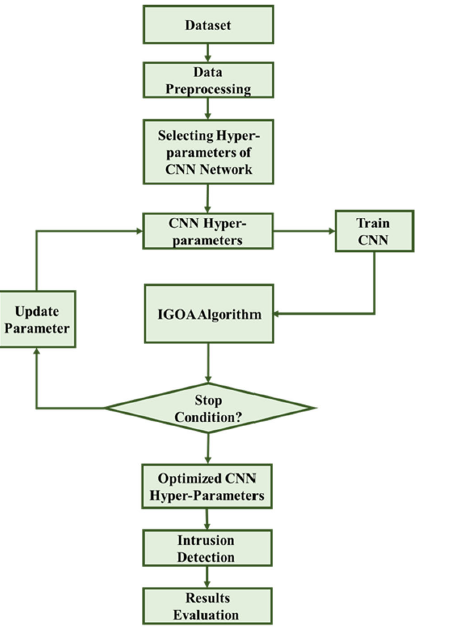
The main objective of this research involves creating an intrusion detection system through deep learning technology that specifically targets wireless sensor networks (WSNs). The research utilizes Convolutional Neural Networks (CNNs) for intrusion detection in WSNs because of their effective classification capabilities. Procedures to determine optimal CNN configurations become highly challenging because of CNNs' complex architecture and dependent parameters along with their time-consuming training requirements. This research uses the Improved Grasshopper Optimization Algorithm (IGOA) for conducting preliminary tuning of CNN hyperparameters. IGOA represents a metaheuristic method which draws its inspiration from grasshopper to optimize exploration and exploitation dynamics. Effective identification of global optima depends on this capability because it leads to successful hyperparameter optimization which ultimately enhances the performance of the IDS system. The illustration showing the proposed approach appears in Figure 1.
Figure 1: The Proposed Method Diagram
Data Acquisition and Preprocessing
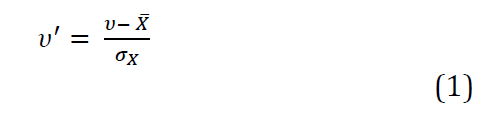
The presented IDS system needs data preprocessing for enhancing precision as well as operational efficiency. The WSN-DS dataset provides raw data that are extracted during this phase. The ROMINA normalization approach applies to features after data retrieval to normalize scales because it prevents attributes with wide numerical ranges from dominating training. ROMINA (Robust Min-Max Normalization Algorithm) enhances traditional min-max normalization by considering the distribution of the data and offering greater resistance to outliers. It maps feature values into a defined range, typically between 0 and 1. The normalization process is mathematically expressed as:
(1)
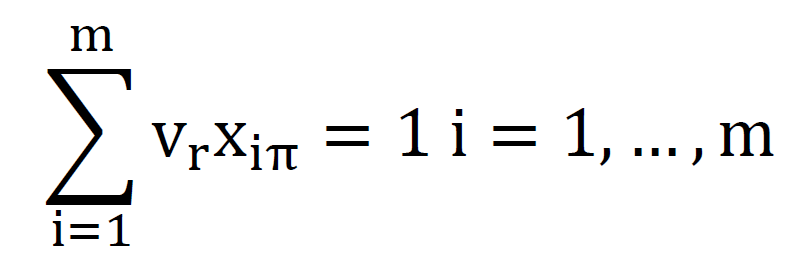
where Xi represents the i-th feature, and i-th and Xmin are the minimum and maximum values, respectively, computed with an adjustment based on quartile analysis to minimize the impact of extreme values. Applying ROMINA normalization results in a more evenly distributed feature space, which in turn simplifies the model structure, speeds up data processing, and enhances the overall detection performance of the WSN intrusion system.
Data Segmentation
Since Convolutional Neural Networks (CNNs) rely on supervised learning, they require a dataset consisting of labeled examples for training before they can be assessed on new, unseen instances. In this work, 70% of the available data are designated for training purposes, while the remaining 30% are reserved for testing. During the training stage, the model processes input samples together with their corresponding labels, enabling it to learn the relationship between feature patterns and their associated classes. Once the training phase is complete, the trained CNN is evaluated on the test dataset, where it is tasked with predicting the labels of samples it has not encountered before.
CNN Hyperparameter Optimization
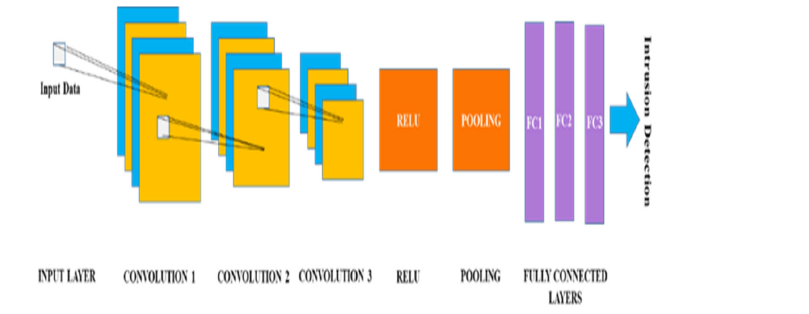
The utility of Convolutional Neural Networks (CNNs) in deep learning applications has reached widespread recognition due to their ability to deliver outstanding outcomes in various practical applications according to [21]. Network configuration discovery remains challenging due to CNN architectural complexity and the multiple hyperparameter interrelations and intensive training requirements. The research utilizes Improved Grasshopper Optimization Algorithm (IGOA) to deal with the hyperparameter tuning difficulty. The first step within the process involves using IGOA to find appropriate CNN hyperparameter values which subsequently lead to network training with these selected settings. The classification accuracy of the CNN becomes the optimization guide through its use as fitness score. The algorithm runs multiple optimization cycles based on fitness evaluation results which allow it to gradually enhance the hyperparameter set until a predefined termination condition is reached. Figure 2 demonstrates the CNN model architectural structure which was utilized during this work.
Figure 2: Architecture of the CNN
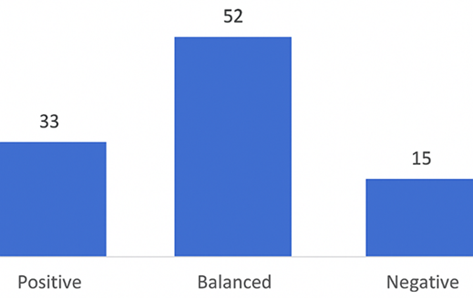
Figure 3: Distribution Of Wsn-Ds Dataset Samples A) Data Distribution Before Balancing B) Data Distribution After Balancing
Figure 4: Confusion Matrix for Test Data
Implementation of the Improved Grasshopper Optimization Algorithm (IGOA) takes place to optimize the CNN hyperparameters. Each grasshopper participating in this method represents a distinctive combination of CNN hyperparameters which include first fully connected layer neuron counts as well as second fully connected layer neuron counts and third fully connected layer neutron counts and learning rate and mini-batch size and other variables. The summary of CNN hyperparameters for optimization together with their adaptable value ranges is presented in Table 1. The subsequent section explains the comprehensive optimization process for these hyperparameters through implementation of the improved grasshopper optimization algorithm (IGOA).
Figure 5: ROC Curve for Test Data
Figure 6: A Comparison of the Proposed Method Against Alternative Approaches Occurs Through Precision, Recall and F1-Score Metric Evaluation
Implementation of the IGOA for CNN Hyperparameter Optimization
A population-based metaheuristic technique known as Improved Grasshopper Optimization Algorithm (IGOA) uses grasshopper swarm behavior to model its operations. The researchers use a variant of Dynamic Grasshopper Optimization Algorithm (DGOA) to optimize the values of CNN hyperparameters from Table 1. The steps for applying DGOA to hyperparameter optimization tasks proceed descried below.
Step 1: Parameter Initialization
The basic configuration parameters for the DGOA including population size (number of grasshoppers) plus maximum number of iterations need to be determined at this stage.
Step 2: Initial Population Generation
A grasshopper within the system functions as a candidate solution that contains particular CNN hyperparameter values. These individuals are initially distributed randomly across the defined search space. Throughout the optimization process, each grasshopper’s position — corresponding to a unique hyperparameter configuration — is iteratively updated based on the IGOA dynamics, progressively converging toward the optimal solution.
Step 3: Fitness Function Evaluation
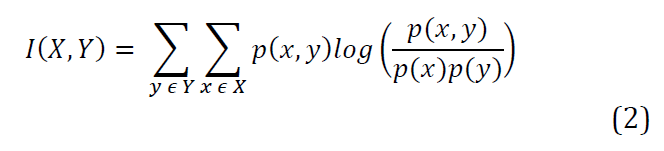
In this study, the fitness function is defined based on the CNN’s intrusion detection accuracy. The set of hyperparameters assigned to each grasshopper is used to configure a CNN model, which is then evaluated on intrusion detection tasks within wireless sensor networks. The resulting accuracy score is recorded as the fitness value, calculated using the following formula:
(2)
Where, TP, TN, FP, and FN denote True Positives, True Negatives, False Positives, and False Negatives, respectively.
Step 4: Selection of the Best Solution \( \hat{T}_d(t) \)
During each iteration, the solution achieving the highest fitness score is identified and compared against the previously recorded best solution. If the newly obtained solution surpasses the previous one in performance, it is designated as the updated best solution for that iteration.
Step 5: Updating the Position of Grasshoppers
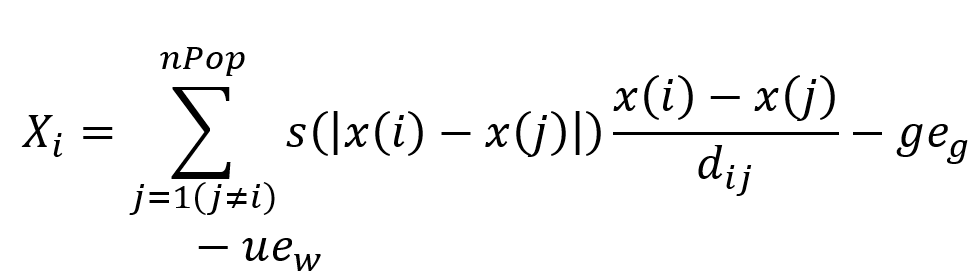
The position of each grasshopper is adjusted as follows:
Xi = Si + Gi +Ai (3)
Here: Sidenotes social interaction among grasshoppers, computed as:
(4)
Where, Dijis the distance between the i-th and j-th grasshopper, and is the unit vector pointing from one to the other. represents the gravitational force applied to the i-th grasshopper:
Gi=−geg
(5)
Here, g denotes the gravitational constant and is the unit vector pointing toward the center of the Earth. indicates the effect of wind advection, which is calculated as:
Ai=−uew (6)
where is the constant drift and is the unit vector pointing in the direction of wind. Considering these interactions, the grasshoppers’ movement model becomes:
(7)
However, the original mathematical model of the grasshopper optimization algorithm may not be directly applicable to solving optimization problems. This is because grasshoppers tend to quickly settle into a comfort zone, preventing the swarm from converging to a specific point. To overcome this limitation, a modified version of the equation has been introduced, specifically designed to address optimization challenges, particularly in updating the positions of the grasshoppers.
(8)
In the above equation:
xid (t+1) is the next position of the i-th grasshopper
xj (t) is the position of all other grasshoppers
xi (t) is the current position of the i-th grasshopper
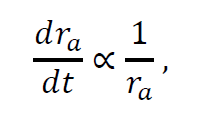
CDGOA represents the dynamic inertia motion weight (the parameter CDGOA balances exploration and exploitation and also reduces the range of attraction, neutral, and repulsion zones as the algorithm iterations increase)
T^d(t) denotes the target position
Step 6: Updating Dynamic Inertia Motion Weight
In the conventional Grasshopper Optimization Algorithm (GOA), position adjustments are mainly centered around the globally best solution, which increases the risk of premature convergence and causes the search process to proceed slowly. To address this issue, this paper proposes the inclusion of dynamic movement inertia weights within the improved GOA (IGOA) framework to enhance its convergence speed. The inertia weight controls particle velocity in optimization steps while defining how much previous movement direction each particle should keep. When inertia weights are elevated, the particles maintain their
Table 1: Hyperparameters for Optimization
No.
Hyperparameter
Range
1
Mini Batch Size
[200–300]
2
Learning Rate
[0.001–0.0011]
3
Number of Neurons in First FC Layer
[200–300]
4
Number of Neurons in Second FC Layer
[100–150]
5
Number of Neurons in Third FC Layer
[50–100]
Table 2: Parameters of the Improved Grasshopper Optimization Algorithm (IGOA)
No.
Hyperparameter
Range
1
Mini Batch Size
(200–300)
2
Learning Rate
(0.001–0.0011)
3
Number of Neurons in First FC Layer
(200–300)
4
Number of Neurons in Second FC Layer
(100–150)
5
Number of Neurons in Third FC Layer
(50–100)
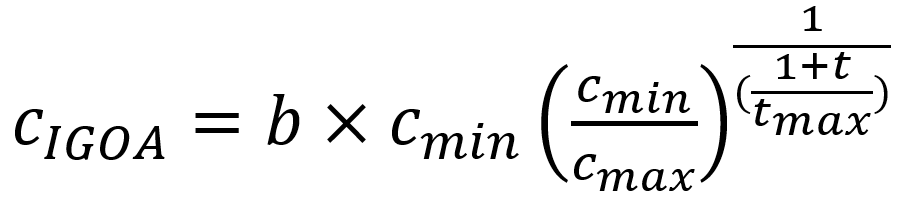
velocity from the previous step thus enabling them to search farther across the optimization area. The feature helps exploration efforts by letting particles search wider unexplored zones. With reduced inertia weights the particles will focus their search efforts to examine local areas especially around their current best solution position. The exploitation process becomes more efficient because particles dedicate their efforts toward improving existing solutions. Higher inertia weights serve exploration needs but lower inertia weights function best for exploitation processes. During execution of the DGOA algorithm the inertia weights automatically decrease exponentially and non-linearly with progressive iterations. The adaptive modification enhances the search effectiveness of the IGOA algorithm while speeding up its convergence process. The parameter in the IGOA optimization algorithm gets updated through the equation:
(9)
In the above formula:
Cmax : The maximum value of CIGOA (usually close to 1)
Cmin : The minimum value of CIGOA (usually close to 0 and positive)
b: A random number around 1
tmax : The maximum count of iterations
t: The current iteration
Step 7: Applying Mutation Based on Dynamic Coefficient of Mutation and Triangular Mutation Strategy
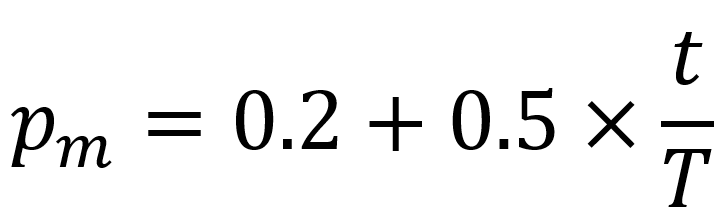
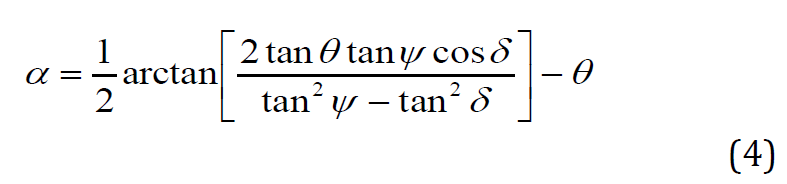
A mutation coefficient based on iterative improvements was integrated into the proposed IGOA to enhance its performance. The special coefficient functions to enhance grasshopper exploration capability in search areas. A wider area of exploration helps the algorithm escape nearby suboptimal solutions and discover superior solutions. The dynamic mutation coefficient is calculated using the following equation:
(10)
The proposed IGOA algorithm implements triangular mutation methods to execute its mutation operator. The implemented strategy enhances population diversity which decreases the probability that IGOA will become stuck at local optima during its search operation. To implement this, three grasshoppers are randomly selected, and their information is then combined according to the following equation:
(11)
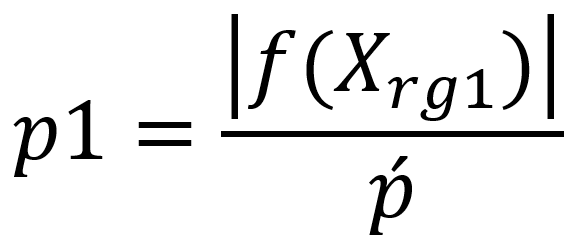
In equation 11, Xrg1, Xrg2andXrg3 are the randomly selected grasshoppers. Furthermore, P1, P2 and P3 represent the perturbed weights, which are computed as below:
(12)
(13)
(14)
In the above equations, f() denotes the fitness function. Additionally, the constant is calculated as:
(15)
The triangular mutation strategy includes grasshopper information that stops position updates from becoming dependent on nearby current local best solutions. The strategy reduces the probability of ending up in local optimum.
Step 8: Termination Condition
The algorithm repeats the steps between 3 and 7 until it reaches the termination condition where the maximum iterations limit is achieved.
Experimental Results
The research findings along with performance evaluation of the proposed method appear in this section for intrusion detection of wireless sensor networks. The research utilized MATLAB 2022 for its complete execution of simulations. A performance assessment of the proposed method used WSN-DS dataset as the evaluation platform. Due to the inherent imbalance in this dataset, the number of samples from the majority class was reduced to 90,000 through undersampling, while the minority class samples were increased to 90,000 via oversampling. For the simulations, 70% of the total samples (equivalent to 315,000 samples) were allocated for training, and the remaining 30% (135,000 samples) were reserved for testing. As described earlier, the CNN model's hyperparameters were optimized using the Improved Grasshopper Optimization Algorithm (IGOA). The initial parameter settings for the IGOA used in the simulations are provided in Table 2.
Data Set
For the simulations in this study, the Wireless Sensor Network Denial of Service Detection Dataset (WSN-DS) was utilized. This dataset is specifically designed to detect Denial of Service (DoS) attacks in wireless sensor networks (WSNs). It contains a total of 374,661 samples, each with 18 features and a class label that indicates the data category. The dataset was produced by simulating the LEACH protocol, a commonly implemented routing method in wireless sensor networks. The dataset comprises samples from five distinct classes: four types of DoS attacks (blackhole, grayhole, flooding, and scheduling attacks) and one class representing normal network behavior. It is important to note that the WSN-DS data were generated through simulations conducted in the NS-2 environment. Figure 3 displays the original distribution of the dataset before any balancing procedures. As shown, the dataset is highly imbalanced. To resolve this issue, undersampling was initially applied to reduce the number of samples in the majority class (the normal class) to 90,000. To balance the dataset, additional instances were generated for the minority classes until their quantities equaled that of the majority class. The balanced data distribution is shown in Figure 3.
Evaluation Matrics
In classification tasks, the key performance metric is classification accuracy. The accuracy for a particular class is calculated by dividing the count of truly identified instances from that class by the total count of misclassifications. In this study, the performance of the proposed method is evaluated using the metrics of Accuracy, Precision, Recall, and F1-score. The formulas used to compute these metrics are presented below:
In the equations above, TP (True Positive) refers to the count of positive instances that were correctly classified, TN (True Negative) indicates the count of negative instances that were accurately identified, FP (False Positive) represents the count of negative instances that were incorrectly classified as positive, and FN (False Negative) denotes the count of positive instances that were misclassified as negative.
Evaluation of Results
Figure 4 presents the confusion matrix illustrating the efficacy of the proposed method in classifying wireless sensor network traffic. As shown in the figure, the data are classified into five categories: Blackhole attack (Class 1), Flooding attack (Class 2), Grayhole attack (Class 3), Normal traffic (Class 4), and TDMA attack (Class 5). In the confusion matrix, the rows represent the true labels, while the columns represent the labels predicted by the model. The proposed method achieved 100% accuracy in correctly identifying all samples of the Blackhole and Flooding classes. The Grayhole class evaluation yielded 99.98% accuracy based on 27,956 samples because the method misidentified only 5 samples as Normal. The Normal class contained 27,048 samples where 66 instances matched the TDMA category which translated to a 0.2% error rate. Analysis of the TDMA class revealed 99.98% accuracy because 6 samples incorrectly matched Normal instead of their correct classification. The outcome analysis proves the proposed detection method successfully detects multiple attack types and distinguishes them from standard network traffic patterns. The model achieves high classification precision for all classes thus validating its efficiency to deploy in
The Receiver Operating Characteristic (ROC) curve evaluating the proposed intrusion detection method in wireless sensor networks appears in Figure 5. The False Positive Rate (FPR) appears on the x-axis whereas True Positive Rate (TPR) occupies the y-axis in this plot. All ROC curves in the figure display close vertical alignment and high position along the plot which demonstrates the excellent ability of the proposed method to differentiate various classes. The presented approach achieves high accuracy in sample classification with an Area Under the Curve value of 0.9997 which effectively eliminates False Positive and False Negative errors. The proposed model demonstrates high accuracy for class distinction through its AUC value which approaches the value of one. The proposed model demonstrates a uniform and effective performance across all classes because its ROC curves show strong mutual overlap. The ROC curve analysis together with the AUC value prove the proposed method demonstrates exceptional performance for wireless sensor network intrusion detection while offering high deployment reliability for operational use. The evaluation metrics Precision, Recall, and F1-score show how the proposed method performs alongside other approaches according to Fig. 6. Comparative analysis of the presented method with other reference approaches shows good agreement and 99.94% accuracy, as presented in Table 3.
CONCLUSION
An IDS system enhancement for wireless sensor networks through the integration of CNN with IGOA to perform automated hyperparameter optimization is developed. The proposed framework overcame high-dimensional data challenges and complex feature relationships as well as the requirement for lightweight yet accurate models in wireless sensor network environments through its design. The proposed model achieved excellent classification accuracy of 99.94% in WSN-DS dataset testing which exceeded current standards including GNB-SGD (98.00%), SMOTE-RF (99.92%), GSWO-Cat Boost (99.65%), and SCNN-Bi-LSTM (99.70%). The proposed IDS achieved superior performance by maintaining consistently high precision together with recall and F1-scores across all classes to reduce Type I as well as Type II errors. Analysis of the confusion matrix and the ROC curve, with an area under the curve (AUC) of 0.9997, further substantiated the model’s superior ability to distinguish between normal and malicious network behaviors, even in the presence of complex and imbalanced data distributions. The application of the IGOA-integrating dynamic inertia weighting and triangular mutation strategies proved particularly effective in avoiding premature convergence and enhancing the diversity of candidate solutions during optimization. These enhancements contributed to the CNN’s ability to capture intricate spatial and structural features from network traffic data, thereby improving detection robustness and generalization capabilities. Future work will explore extending the framework to federated and distributed learning paradigms to further strengthen privacy preservation and scalability in large-scale sensor deployments.
REFERENCE
Faris M. et al. “Wireless sensor network security: a recent review based on state-of-the-art works.” International Journal of Engineering Business Management, vol. 15, 2023, 18479790231157220.
Hosseini Shirvani M. et al. “A survey study on intrusion detection system in wireless sensor network: challenges and considerations.” Journal of Electrical and Computer Engineering Innovations (JECEI), vol. 12, no. 2, 2024, pp. 449–474.
Qiu Y. et al. “Deep learning challenges and prospects in wireless sensor network deployment.” Archives of Computational Methods in Engineering, vol. 31, no. 6, 2024, pp. 3231–3254.
Ghadi Y.Y. et al. “Machine learning solutions for the security of wireless sensor networks: a review.” IEEE Access, vol. 12, 2024, pp. 12699–12719.
Vembu G. et al. “Optimized deep learning‐based intrusion detection for wireless sensor networks.” International Journal of Communication Systems, vol. 36, no. 13, 2023, e5254.
Abed R.A. et al. “A modified CNN-IDS model for enhancing the efficacy of intrusion detection system.” Measurement: Sensors, vol. 35, 2024, 101299.
Soni A. et al. “Optimized deep learning-based intrusion detection and secure, energy-efficient routing in wireless sensor networks.” 2024 IEEE 4th International Conference on ICT in Business Industry & Government (ICTBIG), 2024, pp. 1–6.
Sadia H. et al. “Intrusion detection system for wireless sensor networks: a machine learning based approach.” IEEE Access, vol. 12, 2024, pp. 52565–52582.
Sedhuramalingam K. et al. “A novel optimal deep learning approach for designing intrusion detection system in wireless sensor networks.” Egyptian Informatics Journal, vol. 27, 2024, 100522.
Kalyanaraman S. et al. “Adversarial learning for intrusion detection in wireless sensor networks: a GAN approach.” Enhancing Security in Public Spaces Through Generative Adversarial Networks (GANs), 2024, pp. 39–52.
Nguyen T.M. et al. “Enhancing intrusion detection in wireless sensor networks using a GSWO-CatBoost approach.” Sensors, vol. 24, no. 11, 2024, 3339.
Fares H. et al. “Intrusion detection in wireless sensor networks using machine learning.” Procedia Computer Science, vol. 252, 2025, pp. 912–921.
Sharma K.P. et al. “Hybrid convolutional neural network for robust attack detection in wireless sensor networks.” Internet Technology Letters, 2025, e650.
Veeramachaneni V. “Adaptive ensemble learning framework for robust intrusion detection in wireless sensor networks.” Journal of Advancement in Parallel Computing, vol. 8, no. 1, 2025, pp. 18–31.
Talukder M.A. et al. “A hybrid machine learning model for intrusion detection in wireless sensor networks leveraging data balancing and dimensionality reduction.” Scientific Reports, vol. 15, no. 1, 2025, 4617.
Saleh H.M. et al. “Stochastic gradient descent intrusions detection for wireless sensor network attack detection system using machine learning.” IEEE Access, vol. 12, 2024, pp. 3825–3836.
Talukder M.A. et al. “MLSTL-WSN: machine learning-based intrusion detection using SMOTETomek in WSNs.” International Journal of Information Security, vol. 23, no. 3, 2024, pp. 2139–2158.
Nguyen T.M. et al. “Enhancing intrusion detection in wireless sensor networks using a GSWO-CatBoost approach.” Sensors, vol. 24, no. 11, 2024, 3339.
Bukhari S.M.S. et al. “Secure and privacy-preserving intrusion detection in wireless sensor networks: federated learning with SCNN-Bi-LSTM for enhanced reliability.” Ad Hoc Networks, vol. 155, 2024, 103407.
Obaid Z. et al. “An efficient automatic modulation recognition using time–frequency information based on hybrid deep learning and bagging approach.” Knowledge and Information Systems, vol. 66, no. 4, 2024, pp. 2607–2624.
Recommended Articles
Research Article
Some Properties of Fuzzy g-Regular Spaces
Hassan Abid Al-Hadi Ahmed,
Noor Al-Huda A. Haider
Published: 10/12/2025
Download PDF
Research Article
Harnessing Nanotechnology to Conserve Energy in Buildings
Nada S. Abdulmajeed
Published: 30/10/2022
Download PDF
Research Article
Predictive Security Analytics for Large-Scale Multi-Tenant Linux Shared Hosting Environments: An Empirical Study
Ayad A. Yass
Published: 25/02/2026
Download PDF
Research Article
Sentence Representation using LSTM for Question Retrieval
Khanh-Linh Dinh,
...
Thi Hang Dao
Published: 30/12/2022
Download PDF
PO Box 101, Nakuru
Kenya.
Email: office@iarconsortium.org
Editorial Office:
J.L Bhavan, Near Radison Blu Hotel,
Jalukbari, Guwahati-India
Khalaf Saleh, I. (2025). Deep Learning-Based Intrusion Detection in Wireless Sensor Networks using Optimized Convolutional Neural Network with IGOA Algorithm. Scientific Research Journal of Engineering and Computer Sciences, 5(2), 1-9.
MLA
Khalaf Saleh, Intisar. "Deep Learning-Based Intrusion Detection in Wireless Sensor Networks using Optimized Convolutional Neural Network with IGOA Algorithm." Scientific Research Journal of Engineering and Computer Sciences 5.2 (2025): 1-9.
Chicago
Khalaf Saleh, Intisar. "Deep Learning-Based Intrusion Detection in Wireless Sensor Networks using Optimized Convolutional Neural Network with IGOA Algorithm." Scientific Research Journal of Engineering and Computer Sciences 5, no. 2 (2025): 1-9.
Harvard
Khalaf Saleh, I. (2025) 'Deep Learning-Based Intrusion Detection in Wireless Sensor Networks using Optimized Convolutional Neural Network with IGOA Algorithm' Scientific Research Journal of Engineering and Computer Sciences 5(2), pp. 1-9.
Vancouver
Khalaf Saleh I. Deep Learning-Based Intrusion Detection in Wireless Sensor Networks using Optimized Convolutional Neural Network with IGOA Algorithm. Scientific Research Journal of Engineering and Computer Sciences. 2025 Jul;5(2):1-9.



 Download PDF
 Download XML







 in the IGOA optimization algorithm gets updated through the equation: