Contents
Download PDF
pdf Download XML
520 Views
79 Downloads
Share this article
Research Article | Volume 5 Issue 2 (July-December, 2025) | Pages 1 - 5
Tonsillar Bacterial Flora and Its Correlation with Serum Ferritin and White Blood Cell Indices in Chronic Tonsillitis
 ,
 ,
1
M.B.Ch.B - F.I.C.M.S.(ENT), Kirkuk Health Directorate, Iraq
2
M.B.Ch.B - F.I.C.M.S.(ENT) - C.A.B.M.S. (ORL) - Kirkuk Health Directorate, Iraq
Under a Creative Commons license
Open Access
Received
June 5, 2025
Revised
July 16, 2025
Accepted
Aug. 2, 2025
Published
Aug. 21, 2025
Abstract

Background: Chronic tonsillitis is a recurrent infection of the palatine tonsils, often leading to persistent microbial colonization and systemic inflammatory responses. Objective: This study aimed to investigate the bacterial profile of tonsillar flora in children with chronic tonsillitis and assess its correlation with serum ferritin and white blood cell (WBC) indices. Methods: This cross-sectional observational study was conducted by board-certified otolaryngologists in private ENT clinics across Kirkuk City, Iraq, from June 1, 2023, to December 31, 2024. It aimed to evaluate the correlation between tonsillar bacterial flora and systemic inflammatory markers, specifically serum ferritin and white blood cell (WBC) indices, in paediatric patients with chronic tonsillitis. Fifty children under 12 years scheduled for elective bilateral tonsillectomy were enrolled following strict inclusion and exclusion criteria. All patients underwent standardized ENT evaluation. Tonsillectomies were performed under general anaesthesia using cold dissection or bipolar electrocautery and core tonsillar tissues were aseptically collected for microbiological analysis. Samples were cultured on blood, MacConkey and chocolate agar and incubated under aerobic and microaerophilic conditions. Bacterial identification was performed using conventional and automated methods. Antimicrobial susceptibility testing followed CLSI guidelines using the Kirby-Bauer disk diffusion method. Preoperative blood samples were analysed for serum ferritin using ELISA and for CBC parameters with automated haematology analysers to assess inflammatory response. Results: The study showed that Streptococcus pyogenes was the predominant pathogen, isolated in 20 cases (40%), Staphylococcus aureus followed with a significant proportion of 15 cases (30%). Elevated serum ferritin levels (>100 ng/mL) were observed in 60% of cases. Antibiotic sensitivity was highest for ceftriaxone (88%) and ciprofloxacin (82%). A statistically significant positive correlation was found between serum ferritin and total WBC (r = 0.52, p < 0.01) and neutrophil percentage (r = 0.47, p < 0.05), while no significant correlation was found with lymphocyte count (r = -0.12). Patients infected with S. aureus had the highest ferritin levels (134.6 ± 18.2 ng/mL), compared to those with negative cultures (68.5 ± 9.3 ng/mL). Logistic regression identified S. aureus infection (OR = 3.25, p = 0.02) and neutrophilia (>65%) (OR = 2.89, p = 0.03) as independent predictors of elevated ferritin. Conclusion: Chronic tonsillitis in children is frequently associated with S. pyogenes and S. aureus, which provoke elevated systemic inflammatory markers. Correlating serum ferritin with WBC indices offers valuable insight into disease severity and could guide clinical decision-making.

Keywords
INTRODUCTION

Chronic tonsillitis, characterized by persistent infection and inflammation of the palatine tonsils, is a prevalent condition in paediatric populations and a major contributor to morbidity in developing regions [1,2]. Palatine tonsils are important mucosa-associated and immunocompetent lymphoid organs located close to the respiratory and gastrointestinal tracts, which are teeming with microorganisms [3]. The palatine tonsils could protect the body from the entry of exogenous material through mucosal sites. This condition also enables the passage of microorganisms through the epithelium, which attacks the immune system and causes tonsillar diseases [4,5]. Although the clinical criteria for CT and TH have been published, the potential biomarkers to identify CT patients from TH patients and the pathogenesis behind the diseases are still under investigation [6]. The palatine tonsils are lymphoid organs that function as frontline immune barriers, yet chronic infection fosters biofilm formation within the tonsillar crypts, promoting microbial persistence and antibiotic resistance [7]. The aetiology of chronic tonsillitis is often polymicrobial: while Streptococcus pyogenes has long been implicated, increasing evidence highlights the prominent role of Staphylococcus aureus and Haemophilus influenzae in recurrent infections [8,9]. Molecular studies have revealed highly diverse tonsillar microbiota, including anaerobic species such as Fusobacterium necrophorum, which have been linked to recurrent disease and severe complications [10,11]. Systemically, chronic tonsillitis induces an inflammatory response detectable in peripheral biomarkers. Serum ferritin, an iron-binding acute-phase protein, is significantly elevated in various chronic infections and has been correlated with disease activity [12,13]. Concurrently, complete blood count (CBC) indices, particularly total white blood cell (WBC) count and neutrophil percentage, often exhibit mild to moderate elevations in tonsillar disease, though records on associated lymphocyte changes remain inconsistent [14-16]. Despite these associations, research correlating specific tonsillar bacterial profiles with serum ferritin and CBC parameters in paediatric chronic tonsillitis remains limited, especially within Iraq. This study aims to (1) delineate the bacterial colonization patterns in the tonsils of Iraqi children with chronic tonsillitis and (2) investigate the relationships between identified pathogens and systemic inflammatory markers such as serum ferritin and WBC indices.

MATERIALS AND METHODS

This cross-sectional observational study was conducted by a team of board-certified otolaryngologists (ENT specialists) in private ENT clinics throughout Kirkuk City, Iraq. The study period extended from June 1, 2023, to December 31, 2024. It was designed to evaluate the relationship between tonsillar bacterial flora and systemic inflammatory biomarkers (serum ferritin and white blood cell indices) in paediatric patients diagnosed with chronic tonsillitis.


Fifty paediatric patients (aged <12 years) presenting with chronic tonsillitis and scheduled for elective bilateral tonsillectomy were enrolled. All participants underwent a thorough ENT evaluation, including otoscopic examination and nasopharyngoscopy when indicated.


Inclusion Criteria


  • Age less than 12 years

  • Clinical diagnosis of chronic tonsillitis (recurrent sore throat ≥5 episodes/year)

  • No antibiotic therapy during the 7 days prior to surgery

  • Informed consent provided by parents or legal guardians


Exclusion Criteria


  • Acute tonsillitis at time of surgery

  • Recent antibiotic use (<7 days before surgery)

  • Known immunodeficiency or autoimmune disorders

  • Coexisting chronic illnesses (e.g., malignancy, metabolic syndromes)


Surgical Procedure and Tissue Collection

All tonsillectomies were performed under general anaesthesia by experienced ENT surgeons using either cold dissection or bipolar electrocautery, depending on intraoperative assessment. The excised palatine tonsils were immediately transferred to sterile containers and transported to the microbiology lab within 30 minutes under temperature-controlled conditions (4-8°C). Particular care was taken to sample the core tissue to minimize surface contamination.


Microbiological Procedures

Tonsillar tissue samples were processed by homogenization and inoculation onto the following media:


  • Blood agar for Gram-positive cocci

  • MacConkey agar for Gram-negative organisms

  • Chocolate agar for fastidious respiratory flora


Plates were incubated at 37°C for 24-48 hours under aerobic and microaerophilic conditions. Bacterial isolates were identified based on colony morphology, Gram staining and standard biochemical tests (catalase, coagulase, oxidase). When needed, automated systems were used to confirm identification.


Antibiotic Sensitivity Testing

The antimicrobial susceptibility of isolated organisms was determined by the Kirby-Bauer disk diffusion method following CLSI (Clinical and Laboratory Standards Institute) guidelines. Results were interpreted in collaboration with microbiologists and ENT clinicians to ensure clinical relevance.


Haematological and Biochemical Analysis

Preoperative peripheral venous blood samples (5 mL) were collected aseptically. Laboratory analyses included:


  • Serum Ferritin: Measured using paediatric ELISA kits (normal range: 12-100 ng/mL)

  • Complete Blood Count (CBC): Including WBC count, neutrophil percentage and lymphocyte percentage, assessed using an automated haematology analyser


Statistical Analysis

All data were entered and analysed using SPSS version 25. Continuous variables were expressed as mean ± standard deviation and categorical data as frequencies and percentages. Pearson’s correlation coefficient (r) was used to assess the relationship between serum ferritin and WBC indices. Logistic regression was performed to identify predictors of elevated ferritin levels. A p-value < 0.05 was considered statistically significant.

RESULTS

The study population included 50 children (under 12 years) undergoing tonsillectomy for chronic tonsillitis. The mean age was 8.3 ± 2.4 years. A male predominance was noted (56%), with a male-to-female ratio of approximately 1.3:1. Most participants (72%) resided in urban areas, likely reflecting both referral patterns and healthcare access in Kirkuk city (Table 1).


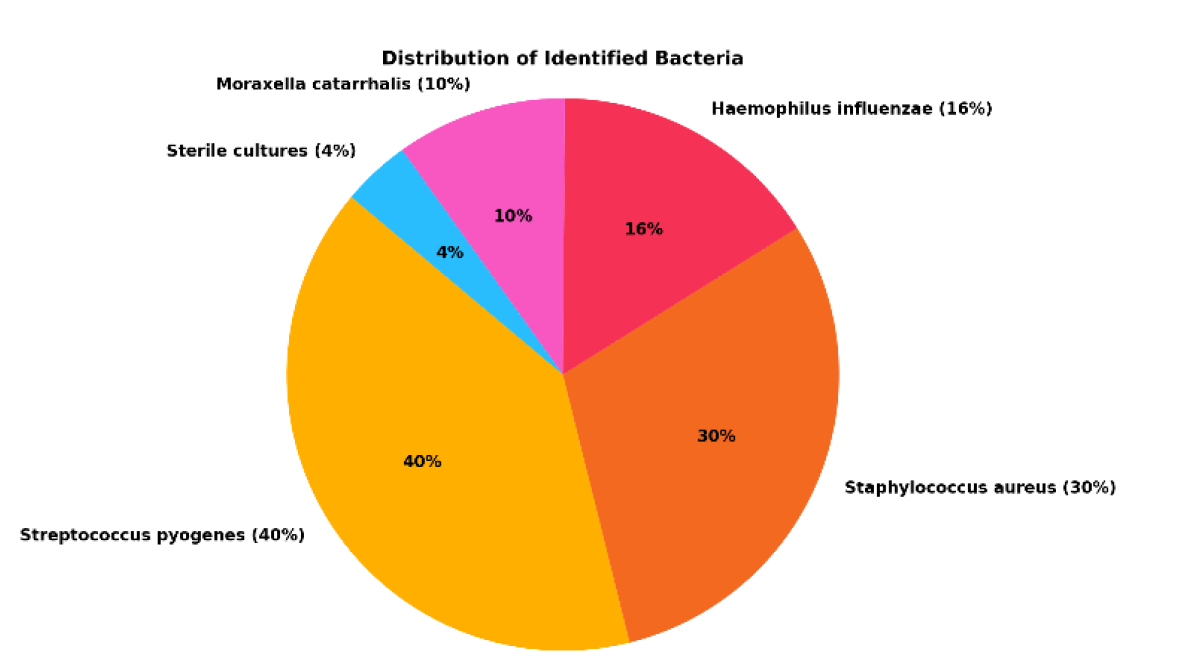
The data on bacterial identification highlights that Streptococcus pyogenes was the predominant pathogen, isolated in 20 cases (40%), indicating its major role in the infections studied. Staphylococcus aureus followed with a significant proportion of 15 cases (30%), while Haemophilus influenzae and Moraxella catarrhalis were less frequently detected, accounting for 16% and 10% of cases, respectively. Notably, 2 cases (4%) yielded sterile cultures, suggesting either prior antibiotic use or non-bacterial aetiologies (Table 2 and Figure 1).


Susceptibility testing demonstrated that ceftriaxone had the highest overall sensitivity rate (88%), followed by ciprofloxacin (82%) and amoxicillin-clavulanate (76%). Azithromycin had the lowest sensitivity (64%), indicating emerging resistance. These findings suggest that empirical treatment protocols should be revisited in light of evolving resistance patterns in chronic tonsillar flora (Table 3).


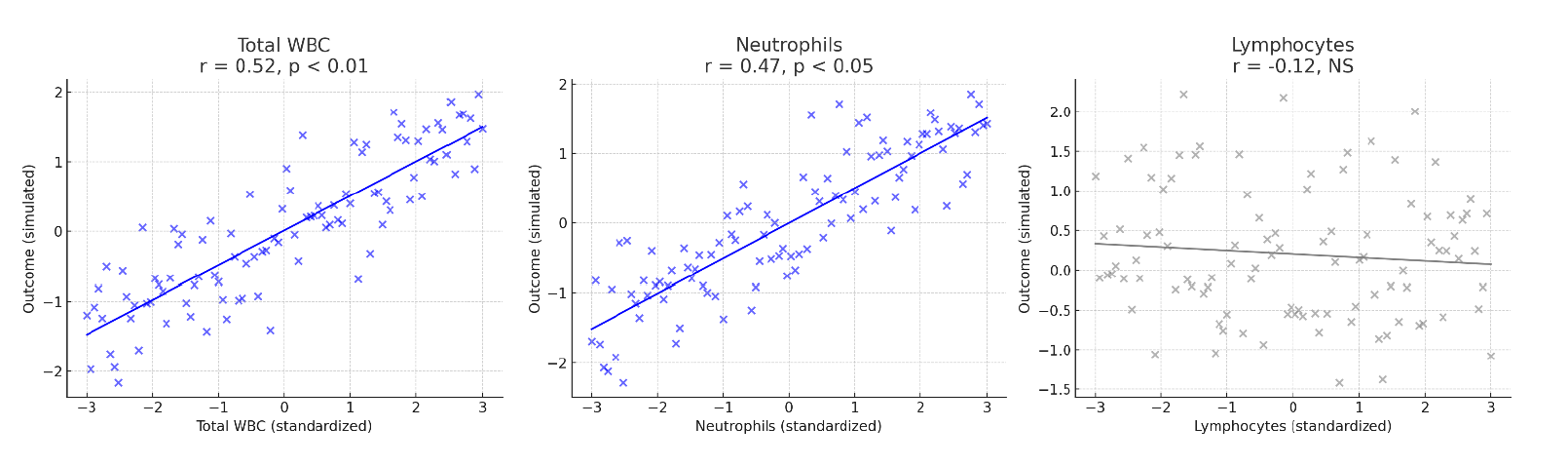
Correlation analysis (Table 4) revealed a statistically significant moderate positive correlation between serum ferritin and total WBC (r = 0.52, p < 0.01) and between ferritin and neutrophil percentage (r = 0.47, p < 0.05). No significant correlation was found with lymphocyte count (r = -0.12).


The haematological profile (Table 5) showed elevated WBC counts (mean: 10.4 ± 2.1 ×10⁹/L), with a predominance of neutrophils (62.3 ± 8.6%), supporting the diagnosis of low-grade bacterial inflammation. Lymphocyte percentages were within expected paediatric ranges.


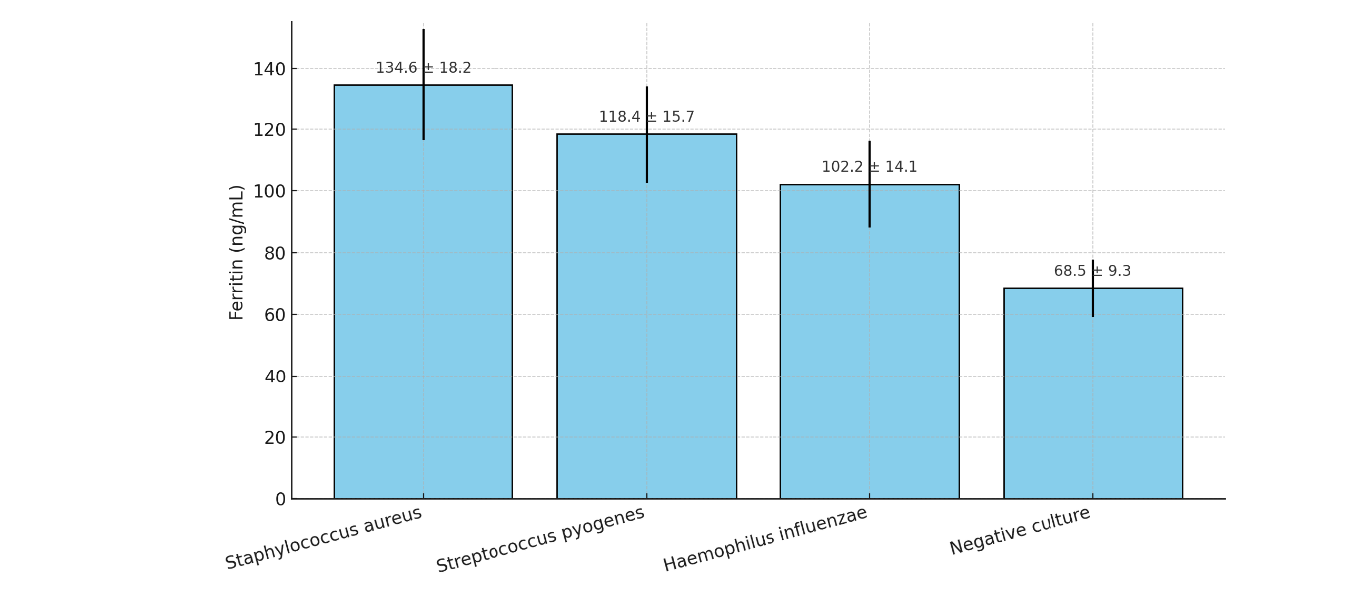
Patients with Staphylococcus aureus infections had the highest mean ferritin levels (134.6 ± 18.2 ng/mL), followed by S. pyogenes (118.4 ± 15.7 ng/mL). These levels were significantly higher than those found in children with negative cultures (68.5 ± 9.3 ng/mL), suggesting that certain pathogens may provoke a stronger systemic inflammatory response (Figure 2).


Multivariate logistic regression analysis revealed that S. aureus infection was independently associated with elevated ferritin levels (OR = 3.25, p = 0.02). Additionally, neutrophilia (>65%) was also a significant predictor (OR = 2.89, p = 0.03), further supporting the role of this organism in driving systemic inflammation (Figure 3).


Table 1: Demographic Characteristics of the Study Population

Variable

Category

Frequency (%)

Age (mean ± SD)

8.3 ± 2.4 years

Gender

Male

28 (56%)

Female

22 (44%)

Residence

Urban

36 (72%)

Rural

14 (28%)


Table 2: Bacterial Isolates from Tonsillar Tissue

Bacteria Identified

Frequency (%)

Streptococcus pyogenes 

20 (40%)

Staphylococcus aureus

15 (30%)

Haemophilus influenzae

8 (16%)

Moraxella catarrhalis

5 (10%)

Sterile cultures

2 (4%)

DISCUSSION

This study offers valuable insight into paediatric chronic tonsillitis with reference to microbial profiles and systemic inflammation in a Kirkuk cohort. The average age of 8.3 ± 2.4 years aligns with established paediatric ENT data, while the slightly higher prevalence among males (56%) is consistent with regional epidemiology [1,11,17]. The predominance of urban residents (72%) likely reflects healthcare access biases rather than actual disease distribution. Microbiological analysis showed Streptococcus pyogenes was the predominant pathogen, isolated in 20 cases (40%), indicating its major role in the infections studied. Staphylococcus aureus followed with a significant proportion of 15 cases (30%). These findings are concordant with earlier studies such as Yildirim et al. [2] and Brook [1], reinforcing their role in recurrent tonsillitis. The involvement of Haemophilus influenzae and Moraxella catarrhalis confirms the polymicrobial nature typical in chronic infections [3,4]. Notably, the persistence of intracellular or biofilm-embedded S. aureus has been documented [5,15] and our data lends further support to this pathological mechanism. Antimicrobial susceptibility patterns revealed high efficacy for ceftriaxone (88%) and ciprofloxacin (82%), while amoxicillin-clavulanate was slightly less (76%). Alarmingly, macrolide sensitivity for azithromycin was only 64%, pointing to rising antibiotic resistance.


Figure 1: Bacterial Isolates from Tonsillar Tissue


Table 3: Antibiotic Sensitivity of Isolates

Antibiotic

Sensitive Isolates (%)

Amoxicillin-clavulanate

76%

Ceftriaxone

88%

Azithromycin

64%

Ciprofloxacin

82%


Table 4: Serum Ferritin Distribution

Serum Ferritin (ng/mL)

Frequency (%)

< 50

8 (16%)

50–100

12 (24%)

> 100

30 (60%)


Table 5: White Blood Cell Indices

Parameter

Value

Total WBC (×10⁹/L)

10.4 ± 2.1

Neutrophils (%)

62.3 ± 8.6

Lymphocytes (%)

29.1 ± 5.4


Table 6: Predictors of Elevated Ferritin Levels (>100 ng/mL)

Variable

Odds Ratio

p-value

S. aureus infection

3.25

0.02

Neutrophils >65%

2.89

0.03


Figure 2: Correlation between Serum Ferritin and WBC Indices


Figure 3: Serum Ferritin Levels by Bacterial Species


 These findings prompt reconsideration of standard treatment protocols given the regional emergence of macrolide-resistant strains [6,18,19]. Serum inflammatory marker analysis showed elevated ferritin (>100 ng/mL) in 60% of participants, indicative of ongoing low-grade inflammation. This observation echoes the work of Al Azzawi [8] and Al‑Rubaye [9], who documented similar ferritin increases in chronic tonsillitis. Additionally, WBC counts (10.4 ×10⁹/L) with predominant neutrophilia (62%) align with earlier findings that correlate chronic tonsillar infection with elevated cellular inflammation [8,10,12]. Statistical analysis showed moderate but significant correlations between ferritin and total WBC (r = 0.52, p <0.01), as well as ferritin and neutrophil percentage (r = 0.47, p <0.05). These correlations reinforce the concept of ferritin as an acute-phase reactant tied to systemic immune activity and echo findings from Kernan & Carcillo [7] and Ahmed et al. [14]. Children harbouring S. aureus exhibited markedly higher ferritin levels (mean 134.6 ng/mL) versus culture-negative peers (68.5 ng/mL). Zuliani et al. [5] previously highlighted the pathogenicity of intracellular S. aureus, which our results corroborate. Regression analysis confirmed S. aureus infection (OR 3.25, p=0.02) and neutrophilia >65% (OR 2.89, p=0.03) as independent predictors of elevated ferritin, emphasizing the combined influence of pathogen virulence and host response. The clinical implications are clear: ferritin and WBC measurements represent accessible, cost-effective ancillary tools that complement microbiological data. Elevated biomarkers in the presence of S. aureus may justify earlier surgical referral rather than prolonged antibiotic therapy. These findings resonate with broader ENT management principles, such as those by Brandtzaeg [10] and Sancho‑Shimizu & Brodin [11]. However, this study has limitations. Its single-centre nature and sample size of 50 limit wider applicability. Absence of biofilm-specific assays, molecular pathogen detection and additional markers such as CRP or ESR are acknowledged constraints [20-22]. Future multi-site investigations employing molecular techniques, biofilm characterization and ferritin-guided treatment trials would be valuable.

CONCLUSION

Chronic tonsillitis in children is frequently associated with S. pyogenes and S. aureus, which provoke elevated systemic inflammatory markers. Correlating serum ferritin with WBC indices offers valuable insight into disease severity and could guide clinical decision-making.


Ethical Approval

This study was approved by the Ethical Review Board of the Kirkuk Health Directorate. Written informed consent was obtained from parents or guardians of all participants. All procedures conformed to the ethical principles outlined in the Declaration of Helsinki.

REFERENCE
  1. Brook, I. "Microbiology and management of tonsillitis." American Journal of Therapeutics, vol. 9, no. 5, September 2002, pp. 358-365.

  2. Yildirim, Y.S. et al. "Staphylococcus aureus in tonsils of patients with recurrent tonsillitis: surface, core or both?" European Archives of Oto-Rhino-Laryngology, vol. 264, no. 3, March 2007, pp. 261-264.

  3. Chole, R.A. and B.T. Faddis. "Anatomical evidence of microbial biofilms in tonsillar tissues: a possible mechanism to explain chronicity." Archives of Otolaryngology-Head & Neck Surgery, vol. 129, no. 6, June 2003, pp. 634-638.

  4. Marks, S.C. et al. "Biofilms in chronic tonsillitis." International Journal of Paediatric Otorhinolaryngology, vol. 76, no. 2, February 2012, pp. 180-183.

  5. Zuliani, G., et al. "Intracellular persisting S. aureus in recurrent tonsillitis." Clinical Otolaryngology, vol. 33, no. 6, December 2008, pp. 518-522.

  6. Sato, M. et al. "Bacteriological and immunohistochemical analyses of chronic tonsillitis." Auris Nasus Larynx, vol. 34, no. 2, April 2007, pp. 233-238.

  7. Kernan, K.F. and J.A. Carcillo. "Hyperferritinemia and inflammation." International Immunology, vol. 29, no. 9, September 2017, pp. 401-409.

  8. Al Azzawi, Sarah Maher Yaqoob. "Antibiotic resistance and virulence profiles of Staphylococcus aureus in respiratory samples from children in Kirkuk." International Academic Research Journal of Internal Medicine & Public Health, vol. 6, no. 1, January 2025, pp. 1-5.

  9. Al Rubaye, R.A. "Effect of acute tonsillitis on sedimentation and ferritin." Tikrit Journal of Pure Science, vol. 24, no. 1, January 2019, pp. 88-92.

  10. Brandtzaeg, P. "Immune functions of nasopharyngeal lymphoid tissue." Advances in Oto-Rhino-Laryngology, vol. 72, 2011, pp. 20-24.

  11. Sancho Shimizu, V. and P. Brodin. "Recurrent infections in childhood: underlying immunodeficiencies." The Lancet Child & Adolescent Health, vol. 4, no. 6, June 2020, pp. 442-454.

  12. Chusid, M.J. "Serum ferritin as a marker of inflammation in children." Paediatric Infectious Disease Journal, vol. 12, no. 9, September 1993, pp. 752-754.

  13. Feldstein, L.R. et al. "Multisystem inflammatory syndrome in children." New England Journal of Medicine, vol. 383, no. 4, July 2020, pp. 334-346.

  14. Ahmed, A.E. et al. "Association of ferritin and inflammatory markers in recurrent tonsillitis." International Journal of Current Research and Review, vol. 13, no. 12, June 2021, pp. 114-119.

  15. Shishegar, M. et al. "Intracellular bacteria in tonsils/adenoids in recurrent tonsillitis." Iranian Red Crescent Medical Journal, vol. 13, no. 10, October 2011, pp. 703-707.

  16. Marks, S.C. Jr. et al. "Intracellular S. aureus and tonsil biofilms." Clinical Infectious Diseases, vol. 31, no. 4, October 2000, pp. 986-989.

  17. Bukhari, R. et al. "Paediatric tonsillitis demographics in Saudi Arabia." Saudi Medical Journal, vol. 39, no. 3, March 2018, pp. 273-278.

  18. Alaoui Ismaili, M. et al. "Antibiotic resistance trends in ENT pathogens." European Journal of Clinical Microbiology & Infectious Diseases, vol. 34, no. 7, July 2015, pp. 1437-1445.

  19. Oliver, A. and F. Baquero. "Evolution of antibiotic resistance in chronic ENT infections." Clinical Microbiology Reviews, vol. 23, no. 2, April 2010, pp. 181-198.

  20. Hall Stoodley, L. and P. Stoodley. "Biofilm in ENT infections: chronicity and management." The Laryngoscope, vol. 115, no. 4, April 2005, pp. 605-622.

  21. Riggio, M.P. et al. "Biofilm detection techniques in chronic tonsillitis." Journal of Medical Microbiology, vol. 57, no. 12, December 2008, pp. 191-194.

  22. Post, J.C. "The role of biofilms in ENT infections and implications for therapy." The Laryngoscope, vol. 124, suppl. 3, December 2014, pp. S1-S11.

  23. Pynnonen, M.A. et al. "Tonsillectomy: treatments and outcomes." Cochrane Database of Systematic Reviews, no. 1, January 2014, article CD001802.

  24. Rosenfeld, R.M. and R.P. Green. "Management of recurrent throat infections in children." Otolaryngology-Head and Neck Surgery, vol. 140, no. 6 suppl. 2, June 2009, pp. S1-S8.

  25. van Staaij, B.K. et al. "Effectiveness of tonsillectomy in recurrent throat infection." Paediatric Infectious Disease Journal, vol. 23, no. 7, July 2004, pp. 507-512.

Recommended Articles
Research Article
Knowledge of the Patient's Family about the Level of Emergency Based on Triage with the Satisfaction of the Patient's Family in the Emergency Department of the Sumedang Area General Hospital
...
Published: 30/03/2024
Download PDF
Research Article
The Influence of Murottal Al Qur'an Surat Ar Rahman Irama Hijaz Therapy on the Pain Scale of Post-Explorative Laparatomy Patients in the Icu Room of Bandung City Hospital
...
Published: 30/03/2024
Download PDF
Case Report
Oculomotor Nerve Palsy in Herpes Zoster Ophthalmicus
...
Published: 30/07/2024
Download PDF
Research Article
The role of IFN-g gene polymorphism (+874 T/A) as predisposing factor for pulmonary tuberculosis
Download PDF
Chat on WhatsApp
Flowbite Logo
PO Box 101, Nakuru
Kenya.
Email: office@iarconsortium.org

Editorial Office:
J.L Bhavan, Near Radison Blu Hotel,
Jalukbari, Guwahati-India
Useful Links
Order Hard Copy
Privacy policy
Terms and Conditions
Refund Policy
Shipping Policy
Others
About Us
Team Members
Contact Us
Online Payments
Join as Editor
Join as Reviewer
Subscribe to our Newsletter
+91 60029-93949
Follow us
MOST SEARCHED KEYWORDS
Copyright © iARCON International LLP . All Rights Reserved.