Contents
Download PDF
pdf Download XML
148 Views
42 Downloads
Share this article
Research Article | Volume 5 Issue 2 (July-December, 2025) | Pages 1 - 5
Serum Zinc and Copper Levels in Preeclamptic and Normotensive Pregnant Women: A Case-Control Study in Kirkuk, Iraq
 ,
 ,
1
M.B.Ch.B., F.I.C.O.G., Kirkuk Health, Directorate, Iraq
2
M.B.Ch.B., H.D.I.M. Kirkuk Health Directorate, Iraq
3
M.B.Ch.B., F.I.C.M.S., College of Medicine, University of Kirkuk, Iraq
Under a Creative Commons license
Open Access
Received
June 22, 2025
Revised
July 29, 2025
Accepted
Aug. 16, 2025
Published
Aug. 28, 2025
Abstract

Background: The pathophysiology of Preeclampsia (PE) remains unclear, but alterations in trace elements, particularly zinc (Zn) and Copper (Cu), have been implicated. Previous studies have reported inconsistent findings regarding their role in PE. Aim: This study aimed to evaluate serum zinc and copper levels in preeclamptic women compared with normotensive pregnant women and to assess their correlation with maternal demographic and clinical parameters. Patients and Methods: A case-control study was conducted at the Department of Obstetrics and Gynecology, Azadi Teaching Hospital, Kirkuk, Iraq, from February 1 to October 1, 2020. A total of 100 pregnant women aged 16-40 years with singleton viable pregnancies between 24-38 weeks were enrolled. They were divided into two groups: 50 women with PE (case group) and 50 normotensive women (control group). Venous blood samples were collected and serum zinc and copper levels were measured using a colorimetric method (spectrophotometer). Data were analyzed using SPSS version 25, with independent t-tests and Pearson’s correlation applied. Results: The mean serum zinc level was significantly lower in preeclamptic women compared with controls (44.05±13.23 µg/dL vs. 96.09±15.32 µg/dL, p = 0.001). Zinc levels showed a strong negative correlation with systolic blood pressure (r = –0.780, p = 0.001) and diastolic blood pressure (r = –0.783, p = 0.001), but no significant association with maternal age or BMI. Serum copper levels were also significantly lower in preeclamptic women (83.20±8.37 µg/dL) compared with normotensive women (87.42±9.21 µg/dL, p = 0.018). Copper levels were negatively correlated with systolic (r = –0.486, p = 0.001) and diastolic blood pressures (r = –0.529, p = 0.001), without significant correlation with age or BMI. Conclusion: Serum zinc and copper levels are significantly reduced in preeclamptic women compared with normotensive controls during the second and third trimesters. Both trace elements demonstrated an inverse relationship with blood pressure, supporting their potential role in the pathophysiology of PE. These findings highlight the importance of monitoring and possibly supplementing zinc and copper in pregnancy to reduce the risk and severity of preeclampsia.

Keywords
INTRODUCTION

Preeclampsia is a complex multisystem disorder of pregnancy with an unclear etiology and is associated with substantial maternal and fetal morbidity and mortality. After hemorrhage and embolism, it ranks as the third leading cause of maternal death worldwide [1]. The World Health Organization (WHO) estimates that between 50,000 and 75,000 women die annually from preeclampsia-related complications. It is also considered the most frequent cause of iatrogenic prematurity. Clinically, preeclampsia is diagnosed when hypertension ≥140/90 mmHg is recorded on two separate occasions at least 4 hours apart, in association with proteinuria of ≥300 mg in a 24-hour urine sample, first recognized after the 20th week of gestation. The condition complicates approximately 2–3% of pregnancies, although incidence rates vary depending on population characteristics and diagnostic criteria. Nutrition plays a pivotal role in pregnancy, encompassing both macronutrients (carbohydrates, proteins and fats) and micronutrients (vitamins and minerals) [2-4]. Micronutrients, particularly trace elements such as zinc (Zn) and copper (Cu), are vital for numerous physiological processes that maintain fetal health and protect against cellular damage. Several studies suggest that altered serum concentrations of trace elements may contribute to the pathogenesis of preeclampsia, although findings remain inconsistent [5-8]. The bioavailability of these elements during pregnancy is influenced by diet and physiological changes in digestion, absorption and utilization. Inadequate intake before and during gestation increases the risk of adverse maternal and fetal outcomes. Deficiencies or imbalances of trace elements like zinc and copper have been implicated in multiple reproductive complications, including infertility, miscarriage, congenital anomalies, preeclampsia, placental abruption, premature rupture of membranes, stillbirth and low birth weight [9,10]. Preeclamptic women often exhibit lower serum Zn and Cu levels compared with normotensive pregnant women. Both trace elements possess antioxidant properties and their deficiency or impaired metabolism may exacerbate oxidative stress, complicating pregnancy and impairing fetal growth ⁽¹¹⁻¹⁵⁾. Consequently, supplementation to meet daily requirements is recommended for pregnant women. Zinc is widely distributed in nature and, at the cellular level, is primarily located in the cytosolic compartment. It forms an essential component of several enzymes, including carbonic anhydrase, alkaline phosphatase and Superoxide Dismutase (SOD), the latter protecting cells from free radical–induced oxidative damage. The daily zinc requirement is approximately 12 mg in non-pregnant women, increasing to 15–20 mg during pregnancy to support fetal development. Reduced zinc concentrations during pregnancy have been linked to congenital malformations, intrauterine growth restriction, preterm labor, preeclampsia and postpartum hemorrhage [16-18]. Copper, another essential trace mineral, plays a critical role in normal cellular function and enzymatic activity. It is a cofactor in numerous enzymes, such as cytochrome oxidase, tyrosinase, dopamine hydroxylase, catalase, monoamine oxidase, ascorbic acid oxidase and SOD, contributing significantly to the antioxidant defense system [19-24]. The estimated daily requirement of copper is 1.7 mg in non-pregnant women and approximately 3 mg in pregnancy. Although no formal recommended dietary allowance exists, an intake of 2–3 mg per day is generally considered adequate [25-27]. Reduction in copper levels during gestation can impair antioxidant defenses, leading to increased oxidative stress. Some studies have demonstrated decreased plasma copper concentrations during the first trimester in association with pathological conditions such as spontaneous abortion, threatened miscarriage, missed abortion and blighted ovum [28,29]. However, no significant alterations have been reported during the second trimester in conditions such as threatened preterm labor and pyelonephritis. In contrast, higher plasma copper levels have been observed in the third trimester in pregnancies complicated by intrauterine growth restriction [30-32]. Overall, the literature presents conflicting evidence regarding the relationship between trace element status and preeclampsia. Therefore, well-designed studies investigating maternal serum Zn and Cu concentrations in preeclamptic versus normotensive pregnancies, while also considering maternal demographic characteristics, are crucial to clarify their role in the pathogenesis and outcomes of this disorder. 

MATERIALS AND METHODS

Patients and Methods 

A case-control study was conducted in the obstetrics ward, labor room and outpatient obstetrical clinic of Azadi Teaching Hospital, Kirkuk, Iraq, over an eight-month period from February 1 to October 1, 2020. The study protocol was reviewed and approved by the Scientific Council of Obstetrics and Gynecology, Iraqi Board for Medical Specializations. A total of 100 pregnant women were recruited and divided equally into two groups: 50 women diagnosed with preeclampsia (case group, Group A) and 50 normotensive women with uncomplicated pregnancies (control group, Group B). All participants were matched for maternal age and gestational age. Eligible patients were admitted for follow-up and evaluation, including blood pressure monitoring, urinalysis for albumin and renal and liver function testing, with gestational ages ranging from 24 to 38 weeks.


Diagnostic Criteria

Preeclampsia was defined as persistent hypertension (≥140/90 mmHg) developing after 20 weeks of gestation or during the postpartum period, accompanied by proteinuria (≥300 mg/24 h) or new-onset maternal organ dysfunction, including thrombocytopenia, renal or hepatic impairment, pulmonary edema, or neurological symptoms such as visual disturbances or seizures.


Inclusion Criteria

Maternal age 16-40 years; singleton viable pregnancy; gestational age 24–38 weeks; adequate antenatal care; no history of zinc or copper supplementation; informed consent to participate.


Exclusion Criteria

History of chronic medical disorders; multiple pregnancies; nonviable fetus; antepartum hemorrhage; pregnancy-induced hypertension; zinc or copper supplementation; gestational age >38 weeks; or refusal to participate.


Biochemical Tests

Full blood count, serum urea, creatinine, uric acid, SGPT, SGOT and alkaline phosphatase were performed. Ultrasound examination was carried out to confirm gestational age, viability and to exclude multiple pregnancies. BMI was calculated (kg/m²). Serum zinc and copper levels were measured by spectrophotometry, in which venous blood samples were collected into clot activator tubes. After clotting, zinc and copper reacted with the chromogen in the reagent to produce a colored compound proportional to the concentration of each element.


Ethical Considerations

Verbal informed consent was obtained from all participants and anonymity was preserved. Approvals were granted by the Iraqi Board for Medical Specializations and the Department of Obstetrics and Gynecology at Azadi Teaching Hospital.


Statistical Analysis

Data were analyzed using SPSS version 25. Continuous variables were expressed as mean ± standard deviation and compared using the independent two-tailed t-test. Categorical variables were expressed as frequencies and percentages. Pearson’s correlation coefficient (r) was used to evaluate associations between continuous variables. A p-value of <0.05 was considered statistically significant.

RESULTS

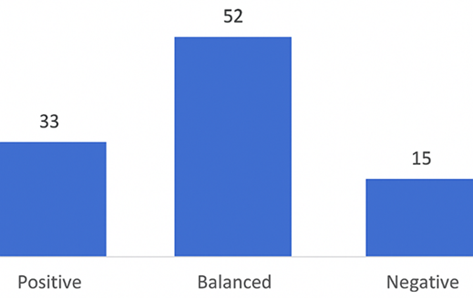
A total of 100 pregnant women were the subjects of this study. Fifty pregnant women were diagnosed with PE (Case group) and the other 50 pregnant women were healthy participants (Control group). The distribution of study groups by certain clinical characteristics is shown in (Figure 1) and (Table 1).


Table 1: Comparison between Study Groups by Age, BMI and GA

VariableStudy groupsp-Value

Case Group 

Mean±SD

Control Group 

Mean±SD

Age (Years)38.48±3.4637.14±2.710.621
BMI (kg/m2)27.45±2.10         27.04±1.70 0.284
GA (Weeks)35.22±2.9935.20±2.920.973

BMI: Body Mass Index, GA: Gestational Age


Figure 1: Distribution of Study Groups by Age


Women’s age was ranging from 16 to 40 years with a mean of 37.98 and standard deviation (SD) of ±3.16 years. The highest proportion of study patients in case and control groups was aged ≥35 years (58 and 54% respectively).


The comparison between study groups by maternal blood pressure parameters is shown in (Table 2). 


Table 2: Comparison between Study Groups by Maternal Blood Pressure 

VariableStudy groupsp-Value

Case Group 

Mean±SD

Control Group 

Mean±SD

SBP (mmHg)154.9±11.87115.4±10.730.001
DBP (mmHg)96.90±7.1370.60±6.510.001

SBP: Systolic Blood Pressure, DBP: Diastolic Blood Pressure


A statistically significant difference was found in the means of SBP and DBP between case and control groups. Women with preeclampsia had a significantly higher means of SBP and DBP compared to that in women with normal pregnancy (154.9 versus 115.4, p = 0.001 and 96.9 versus 70.6, p = 0.001, respectively).


The comparison between study groups by laboratory investigations are shown in Table (3). 


Table 3: Comparison between Study Groups by Serum Zinc and Copper Levels

VariableStudy groupsp-Value

Case Group 

Mean±SD

Control Group 

Mean±SD

Zinc Level (mg/dL)44.05±13.2396.09±15.320.001
Copper Level ( mg/dL)83.20±8.3787.42±9.210.018


There was no statistically significant difference between the study groups in terms of Blood urea (p = 0.055), Serum Creatinine (p = 0.924), Serum Uric acid (p = 0.542), Serum GPT (p = 0.439), Serum GOT (0.299), Serum Alkaline phosphatase (0.432), Platelet count (0.130) (Figure 2).


A screenshot of a computer

AI-generated content may be incorrect.


Figure 2: Distribution of Study Groups by Levels of Serum Zinc and Copper


The level of serum zinc was significantly, inversely correlated  with  SBP (r = -0.780, p = 0.001) and DBP (r = -0.783, p = 0.001); while no significant correlation was found between serum zinc level and each of age (p = 0.946) and BMI (p = 0.092), as shown in Tables 4 and 5.


Table 4: Correlation between Serum Zinc and Age, BMI, SBP and DBP

Clinical ParametersZinc Level 
 RP-Value
Age - 0.0070.946
BMI0.1690.092
SBP- 0.7800.001
DBP- 0.7830.001

BIM: Body Mass Index, SBP: Systolic Blood Pressure, DBP: Diastolic Blood Pressure


Table 5: Correlation between Serum Copper and Age, BMI, SBP and DBP

Clinical ParametersCopper Level 
 Rp-Value
Age 0.0530.599
BMI0.0970.338
SBP- 0.4860.001
DBP- 0.5290.001

BMI: Body Mass Index, SBP: Systolic Blood Pressure, DBP: Diastolic Blood Pressure

DISCUSSION

In the current study, the mean serum zinc level was significantly lower in the preeclamptic group compared with the control group (44.05 Vs. 94.72 µg/dL, p<0.0001). This result is in agreement with several studies, including Mohamed et al. [8], Sarwar et al. [28], Rafeeinia et al. [15], Mbah et al. [29] and Kanagal et al. [30], all of which demonstrated a significant association between reduced maternal zinc levels and preeclampsia compared with normotensive pregnant women. In contrast, findings reported by Eltayeb et al. [31] and Mohamed et al. [32] showed elevated serum zinc levels in preeclamptic women, highlighting the inconsistency in the literature. Several mechanisms may explain zinc deficiency in preeclampsia. Zinc is passively transferred from the mother to the fetus through the placenta, leading to decreased maternal serum levels during normal pregnancy, with a further reduction observed in preeclampsia [33-39]. Zinc depletion in preeclamptic women may also result from hemodilution due to fluid retention, increased endogenous steroid production and reduced concentrations of zinc-binding proteins [16,23]. Moreover, elevated cortisol levels, which are further increased in preeclampsia, have been shown to reduce circulating zinc, thereby exacerbating maternal hypozincemia [39,40]. Other contributing factors may include low maternal dietary intake and diseases causing malabsorption [4,12]. Regarding copper, this study revealed that the mean serum copper level was also significantly lower in preeclamptic women compared with healthy controls (83.20 Vs. 87.42 µg/dL, p = 0.018). Similar findings were reported by Baral et al. [2] and Canfield et al. [35], who noted that preeclampsia is associated with placental insufficiency, decreased serum copper and reduced activity of copper-dependent enzymes synthesized in the placenta. However, Wilson et al. [36] found significantly higher copper concentrations in obese preeclamptic women compared with those of normal weight, suggesting that maternal body mass and metabolic status may influence trace element levels.


The pathogenesis of altered copper levels in preeclampsia remains controversial. On one hand, low serum copper may be explained by excessive lipid peroxidation and oxidative stress, both of which play central roles in preeclampsia. Copper deficiency impairs the antioxidant activity of the Cu–Zn Superoxide Dismutase (SOD) system, thereby increasing oxidative damage and vascular dysfunction [16,32]. On the other hand, elevated copper levels observed in some studies may be attributed to increased ceruloplasmin synthesis during pregnancy, which is further upregulated in preeclampsia as a response to oxidative stress [7,39]. Since 96% of plasma copper is bound to ceruloplasmin, assays measuring total copper may not accurately reflect bioavailable copper. Ethnic differences in study populations and methodological variations (free Vs. bound copper detection) may also contribute to discrepancies among studies [13,34].

CONCLUSION

This study confirmed that both zinc and copper levels were significantly reduced in women with preeclampsia compared to normotensive controls in the second and third trimesters. Moreover, reduced zinc and copper were significantly associated with elevated systolic and diastolic blood pressures, suggesting their possible role in the pathophysiology of preeclampsia.

REFERENCES
  1. Elind, A.H.O. “Trace elements as potential biomarkers of preeclampsia.” Annual Research and Review in Biology, 2016, pp. 1–10.

  2. Baral, N. et al. “Evaluation serum copper levels in preeclampsia and healthy pregnant women.” BIRDEM Medical Journal, vol. 9, no. 1, 2019, pp. 18–22.

  3. Achamrah, N. and A.J. Ditisheim. “Nutritional approach to preeclampsia prevention.” Current Opinion in Clinical Nutrition and Metabolic Care, vol. 21, no. 3, 2018, pp. 168–173.

  4. Iqbal, S. et al. “Selenium, zinc and manganese status in pregnant women and its relation to maternal and child complications.” Nutrients, vol. 12, no. 3, 2020, p. 725.

  5. Lewandowska, M. et al. “First trimester serum copper or zinc levels and risk of pregnancy-induced hypertension.” Nutrients, vol. 11, no. 10, 2019, p. 2479

  6. Kot, K. et al. “Interactions between 14 elements in the human placenta, fetal membrane and umbilical cord.” International Journal of Environmental Research and Public Health, vol. 16, no. 9, 2019, p. 1615.

  7. Al Azzawi, M.Y.S. “Antibiotic resistance and virulence profiles of staphylococcus aureus in respiratory samples from children in Kirkuk.” International Academic Research Journal of Internal Medicine and Public Health, vol. 6, no. 1, Jan. 2025, pp. 1–5.

  8. Mohamed, A.S.S. et al. “Comparative study for serum zinc and copper levels in cases with normal pregnancy versus preeclampsia.” Egyptian Journal of Hospital Medicine, vol. 74, no. 5, 2019, pp. 1069–1074.

  9. Muna, F. et al. “Status of serum copper and zinc in pre-eclampsia.” Bangladesh Journal of Medical Biochemistry, vol. 8, no. 2, 2015, pp. 49–54.

  10. Ma, Y. et al. “The Relationship between serum zinc level and preeclampsia: A meta-analysis.” Nutrients, vol. 7, no. 9, 2015, pp. 7806–7820.

  11. Liu, J.X. et al. “Increased serum iron levels in pregnant women with preeclampsia: A meta-analysis of observational studies.” Journal of Obstetrics and Gynaecology, vol. 39, no. 1, 2019, pp. 11–16.

  12. Akhtar, S. et al. “Calcium and zinc deficiency in preeclamptic women.” Journal of Bangladesh Society of Physiology, vol. 6, no. 2, 2011, pp. 94–99.

  13. Elmugabil, A. et al. “Serum calcium, magnesium, zinc and copper levels in Sudanese women with preeclampsia.” PLoS One, vol. 11, no. 12, 2016, e0167495.

  14. Memon, A.R. et al. “Association of serum zinc level with preeclampsia.” Journal of Liaquat University of Medical and Health Sciences, vol. 16, no. 1, 2017, pp. 58–61.

  15. Rafeeinia, A. et al. “Serum copper, zinc and lipid peroxidation in pregnant women with preeclampsia in Gorgan.” Open Biochemistry Journal, vol. 8, 2014, pp. 83–87.

  16. Bakacak, M. et al. “Changes in copper, zinc and malondialdehyde levels and superoxide dismutase activities in pre-eclamptic pregnancies.” Medical Science Monitor, vol. 21, 2015, pp. 2414–2420.

  17. Kim, J. et al. “Serum levels of zinc, calcium and iron are associated with the risk of preeclampsia in pregnant women.” Nutrition Research, vol. 32, no. 10, 2012, pp. 764–769.

  18. “Zinc.” Encyclopædia Britannica. Accessed May 2020, https://www.britannica.com/science/zinc.

  19. Torkian, S. et al. “A review of copper concentrations in Iranian populations.” Environmental Monitoring and Assessment, vol. 191, no. 9, 2019, p. 537.

  20. Taper, L.J. et al. “Zinc and copper retention during pregnancy: The adequacy of prenatal diets with and without dietary supplementation.” American Journal of Clinical Nutrition, vol. 41, no. 6, 1985, pp. 1184–1192.

  21. “Copper.” Encyclopædia Britannica. Accessed October 2020, https://www.britannica.com/science/copper.

  22. Lim, K.H. “Preeclampsia.” Medscape Drugs and Diseases, 2018.

  23. Ahsan, T. et al. “serum zinc level in pre-eclamptic pregnancies: Association with clinical complication.” Bangladesh Medical Journal, vol. 39, no. 1, 2010, pp. 7–10.

  24. Eiland, E. et al. “Preeclampsia 2012.” Journal of Pregnancy, vol. 2012, 2012.

  25. English, F.A. et al. “Risk Factors and effective management of preeclampsia.” Integrated Blood Pressure Control, vol. 8, 2015, pp. 7–12.

  26. Verma, M.K. et al. “Risk factor assessment for preeclampsia: A case-control study.” International Journal of Medical & Health Professions Research, vol. 7, no. 3, 2017.

  27. Jamal, B. et al. “To determine the effects of copper, zinc and magnesium in patients with pre-eclampsia.” Journal of Liaquat University of Medical & Health Sciences, vol. 16, no. 1, 2017, pp. 5–7.

  28. Sarwar, M.S. et al. “Comparative study of serum zinc, copper, manganese and iron in preeclamptic pregnant women.” Biological Trace Element Research, vol. 154, no. 1, 2013, pp. 14–20.

  29. Mbah, A. et al. “Super-obesity and risk for early and late pre-eclampsia.” BJOG: An International Journal of Obstetrics and Gynaecology, vol. 117, no. 8, 2010, pp. 997–1005.

  30. Kanagal, D.V. et al. “Levels of serum calcium and magnesium in pre-eclamptic and normal pregnancy: A study from coastal India.” Journal of Clinical and Diagnostic Research, vol. 8, no. 7, 2014, pp. OC01–04.

  31. Eltayeb, R. et al. “The prevalence of serum magnesium and iron deficiency Anaemia among Sudanese women in early pregnancy: A cross-sectional study.” Transactions of the Royal Society of Tropical Medicine and Hygiene, vol. 113, no. 1, 2019, pp. 31–35.

  32. Mohamed, A.A. et al. “Zinc, parity, infection and severe anemia among pregnant women in Kassala, Eastern Sudan.” Biological Trace Element Research, vol. 140, no. 3, 2011, pp. 284–290.

  33. Sen, S. et al. “Obesity during pregnancy alters maternal oxidant balance and micronutrient status.” Journal of Perinatology, vol. 34, no. 2, 2014, pp. 105–111.

  34. Bahadoran, P. et al. “The relationship between serum zinc level and preeclampsia.” Iranian Journal of Nursing and Midwifery Research, vol. 15, no. 3, 2010, pp. 120–125.

  35. Canfield, J. et al. “Decreased LIN28B in Preeclampsia Impairs Human Trophoblast Differentiation and Migration.” FASEB Journal, vol. 33, no. 2, 2019, pp. 2759–2769.

  36. Wilson, R.L. et al. “Early pregnancy maternal trace mineral status and the association with adverse pregnancy outcome in a cohort of Australian women.” Journal of Trace Elements in Medicine and Biology, vol. 46, 2018, pp. 103–109.

  37. Ahsan, T. et al. “Serum trace elements levels in preeclampsia and eclampsia: Correlation with the pregnancy disorder.” Biological Trace Element Research, vol. 152, no. 3, 2013, pp. 327–333.

  38. Elmugabil, A. et al. “Serum calcium, magnesium, zinc and copper levels in Sudanese women with preeclampsia.” PLoS One, vol. 11, no. 12, 2016, e0167495.

  39. Fan, Y. et al. “A Meta-Analysis of Copper Level and Risk of Preeclampsia: Evidence from 12 Publications.” Biological Research, vol. 36, no. 4, 2016, e004.

  40. Xie, L. et al. “C19MC microRNAs regulate the migration of human trophoblasts.” Endocrinology, vol. 155, no. 12, 2014, pp. 4975–4986.
Recommended Articles
Research Article
Knowledge of the Patient's Family about the Level of Emergency Based on Triage with the Satisfaction of the Patient's Family in the Emergency Department of the Sumedang Area General Hospital
...
Published: 30/03/2024
Download PDF
Research Article
The Influence of Murottal Al Qur'an Surat Ar Rahman Irama Hijaz Therapy on the Pain Scale of Post-Explorative Laparatomy Patients in the Icu Room of Bandung City Hospital
...
Published: 30/03/2024
Download PDF
Case Report
Oculomotor Nerve Palsy in Herpes Zoster Ophthalmicus
...
Published: 30/07/2024
Download PDF
Research Article
The role of IFN-g gene polymorphism (+874 T/A) as predisposing factor for pulmonary tuberculosis
Download PDF
Chat on WhatsApp
Flowbite Logo
PO Box 101, Nakuru
Kenya.
Email: office@iarconsortium.org

Editorial Office:
J.L Bhavan, Near Radison Blu Hotel,
Jalukbari, Guwahati-India
Useful Links
Order Hard Copy
Privacy policy
Terms and Conditions
Refund Policy
Shipping Policy
Others
About Us
Team Members
Contact Us
Online Payments
Join as Editor
Join as Reviewer
Subscribe to our Newsletter
+91 60029-93949
Follow us
MOST SEARCHED KEYWORDS
Copyright © iARCON International LLP . All Rights Reserved.