Contents
Download PDF
pdf Download XML
1418 Views
49 Downloads
Share this article
Research Article | Volume 4 Issue 1 (Jan-June, 2023) | Pages 1 - 14
Soil Carbon and Nutrient Dynamics in a Maize-Banana based Agroforestry System in Kisii County, Kenya
 ,
 ,
 ,
1
Department of Botany, School of Physical and Biological Sciences, Maseno University, P.O. Box 333-40105 Bag, Maseno, Kenya
2
Department of Environmental science and land Resources management South Eastern Kenya University, Kenya
Under a Creative Commons license
Open Access
Received
Nov. 3, 2023
Revised
Dec. 9, 2023
Accepted
Jan. 19, 2023
Published
Feb. 17, 2023
Abstract

Agroforestry is an alternative land management system that addresses many of the global challenges, including deforestation, unsustainable cropping practices, loss of biodiversity, increased risk of climate change as well as rising hunger, poverty and malnutrition. It can be an attractive choice for environmental, social and economic development because it does not pollute the environment and can generate additional income to the farmers. In the agroforestry systems, plant residues improve the soil fertility through enhanced nitrogen fixation and maintain microbial activity. Most soils in sub-Saharan Africa are often deficient in nutrients. In the tropics, resource-poor farmers rely on organic inputs to sustain soil fertility. Proper management of crop residues and multipurpose tree prunings can alleviate soil infertility and promote a positive impact on the nutrient dynamics of low-input, maize-banana based agroforestry system in Kisii County. Agroforestry trees are becoming an integral part of agriculture in agroforestry programmes and have been reported to improve soil quality and nutrient cycling. However, intercropping food crops with agroforestry trees may result to competition for resource nutrients. This has not been ascertained in maize-banana based agroforestry systems in Kisii County. Understanding the effect s of intercropping of maize and banana with Sesbania sesban, Calliandra calothyrsus and Leucaena diversifolia agroforestry trees on nutrient dynamics could be a remedy to the problem of nutrient deficiency. The objective of the study was to determine the effect of agroforestry tree species on soil carbon and nutrients (N, P, K, Mg and Ca) in Maize-Banana based agroforestry system. This study was conducted at Kenya Agricultural and Livestock Research Organization farm in Kisii County. The study was carried out on already on-going research which had commenced in March 2018. The experiment was laid out in a Randomized Complete Block Design (RCBD) with maize and banana intercropped with agroforestry trees. Soil samples were collected from the agroforestry fields in Kisii from September, 2018 according to the procedure of Mucheru-Muna [1]. A modified Walkley and Black procedure as described by Zhao et al. [2] was used in the determination of organic carbon. Nitrogen was determined by the Kjeldahl digestion and distillation procedure as described by Bayrakdar et al. [3]. Soil phosphorous, potassium, calcium, magnesium were determined by of Motsara and Roy [4]. Data was subjected to Analysis of Variance and means separated by least significant difference at (p<0.05) using Statistical Analysis Software (SAS). Soils from tree based treatments, Maize, banana and Calliandra calothyrsus, Maize, banana and Leucaena diversifolia and Maize, banana and Sesbania sesban had increased carbon, nitrogen, phosphorus, potassium, calcium and magnesium nutrient levels which increased with time of assessment. In conclusion agroforestry farming system can significantly contribute to provision of carbon and major soil nutrients in Kisii County and the surrounding areas.

Keywords
INTRODUCTION

Agroforestry is an alternative land management system that addresses many of the global challenges, including deforestation, unsustainable cropping practices, loss of biodiversity, increased risk of climate change, as well as rising hunger, poverty and malnutrition [5]. Agroforestry is also recognized as one of the supreme strategy to attain ideal multiple benefits, through interactive and intentional land use system and technologies where trees are deliberately planted with agricultural crops or with animals [6]. It can be an attractive choice for environmental, social and economic development because it does not pollute the environment and can generate additional income to the farmers. In addition, it also increases microbial population and organic matter contents in soil [7], reduce the weed population [8] and prevent nutrient losses [9]. In the agroforestry systems, plant residues improve the soil fertility and maintains microbial activity [10]. In practicing agroforestry farming however, carbon and nutrient status have to be investigated in order to ascertain the sustainability of the agroforestry system.


Many soils of sub-Saharan Africa are often deficient in major nutrients like nitrogen, phosphorus, potassium, calcium and magnesium [11]. In the tropics, resource-poor farmers rely on organic inputs to sustain soil fertility [12]. These organic inputs include crop residues, multipurpose tree leaves and prunings. Proper management of crop residues and multipurpose tree prunings [13], can have a positive impact on the nutrient dynamics of low-input, maize-based banana agroforestry system in Kisii. Trees, especially multipurpose ones, are becoming an integral part of agriculture in agroforestry programmes. This practice increases productivity, improves soil quality, microclimate, nutrient cycling and conserves soil.


The high agricultural yields currently produced in many parts of the world are often achieved with the aid of excessive fertilizer use [14]. Only about half of nitrogen inputs to agricultural lands are used by crops, with a huge fraction of the inputs remaining unused for agricultural purposes and being lost through leaching and gas emissions [15]. These nutrient losses are known to cause severe environmental problems like ground and surface water pollution and eutrophication, reduced biodiversity in ecosystems and to contribute to global warming [16,17]. Moreover, these nutrients represent valuable resources which might become limited in the near future. For instance, the globally available stocks of phosphate are expected to be depleted in the next 50–100 years [18]. There is an urgent need to change paradigms towards sustainable agricultural practices that aim to use applied resources as efficiently as possible to ensure sufficient yields and reduce environmental impacts. A synergistic effect of enhanced mineralization by soil microorganisms with enhanced nutrient interception by arbuscular mycorrhizal fungi rooting systems, as indicated by a study of Zhang et al. could result in a highly efficient nutrient cycling machinery that enhances nutrient mobilization from soil resources and provides effective mobilized nutrients in the soils. If applied to agriculture, this effect would enhance agricultural sustainability by promoting internal nutrient cycling and reducing the need for external nutrient inputs. However, little is known about such interactive effects on nutrient cycling in agroforestry soils. The majority of investigations addressing these issues were conducted in small microcosms in the greenhouse with questionable ecological relevance and transferability to field situations [18].


Soil Organic Matter (SOM) is a major determinant of carbon and nutrient cycling in the biosphere: it is the main nutrient source for plant growth and contributes to soil quality [19]. The accumulation of organic matter in soil results from the activity of the soil biota. Plants ensure the supply of organic matter while soil microorganisms transform it [20]. Leaf litter from agroforestry tree species is a source of nutrients and organic matter when it decomposes and, could contribute to replenish soil nutrients and Soil Organic Carbon (SOC) stocks [21].


One of the pioneer studies to measure the effects of individual trees on soils was that by Amiotti et al. [22], who studied three stands of Pinus radiata D. Don, introduced into Sierra de la Ventana, Argentina, grasslands 50 years ago. His study found that under trees, certain soil properties exhibited a pattern of radial symmetry, with changes in pH, nitrogen, cations and cation exchange capacity varying according to distance from the tree trunk, with a peak in these characteristics at a certain distance. Other studies also demonstrated patterns in the variation of soil characteristics as influenced by trees, such as in tropical savannas, deserts and areas of temperate forests [23]. In analyzing soil characteristics under individual tree crowns in Kenyan savannas, Belsky et al. [24] found greater levels of mineralizable N, microbial biomass, P, K and Ca underneath the crowns when compared to open savanna. Pinho et al. [25] explain that in dry savannas the strong limitation on water availability permits only punctuated establishment of trees and shrubs but that under crowns cycling occurs in a different form than in open grasslands, with the possibility of soil enrichment in a scale of decades.


Studies of different agroforestry trees in temperate climates indicate variations in soil that can be related to individual tree species [26]. Other interactions show that different species can alter soil in distinct ways, with variations in the increment of soil carbon exchangeable Ca and Mg and percentage base saturation [27]. Such information is missing in agroforestry soils in maize-banana based intercrop in Kisii County. 


Trees add organic matter to the soil system in various ways; roots, litter fall and as root exudates in the rhizosphere [28]. These additions are the chief substrate for a vast range of organisms involved in soil biological activity and interactions, with important effects on soil nutrients [29]. In participating in these complex processes, trees contribute to carbon accumulation in soils, a topic that is increasingly present in discussions on the mitigation of greenhouse gases associated with global warming and climate change. Although carbon constitutes almost 50% of the dry weight of branches and 30% of foliage, the greater part of carbon sequestration (around 2/3) occurs belowground, involving living biomass such as roots and other below ground plant parts, soil organisms and carbon stored in various soil horizons [30]. In a study by Tripathi [31] the rate of carbon sequestration was recorded as 1.24t-1ha-1yr in agroforestry system and 0.83t-1ha-1yr in sole crop. Despite the great amplitude of these values, attributed to the variation between climatic conditions and soil types, the study revealed a general trend of increasing soil carbon sequestration in agroforestry when compared to other land use practices, with the exception of forests. This is yet to be established for maize-banana agroforestry systems in Kisii soils.


Tree species differ in biomass production and tissue nutrient concentrations and in their effects on soil properties such as pH, nutrient cycling and soil biota [32] hence the need to investigate and recommend the best fertilizer trees for the same. Crutzen et al. [33] indicated that N-fixers produced more C than non-N-fixers under the same conditions. Despite the very consistent and large effect of nitrogen fixing trees on the storage of soil carbon, the fundamental processes that yield the higher carbon storage remain unexplained; we do not even know if the higher C storage derives from greater C inputs or reduced C outputs or from the influence of soil microorganisms.

MATERIALS AND METHODS

Study Site Characteristics

This study was conducted at Kenya Agricultural and Livestock Research Organization farm in Kisii County, located in western Kenya, on latitude: 0°41' 0 S and longitude: 34°46' 0 E [34]. There is significant rainfall throughout the year, with the average of 1922mm per year. The long rains are received between March and July while the short rains are received from August to December. The least amount of rainfall occurs in January, the average in this month is 81mm. Most preci pitation falls in April, with an average of 276 mm [35]. The average temperature in Kisii is 19.6°C. In a year, the temperatures are highest on average in February, at around 20.6°C. In July, the average temperature is 18.5°C. which is the lo west average temperature of the whole year Mugo et al. [35].


Study Design

The study was carried out on an already on-going research which was established in March 2018. Land preparation was done by ploughing at a depth of 15-20 cm using hoes and soil surface was leveled using long wooden handle hoes. The fields were then demarcated into three blocks each having seven plots per block each measuring 9m by 12m using wooden pegs. The experiment was laid out in a Randomized Complete Block Design (RCBD) with maize and banana intercropped with agroforestry trees as shown in Table 3. Bananas in agroforestry setting were planted at a spacing of 3m by 4m, in maize-banana plots, the banana spacing was 6m by 2.5m and sole banana stands were planted at spacing of 3m by 3m. Banana holes were dug at 0.9m by 0.9m by 0.6m deep and bananas planted at a depth of 0.3m for proper anchorage. Agroforestry trees were planted in rows of spacing of 0.5m by 1m. Maize spacing was 30cm from one plant to the next and 75cm between the maize rows. Data collection for this experiment started in August 2018 when agroforestry trees were five months old and about 1.5m tall. During initial planting of maize Di-Ammonium Phosphate (DAP) was applied at the rate of 100kg/acre and top dressed with Calcium Ammonium Nitrate (CAN) at the rate of 100kg per acre. Weeding was done after every month for 3 months. Trees were pruned after every two weeks and the pruning’s incorporated into the soils in order to improve the nutrient status of the soil at the following average rates Calliandra-15.2g/m2, Laucaena 1.98g/mand Sesbania sesban 20.62g/m2.


Soil Sample Collection

Soil samples were collected from the agroforestry fields in Kisii from September, 2018 according to the procedure of Mucheru-Muna [1]. Sampling was done during two seasons; 2018 Short Rain (SR) and 2019 Long Rains (LR) seasons. Soil samples were taken at the beginning of season one (2018 SR) and subsequent samples taken at 60, 120 and 180, days. Soil samples were taken randomly at 10 different spots per plot using an alderman auger at a depth of 0-15cm to ensure that only top soil was collected. The ten auger soil samples were thoroughly mixed and composited to obtain representative sample for each experimental plot. The soil samples were then packed in sterile, neat and clean zip lock polythene bags in cool boxes and delivered to the laboratory where they were stored in the fridge at 4°C.


Soil Physicochemical Properties

The study soils had a pH value of 4.34, organic carbon value of 27.58g/kg, total nitrogen value of 2.37g/kg, total phosphorus value of 1.17g/kg, exchangeable potassium value of 8.56mM/kg, exchangeable calcium value of 108.27mM/kg and exchangeable magnesium value of 26.79 mM/kg.


Soil Organic Carbon

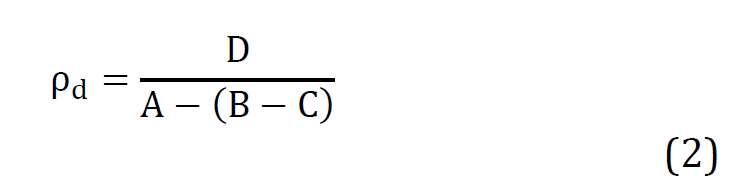
A modified Walkley and Black procedure as described by Zhao et al. [2] was used in the determination of organic carbon. One gram of soil sample was weighed into an Erlenmeyer flask. The reference sample and a blank ware included. Ten milliliters of 1.0 N (0.1667 M) potassium dichromate was added to the sample and the blank flasks. 20ml of concentrated sulphuric acid was carefully added to the soil from a measuring cylinder, swirled and allowed to stand for 30 minutes in a fume cupboard. About 250ml distilled water and 10mL concentrated orthophosphoric acid was added and allowed to cool. 1ml of diphenylamine indicator was then added and titrated with 1.0M ferrous sulphate solution. Calculations were carried out according to Zhao et al. [2]:

The organic carbon content of soil was calculated as:


Where:


M     =  molarity of ferrous sulphate

V1    =  mL ferrous sulphate solution required for blank 

V2    =  mL ferrous sulphate solution required for sample 

w     =  weight of air - dry sample in gram

mcf  =  moisture correcting factor (100 + % moisture)/100)

0.39  = 3 × 0.001 × 100% × 1.3 (3 = equivalent weight of carbon, 

1.3   =  Compensation factor for incomplete oxidation of the organic carbon)


Soil Nitrogen Content

This was determined by the Kjeldahl digestion and distillation procedure as described by Bayrakdar et al. [3]. A 0.5g soil sample was weighed into a Kjeldahl digestion flask. Then 5ml distilled water was added. After 30 minutes, 5ml concentrated sulphuric acid and selenium mixture was added and mixed carefully. The sample was then digested for 3 hours until a clear digest was obtained. The digest was diluted with 50ml distilled water and mixed well until no more sediment dissolved and allowed to cool. The volume of the solution was made to 100ml with distilled water and mixed thoroughly. A 25ml aliquot of the solution was transferred to the reaction chamber and 10ml of 40% NaOH solution added followed by distillation. The distillate was collected in 2.0% boric acid and titrated with 0.02N H Cl using bromocresol green as indicator. A blank (distilled water) distillation and titration was also carried out to take care of the traces of nitrogen in the reagents as well as the water used.

Calculations were carried out according to Bayrakdar et al. [3]: 

The % N in the sample was expressed as:


Where:


N       =  Concentration of HCl used in titration 

a        =  mL HCl used in sample titration

b        =  mL HCl used in blank titration (distilled water)

w       =  weight of air-dry soil sample

mcf   =  moisture correcting factor (100%+% moisture)/100)

1.4    =  14 × 0.001 × 100 % (14 = atomic weight of N)


Soil Phosphorous Content

Motsara and Roy [4] procedure was used to determine phosphorus content where 0.5g of soil sample was wet-digested in di-acid and then made up to 100mL volume. A sample of five milliliters drawn from 100mL was put in a 50 mL volumetric flask and then standard phosphate solution added. Standard solution was formed by dissolving 0.2915g of analytical-grade KH2PO4 and further diluted to 1 liter for the solution to contain 50 µg P/mL. A solution of ten milliliters of vanadomolybdate reagent was added to the volumetric flask. The content of the flask were made up to 50mL with deionized water, shaken thoroughly and stored for 10 minutes. The resultant solution was read on a spectrophotometer (Model UV-2600, Shimadzu-Japan). Reading of the concentrations of Phosphorus was done on atomic absorption spectrophotometer. The absorbance range was used to determine the P concentration from the standard curve and calculation done using the equation of Motsara and Roy [4] as follows:


P content (µg) in 1g of sample = C×df


Where:


C    =  Concentration of p (µg/mL) as read from the standard curve

df  =  Dilution factor (1000)


Soil Potassium Content

The procedure of Motsara and Roy [4] was used to determine total soil potassium content using an atomic emission spectrophotometer (Model 969, UNICAM, Cambridge, UK). A soil sample of 0.5g was made up to 100ml volume after it was digested in di-acid. Then 5ml of this volume was put in 50ml volumetric flask and 10ml and KC1 (AR-grade) solution reagent was added, KC1 was prepared by dissolving 1.908g of KC1 in 1 liter of distilled water for it to contain 1mg K/M. The content in the flask was made up to volume with deionized water, shaken thoroughly and kept for 10 minutes. The absorbance of the solution was measured on the spectrophotometer. The absorbance was used to determine the K content from the standard curve. Content of K for the particular absorbance observed for the sample was determined using the equation of Motsara and Roy [4] as shown below:


K content (µg) in a sample = x df


Where:


C    =  Concentration of K (µg/mL) as read from the standard curve

df  =  dilution factor


Soil Calcium Content

Soil sample of 0.5 g was wet digested in a di-acid and the volume was made up to 100 mL as per the procedure of Motsara and Roy [4]. From the above volume 5 mL was put in a 50 mL volumetric flask and 10ml of Calcium standard solution reagent prepared by adding 0.2247g of standard CaCO3 in to 5 mL of de-ionized water then 10 mL of HCl was added to ensure complete dissolution of CaCO3. This was then diluted to 1 liter with deionized water to give Calcium solution of 100 µm Ca/mL. The content in the volumetric flask was made up to volume with the deionized water. The absorbance of the final solution developed was measured on a spectrophotometer (Model UV-2600, Shimadzu-Japan). The absorbance range obtained was used to determine the Calcium content from the standard curve. Content of calcium for the particular absorbance that was observed for each sample was determined using the equation of Motsara and Roy [4] as shown below:


Calcium content in µm in 1 g of sample = C×df


Where:


C    =  Concentration of Ca (µm/mL) as read from the standard curve

df  =  Dilution Factor


Soil Magnesium Content

Motsara and Roy [4] procedure was used to determine soil magnesium content. Soil sample of 0.5 g was wet digested in a di-acid and the volume made up to 100 mL with distilled water. From the solution 5 mL were put in 50 mL volumetric flask and 10 mL of Mg standard solution reagent was added, which had been formed by dissolving 10.141 g of MgSO2 .7H2O in 250 mL of distilled water and made to 1 liter volume to give 1000µm Mg/mL of solution. Then 10 mL of this solution was added to 100 mL of distilled water to obtain 10µm Mg/mL. The absorbance of the final solution was measured on a spectrophotometer (Model UV-2600, Shimadzu-Japan). The absorbance range was used to determine the Mg content from the standard curve. The content of Mg for the particular absorbance was determined using the equation of Motsara and Roy [4] as shown below:


Mg content in µma in 1g of sample = C×df


Where:


C    =  Concentration of Mg (µm/mL) as read from the standard curve

df  =  Dilution Factor

RESULTS

Total Soil Organic Carbon

The agroforestry tree combinations of Sesbania sesban, Calliandra calothyrsus and Laucaena diversifolia under investigation had significant effects on the amount of Soil Organic Carbon (SOC) in different agroforestry tree combinations in both season one and two (Table 1). There were significant differences in SOC (p≤0.05) in MBCC, MBLL, MBSS, MMBB, MM and BB agroforestry tree combinations in both seasons except in MMF. Maize banana Calliandria plots showed the highest carbon content in both seasons while pure maize (MM) showed the least amount in both seasons (Table 1, page 16). There was a significant (p≤0.05) increase in the levels of soil organic carbon for the entire period of study in MBCC, MBSS, MBLL and MMBB agroforestry tree combinations with MBCC having highest amount at the end of the study period, followed by MBSS and MBLL (Figure 1).


Soil Total Nitrogen

Table 1 and Figure 2 compare the dynamics of total soil nitrogen under the different agroforestry tree combinations in season one and two. The results showed that agroforestry tree combinations had a significant (p≤0.05) effect on soil nitrogen levels among the agroforestry tree combinations. Maize banana Sesbania plots reported higher nitrogen content in both season one and two, followed by maize banana Calliandria and maize banana sesbania whilst pure banana showed the least amount in both season one and two. Among the controls maize fertilizer plots had significantly (p≤0.05) higher values compared to pure maize. There were significant differences (p≤0.05) in total nitrogen content in MBCC, MBLL, MBSS, MMBB and MMF agroforestry tree combinations in both season one and two (Table 1). The total nitrogen content increased significantly (p≤0.05) with time in MBCC, MBLL and MBSS agroforestry tree combination treatments compared to initial levels with MBCC having significantly higher values but at the same time total nitrogen content decreased significantly (p≤0.05) in MM (Figure 3).


Soil Available Phosphorus

The results showed that agroforestry tree combinations had a significant (p≤0.05) effect on soil phosphorous content (Table 1). Significantly (p≤0.05) higher values of available Phosphorus were found in maize + banana + calliandra in both season one and two. The least amount was recorded in plots under pure banana (BB) both in season one and two however it was not significantly different from MM. Maize Fertilizer (MFF) plots had significantly higher values of available phosphorous content as compared to pure maize (MM) both in season one and two. Significant differences (p≤0.05) in the amount of phosphorus were observed in MBCC, MBSS, MBLL and MMF (Table 1).


There was a significant (p≤0.05) increase in the levels of phosphorus for the entire period of the study in MBCC, MBLL and MBSS (Figure 4). The highest amount of phosphorus was on day 180 at the end of season two for MBCC agroforestry tree combinations treatment and the least amount was on day 1 at the start of season one for MBSS agroforestry treatment (Figure 4).


Total Soil Potassium

Significantly (p≤0.05) higher values of potassium values were found in MBCC in both seasons whilst the least were recorded in plots under pure Banana (BB) however it was not significantly different from MBSS and MMBB. There were significant differences (p≤0.05) of Potassium levels under MBCC, MBSS and MBLL plots in both seasons, but there were no significant differences (p>0.05) in plots with MMBB, MM, BB and MMF (Table 1).


Table 1:  Monthly Average Rainfalls in Millimeters for Kisii Station for Year 2018 and 2019

Parameters                                                                   

Jan

Feb 

Mar 

Apr 

May 

June 

July 

Aug 

Sept 

Oct 

Nov 

Dec

Short rain  season

2018 

62.8

38.1 

357.6 

268.5 

347.1 

118 

58.6 

157 

91.6 

145.7 

137.4 

161.8

Long  rains  season

2019 

24.3 

26.1 

173.4

204

198.3

194.1 

105.5 

163

180

267.5

280

238.7

Source:  Kenya meteorological department Kisii weather station


Table 2: Monthly Maximum and Minimum Temperatures in Degrees Celsius for Kisii Station for Year 2018 and 2019

Parameters

Jan

Feb

Mar

Apr

May

June

July

Aug 

Sept

Oct   

Nov

Dec

Short rain  season

Max

26.1

29

24.8

23.6

24.6

24.1

24.5

25

26.5

26.1

26.2 

25.2

Min

16.2

17.3

15.9

15.8

16

15.3

14.6

15.1

15.9

15.8

15.7   

15.8

Long rains season

2019

Max

27.1

28.7

28.5

27.8

26.2

24.4

24.7

25.3

26

24.8

24.8

24.5

Min

16.5

16.5   

16.7

17

16.7

16.2

15.4

15.4

15.9   

15.5

15.7

15.7

Source:  Kenya meteorological department Kisii weather station


Figure 1: A Map of Kenya and Kisii County, Study Site, Kisii KALRO, Source Buyela Daniel


Figure 2: Organic Carbon Percentage Values after 180 Days of Sampling, Error Bars Indicate Standard Mean Error of Three Replicates, at p≤0.05 by Fisher’s Protected Least Significant Difference Test. MMBB: Maize + Banana; MBCC: Maize+Banana+Calliandra; MM: Maize Alone; BB: Pure Banana; MBLL: Maize+Banana+Leucaena; MBSS: Maize+Banana+Sesbania; MMF: Maize+ Fertilizer


Figure 3: Nitrogen Percentage Values after 180 Days of Sampling, Error Bars Indicate Standard Mean Error of Three Replicates, at p≤0.05 by Fisher’s Protected Least Significant Difference Test. MMBB: Maize + Banana; MBCC: Maize+Banana + Calliandra; MM: Maize Alone; BB: Pure Banana; MBLL: Maize+Banana+Leucaena; MBSS: Maize+Banana+Sesbania; MMF: Maize+fertilizer


Figure 4: Soil Phosphorus Values after 180 Days of Sampling, Error Bars Indicate Standard Mean Error of Three Replicates, at p≤0.05 by Fisher’s Protected Least Significant Difference Test, ppm-Parts per Million. MMBB: Maize + banana; MBCC: Maize +Banana + Calliandra; MM: Maize Alone; BB: Pure Banana; MBLL: Maize+Banana+Leucaena; MBSS: Maize+Banana+Sesbania; MMF: Maize+Fertilizer


Figure 5: Soil Potassium, Calcium and Magnesium Values after 180 days of Sampling, Error Bars Indicate Standard Mean Error of Three Replicates, at p≤0.05 by Fisher’s Protected Least Significant Difference Test, mg/100g-Milligrams per 100g. MMBB: Maize + Banana; MBCC: Maize + Banana + Calliandra; MM: Maize Alone; BB: Pure Banana; MBLL: Maize + Banana + Leucaena; MBSS: Maize + Banana + Sesbania; MMF: Maize+ Fertilizer


Figure 6:   Calcium Values After 180 Days of Sampling, Error Bars Indicate Standard Mean Error of Three Replicates, at p≤0.05 by Fisher’s Protected Least Significant Difference Test, mg/100g-mligrams per 100g. MMBB: Maize + Banana; MBCC: Maize+Banana+Calliandra; MM: Maize Alone; BB: Pure Banana; MBLL: Maize+Banana+Leucaena; MBSS: Maize+Banana+Sesbania; MMF: Maize+ Fertilizer


Figure 7: Magnessium Values After 180 Days of Sampling, Error Bars Indicate Standard Mean Error of Three Replicates, at p≤0.05 by Fisher’s Protected Least Significant Difference Test, mg/100g-milligrams per 100grams. MMBB: Maize + Banana; MBCC: Maize+Banana+Calliandra; MM: Maize Alone; BB: Pure banana; MBLL: Maize+Banana+Leucaena; MBSS: Maize+Banana+Sesbania; MMF: Maize+Fertilizer


Table 3: Experimental layout

Block1

Block 2

Block 3

1.Maize+banana+calliandra (MBCC)

Maize+banana+Leucaena (MBLL)

Pure maize(no  fertilizer) (MM)

2.pure maize(  no fertilizer)(MM)

Maize+banana (MMBB)

Maize+banana+Sesbania (MBSS)

3.maize+banana+Leucaena (MBLL)

Maize+ fertilizer  (MFF)

Maize+  fertilizer   (MFF)

4.pure banana (BB)

Maize+banana+Sesbania (MBSS)

Maize+banana+Leucaena (MBLL)

5.maize+banana (MMBB)

Pure maize (no fertilizer) (MM)

Pure Banana (BB)

6.maize+  fertilizer (MFF)

Maize+banana+Calliandra (MBCC)

Maize+banana (MMBB)

7.maize+banana+Sesbania (MBSS)

Pure banana  (BB)

Maize+banana+Calliandra (MBCC)

MMBB: Maize+banana;  MBCC:  Maize+banana +  Calliandra;  MM: Maize  alone;  BB:  pure  banana; MBLL: Maize+banana+leucaena; MBSS: Maize+Banana+Sesbania; MMF: Maize+ fertilizer


Table 4: Soil nutrients content under different agroforestry tree combinations treatments for season one and two


Season 1

Season 2

TreatmentsN%P ppmK Mg/100gCa Mg/100gMg Mg/100gC%N%P ppmK Mg/100gCa Mg/100gMg  Mg/100g

MBSS

3.07b

13.17d

0.43c

1.87b

0.95b

1.55b

2.7ab

14.00f

0.42e

1.71b

1.22c

MBCC

2.58c

19.00b

0.60a

2.07a

1.02b

2.20a

2.17bc

19.00b

0.64a

2.02a

1.30b

MBLL

1.98d

17.00c

0.53b

1.63c

0.83c

1.20c

2.27b

17.83c

0.47cd

1.70b

0.91d

MMBB

1.33e

18.00bc

0.44c

1.20f

0.63d

1.02d

1.55d

16.50d

0.43de

1.00c

0.83de

MMF

3.45a

22.00a

0.54b

1.62c

1.43a

0.87de

3.07a

22.83a

0.58b

1.07c

1.63a

MM

1.33e

13.83d

0.53b

1.51d

0.62d

0.72e

1.61cd

15.33e

0.50c

1.50b

0.79e

BB

1.30e

13.00d

0.42c

1.29e

0.49e

0.88d

1.25d

14.50ef

0.41e

1.23c

0.70f

LSD

0.1905

1.341

0.0406

0.062

0.1207

0.154

0.5762

1.0949

0.0542

0.2287

0.0792

P.Value

0.0001

0.0001

0.0001

0.0001

0.0001

0.0001

0.0002

0.0001

0.0001

0.0001

0.0001

%C.V

7.5

6.8

6.9

3.3

12

10.7

23.4

5.4

9.3

13.2

6.4


Values are the means of three replications. MBB: Maize + banana; MBCC: Maize +banana + Calliandra; MM: Maize Alone; BB: Pure Banana; MBLL: Maize+Banana+Laucaena; MBSS: Maize+Banana+Sesbania; MFF: Maize+ Fertilizer; Means followed by different letter down the column are statistically different at p≤0.05 by Fisher’s protected least significant difference test. Those with more than one letter within a column are intermediates

Figure 5 shows levels of potassium among the agroforestry tree combinations for the entire period of the study. There was a significant (p≤0.05) increase in the levels of potassium for the entire period of study in MBCC, MBLL and MBSS agroforestry tree combinations.


Total Soil Calcium

Among the agroforestry tree combinations, MBCC recorded significantly higher values of calcium in both seasons and treatment MMBB recorded the lowest values of total soil calcium in season one and two (Table 4). In season one significant difference (p≤0.05) in levels of calcium were observed in all the agroforestry tree combinations treatments (Table 4). Similarly season two had significant differences (p≤0.05) in calcium levels in most agroforestry tree combinations except MMBB, MMF and BB (Table 4).There was a significant increase for the amount of calcium in MBCC, MBLL and MBSS agroforestry tree combinations under study (Figure 6).


Soil Magnesium

Maize + banana + Calliandra plots showed significantly higher magnesium content in both season one and two but was not significantly different from MBSS but pure banana showed significantly low amount of magnesium in season one and two (Table 4). There were significant differences (p≤0.05) in soil magnesium content in MBCC, MBLL, MMBB, MMF, MM and BB (Table 4). There was a significant increase for the amount of magnesium for the entire period of the study among MBCC, MM, MBLL and MBSS agroforestry tree combinations (Figure 7).

DISCUSSION

Effect of Agroforestry Tree Combinations on the Amount of Total Organic Carbon in the Soil

The agroforestry tree combinations of Sesbania sesban, Calliandra calothyrsus and Leucaena diversifolia showed significantly higher values of soil organic carbon as compared with pure maize, pure banana, maize with fertilizer and maize intercropped with banana. Maize banana Calliandra showed significantly higher soil organic carbon values, followed by Maize banana Sesbania and Maize banana Laucaena. The lowest values of soil organic carbon were recorded in pure banana.


The high values of total soil organic carbon content in Maize, banana and Calliandra, Maize banana Leucaena and Maize banana Sesbania reflect the accumulation of leaves, twigs, roots and branches in the soil. This can be attributed to incorporation of leaf and branch pruning’s of agroforestry trees in the soil, continuous input of leaves, foliage and dead roots by the agroforestry trees. The differences in the amount of soil organic carbon among the three agroforestry trees might have been caused by differences in the rate of organic matter decomposition by the soil microbes. Soils cultivated with agroforestry trees result in high additions of total organic carbon, improving the quality of SOC at the surface of soil due to continuous addition of a high amount of litter and also by high concentration of fine roots. Soil organic carbon is protected from decomposition by soil microbes through physical stabilization in an agroforestry system [36]. The outcomes agree to earlier reports of Chen et al. [37] who reported that agroforestry treatments significantly increased total soil organic carbon in four rubber-based agroforestry system.


The low values of total organic carbon content in Maize (MM), Maize Fertilizer (MMF) and Banana (BB) can be attributed to lower litter (leaf fall, branches and roots) inputs and the decomposition of previous agricultural residues by the soil microbial community. It could also have been as a result of tillage-induced organic matter oxidation and organic residue export from the treatments when all aerial parts of the maize crops were removed during land preparation, promoting the loss of organic matter. Tillage operation may reduce SOC content due to the disturbance of upper soil layers causing an increase in mineralization rates and emissions of CO2 from soils [36]. The rate of decomposition due to tillage might have been higher in mono-crops due low amount of substrate inform of liter fall in the soils hence low level of carbon. In general, systems that prioritize tillage stimulate the action of microorganisms on organic compounds; indeed, these systems result in greater organic matter exposure, greater soil contact with plant debris and soil aggregate breakdown, which exposes the labile organic matter to oxidation [38]. These findings are in confirmation to the earlier reports of Li et al. [39]. The above reasons were corroborated by the results of Magar et al. [40] who reported low values of soil organic carbon in rubber monoculture agroforestry treatments in four rubber-based agroforestry systems.


There were significant variations (Table 4) i8n values of total organic carbon content across agroforestry tree combinations for both season one and two and this could due to the rate of contribution of soil organic carbon concentration (such as pruning’s, leaf fall and fine roots) by different species of leguminous plants and crops in the agroforestry system viz a viz the rate of mineralization by the soil microbes. It could also be attributed to the rate of growth of the agroforestry trees which in turn affects the dynamics of the tree litter inputs into the soil against the rates of microbial decomposition. In general, litter biomass is higher in fast growing agroforestry trees where rates of SOC deposition are higher than the rates of microbial decomposition. Soil management activities including cultivation and fertilization may also affect SOC content in agroforestry systems due to the activities of the soil microbial community. These results are in line with the findings of Kumar et al. [41] who also observed that the organic carbon was significantly different in different agroforestry systems.


There was a significant (p≤0.05) increase (Figure 1) in the levels of total organic carbon among agroforestry tree combinations across sampling days for the entire period of study. This could be possibly due to continuous SOC input to the soil via above and belowground litter fall and the resulting SOC is better protected under minimum disturbance thus lowering the activities of the soil microbes hence the increase. The increase in the amount of total organic carbon with time can be attributed to regular addition of pruning’s and root turnover over the years resulting in the accumulation of soil organic matter and nutrient stocks in the soil, slow mineralization reaction possibly due to the effect of high polyphenol content in the agroforestry trees that is known to bind with nitrogen lowering the decomposition rate and thus keeping the quantity of organic matter stable [14]. The increase in the amount of total organic carbon could have been also due to increased soil aggregation levels as part of soil structure improvement and thus soil carbon is protected inside soil aggregates leading to greater soil carbon stored in soil macroaggregates under agroforestry practices [1]. These results are in agreement with those of Pardon et al. [42], who also observed that the soil organic carbon significantly increased with time in temperate agroforestry systems.


Effect of Agroforestry Tree Combinations on the Amount of Total Nitrogen in the Soil

Soils from tree based treatments, Maize, banana and Calendar, Maize, banana and Leucaena and Maize, banana and Sesbania had higher values of nitrogen. This could be attributed to nitrogen fixation by Rhizobium bacteria in the root nodules of the leguminous trees and incorporation of litter fall, leaf and branch pruning’s in the soil which provided the substrate to the soil microbial community. The total amount of nitrogen in Calliandra and Leucaena treatment was less than that of Sesbania indicating that Sesbania spp root system extracted and fixed large amount of nitrogen than the two species. Differences in amounts of N fixed could be due to species differences. This more efficient sourcing of nitrogen by Sesbania spp could result in less dependency of nitrogen from commercial sources and thus an indication of system sustainability in terms of nitrogen supply. Nitrogen sourcing through soil capture as a result of N fixation by microbes in the root nodules of leguminous trees and litter decomposition by the soil microbes could be a useful way of supplying N in a maize-banana intercrop. Leaves from the leguminous trees could be the major source of organic nitrogen in the soil. This is consistence with the observations of Mucheru-Muna [1] who reported higher values of nitrogen in treatments with leguminous agroforestry trees. 


The significant differences in the total nitrogen levels in season one and two among the agroforestry tree combinations might have been due to the occurrence of total nitrogen losses or gains which could be attributed to differences in the rates of nitrogen fixation by microbes in the root nodules of leguminous trees, differences in the rates of litter decomposition by microbial community, denitrification processes by microbial community, redistribution through the root systems, fine root decay, leaching and gaseous losses as well as runoff and deep nitrate capture. The results of this study are in contrast with those of Dawoe et al. [43] who found no significant differences in total nitrogen values between different cacao agroforestry treatments. The results obtained are in tandem with earlier findings by Lu et al. [44] who attributed variation in nitrogen to three factors, namely variation in mineralization rates, uptake by plants and microbes and losses through leaching, runoff and denitrification. Similar results were also reported by Chen et al. [45] who included soil moisture, pH and temperature to be the factors that influenced soil N mineralization rate.


In this study the total nitrogen content increased significantly (p≤0.05) with time of assessment in all agroforestry tree combination treatments. This could be attributed to contribution of nitrogen-rich tree biomass to the soil organic nitrogen pool which normally occurs through aboveground inputs (litter fall, pruning’s) or belowground inputs (roots) which following decomposition and mineralization processes, adds soil inorganic nitrogen to the soil solution hence becoming available for biomass production by crops and other plants [1]. Similar results were reported by Li et al. [39], who compared four intercropping treatments, including rubber monoculture and the follow three agroforestry treatments: intercropping with Camellia sinensis, Coffea liberica, or Theobroma cacao and attributed the increase to the increased input of litter and roots and to the stimulation of the microorganisms that regulate nitrogen cycles.


In both seasons, maize alone, banana alone and maize + banana treatment had low soil nitrogen levels and this could be attributed to the lower rate of biomass input, decomposition and mineralization of biomass by the soil microorganisms. The low rate of biomass input in these treatments could be due to the fact that the source of input might have been only through leaf senesence. The low levels of nitrogen in maize and banana treatments could also have been due to inability of the crops under study (Maize and Banana) to fix nitrogen because they are non-legume crops [46] and possibility of inter -species competition for N between maize and bananas. This results concur with those of Mthembu et al. [47] who reported significantly lower values of soil nitrogen under sole crop treatments than under intercrops with leguminous trees.


Higher nitrogen nutrient recorded in soils from maize plants under fertilizer plots in season one and two is attributed to available nitrogen nutrient release from the applied fertilizer. This could have been as a result of the Di-Ammonium Phosphate (DAP) amendment imposed on these plots, which was later followed by a ‘top dress’ with Calcium Ammonium Nitrate (CAN). The nitrogen content of these fertilizers made a significant contribution to the total nitrogen initially in the soil.


Effect of Agroforestry Tree Combinations on the Amount of Total Phosphorus in the Soil

There was increased amount of phosphorus in the plots with agroforestry tree combinations. The increased availability of phosphorus in soils from Maize, banana and Calliandra and maize banana Laucaena treatment can be attributed to incorporation of easily decomposable leaves of Calliandra and Leucaena trees. Secondly Calliandra and Leucaena spp. can probably increase nutrient inputs in this case phosphorus to agroforestry systems by retrieval from lower soil horizons and weathering rock, which is incorporated in the plant biomass and later released to the soil through microbial decomposition. Plant species alter soil nutrient input through litter quality and the decomposition rate of the microbial community. The decomposition process by the soil microbes can increase the availability of phosphorus in soils by blocking the phosphorus adsorption sites on soil mineral matter and aluminum complexes [48]. Nutrient cycling in agroforestry system is very efficient, with only 10-15% of the nutrients taken up by trees becoming immobilized and the rest being returned via the litter or canopy leaching [49]. Increased mineralization of organic phosphorus can be attributed to release of Phosphohydrolases by nitrogen fixing trees’ roots and associated ectomycorrhizal fungi [11]. Thus, litter quality and the rhizosphere control decomposition processes by selecting the decomposing microorganisms [50]. These findings are in confirmation to the earlier reports Nanda et al. [51] who found higher values of phosphorus in the intercrop in a Melia dubia based agroforestry system.


The low values of phosphorus in the soils from maize, banana and maize + banana + Sesbania could have been due to low return of litter from these treatments and the litter was not easily decomposable by the soil microbial community. Additionally, the plants in MM, BB and MBSS treatments returned a low litter result for phosphorus, with Sesbania sesban having high level of polyphenol content that is known to bind with nitrogen lowering the decomposition rate [52] and thus, the soil provides little phosphorus to the soil plants used in agroforestry systems. The form and dynamics of phosphorus in soil may be significantly influenced by, microbial decomposer community associated with each individual agroforestry tree, changes in tree species, biomass production and nutrient cycling [53].


Phosphorus uptake by plants is assumed to be a function of the phosphorus concentration in the soil solution, which is derived from litter decomposition by the microbes in the soil and weathering rock. Organic phosphorus become available by soil microbial activities, particularly those linked to the phosphorus-cycle, such as Arbuscular Mycorrhiza Fungi (AMF) and are hydrolyzed by phosphatase enzymes from active microbial cells or that of extracellular phosphatases stabilized by soil colloids [54]. These findings concur with the findings of Prakash et al. [55] who reported lower phosphorus values under maize and wheat in poplar-based agroforestry systems.


There was a significant (p≤0.05) increase (Figure 4) in the levels of phosphorus for the entire period of the study in soils from Maize, banana and Calliandra, maize banana Laucaena and Maize, banana and Sesbania agroforestry tree combinations. This could have been possibly due mineralization of organically bound phosphorus in the organic inputs; the transformation of less available pools of inorganic phosphorus into more readily available organic phosphorus that is mineralized when plants convert inorganic phosphorus in their tissues and those are cycled back to the soil via litter fall and pruning’s. It might also have been possibly due to fact that agroforestry systems are highly dependent on Arbuscular Mycorrhizal Fungi (AMF) and cluster roots for extraction of phosphorus [56]. AMF play a critical role in the uptake of relatively immobile forms of phosphorus through their effects on increased mobilization of phosphorus in the rhizosphere hence the increase [57]. The findings agree with those of Nziguheba et al. [58] in which Calliandra calothyrsus, Senna spectabilis, Croton megalocarpus, Lantana camara, Sesbania sesban and Tithonia diversifolia fallows increased labile soil organic phosphorus in Western Kenya.


The highest phosphorus nutrient (Table 1) recorded in soils from maize plots under fertilizer is attributed to available phosphorus nutrient release from the Applied Fertilizer (DAP). The bulk of applied phosphorus remains in soils due to very slow diffusion and immobilization [59].


Effect of Agroforestry tree Combinations on the Amount of Total Soil Potassium

There were higher values of potassium in maize banana Calliandra, Maize banana Sesbania and maize banana Laucaena plots in both seasons. Pure banana plots exhibited significantly higher values of potassium in season one as compared to season two.


The high values of potassium from Soils from Maize, banana and Calliandra, Maize banana Laucaena and Maize banana Sesbania in season one and two agroforestry treatments could be due to incorporation of leaf and branch pruning’s of agroforestry trees in the soil that increased nutrient mineralization by soil microbes which may have contributed to higher amount of potassium returned back to the soil in the form of litter. The high values of potassium from soils from Banana (BB) in season one could have been possibly due to the remnants from the initial soils before the initiation of the experiment whilst the low amount from soils from BB in season two could be attributed to the low return of K in soils from the litter from banana leaves suggesting possible fixation of K nutrient which was released with time during season one. When potassium is added to the soil, some of it goes into exchangeable positions and some into nonexchangeable positions [60]. The findings concur with those of Pardon et al. [42] but disagree with the findings by Rizwan et al. [61] who didn’t find any significant difference in the total amount of K among different agroforestry treatments.


There was a significant (p≤0.05) increase (Figure 4) in the levels of potassium with the time of study in maize banana Calliandra, Maize banana Sesbania and maize banana Laucaena agroforestry tree combinations.


This could be attributed to plant litter supplying potassium nutrient either directly or indirectly by alleviating aluminum toxicity or by producing organic acids which complex with aluminum, thereby increasing potassium availability and hence the increase [62,63]. It could also be explained by the fact that the amount of potassium absorbed by plants was less than the potassium present and replenished in the soil by transfer of potassium from primary minerals to soil exchange complexes, the soil solution and potassium released from mineralization of soil organic matter by the soil microbes. Potassium is also retained in litter accumulated on the soil surface and is released slowly as organic matter is decomposed by the soil microbial community. These findings are in agreement with earlier findings of Rojas et al. [64] whose findings concluded that there were significant increase in the level of potassium in the cacao agroforestry system involving Gmelina arbórea, Gliricidia sepium and Cedrela odorata agroforestry trees.


The higher potassium potassium nutrient (Table 1) recorded in the soils from the maize plots with fertilizer in season one and two is attributed to available potassium nutrient release from the applied fertilizer as opposed to sole maize plots that had limited nutrient being recycled in the study agroforestry soils.


Effect of Agroforestry Tree Combinations on the Amount of Total Soil Calcium

Soils from maize and banana treatments involving agroforestry trees MBCC, MBSS and MBLL exhibited high amount of calcium (Table 1) for season one and two and this could be due to incorporation of leaf and branch pruning’s of agroforestry trees in the soil that increased calcium nutrient mineralization by the soil microbial community which might have led to increased levels of calcium. Another reason could have been that the rate ofcalcium return was higher than rate of absorption by the plants hence the accumulation of the nutrient in the soil. Season two calcium values were higher than season one values for each corresponding agroforestry treatment MBCC, MBSS and MBLL and these could be attributed to the increased litter input with time and optimum microbial working conditions through higher soil moisture and temperature (Table 1 and 2). Pardon et al. [42] reported similar results, where significantly higher soil calcium levels were observed in tree based intercrop which was attributed to input of tree litter and nutrient-enriched through fall water.


The observed low amount of calcium nutrient in soils from sole maize (MM, control), Maize Banana (MMBB) and pure Banana (BB) treatments in season one and two might be attributed to lack of sufficient calcium in the soils due to low amount of calcium concentration in leaf litter fall of the two plants (maize and banana) and thus low rate of mineralization by the soil microbial community and hence limited calcium being recycled in the study soils. It could have also been due to lack of deep root capture of calcium by maize and banana roots and thus low levels of calcium in the litter fall of the two plants and hence low level of mineralization by the soil microbes. Calcium is a structural component and generally non-mobile; thus, its release is very slow. These findings are in tandem with the findings of Tongkaemkaew et al. [65] who reported low amount of calcium in rubber monoculture in rubber-based agroforestry plantations.


There was a significant (p≤0.05) increase (Figure 5) in the levels of calcium with increase in assessment time, this could be attributed to agroforestry trees in this case Sesbania sesban, Calliandra calothyrsus and Sesbania sesban having a dense, deep and permanent network of roots, which contributed to more efficient calcium nutrient cycling and prevented losses due to leaching, which is often the main cause of calcium loss in annual crop land use systems. Enrichment can only occur if the trees recover part of their calcium from layers beyond the top soil that could be having relatively higher calcium saturation. Leaf litter and prunings also protect the soil against erosion and high temperature which are the main causes of calcium losses in many agroforestry systems. The increase in the levels of calcium is in agreement with the results of Vanlauwe et al. [66] which he attributed to the total amount of dry matter in the soil and recovery of calcium from the subsoil under agroforestry trees.


High values of calcium from soil from maize plots with fertilizer amendment is attributed to available calcium nutrient release from the applied fertilizer (CAN) as opposed to un-amended sole maize plant that had limited calcium nutrient being recycled in the study soils.


Effect of Agroforestry Tree Combinations on the Amount of Total Soil Magnesium

The high levels of magnesium nutrients under the agroforestry treatments (MBCC, MBSS and MBLL) could be attributed to the release of magnesium nutrients from the decomposition of tree residues that were incorporated in the soils through litter fall and pruning suggesting to some extent a greater conservation of magnesium nutrient by this cropping system. This addition of high quality prunings from agroforestry tress to the soil normally leads to high release of nutrients to the soil as a result of decomposition. Trees can also increase nutrient inputs to agroforestry systems by retrieval from lower soil horizons and from weathering underground rocks that is later mineralized. The findings are in close agreement with those of Rizwan et al. [61] who reported high amount of magnesium nutrient in agroforestry system in four main stands Hevea brasiliensis, Gmelina arborea Roxb, Melia azedarach L. and Anthocephalus cadamba Miq) with soybean for period of one year.


The observed low amount of magnesium nutrient in soils from sole non fertilizer plots of Maize (MM), Maize Banana (MMBB) and pure Banana (BB) treatments might be attributed to lack of sufficient magnesium nutrients in the soils due to low amount of nutrient return through litter in the study soils and hence low mineralization by the soil microbes. This could be due to the influence of both crop components (maize and banana) on total soil magnesium content, this could be so since different crops remove different amounts of nutrients from the soil [67]. Both crops with their different nutrient requirements possibly competed for the nutrient to meet their varying demands, thereby leading to greater exploitation from the soil. These findings are in line with the results of Abbasi Surki et al. [68] who reported low amount of magnesium in sole crop as compared with intercropped crops in a wheat and barley intercropping with almond trees.


The significant (p≥0.05) increase (Figure 6) in the amount of magnesium with the increase in days of assessment could be attributed to the fact that the amount of magnesium absorbed by plants is less than the amount of magnesium present and replenished in the soil by transfer of magnesium from primary minerals to soil exchange complexes and from mineralization of soil organic matter by the soil microbes. This observation is supported by previous findings by Rizwan et al. [61] who reported increased amount of magnesium nutrient in agroforestry system in four main stands Hevea brasiliensis, Gmelina arborea Roxb, Melia azedarach L. and Anthocephalus cadamba Miq) with soybean for period of one year.


The highest magnesium nutrient (Table 1) recorded in the soils from the fertilizer amended maize plots in season one and two could be attributed to available magnesium nutrient release from the applied fertilizer.
CONCLUSION

Soils from tree based treatments, Maize, banana and Calliandra, Maize, banana and Leucaena and Maize, banana and Sesbania had higher values of nitrogen, phosphorus, potassium, calcium and magnesium nutrient levels which increased with time of assessment.


The agroforestry trees organic materials (Calliandra calothyrsus, Leucaena diversifolia and Sesbania sesban) had a positive contribution to soil carbon in comparison to the mineral fertilizer and the control. Soil organic carbon increased with increase in time of assessment.


Recommendations

Higher values of total soil carbon and nitrogen, phosphorus, potassium, calcium and magnesium nutrient levels which increased with time of assessment were recorded under Calliandra calothyrsus tree species treatment. Calliandra calothyrsus, agroforestry trees’ organic materials should be used in maize-banana based agroforestry system to improve soil chemical fertility through maximized soil mineralization microbial activity.


Acknowledgment

We would like to extend our appreciation to National Research Fund (NRF) for financial aid without which it could have been difficult to execute this research. We also appreciate the Maseno University NRF team under the leadership of Professor George Duncan Odhiambo for availing this funding opportunity through which this work was accomplished.


Competing Interests

The authors declare that they have no known competing financial interests or personal relationships that could have appeared to influence the work reported in this paper.


Authors’ Contributions


  • Buyela Daniel Khasabulli: Designed the study, wrote the protocol and wrote the first draft of the manuscript

  • Musyimi Mutisya David: Reviewed the study design and all drafts of the manuscript. Author SAP managed the analyses of the study.

  • Bonface Ombasa Manono: Managed the literature searches, read and approved the final manuscript

REFERENCES
  1. Mucheru-Muna, N. et al. "Agroforestry boosts soil health in the humid and sub-humid tropics: A meta-analysis." Agriculture, Ecosystems & Environment, vol. 295, 2020, p. 106899.

  2. Zhao, J. et al. "Aggregate stability and size distribution of red soils under different land uses integrally regulated by soil organic matter and iron and aluminum oxides." Soil and Tillage Research, vol. 167, 2017, pp. 73–79.

  3. Bayrakdar, A. et al. “Biogas production from chicken manure: Co-digestion with spent poppy straw.” International Biodeterioration & Biodegradation, vol. 119, 2017, pp. 205–10.

  4. Motsara, M.R. and R.N. Roy. Guide to Laboratory Establishment for Plant Nutrient Analysis. Vol. 19, Food and Agriculture Organization of the United Nations, 2008.

  5. Ayuk, E.T. et al. Promoting green economy: Implications for natural resources development, food security and poverty reduction in Africa. United Nations University Institute for Natural Resources, 2017.

  6. Nair, P.K. et al. "Definition and concepts of agroforestry." An Introduction to Agroforestry, 2021a, pp. 21–28.

  7. Banerjee, S. et al. “Network analysis reveals functional redundancy and keystone taxa amongst bacterial and fungal communities during organic matter decomposition in an arable soil.” Soil Biology and Biochemistry, vol. 97, 2016, pp. 188–98.

  8. Altieri, M.A. et al. “Agroecology and the design of climate change-resilient farming systems.” Agronomy for Sustainable Development, vol. 35, no. 3, 2015, pp. 869–90.

  9. Schwab, N. et al. "Transition to agroforestry significantly improves soil quality: A case study in the central mid-hills of Nepal." Agriculture, Ecosystems & Environment, vol. 205, 2015, pp. 57–69.

  10. Lal, R. “Restoring soil quality to mitigate soil degradation.” Sustainability, vol. 7, no. 5, 2015, pp. 5875–95. 

  11. Ruess, R.W. et al. "Phosphorus mobilizing enzymes of Alnus-associated ectomycorrhizal fungi in an Alaskan boreal floodplain." Forests, vol. 10, no. 7, 2019, p. 554.

  12. Mponela, P. et al. "Participatory action research, social networks and gender influence soil fertility management in Tanzania." Systemic Practice and Action Research, 2022, pp. 1–23.

  13. Andrews, E.M. et al. “A review of potassium-rich crop residues used as organic matter amendments in tree crop agroecosystems.” Agriculture, vol. 11, no. 7, 2021, p. 580.

  14. Timsina, J. "Can organic sources of nutrients increase crop yields to meet global food demand?" Agronomy, vol. 8, no. 10, 2018, p. 214.

  15. Li, B. et al. “Prediction of future phosphate rock: A demand based model.” Journal of Environmental Informatics, vol. 31, 2018, pp. 41–53.

  16. Kumar, R. et al. “The impact of chemical fertilizers on our environment and ecosystem.” Chief Ed, vol. 35, 2019, p. 69.

  17. Nazari-Sharabian, M. et al. "Climate change and eutrophication: A short review." Engineering, Technology and Applied Science Research, vol. 8, no. 6, 2018, p. 3668.

  18. Bender, S.F. et al. “Soil biota enhance agricultural sustainability by improving crop yield, nutrient uptake and reducing nitrogen leaching losses.” Journal of Applied Ecology, vol. 52, no. 1, 2015, pp. 228–39.

  19. Lal, R. “Soil health and carbon management.” Food and Energy Security, vol. 5, no. 4, 2016, pp. 212–22.

  20. Paul, E.A. "The nature and dynamics of soil organic matter: Plant inputs, microbial transformations and organic matter stabilization." Soil Biology and Biochemistry, vol. 98, 2016, pp. 109–126.

  21. Xu, Y. et al. "Stage-specific response of litter decomposition to N and S amendments in a subtropical forest soil." Biology and Fertility of Soils, vol. 52, no. 5, 2016, pp. 711–24.

  22. Amiotti, N.M. et al. “The impact of single trees on properties of loess-derived grassland soils in Argentina.” Ecology, vol. 81, no. 12, 2000, pp. 3283–90.

  23. Garg, A. et al. “Field study on influence of root characteristics on soil suction distribution in slopes vegetated with Cynodon dactylon and Schefflera heptaphylla.” Earth Surface Processes and Landforms, vol. 40, no. 12, 2015, pp. 1631–43.

  24. Belsky, A.J. et al. “The effects of trees on their physical, chemical and biological environments in a semi-arid savanna in Kenya.” Journal of Applied Ecology, 1989, pp. 1005–24.

  25. Pinho, R.C. et al. "Agroforestry and the improvement of soil fertility: A view from Amazonia." Applied and Environmental Soil Science, 2012.

  26. Noiha, N.V. et al. "Biodiversity management and plant dynamic in a cocoa agroforest (Cameroon)." International Journal of Plant and Soil Science, vol. 6, no. 2, 2015, pp. 101–108.

  27. Hengl, T. et al. “Mapping soil properties of Africa at 250 m resolution: Random forests significantly improve current predictions.” PLoS One, vol. 10, no. 6, 2015, e0125814.

  28. Coleman, D.C. et al. Fundamentals of soil ecology. Academic Press, 2017.

  29. Lindahl, B.D. and A. Tunlid. “Ectomycorrhizal fungi–potential organic matter decomposers, yet not saprotrophs.” New Phytologist, vol. 205, no. 4, 2015, pp. 1443–47.

  30. Defrenet, E. et al. “Root biomass, turnover and net primary productivity of a coffee agroforestry system in Costa Rica: Effects of soil depth, shade trees, distance to row and coffee age.” Annals of Botany, vol. 118, no. 4, 2016, pp. 833–51.

  31. Tripathi, P. "Effect of organic manures on yield and biomass production of medicinal and aromatic plants under peach based agroforestry system." 2012.

  32. Augusto, L. et al. “Influences of evergreen gymnosperm and deciduous angiosperm tree species on the functioning of temperate and boreal forests.” Biological Reviews, vol. 90, no. 2, 2015, pp. 444–66.

  33. Crutzen, P.J. et al. “N₂O release from agro-biofuel production negates global warming reduction by replacing fossil fuels.” Paul J. Crutzen: A Pioneer on Atmospheric Chemistry and Climate Change in the Anthropocene, Springer, 2016, pp. 227–38.

  34. Baah-Acheamfour, M. et al. “Trees increase soil carbon and its stability in three agroforestry systems in central Alberta, Canada.” Forest Ecology and Management, vol. 328, 2014, pp. 131–39.

  35. Chen, C. et al. “Effects of rubber-based agroforestry systems on soil aggregation and associated soil organic carbon: Implications for land use.” Geoderma, vol. 299, 2017, pp. 13–24.

  36. Feng, Q. et al. “Can deep tillage enhance carbon sequestration in soils? A meta-analysis towards GHG mitigation and sustainable agricultural management.” Renewable and Sustainable Energy Reviews, vol. 133, 2020, p. 110293.

  37. Li, X.A. et al. “Enhancement of soil carbon and nitrogen stocks by abiotic and microbial pathways in three rubber-based agroforestry systems in Southwest China.” Land Degradation and Development, vol. 31, no. 16, 2020, pp. 2507–15.

  38. Magar, L.K. et al. “Assessment of soil organic carbon in tropical agroforests in the Churiya Range of Makawanpur, Nepal.” International Journal of Forestry Research, 2020.

  39. Kumar, A. et al. “Soil organic carbon pools under Terminalia chebula Retz. based agroforestry system in Himalayan foothills, India.” Current Science, vol. 118, no. 7, 2020.

  40. Pardon, P. et al. "Trees increase soil organic carbon and nutrient availability in temperate agroforestry systems." Agriculture, Ecosystems & Environment, vol. 247, 2017, pp. 98–111.

  41. Dawoe, E.K. et al. “Effect of land-use conversion from forest to cocoa agroforest on soil characteristics and quality of a Ferric Lixisol in lowland humid Ghana.” Agroforestry Systems, vol. 88, no. 1, 2014, pp. 87–99.

  42. Lu, S. et al. “Changes in soil organic carbon and total nitrogen in croplands converted to walnut-based agroforestry systems and orchards in southeastern Loess Plateau of China.” Environmental Monitoring and Assessment, vol. 187, no. 11, 2015, pp. 1–9.

  43. Chen, C. et al. “Can intercropping with the cash crop help improve the soil physico-chemical properties of rubber plantations?” Geoderma, vol. 335, 2019, pp. 149–60. https://doi.org/10.1016/j.geoderma.2018.08.023

  44. Macedo-Raygoza, G.M. et al. “Enterobacter cloacae, an endophyte that establishes a nutrient-transfer symbiosis with banana plants and protects against the black Sigatoka pathogen.” Frontiers in Microbiology, vol. 10, 2019, p. 804.

  45. Mthembu, B.E. et al. "Tree legumes-temperate grass agroforestry system effects on inorganic soil nitrogen as ecosystem services provision for smallholder farming systems in South Africa." Journal of Crop Improvement, vol. 32, no. 2, 2018, pp. 141–155.

  46. Johan, P.D. et al. “Phosphorus transformation in soils following co-application of charcoal and wood ash.” Agronomy, vol. 11, no. 10, 2021, p. 2010.

  47. Nair, P. K., B. M. Kumar and V. D. Nair. "Soil Organic Matter (SOM) and nutrient cycling." An Introduction to Agroforestry, Springer, 2021b, pp. 383–411.

  48. Meng, Y. et al. "Site conditions interact with litter quality to affect home-field advantage and rhizosphere effect of litter decomposition in a subtropical wetland ecosystem." Science of the Total Environment, vol. 749, 2020, p. 141442.

  49. Nanda, K. et al. "Assessment of soil properties in Melia dubia based agroforestry system in semi-arid part of Haryana." 2021.

  50. Bekele Abebe, W. Decomposition and nutrient release pattern of three agroforestry shrub species foliage at Dello-Menna District of Bale Zone, Southeast Ethiopia. Haramaya University, 2017.

  51. Giweta, M. “Role of litter production and its decomposition and factors affecting the processes in a tropical forest ecosystem: A review.” Journal of Ecology and Environment, vol. 44, no. 1, 2020, pp. 1–9.

  52. Zhao, F. et al. "Elevation gradients affect the differences of arbuscular mycorrhizal fungi diversity between root and rhizosphere soil." Agricultural and Forest Meteorology, vol. 284, 2020, p. 107894.

  53. Prakash, D. et al. "Land-use effects on phosphorus fractions in Indo-Gangetic alluvial soils." Agroforestry Systems, vol. 92, no. 2, 2018, pp. 437–448.

  54. Dobo, B. et al. “Effect of tree-enset-coffee based agro-forestry practices on arbuscular mycorrhizal fungi (AMF) species diversity and spore density.” Agroforestry Systems, vol. 92, no. 2, 2018, pp. 525–40.

  55. Etesami, H. and B.R. Jeong. “Contribution of arbuscular mycorrhizal fungi, phosphate–solubilizing bacteria and silicon to P uptake by plant: A review.” Frontiers in Plant Science, vol. 12, 2021, p. 1355.

  56. Nziguheba, G. et al. "Organic residues affect phosphorus availability and maize yields in a Nitisol of western Kenya." Biology and Fertility of Soils, vol. 32, no. 4, 2000, pp. 328–339.

  57. Menezes-Blackburn, D. et al. “Opportunities for mobilizing recalcitrant phosphorus from agricultural soils: A review.” Plant and Soil, vol. 427, no. 1, 2018, pp. 5–16.

  58. Bell, M. et al. Considering soil potassium pools with dissimilar plant availability. Springer International Publishing, 2021.

  59. Rizwan, M. et al. "Changes in soil chemical properties in agroforestry system at USU Arboretum Kwala Bekala." IOP Conference Series: Earth and Environmental Science, vol. 425, no. 1, 2020, p. 012054.

  60. Lauricella, D. et al. “Effectiveness of innovative organic amendments in acid soils depends on their ability to supply P and alleviate Al and Mn toxicity in plants.” Journal of Soils and Sediments, vol. 20, no. 11, 2020, pp. 3951–62.

  61. Cardoso, I.M. et al. “Mycorrhizas and tropical soil fertility.” Agriculture, Ecosystems & Environment, vol. 116, no. 1–2, 2006, pp. 72–84.

  62. Rojas M. et al. "Biomass decomposition dynamic in agroforestry systems with Theobroma cacao L. in Rionegro, Santander (Colombia)." Agronomía Colombiana, vol. 35, no. 2, 2017, pp. 182–189.

  63. Tongkaemkaew, U. et al. "Litterfall, litter decomposition, soil macrofauna and nutrient contents in rubber monoculture and rubber-based agroforestry plantations." Forest and Society, vol. 2, no. 2, 2018, pp. 138–49.

  64. Vanlauwe, B. et al. "Senna siamea trees recycle Ca from a Ca-rich subsoil and increase the topsoil pH in agroforestry systems in the West African derived savanna zone." Plant and Soil, vol. 269, no. 1, 2005, pp. 285–96.

  65. Havlin, J.L. Soil: Fertility and nutrient management. CRC Press, 2020.

  66. Abbasi Surki, A. et al. “The competitive effect of almond trees on light and nutrients absorption, crop growth rate and the yield in almond–cereal agroforestry systems in semi-arid regions.” Agroforestry Systems, vol. 94, no. 3, 2020, pp. 1111–22.

Recommended Articles
Research Article
Survey on the pollutants effect of some physicals and chemicals characteristics of the White Nile River around Khartoum state in the Sudan
Download PDF
Research Article
A study of parasitic infections and evaluation of the nutritional status and level of( IFN-ˠ (ng/l), IL-2 (pg/ml), and) IL-10 (pg/ml), at children in Al-Hussein Teaching Hospital
Download PDF
Research Article
Growth and Yield Performance of “Sakurab” Scallion Green Onion (Allium Fistulusom L.) Under Different Rates of Chicken Dung and Sources of Soil Amendment
Download PDF
Research Article
Strategy Of Cocoa Commodity Based Agrowisata Development In Jembrana Regency
...
Published: 30/01/2021
Download PDF
Chat on WhatsApp
Flowbite Logo
PO Box 101, Nakuru
Kenya.
Email: office@iarconsortium.org

Editorial Office:
J.L Bhavan, Near Radison Blu Hotel,
Jalukbari, Guwahati-India
Useful Links
Order Hard Copy
Privacy policy
Terms and Conditions
Refund Policy
Shipping Policy
Others
About Us
Contact Us
Online Payments
Join as Editor
Join as Reviewer
Subscribe to our Newsletter
+91 60029-93949
Follow us
MOST SEARCHED KEYWORDS
Copyright © iARCON International LLP . All Rights Reserved.