Assertiveness is a required behaviour in the preparation of professional nurses. In Nigeria, nurses’ training takes place at both hospital-and university-based training institutions. Assertiveness and its predictors in the transition to professional nurses lacks sufficient empirical investigation in Nigeria. This study investigated the levels and predictors of assertiveness among nursing students in Nursing Training Institutions (NTIs) in Kwara State, Nigeria, with a view to comparing both the hospital-based and university-based nursing students. Adopting a quantitative, descriptive cross sectional and comparative design, data were collected from a random sample of 454 nursing students in the four NTIs in the State, using a self-administered, structured questionnaire consisting of socio-demographic characteristics, Big-F Factor Personality Inventory and Formative Assertiveness Questionnaire. Descriptive and inferential statistics were adopted to analyses data using SPSS (Version 25). Spearman coefficient analysis fixed at the 0.05 level of significance, used to determine predictors of assertive behaviors. Results revealed predominantly the young, female, unmarried nursing students and mainly from the Yoruba ethnic extraction, in their early training. Overall, 22.7% reported being non-assertive; 64.8% (n=294) had low assertiveness and 12.5% (57) high assertiveness. University-based students were more likely to be assertive than their hospital-based counterparts (24.9%), although this is not statistically significant (p-value = 0.367). Analysis of personality types indicated that Openness was the predominant personality (48.5%); the least being Extroversion (9.5%). As predictors, age, gender, level and place of training, marital as well as ethnic and religious affiliations were poor predictors of assertiveness; personality types were however very strong predictors of assertiveness (p-value = 0.00), with the neuroticism predicting low assertiveness while Extroversion and Agreeableness predicted high levels of assertiveness. The study concludes that personality types are perfect predictors of the levels of assertiveness among nursing students. Personality types should also be considered in selection of nurses for trainings and where necessary, personality modification should also form part of the overall nursing training as early as possible.
Keywords
Assertiveness
Personality
Predictors
Nursing Students
Interpersonal Relationship
INTRODUCTION
Assertiveness refers to the social boldness and frankness which account for people’s genuine feelings, standing up for one’s legitimate rights, principles, values, goals, preferences and beliefs, as well as refusing unreasonable requests [1]. It is a required behaviour for the nurse as a health team member and it is a basic ingredient in the development of the personality of a professional nurse [2]. Assertiveness is an important skill in the ladder of professional progress in nursing. As a nurse who interacts with patients, professional colleagues, other healthcare professionals and the hierarchy of the health care system, assertive behaviours will be critical in the overall functioning of the nurse. An assertive nurse is always confident, listens to others, is always clear to others, not confused with any issue and he/she is always assertive while handing over duties to other health professionals [3]. Being assertive while still a nursing student will increase the level of the all-important confidence required as a staff [2]. The need for nursing students to develop assertive skills to help them provide safe and effective care for their patients and response to difficult situations has been variously established [4-6]. Assertiveness in the nurse is a prerequisite and necessity for a functional nurse-client relationship, seen as a healthy behaviour and valuable component in nursing profession, beneficial to the nurse, the client, other workers and the community at large [2].
Some other studies [3], had previously demonstrated that many nurses perceive themselves as submissive helpers and are less assertive in their roles as professional care givers. Nonassertive individuals seek to please others at the expense of denying their own basic human rights and they seldom let their true feelings show; often feel hurt and anxious because they allow others to choose for them [3], they seldom achieve their own desired goals. Several factors are associated with assertiveness – referred to in this study as the predictors of assertiveness.
In this study, predictors as conceptualized as socio-demographic characteristics and the personality types of individuals that may make nursing students to exhibit some particular levels of assertiveness. Studies show that personality type and self-esteem are key predictors. Personality traits reportedly have predictive indices in many situations including assertiveness in nursing [7,8]. Similarly, socio-demographic characteristics such as age, gender, level of training and organizational culture have been documented as key factors in nurses’ assertiveness [8]. A systematic review on level of training in a nursing institution as a factor by Okuyama, Wagner and Bijnen, [6], compared the assertiveness score of lower level nursing and senior nursing students and surprisingly found that the sophomore students had higher assertiveness score than their senior nursing students. Minimal evidence exists on whether or not nursing students become more assertive through their academic upgrading. In Nigeria, there are currently two points of entry into the nursing profession i.e. the three-year diploma programme that takes place in the hospital based Schools of Nursing and the five-year University based Bachelor of Nursing Science (BNSc) programmes, which is a five-year degree programme. These two categories of nursing students have been found to predict assertiveness and therefore constitute the focus of this study because of their differential training environments for comparative analysis. Assessing the level of assertiveness and the associated factors (predictors) in the early training years of nurses to examine possible predictive precursors for the assertive behaviours and communication patterns expected in future professional status of registered nurses beginning assertiveness training early should impart working culture of a professional staff [2].
In Nigeria, studies on assertiveness of nursing students have not been a focus of many studies. As important as assertiveness is in nursing, it has not attracted sufficient empirical attention especially among nursing students as future professional nurses. Just like globally, the nursing students have been reportedly sparsely studied [9]. The need to focus this study on nursing students is thus enormous. A comparative analysis of nursing students at different nursing programmes of undergraduate and basic training. Today’s nursing students are tomorrows’ professional nurses; this calls for the need to assess and subsequently reshape their behaviour to fit into appropriate professional functioning. Like many adolescents, many new entrants into the nursing profession find it difficult to express themselves effectively in social situations including the working environment [10]. So it is important for adolescents and budding nurses to be assertive to help them improve self-confidence, self-esteem and help them stand up for their rights without being aggressive and without violating the rights of others.
Nursing involves robust interpersonal engagements in which professionals must behave as one to be reckoned in the therapeutic community. This therefore requires assertive behaviours in order to establish functional presence in the team. Moreover, nurses play pivotal and different roles in all health care settings as individual or group care giver, patient advocate, collaborator, team builder and leader or manager [2]. To perform all these roles effectively, a nurse has to be assertive. For the nurse to assertive in performing these roles, several challenges have been implicated [8]. A study by Deltsidou [9], indicated that stress and bullying are frequent phenomena in nursing and the victims of such situations must be highly assertive to be resist and successfully cope. However, a study reportedly demonstrated that only a small population of nurses was assertive [6]. Further studies have indicated that most nurses behave in passive ways, conforming to the stereotype of a nice ‘nurse’ and were less likely to disagree with others (ibid). Studies [6,9] show nurses that are less assertive are less likely to disagree with others.
The researchers in their several years of exposure, at both clinical and educational areas of the nursing profession, have also observed that many nurses including nursing students in various areas of functioning have displayed a mix of on-assertive behaviors including passive and aggressive behaviours at disproportionate levels while carrying out their duties at different practice settings. Diverse levels of non-assertive communications and other behaviours among students of nursing have also been observed across institutions. With their many years in both three-year School of Nursing-based and the five-year University-based training programmes, interactions with nurses and other health care professionals have indicated that both professional and student nurses present this unsubstantiated levels of assertiveness. An assessment of the assertiveness level of nursing students while in training is therefore paramount to predict their level of coping behaviours such as assertive behaviours in future professional life and thus prepare them for such future roles as practitioners in the nurse-client and the multi-disciplinary health team encounters. This has prompted the researcher to investigate this pattern of behaviour at the level of training of these nursing students. This study therefore focuses on nursing students in both university-based and hospital-based training institutions for a comparative analysis.
Objective of the Study
This study is undertaken to compare the levels and predictors of assertiveness among nursing students in Nursing Training Institutions in Kwara State, Nigeria, with a view identifying the socio-demographic characteristics and the personality types of the nursing students in training institutions in Kwara State. The study would further assess the level of assertiveness among nursing students in Kwara State, Nigeria and compare the assertiveness levels of the students in university-based with those of the hospital-based programmes in Kwara State.
Two hypotheses also guided this study, namely:
Hypothesis I (HO): Socio-demographic characteristics do not predict the levels of assertiveness among nursing students
Hypothesis II (HO): Personality types of nursing students do not significantly predict their levels of assertiveness
It is hoped that information provided on the level of assertiveness of future nurses may be used to guide curriculum planning for nursing education, professional orientation and socialization processes of new entrants and fresh graduates in the nursing profession and likely stimulate further studies on assertiveness levels of nursing students in Nigeria and elsewhere.
Operational Definitions of Terms
Assertiveness: In this study, assertiveness is the measure to which social boldness, frankness, expression of genuine feelings, standing up for legitimate rights, principles, values, goals, preferences and beliefs, as well as refusing unreasonable requests are reported by nursing students in Kwara State. It will be measured by the 20-item Assertiveness Formative Questionnaire [1] and the assertiveness level will be interpreted as “non-assertive” (mean of below 3.0), “lowly assertive” (mean of 3.0–3.99) and “highly assertive” (mean of 4.0 – 5.0).
Comparative Study
This refers the process or act of placing two or more things side by side so as to discover something about one or all of the things being analyzed, in order to define the structure of the subjects as well as give the differential points between the subjects matter. In this study, it hopes to place assertiveness levels of the students in university-based training institutions side by side with those of the hospital-based programmes in Kwara State to see if the two will any difference.
Nursing Students
This refers to all students undertaking nursing training in nursing training institutions (university and Nursing schools) in Kwara State. They will include the all undergraduate nursing students at the University and all the student nurses in Schools/Colleges of Nursing. The term “nursing students” is used synonymously and interchangeably with student nurses in this study.
Predictors
This refers to determinants of assertiveness levels. In this study, predictors would mean the socio-demographic characteristics and the personality types of the nursing students in Kwara State. The personality type is measured by the Big Five-Inventory (BFI) which consists of 44-item personality inventory developed by Gaummer Ericjson et al., [11]. They consist of the conscientiousness, agreeableness, neuroticism, openness and extroversion, the socio-demographic characteristics to be included are: School: this constitutes the NTIs including the Colleges/Schools of Nursing and the Department of Nursing Science; age of the students in years (based on the last birthday). Gender, whether they are male or female. training level: the year of training. For the Colleges/Schools of Nursing, they are placed in Year 1 to Year 3 while the Department of Nursing, from 100 Level to 500 Level; marital status, where the student is married, unmarried or cohabiting; ethnic group, which includes their tribal affiliation as stated by the student and religion, whether African Traditional Religion (ATR), Christianity or Islam, which are key components of cultural and ethnic attachment.
Theoretical Framework
This study leans on Peplau’s Interpersonal Model. As a behavioural skill in interpersonal relations, previous studies in assertiveness among student nurses have adopted the Peplau Interpersonal Theory as basis of analsysis. For example, in 2008, Miller conducted a study to compare the assertiveness scores of sophomore-level (junior) nursing students and senior-level nursing students, guided by Hildegard Peplau’s theory of interpersonal relations in nursing, which focuses on the therapeutic process between nurses and patients, rather than on internal patient pathology.
Peplau is well known for her Theory of Interpersonal Relations. Regarded as “the mother of psychiatric nursing”, Peplau’s theory sees nursing as an interpersonal process because it involves interaction between two or more individuals with a common goal, of providing incentive for the therapeutic process in which the nurse and client respect each other as separate individuals, while both are learning and growing as a result of the interaction [12]. She describes this learning process in when the individual selects stimuli in the environment and then reacts to these stimuli.
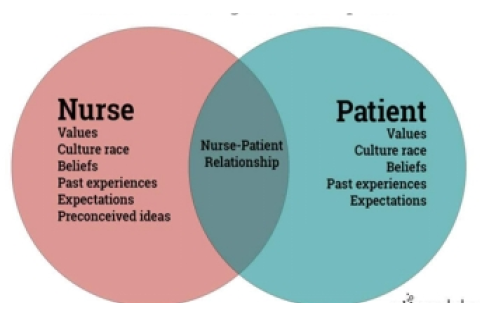
Figure 1: Peplau’s Theory of Interpersonal Relationships [16]
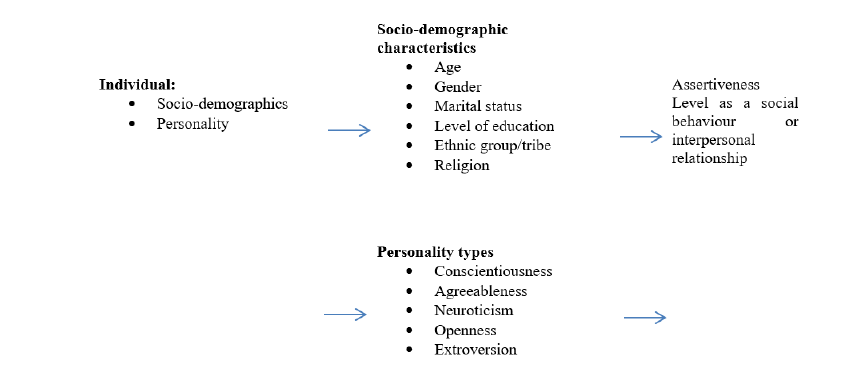
Figure 2: The Conceptual Framework
The assumptions and major concepts of Peplau’s Theory include the nurse and client can interact, both the client and nurse mature as a result of the therapeutic interaction, communication and interviewing skills remain fundamental nursing tools and nurses must clearly understand themselves to promote their clients’ growth and avoiding limiting client’s choices to those that nurses values.
As a nurse theorist, she identified four major concepts namely: man, health, environment and nursing. To her, nursing is a significant therapeutic, interpersonal process in which human relationship between an individual who is sick or in need of health services and a nurse specially educated to recognise and to respond to the need for help. This she calls a therapeutic nurse-client relationship, described in four phases: identification, identification, exploitation and resolution. In this process, Peplau discusses factors necessary this therapeutic relationship to occur, as shown in Figure 1.
The Figure 1 shows where the nurse and patient interface, that is, the nurse-patient relationship. This intersect requires that the nurse exhibits behaviours that are therapeutic. Assertive behaviours are critical at this phase to facilitate effective nursing care. Such assertiveness requires interplay between the characteristics of the nurse such as the age, gender, level of training, culture and personality make of the nursing students; hence the adoption of this theory for this study. Peplau’s theory addresses two fundamental concepts in interpersonal relations relevant to this study on assertiveness, itself a relational concept. These are nurse-patient (nurse-person) relationship and holistic communication. Both are key concepts in assertiveness (assertive behaviour). Interpersonal relationships involving nurse-person relation and assertive communication are determined by many factors such as personality of the individuals and the social and demographic factors in the interacting individuals. According to Peplau, these factors can be described as values, culture/race, beliefs, past experiences, expectations and preconceived ideas. These therefore could predict the level of assertiveness that can possibly be exhibited in any interpersonal relations, as intended to be learnt by nursing students during their training (Figure 2).
From Figure 2, it can be shown that individual characteristics namely the socio-demographic characteristics
Table 1: Study Population of Nursing Students in Kwara State, Nigeria
SN
Institution
Population
Sample size
1
Nursing Dept., Unilorin
367
165
2
UITH SON
202
79
3
CONM, Ilorin
553**
93
4
CONM, Oke Ode
527
117
Total
1, 649
454
*Based on Fisher’s formula, **Most of the students were on break during the period of the data collection
and personality types are major determinants in any interpersonal interaction including nurse-client (person) relationship and (therapeutic) communication. Assertiveness as a social intercourse entails these variables which will be examined in this study. From this framework, the relationship between socio-demographic characteristics and personality type with assertive behaviours is summarized as shown in the Figure 2.
MATERIALS AND METHODS
Research Design
This study adopted a quantitative design, using descriptive cross sectional and comparative approach to assess the levels of assertiveness among nursing students in University and Basic Schools/College of Nursing. The study also investigated socio-demographic variables of the students and their personality types as possible predictors of assertiveness in the four basic/undergraduate nursing institutions in Kwara State. This formed the two categories of training that involved in the study for comparative analysis.
Research Settings
The study was carried out in Kwara State, Nigeria, where there are four institutions for the training of general nurses. Kwara State is located north-central Nigeria, bounded by Niger and Kogi States to the north, Ekiti to the East and Osun and Oyo States in the south. The State has several institutions of higher learning including University of Ilorin, Ilorin, the Federal Polytechnic, Offa, Kwara State Polytechnic, Ilorin, Kwara State College of Education, Kwara State College of Nursing and Midwifery, College of Health Technology, among others. There are also healthcare institutions at tertiary, secondary and primary care levels where nurses and other healthcare professionals work as members of health team.
Some of the institutions are involved in the training of nurses at the undergraduate, basic and post-basic levels. Among those training undergraduate and basic levels of nursing students are the University of Ilorin, University of Ilorin Teaching Hospital and Kwara State College of Nursing and Midwifery, Ilorin and Oke Ode. These institutions make up the study setting.
Department of Nursing University of Ilorin, Ilorin, Kwara State
University of Ilorin is located at University road, Tanke Ilorin Kwara state. The University was established in August 1975. The University is a public type of educational system with an urban campus. It is made up of 15 faculties and 122 departments with over 500 administrative staff, about 50,000 students. The Department of Nursing Sciences in located within the College of Health Sciences, Faculty of Clinical Sciences. The Department has a total of 367 students across the levels (100-500).
School of Nursing, University of Ilorin Teaching Hospital, Ilorin
The School of Nursing, University of Ilorin Teaching Hospital, Ilorin is owned and operated by the University Teaching Hospital. It is therefore a Federal Institution. This hospital is a second generation Teaching Hospital in Nigeria established by Law on the 2nd May 1980. It is located at Oke-Ose, Ilorin East Local Government Area. The hospital officially started moving to its permanent site in May 2007. The complete movement took place in April 2010. There are several clinical and training departments at the hospital including the School of Nursing complex located at Amilegbe. As at the time of this study, the school had a total of 202 nursing students in the three levels (Years 1-3) of the school.
Colleges of Nursing and Midwifery, Ilorin and Oke Ode
These schools are owned by the Kwara State Government under the Ministry of Health. The Schools of Nursing at both Ilorin and Oke-Ode are independent institutions with each having its own Provost as a College and Directors at the school level. As at the time of this study, the school at Ilorin had 553 students while Oke-Ode has 527.
Study Population, Sample size and Sampling Technique
All the nursing students in the four institutions were used. A total of 1, 649 students made up the population (see Table 1).
Sample Size Determination
The sample size was determined using the Fisher’s formula. The sample size was determined by using the Fisher's formula:
Where,
z: Test Statics (1.96) at 95 confidence interval
p: True proportion of Factor in the population or expected frequency value (0.5)
q: 1-0.5
d: Maximum difference between sample or value of x = 0.05
N: Total Population = 1,649
Substituting:
Therefore,
Although 334 were calculated to be representative, a total of 454 were used to make the findings more generalizable to the study population. Based on this, the target and sample populations are shown in Table 1.
Selection Criteria
Criteria for selection will be as follows:
Inclusion Criteria
All willing and accessible nursing students in the selected schools in Kwara State
All nursing students are neither registered nurses/registered midwives
Exclusion Criteria
All nursing students who are already registered with Nursing and midwifery Council of Nigeria or any other Nursing Board
Those unwilling to participate in the study
A stratified proportionate random sampling was used to select the study participants. A combination of purposive and proportionate stratified sampling methods was used to select the Schools and respondents. This involved the following: Kwara State and the four schools training nursing students at the basic and undergraduate levels will be selected purposively. These institutions are the only health training institutions engaged in the training of nursing students at that level.
Stage 1: The sample size of each school was calculated and assigned proportionately (see Table 1)
Stage 2: Having determined the population of nursing in each school/department, the schools was stratified based on their level of training (from 100 – 500L in the department of nursing sciences and more than six months – Year III at the schools of nursing)
Stage 3: From each level of training, a proportionate number of respondents was selected by simple random sampling (lottery – deep and pick) method by students in the classes. The study instrument was administered to the selected students
Instruments for data Collection
The tool for this study was a questionnaire divided to three parts:
Section A was made up of the socio-demographic profile of the respondents: the school, level of training, age, gender, ethnic group, marital status and religious affiliation
Section B was on personality types measured using the Big 5 Personality Inventory [13]. It is a 44-item scale for measuring the five personality types: extroversion (E), agreeableness (A), conscientiousness (C), neuroticism (N) and openness (O)
Section C focused on the measurement of assertiveness using the Assertiveness Formative Questionnaire, a 20-item scale used for students’ level of assertiveness by Gaummer-Erickson, Noonan, Monroe and McCall [11]
The validity and reliability of the instrument: the validity was assessed by peers who help to proofread this proposal before final submission to supervisors, who ascertained the face and content validities of the instrument. This instrument was pretested and the reliability coefficients were established. Sections B which was on personality types had a Cronbach reliability coefficient of 0.891 while and Section C with 0.733. These reliability values were similar to those found in the tools used in other studies [1,13].
Procedure of Data Collection
Data collection was collected by personal contact to increase response rate, after the ethical approval process. The researcher undertook familiarization/sensitization visits to the four selected schools prior to actual data collection to interface with the heads of the schools as ‘gatekeepers’. Four research assistants were engaged, one from each of the selected institutions. A session was held with the research assistants by the researcher to review the questionnaire and explanation were provided on every section of the instrument to ensure full understanding of the content and process of facilitating smooth data collection from the schools. Because the questionnaire was administered hand to hand, retrieval is optimal; all the questionnaires administered were returned and properly completed (response rate was 100.0%).
Method of Data Analysis
Data collected were edited and then coded. These were entered into a Microsoft Excel Spreadsheet and then loaded onto the SPSS version 25 (IBM) for analysis. Both descriptive and inferential statistics employed to answer research questions and to test hypotheses: Relative measures (percentages and averages based on adopted tools) were used to determine assertiveness levels and personality types. Chi-square Test was used to find relationship between the level of assertiveness and socio-demographic characteristics and to compare the assertiveness levels between students in the University and those in Schools of Nursing. Spearman coefficient (ANOVA) p-values (set 0.05) was used to determine predictors of assertive behaviours among nursing students in Kwara State.
Measurements
Assertiveness Scale: Items were rated from 1 to 5 on Likert scale. Questions stated in negative forms were reversed (5 to 1). Out the 20 items, statements 3, 5, 6 ,7, 8 and 15 were marked N and scores reversed. The mean of 3 and above represent assertive behaviour. Further, 3 – 3.9 was rated lowly assertive while 4.0 – 5.0 was rated highly assertive
Personality Scale: The marks (X) that best describes the individual were counted; the highest number was taken as the predominant personality type of the five factors of personality: conscientiousness, agreeableness, neuroticism, openness and extroversion
Ethical Consideration
An Ethical clearance was obtained from Babcock University Health Research Ethics Committee (BUHREC) with number NHREC/240/01/2020 BUHREC 291/21 dated 26th July 2021. A Letter of Introduction from the School of Nursing, Babcock University was used to arrange pre-field visits to the institutions for permission and familiarization with the four institutions selected for the study. Each of selected institutions was also grant permission through their respective Institutional Review Boards (IRBs) or Health Research Ethic Committees (HRECs). Informed consents were obtained from the participants before actual commencement the study.
RESULTS
Analysis of Socio-demographic characteristic of Study Participants
The 454 nursing students who participated in this study displayed the following socio-demographic variables. As shown in Table 2, the socio-demographic characteristics of the nursing students in Kwara State indicate that out of the 454 study participants, 165 (36.3%) of them are University nursing students from the Department of Nursing, University of Ilorin, while the rest (63.7%) are from three School/Colleges of Nursing (including University of Ilorin Teaching, Kwara State Colleges of Nursing at Ilorin and Oke-Ode respectively).
The Table 2, shows that respondents were predominantly young (86.1%) aged 24 years and below, female (84.6%), unmarried (95.2%) and Yoruba (89.2%). Other ethnic groups include Idoma (n = 6; 1.3%), Baruba (n = 6; 1.3%) and Hausa (n = 4; 0.9%). There were more Christians (54.8%) respondents than Muslims (45.2%).
Table 2: Socio-Demographic Characteristics of the Study Participants
SN
Variables
Frequency
Percentage
1
*School
Unilorin
165
36.3
UITHSON
79
17.4
CON Ilorin
93
20.5
CON Oke-Ode
117
25.8
Total
454
100.0
2
Level of training
Year1
63
13.9
Year2
106
23.3
Year3
120
26.4
100L
28
6.2
200L
35
7.7
300L
34
7.5
400L
28
6.2
500L
40
8.8
Total
454
100.0
3
Age
15-19 Years
88
19.4
20-24Years
303
66.7
25-29 Years
58
12.8
30-34 Years
4
.9
35+ Years
1
.2
Total
454
100.0
4
Gender
Female
384
84.6
Male
70
15.4
Total
454
100.0
5
Marital status
Never married
432
95.2
Married
22
4.8
Total
454
100.0
6
Ethnic group
Yoruba
405
89.2
Igbo
14
3.1
Ebira
10
2.2
Nupe
9
2.0
Others
16
3.5
Total
454
100.0
7
Religion
Christianity
249
54.8
Islam
205
45.2
Total
454
100.0
Unilorin: Department of Nursing Sciences, University of Ilorin, ITHSON: School of Nursing, University of Ilorin Teaching Hospital, Ilorin, CON Ilorin: Kwara State College of Nursing, Ilorin, CON Oke-Ode: Kwara State College of Nursing, Oke-Ode
Source: Field study, 2021
From the data presented above, the study participants rightly meet the young, unmarried formative groupings associated with nursing students who need to be assessed for various behavioural abilities early in training to be become professional nurses. The gender disproportion in favour of females is also a predominant phenomenon in nursing profession, as previously studied both in Nigeria and elsewhere. In addition, the predominance of the Yoruba ethnic extraction is explainable by the fact that the study setting is a Yoruba speaking environment.
Level of Assertiveness Among Nursing Students
The analysis of the 20-item formative assertiveness questionnaire completed by the students, based on the calculated mean of 3 and above assertiveness and less than 3.0 was rated non-assertiveness. The level of assertiveness therefore ranges from 3.0 to 5.0 while non-assertiveness is 2.9 and less. The assertiveness was further categorized as follows: 3.0–3.9 was rated low assertiveness and 4.0–5.0 as highly assertive.
Table 3: Assertiveness Level of Nursing Students
Level of assertiveness
Frequency
%
Mean
Non assertive
103
22.7
0 – 2.9±2.51
Lowly assertive
294
64.8
3 – 3.9±3.51
Highly assertive
57
12.5
4 – 5±2.78
Total
454
100.0
Source: Field study, 2021
The assertiveness levels of the participants therefore are presented and fell into three categories. Table 3 shows the level of assertiveness of the nursing students. Majority (n = 351; 77.3%) of the students are generally assertive, out of which 294 (64.8%) had low assertiveness while 57 (12.5%) are highly assertive. Overall 22.7% expressed non-assertive behaviour.
Comparing Assertiveness Levels of the Students in University-Based Training with Those of the Hospital-Based Programmes
From Table 4, it is shown that more (24.9%) students in the hospital-based nursing training are non-assertive than the university based students. They however have similar scores for highly assertive behaviours (12.5% and 12.7% respectively) but with slight differences for the lowly assertive category. However, these differences are not statistically significant (p-value = 0.367).
The Personality Types of Nursing Students in Kwara State, Nigeria
The personality types of the nursing students are presented in Table 5. It shows that the predominant personality types are openness (48.5%) and the least being extroversion (9.5%). Conscientiousness and agreeableness are 15.4% and 16.1% respectively while neuroticism constitutes 10.6%.
Testing of Hypotheses
Hypothesis I (HO): Socio-demographic characteristics do not predict the levels of assertiveness among nursing students. This study has found that socio-demographic characteristics are not good predictors of assertiveness (Table 6)
Hypothesis II (HO): Personality types of nursing students do not significantly predict their levels of assertiveness. Table 7 shows that personality a very strong predictor of level of assertiveness, indicating also a strong relationship (p-value = 0.000) between the two variables. The table further indicates that neuroticism correlates significantly with non-assertiveness (89.6% while extroversion is at clear variance with non-assertiveness (0.5%). Furthermore, neuroticism is completely absent (0.0%) for highly assertive individuals (see Table 7). This is also statistically established by a regression analysis as shown in Table 7. From Table 7, assertiveness level is perfect predicted by personality types (p-value = 0.000). In addition, assertiveness levels are predicted by the other personality types in the following descending order: openness (75.5%), conscientiousness (74.3%), extroversion (67.8%) and agreeableness (57.6%).
Table 4: Assertiveness Level of University and Hospital-based Nursing Students
Training place
Assertiveness Level
Total (%)
Chi-square
Nonassertive (%)
Lowly assertive (%)
Highly assertive (%)
University-based
31 (18.8)
113 (68.5)
21 (12.7)
165 (100.0)
0.367
Hospital-based
72 (24.9)
181 (62.6)
36 (12.5)
289 (100.0)
-
Total
103 (22.7)
294 (64.8)
57 (12.6)
454 (100.0)
-
Source: Field study, 2021
Table 5: Personality types of Nursing Students in Kwara State
Personality type
Frequency
Percentage
Conscientiousness
70
15.4
Agreeableness
73
16.1
Neuroticism
48
10.6
Openness
220
48.5
Extroversion
43
9.5
Total
454
100.0
Source: Field study, 2021
Table 6: Socio-Demographic Characteristics do not Predict the Levels of Assertiveness Among Nursing Students
SN
Socio-demographic characteristics
Chi-sq
t
Sig.
1
School
0.127
2.100
0.036
2
Level
0.100
2.733
0.007
3
Age
0.069
1.330
0.184
4
Gender
.0.594
0.059
0.953
5
Marital status
0.044
0.466
0.641
6
Tribe
0.103
-0.061
0.952
7
Religion
0.127
-1.331
184
Source: Regression analysis (ANOVA)
Table 7: Assertiveness Level and The Personality Types of the Nursing Students
Personality types
Assertiveness Level
Total
Chi-sq
Regression t
Non-assertiveness (%)
Low assertiveness (%)
High assertiveness (%)
Conscientiousness
Agreeableness
Neuroticism
Openness
Extroversion
10 (14.3)
52 (74.3)
8 (11.4)
70 (100.0)
0.000
0.001
22 (30.1)
42 (57.6)
9 (12.3)
73 (100.0)
43 (89.6)
5 (11.4)
0 (0.0)
48 (100.0)
26 (11.8)
166 (75.5)
28 (12.7)
220 (100.0)
2 (0.5)
29 (67.4)
12 (27.9)
43 (100.0)
Total
103 (22.7)
294 (64.8)
57 (12.6)
454 (100.0)
Source: Regression analysis (ANOVA)
DISCUSSION
Nursing Students Socio-Demographic Characteristics
From the data presented above, the study participants rightly meet the young, unmarried formative groupings associated with nursing students who need to be assessed for various behavioural abilities early in training to be become professional nurses. The gender disproportion in favour of females is also a predominant phenomenon in nursing profession, as previously studied both in Nigeria and elsewhere. In addition, the predominance of the Yoruba ethnic extraction is explainable by the fact that the study setting is a Yoruba speaking environment.
Level of Assertiveness Among Nursing Students
The findings of this study on the level of assertiveness have indicated that majority of the nursing students reported assertive behaviours (76.3%). Level of assertiveness among nursing students in Kwara State is relatively high (76.3%), compared to previous studies. Several studies conducted on professional nurses have pointed otherwise. Similarly, a study by Okuyama, Wagner and Bijnen, [6], among nursing students reported low assertiveness level. Recently, low level of assertiveness found among nurses have been reported to have improved significantly in a study by Nakamura, et al [14], who used a brief assertiveness tool in a single-group of nurse in Japan. This finding of low assertiveness got improved with the training intervention. In India, over 70% non-assertiveness was found in one.
Assertiveness Levels of the Students in University-Based Training Compared with Those of the Hospital-Based Programmes
Similar to the findings on the relationship between the socio-demographic variables and assertiveness levels, university based nursing students apparently show a slight higher level of assertiveness than those in hospital based institutions. This is similar to findings by Sitota showed that university based students reported higher levels of assertiveness than other levels. This is however contrary to the findings of the present. The need to teach assertiveness to undergraduate nursing students had been recommended long time ago [15]. It has been recommended that assertiveness training as an educational preparation during undergraduate programmes should be incorporated into overall training. Nurse educators are also reported to have an important role in the development and implementation of assertiveness training/education programmes for undergraduate nursing students. Suggesting role-play for the experiential teaching of communication/interpersonal skills in general, a 3-hour assertiveness workshop devised for undergraduate nursing students have been found to be impactful.
On gender and assertiveness, Oladipo et al. demonstrated no significant relationship between need achievement and assertiveness among male students. However, Eskin had previously stated that the level of assertiveness increased with an increase in the students’ age, but this relationship was significant only in boys but not in females. Thus, it is difficult to take stand as regard to sex difference in assertiveness among adolescents.
With regard to the relationship between academic achievement and assertiveness, Moon finding that assertive students achieve more in their academic performance at secondary school was not tested in this study. Compare to assertive persons, an unassertive person shows a lack of self-respect, also displays some lack of confidence in others capacity to deal with frustration, responsibility, etc. Ultimately, they hope to appease others and avoid conflict which finally hamper their day to day lives in general and academic life in particular.
Personality Types of Nursing Students
The study reveals that the predominant personality types is openness (48.5%); the least being extroversion (9.5%). Conscientiousness and agreeableness are 15.4% and 16.1% respectively while neuroticism constitutes 10.6%. This study finding on personality types is predominantly openness, compared to other studies indicating nursing students being more of agreeableness and conscientiousness [2]. The personality type is an important factor in nursing and this needs to be investigated further on the possible impact of specific personality types that may fit in the nursing practice. Some like the neurotic types would need additional assertiveness training on regular basis to be assertive in this relational profession, as suggested by Peplau [16].
Hypothesis I (HO): Socio-demographic characteristics do not predict the levels of assertiveness among nursing students
This study has found that socio-demographic characteristics are not good predictors of assertiveness. Few studies presented similar but isolated results. For example, Oladipo et al. reported demonstrated no significant relationship between need achievement and assertiveness among male students. Similarly, Eskin had previously stated that the level of assertiveness increased with an increase in the students’ age, but this relationship was significant only in boys but not in females. Thus, sex difference in assertiveness among adolescents is not also a good predictor. In addition, Amicone and Miller, reported age as a poor predictors of assertiveness.
However, other studies seem to show contrary reports to those of this study: for example, Binuja [4], found a significant relationship between assertiveness and age, marital status, years of experience and employment. Other variables such as educational achievement, a sense of responsibility of patients, manager’s leadership qualities, organizational outline and relationship between colleagues, have been found as key factors in nurses’ assertiveness [8]. Amicone and Miller, reported gender, age, level of education, job position, self-esteem and practice area such as midwifery were also found to be predictors of levels of assertiveness. Gender relational with professional communication was also examined by Kim and Kim [17], where they found a significance association between the image created thorufh interaction of nursing students and professional preparation.
Hypothesis II (HO): Personality types of nursing students do not significantly predict their levels of assertiveness
Only few previous studies examined personality in relation to assertiveness; there are however studies on the association between assertiveness and self-esteem. In a recent study by Binuja [4], in India, on the assertiveness and self-esteem of nurses in a sample of 135 nurses from selected hospitals, he found a moderately positive relation between level of esteem and level of assertiveness. Five years earlier, Townsend [3], had also described assertive individuals as those whose personalities ensure standing up for their own rights while protecting the rights of others, express their feelings openly and honestly and in a calm and positive way. And much earlier than Townsend’s assertion, Moon stated that assertive behaviour are associated with in different personalities. It is therefore obvious that personality is established as a very strong predictor of assertive behaviours over the years, as further supported by this present study.
With regard to the relationship between personality and assertiveness, Moon finding reported that, compared to assertive persons, an unassertive person shows a lack of self-respect, also displays some lack of confidence in others capacity to deal with frustration, responsibility, etc. Ultimately, they hope to appease others and avoid conflict which finally hamper their day to day lives in general and academic life in particular. This typically describes some types (for example neuroticism, agreeableness) of the Big 5-Factor inventory used for this study. Non-assertive individuals as also found in this study are mostly neurotic personality.
Self-esteem has been related to personality. Many studies have reported that self-esteem and assertiveness of the students who are about to finish the undergraduate programme increase [18-21]. Meanwhile some controversial studies have shown contrasting views that the levels of assertiveness and self-esteem are higher at the onset of the nursing programme and decline in the following years are also notable in the literature [22]. However, Bulut, Çalık, Erdöl and Yılmaz [23], in their study, found no significant difference in assertiveness and self-esteem scores according to the grades of the students, as the class level increased, the scores of assertiveness and self-esteem decreased. As nursing education is a repressive and stressful experience, it is thought that it affects the self-esteem and assertiveness levels of the students negatively and as the class level increases, the self-esteem and assertiveness scores decrease. A study on pharmaceutical students indicated that personality traits can affect assertive behavior and professionalism as well [24].
Another study, found a difference between the level of family income and self-esteem (p <0.05) and it was determined that the students with income reported higher self-esteem than the other income groups. In some similar studies, while there were no statistically significant outcomes between the students' income and the mean self-esteem scores [25], it was reported to find a significant relation by Çam, Khorshid, and Özsoy [26], Dinçer and Öztunç [20], Uzuntarla et al. [27]. It was determined that the self-esteem of the students who willingly selected and loved their profession was significantly higher than the others and this difference was statistically significant (p <0.05). Küçük et al. [28], reported that the assertiveness scores were higher in those who preferred the profession in the first place. In their study of pharmacy students and personality, Jensen, M., et al., [24], also found personality as strong predictor of professional choice. The study is another significant area to explore among nursing studying in assessing the personality types that fit the choice of nursing as caring profession.
Implications of Findings for Nursing
Findings provided information on the level of assertiveness of nursing students that can be used by institutions to guide curriculum planning for nursing education. Nurse educators, preceptors and administrators who receive new students, newly qualified nurses and interns into the practice environment may use these findings in the orientation and socialization processes of such entrants into the nursing profession. Nurse researchers should find these as a call to interrogate these issues further especially with the dearth of evidence in this area in Nigeria prior to this study.
CONCLUSION
Most nursing students in the study are comparatively assertive, although majority hae low level of assertiveness. The few students being non-assertive reportedly scored high neurotic personalities. Openness is the predominant personality type found in this study with a good number extrovert, conscientious and agreeable. Only few are neurotic. Personality types are found to very strong predictors of assertiveness and neurotic individuals are found to be generally nonassertive while extroversion is completely incompatible with non-assertiveness. Socio-demographic characteristics have been found to be poor predictors of assertiveness in this present study, contrary to some other studies. However, there is a slight difference in assertiveness level between student nurses, being higher among those in the university setting compared to those in hospital based training institutions; those in university have higher assertive preponderance.
Recommendations
Based on the findings of this study, the following recommendations are made:
The few non-assertive individuals and the mostly low assertive level seen requires that assertiveness training is important for nursing students in Kwara State
There is need to include assertiveness training in the curriculum as a specific training module
A pre-entry assertiveness screening for prospective nursing students will also be necessary to guide the preparation of professional nursing personnel
Similarly, personality assessment should be made part of the routine investigations carried out on prospective nurses
Personality modification where necessary should also form part of the overall nursing training
Limitations of The Study
This study is narrow in scope being limited to Kwara State only. This makes generalisation to other States difficult. Although the findings give a general picture in Kwara state, the findings may not be generlisable to wider Nigerian population of nursing students, but it is a pointer to further interrogation
Another limitation is on assertiveness scale used; it is not able to categorise passive, assertive and aggressive behaviours which are usually on a continuum of assertiveness. The passive–assertive–aggressive scale called Modified self-assessment questionnaire would have fitted more in assessing registered nurses since assertiveness is said to be understood and whether individuals are aggressive, assertive or passive. This linear categorization is more fitting for established professionals. The formative questionnaire used here in this study focuses on adolescents in training, hence its selection over passive-assertive-aggressive tool.
Despite these limitations, the involvement of all nursing students as the target population makes the findings of this study generalizable to nursing students in Kwara State especially with relatively increased sample size. The use of standard tools for making the variables (personality and assertiveness) increased the reliability of the measurements.
Suggestions for Further Studies
In view of the limitations of this study highlighted, the following suggestions are made:
An expanded study in Nigeria is necessary
A variety of assertiveness and personality scales should be used in such expanded studies
REFERENCES
Gaummer-Erickson, A.S. and P.M. Noonan. “Assertiveness formative questionnaire.”The Skills That Matter: Teaching Interpersonal and Intrapersonal Competencies in Any Classroom, Corwin, 2018, pp. 181–182.
Mushtaq, B. “Assertiveness in nursing.” COJ Nursing and Healthcare, vol. 3, no. 3, 2018, pp. 272–274.
Townsend, M. Mental Health and Psychiatric Nursing. 10th ed., Pearson Publications, 2015.
Binuja, P. “Assertiveness and self-esteem of nurses.” Asian Journal of Nursing, vol. 10, no. 2, 2020, pp. 60–162. https://doi.org/10.5958/2349-2996.00035.X.
Omura, M. et al. “Effectiveness of assertive communication training programs for health professionals and students: A systematic review protocol.” JBI Database of Systematic Reviews and Implementation Reports, The Joanna Briggs Institute, 2016, pp. 64–71.
Okuyama, A. et al. “How we can enhance nurses’ assertiveness: A literature review.” Journal of Nursing Care, vol. 3, 2014, p. 194. https://doi.org/10.4172/2167-1168.1000194.
Yousef, H.R. and A.A. El-Houfey. “Compatibility of personality traits with the profession for faculty of nursing students at Assiut university.” British Journal of Education, vol. 2, no. 3, 2014, pp. 44–56.
Brancato, V.C. “Improving nurse-physician collaboration: A health care imperative.” PA Nurse, vol. 60, no. 5, 2005, pp. 23–123.
Deltsidou, A. “Undergraduate nursing students’ level of assertiveness in Greece: A questionnaire survey.”Nurse Education in Practice, vol. 9, no. 5, 2009, pp. 322–330. https://doi.org/10.1016/j.nepr.2008.08.002.
Bouvard, M. et al. “Psychometric appraisal of the scale for interpersonal behavior (SIB) in France.” Behaviour Research and Therapy, vol. 37, no. 8, 1999, pp. 741–762.
Gaummer-Erickson, A.S. et al. “Assertiveness questionnaire.” University of Kansas, Center for Research on Learning, 2016.
Peplau, H.E. “The art and science of nursing: Similarities, differences and relations.” Nursing Science Quarterly, vol. 1, 1988, pp. 8–15. In George, J. (ed.), Nursing Theories: The Base for Professional Nursing Practice, Appleton and Lange, 1988.
McCrae, R.R. and P.T. Costa Jr. “A five-factor theory of personality.” Handbook of Personality: Theory and Research, edited by L.A. Pervin and O.P. John, Guilford Press, 1999.
Nakamura, Y. et al. “Development and evaluation of a modified brief assertiveness training for nurses in the workplace: A single-group feasibility study.” BMC Nursing, 2017. https://doi.org/10.1186/s12912-017-0224-4.
Timmis, F. and C. Mccabe. “How assertive are nurses in the workplace? A preliminary pilot study.” Journal of Nursing Management, vol. 13, 2005, pp. 61–67.
Miller, R. “Assertiveness in nursing students.” Spring, 2015, p. 157.
Deltsidou, A. “Undergraduate nursing students’ level of assertiveness in Greece: A questionnaire survey.” Nurse Education in Practice, vol. 9, no. 5, 2009, pp. 322–330. https://doi.org/10.1016/j.nepr.2008.08.002.
Kim, I. and J. Kim. “The relationship between nurse image and nursing professionalism according to nursing students’ gender.” Advanced Science and Technology Letters, vol. 32, 2016, pp. 30–36. https://doi.org/10.14257/astl.2016.132.06.
Begley, C.M. and M. Glacken. “Irish nursing students’ changing levels of assertiveness during their pre-registration programme.” Nurse Education Today, vol. 24, 2004, pp. 501–510.
Karadağ, G. et al. “Self-esteem at the gaziantep university health school of nursing students.” Journal of Fırat Health Services, vol. 3, no. 7, 2008, pp. 29–42.
Dinçer, U.H.F. and G. Öztunç. “Self-Esteem and assertiveness levels of nursing and midwifery students.” Journal of Hacettepe University Faculty of Nursing, vol. 16, no. 2, 2009, pp. 22–33.
Ekinci, M., Ş. Altun and G. Can. “Examination of the coping style with stress and the assertiveness of the nursing students in terms of some variables.” Journal of Psychiatric Nursing, vol. 4, no. 2, 2013, pp. 67–74.
Edwards, D. et al. “A longitudinal study of stress and self-esteem in student nurses.” Nurse Education Today, vol. 30, no. 1, 2010, pp. 78–84.
Bulut, H.K. et al. “Self-esteem and assertiveness levels of nursing students.” The European Proceedings of Social and Behavioural Sciences, Future Academy, 2018. ISSN: 2357-1330.
Kutlu, Y. “The efficiency of the assertive training for a group of student nurses.” Journal of Maltepe University Nursing Science and Art, vol. 2, no. 3, 2009, pp. 3–11.
Çam, O. et al. “An examination of the self-esteem levels of students in a nursing college.” Journal of Research in Nursing, vol. 1, no. 8, 2000, pp. 33–40.
Uzuntarla, Y. et al. “Analysis of university students’ assertiveness level.” TAF Preventive Medicine Bulletin, vol. 15, no. 2, 2016, pp. 98–104.
Küçük, L. et al. “Assertivity level of nursing students as a behaviour type.” Florence Nightingale Journal of Nursing, vol. 16, no. 62, 2008, pp. 90–96.
Recommended Articles
Research Article
Anti-SRP positive myositis following a SARS-CoV-2 vaccination
Josef Finsterer
Published: 30/05/2022
Download PDF
Research Article
Isolation and Molecular Characterization of Bacterial Pathogens Associated with Circumcision-Related Infections in Pediatric Patients
Ghanim A. Abbas
Published: 30/06/2025
Download PDF
Research Article
Quality of the Nursing Care Provided to Patients Diagnosed with Cerebrovascular Accident (CVA)
Qassim Jawell Odah Abed,
Hussein Abdulmohsin Dabis
Published: 30/03/2024
Download PDF
Research Article
Factors affecting pre hospital treatment delay in acute myocardial infarction patients
R. Jyoti Velmurugan,
Deepa Chugh
Published: 30/05/2022
Download PDF
PO Box 101, Nakuru
Kenya.
Email: office@iarconsortium.org
Editorial Office:
J.L Bhavan, Near Radison Blu Hotel,
Jalukbari, Guwahati-India
Anyebe, E., Aina, J., Nwozichi, C., Omoniyi, S., Leslie, T., Imam, A., Sanni, A. & Abaribe, C. (2022). Levels and Predictors of Assertiveness among Nursing Students in a North-central State in Nigeria: a descriptive, comparative Study. International Academic Journal of Advanced Practices in Nursing, 3(1), 1-11.
MLA
Anyebe, E.E., et al. "Levels and Predictors of Assertiveness among Nursing Students in a North-central State in Nigeria: a descriptive, comparative Study." International Academic Journal of Advanced Practices in Nursing 3.1 (2022): 1-11.
Chicago
Anyebe, E.E., J.O. Aina, C. Nwozichi, S.O. Omoniyi, T.A. Leslie, A.A. Imam, A.O. Sanni and C.E. Abaribe. "Levels and Predictors of Assertiveness among Nursing Students in a North-central State in Nigeria: a descriptive, comparative Study." International Academic Journal of Advanced Practices in Nursing 3, no. 1 (2022): 1-11.
Harvard
Anyebe, E., Aina, J., Nwozichi, C., Omoniyi, S., Leslie, T., Imam, A., Sanni, A. and Abaribe, C. (2022) 'Levels and Predictors of Assertiveness among Nursing Students in a North-central State in Nigeria: a descriptive, comparative Study' International Academic Journal of Advanced Practices in Nursing 3(1), pp. 1-11.
Vancouver
Anyebe E, Aina J, Nwozichi C, Omoniyi S, Leslie T, Imam A, Sanni A, Abaribe C. Levels and Predictors of Assertiveness among Nursing Students in a North-central State in Nigeria: a descriptive, comparative Study. International Academic Journal of Advanced Practices in Nursing. 2022 Jan;3(1):1-11.


 Download PDF
 Download XML