Histological and biochemical effect of Sodium beta hydroxy butyrate, Potassium hydroxyl buterat and Calcium beta hydroxy butyrate together to the tissue of liver of the rats
Raghad Jawad Salman
1
1
Department of Anatomy and Medical Biology, College of Medicine ,Wasit University ,Iraq
This study investigated the effects of a keto diet supplement for support body weight loss on liver function and compared the results to a normal diet group. The study found that exposure to Sodium beta hydroxy butyrate, Potassium hydroxyl buterat, and Calcium beta hydroxy butyrate together resulted in liver tissue alterations, including hydropic degeneration changes of hepatocytes, central vein congestion, and mild to moderate per portal lymphoplasmocytic infiltration. The study then compared the levels of albumin, alkaline, LDH, GOT, GPT, and cholesterol between the two groups of animals. The results showed that the keto supplement had a significant impact on the levels of albumin, alkaline, LDH, GPT, and cholesterol, while there was no significant difference in GOT levels. Specifically, the keto supplement appeared to have a negative impact on albumin and alkaline levels, indicating a potential impact on the liver's ability to maintain fluid balance and break down proteins efficiently. However, the keto supplement appeared to have a protective effect on liver function, as reflected in the lower levels of GPT in the supplement group. The keto supplement also appeared to have a beneficial effect on cholesterol levels, as reflected in the lower levels of cholesterol in the keto group. Overall, these results suggest that while the keto supplement may have some potential negative impacts on liver function, it also appears to have some protective and beneficial effects as well. Further research is needed to fully understand the effects of a keto supplement on liver function and overall health.
Keywords
Sodium beta hydroxy
Butyrate
Potassium hydroxyl
Calcium beta hydroxy
INTRODUCTION
Weight loss products have become increasingly popular as people strive to achieve their weight loss goals. One such product that has gained popularity is the ketogenic supplement. A ketogenic supplement, also known as a keto supplement, is a dietary supplement designed to support the body's transition into a state of ketosis. Ketosis is a metabolic state in which the body burns fat for energy instead of carbohydrates. This process is achieved through a low-carbohydrate, high-fat diet, and the use of keto supplements can help enhance the effects of this diet. Several studies have shown that a ketogenic diet and the use of keto supplements can lead to significant weight loss, reduced appetite, and improved metabolic health. However, it is essential to note that keto supplements should be used in conjunction with a balanced diet and exercise routine to achieve optimal results. It is also important to consult with a healthcare professional before starting any new supplement regimen.
Sodium beta hydroxy butyrate (NaBHB), potassium hydroxyl butyrate (KHB) and calcium beta hydroxy butyrate (CaBHB) are ketone bodies that are produced by the liver during fasting, starvation, or ketogenic diets. Ketone bodies are alternative energy sources for the brain and other tissues when glucose availability is low. They can also exert various metabolic and signaling effects that may have beneficial or detrimental consequences depending on the context [1].
The effects of NaBHB, KHB and CaBHB on the tissue of liver of rats have been investigated in several studies, with conflicting results. Some studies have reported that NaBHB, KHB and CaBHB can protect the liver from oxidative stress, inflammation, fibrosis, and apoptosis induced by various insults, such as carbon tetrachloride, ethanol, lipopolysaccharide, and ischemia-reperfusion injury [2]. These protective effects may be mediated by the activation of nuclear factor erythroid 2-related factor 2 (Nrf2), a transcription factor that regulates the expression of antioxidant and detoxifying enzymes, and the inhibition of nuclear factor kappa B (NF-κB), a transcription factor that regulates the expression of pro-inflammatory cytokines 3].
However, other studies have reported that NaBHB, KHB and CaBHB can induce liver damage, inflammation, and steatosis in rats fed with high-fat diets or exposed to high glucose concentrations. These deleterious effects may be mediated by the activation of peroxisome proliferator-activated receptor alpha (PPARα), a transcription factor that regulates the expression of genes involved in fatty acid oxidation and ketogenesis, and the inhibition of AMP-activated protein kinase (AMPK), a key regulator of cellular energy homeostasis [4].
Therefore, the effects of NaBHB, KHB and CaBHB on the tissue of liver of rats may depend on several factors, such as the dose, duration, and mode of administration, the nutritional status and metabolic state of the animals, and the type and severity of the liver injury [5]. . More studies are needed to elucidate the mechanisms and conditions under which NaBHB, KHB and CaBHB exert beneficial or detrimental effects on the liver.
MATERIALS AND METHODS
This study was carried out in the School of Medicine at Waist University from 10th of July to 15th of August of 2021. Animals were weighed weekly throughout the experiment, starting off at a weight of about 306.3 grams at the beginning of experiment and finishing with 331 grams. They were then sorted into two groups: keto supplement group and control group (N of 25 each group). We use an American keto supplement for weight loss for human and calculate dose for rat as following:
To estimate the appropriate dose of a keto supplement for rats weighing about 300 g is to use a simple conversion factor based on body weight. This method assumes that the dose in rats is proportional to the dose in humans on a weight-to-weight basis. To calculate the dose for a about 300 g rat, we converting the rat's weight from grams to kilograms:
300 g = 0.3 kg
Next, we use the human dose of 800 mg per 100 kg of body weight to calculate the equivalent dose for a 0.3 kg rat:
Dose (rat) = Dose (human) x (rat weight / human weight)
Dose (rat) = 800 mg x (0.3 kg / 100 kg) = 2.4 mg
Therefore, the appropriate dose of the keto supplement for a rat weighing about 300 g was approximately 2.4 mg.
The Biomedical ethics committee at the college of medicine /Wasit University approved the protocol for this study.
Tissue Collection
The liver tissue was obtained following 45 days of administering the keto supplement to the rats from both groups. To prepare the animals for a histopathological examination, they were anesthetized by chloroform inhalation and subsequently sacrificed through decapitation, which is a Ministerial-approved method for this species. The liver tissue was then collected and preserved in a container containing 10% formalin. The liver tissue slides were subjected to histological preparation, stained with Hematoxylin and Eosin, and examined using a light microscope.
Biochemical Analysis
In order to determine the serum levels of various biochemical parameters, a spectrophotometric technique was utilized, as described by Huang et al [6]. The procedure involved using spectrophotometry to determine the levels of certain hepatic function parameters in serum. The spectrophotometric procedure enables the rapid measurement of liver parameters using an enzyme activity analyzer with a short interval. The analyzer is essentially a spectrophotometer with multiple wavelengths. The test cuvette's modified absorbance was measured relative to water. The technique allowed for the precise determination of the initial velocity of the reaction, which was inversely proportional to the enzyme concentration. The method was used to determine enzyme activity in various materials, including rat serum [6].
Statistical Analysis
The analysis of the data in the present study was conducted using the built-in t-test in SPSS. The mean value ± standard deviation (SD) was used to illustrate any alterations in the data following the treatments. In case the p-value was less than 5%, the changes in the data were considered significant.
RESULTS
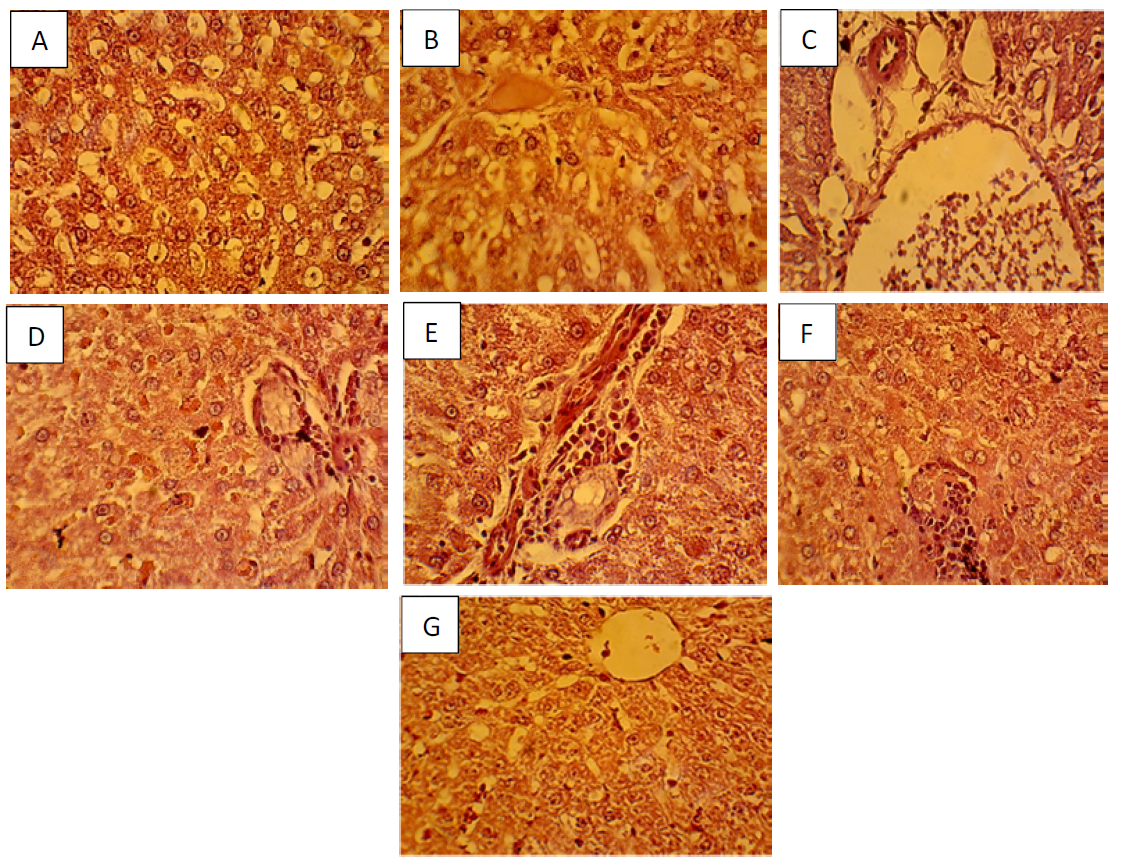
In current study after exposed of rats to Sodium beta hydroxy butyrate , Potassium hydroxyl buterat and Calcium beta hydroxy butyrate together showed there was alteration in tissue of liver include hydropic degeneration changes of hepatocytes (Figure 1: A and B) with central vein congestion (Figure 1: C) and mild to moderate per portal lymphoplasmocytic infiltration (Figure 1: D and E) also focal infiltration of plasmocyte in paryncaimal tissue of liver (Figure 1: F) compared to control rats in which have intact tissue of liver (Figure 1: G).
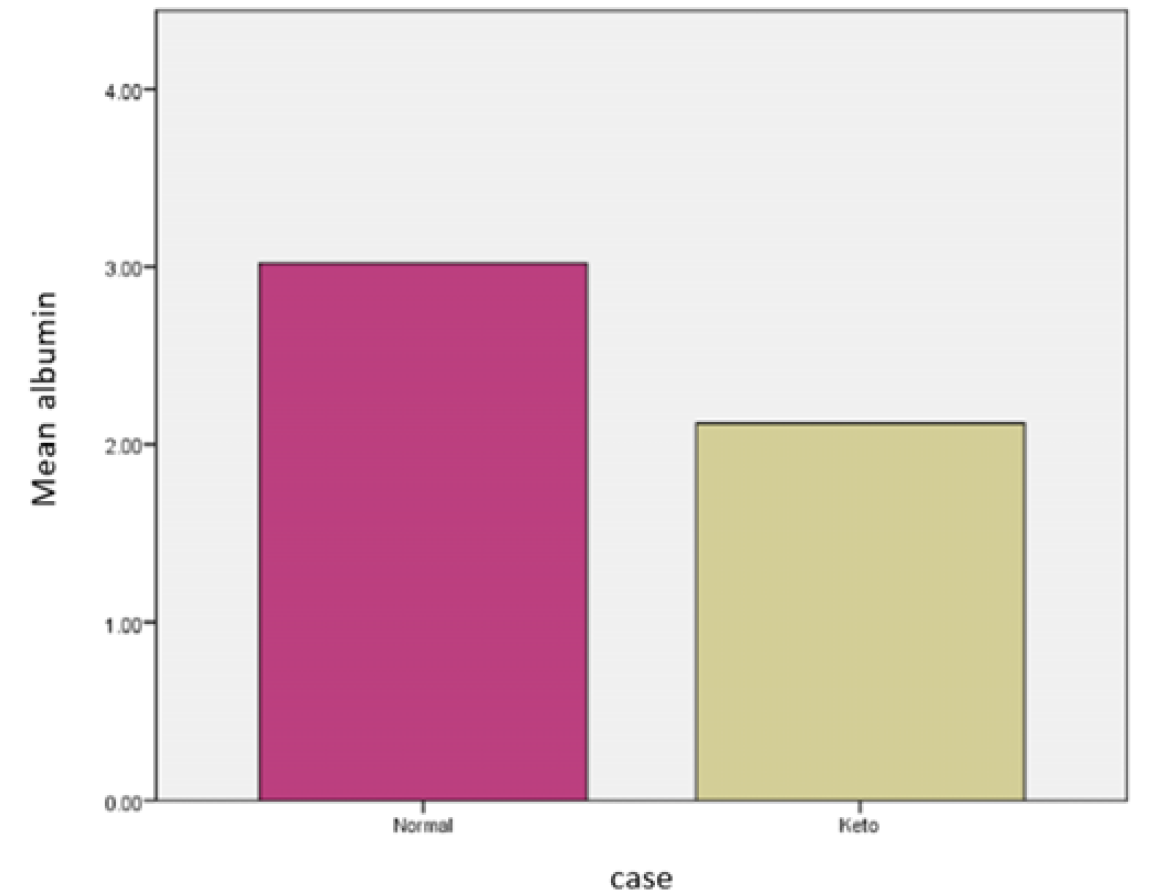
The levels of albumin, a protein produced by the liver, were compared between a group of animals on a keto supplement (keto group) and another group on a normal diet (normal group). The mean albumin level in the normal group was 3.0182, with a standard deviation of 0.19242, while in the keto group, the mean level was 2.1176 with a higher standard deviation of 0.36572 as shown in table 1 and figure 1. The p-value obtained from the t-test was 0.0001, which is lower than the accepted significance level of 0.05, indicating a statistically significant difference between the two groups as in table 2. These results suggest that the keto supplement may have an impact on the liver's ability to produce albumin, which is an essential protein for maintaining proper fluid balance in the body.
Figure 1: A and B: Show hydropic degeneration of hepatocytes in liver of rats (black arrow) and in (C) note central vein congestion (blue arrow) while in (D and E) show mild to moderate per portal lymphoplasmocytic infiltration (red arrow) and in(F) there are focal infiltration of plasmocyte in tissue of liver (short blue arrow) compared to control rats in which have intact tissue of liver (G).H&E 40X
Figure 2: show the level of albumin in normal and Keto group
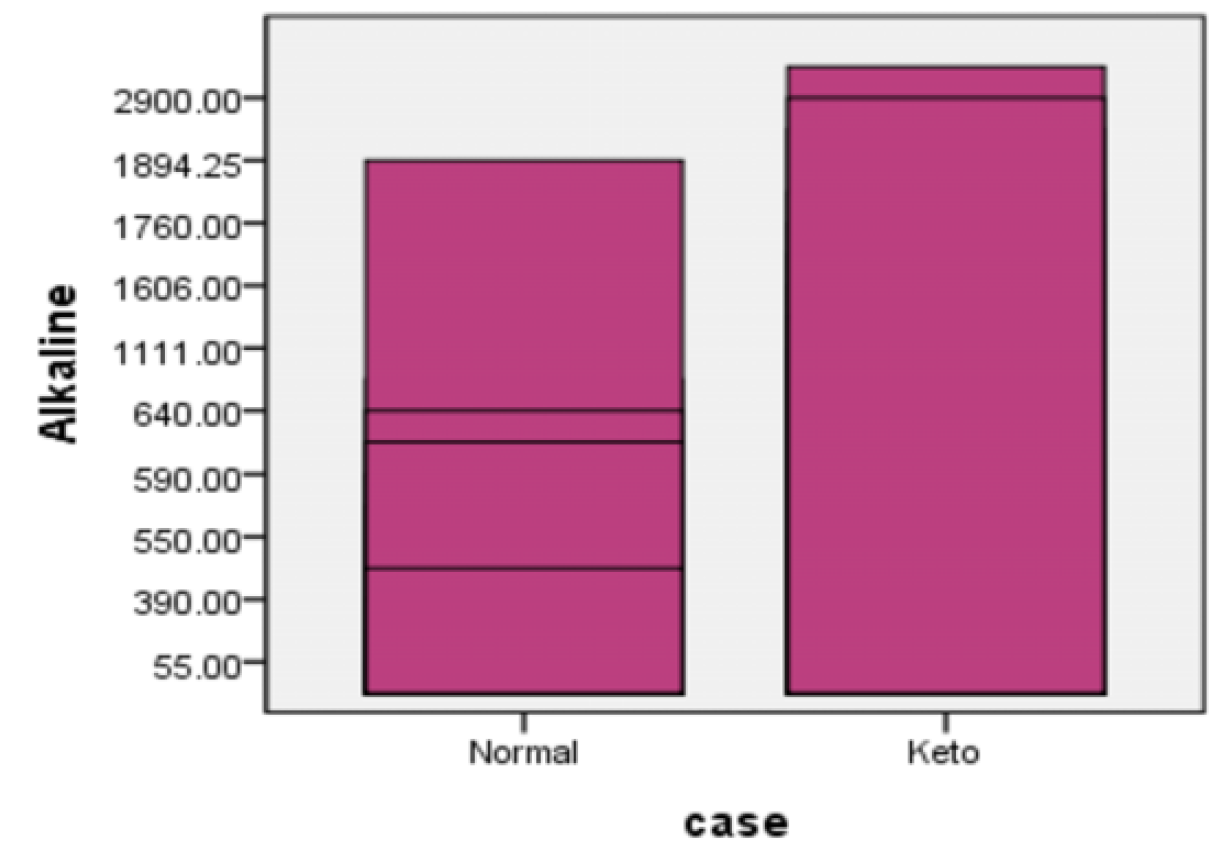
In this study, the levels of alkaline were also compared between the keto and normal groups of animals. Alkaline is an enzyme produced by the liver that helps to break down proteins. The mean level of alkaline in the normal group was 609.9, with a standard deviation of 487.50385, while in the keto group, the mean level was much higher at 1830.3, with a standard deviation of 747.76572 as shown in table 1 and figure 3. The p-value obtained from the t-test was 0.0001, which is below the significance level of 0.05, indicating a significant difference between the two groups as shown in table 2. These results suggest that the keto supplement may have an impact on the liver's ability to produce alkaline, which may affect the animal's ability to break down proteins efficiently.
Table 1: Comparison between Keto samples and normal animals
Group Statistics
case
N
Mean
Std. Deviation
Std. Error Mean
albumin
normal
25
3.0182
0.19242
0.06085
keto
25
2.1176
0.36572
0.11565
Alkaline
normal
25
609.9
487.50385
154.162
keto
25
1830.3
747.76572
236.464
LDH
normal
25
620.40
77.775
24.595
keto
25
1245.8
354.479
112.096
GOT
normal
25
65.9
14.47874
4.57858
keto
25
84.7
61.85977
19.561
GPT
normal
25
78.2
6.04335
1.91108
keto
25
54.2
33.20963
10.501
cholesterol
normal
25
141.8
13.927
4.404
keto
25
100.6
8.303
2.626
Figure 3: show the level of Alkaline in normal and Keto group
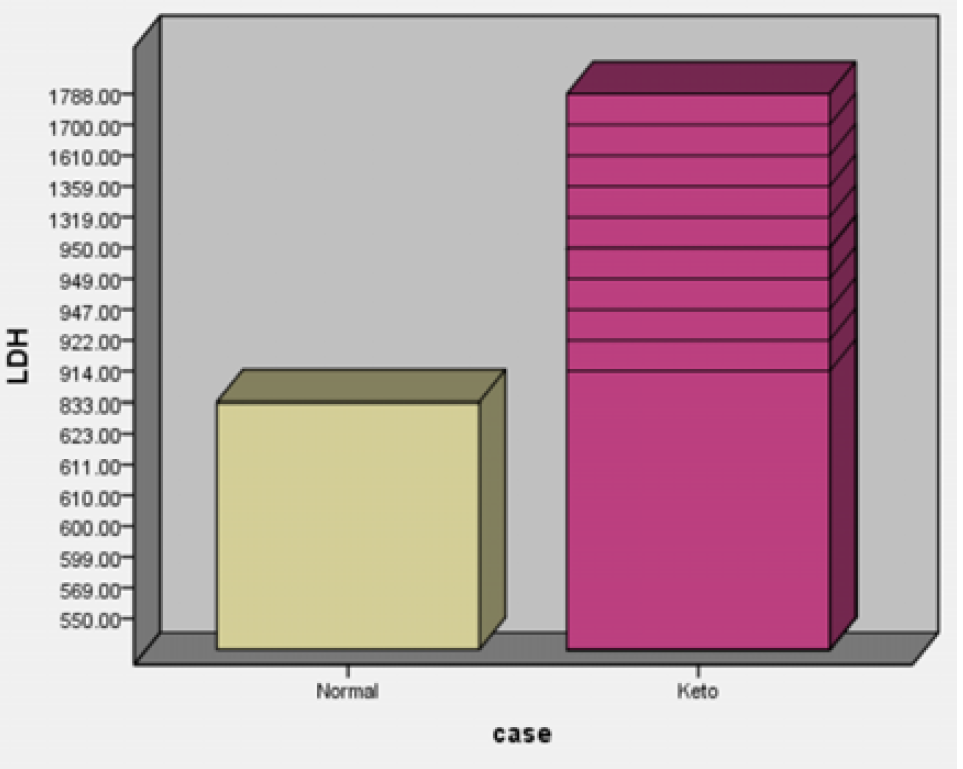
LDH is an enzyme that is found in almost all tissues in the body, including the liver. In this study, the levels of LDH were compared between the normal and keto groups of animals. Table 1 and figure 4 shows that the mean level of LDH in the normal group was 620.40, with a standard deviation of 77.775, while in the keto group, the mean level was much higher at 1245.8, with a standard deviation of 354.479. The p-value obtained from the t-test was 0.0001, indicating a statistically significant difference between the two groups as indicated in table 2. These results suggest that the keto supplement may have an impact on the liver's ability to produce LDH, which may be indicative of liver damage or injury.
Figure 4: show the level of LDH in normal and Keto group
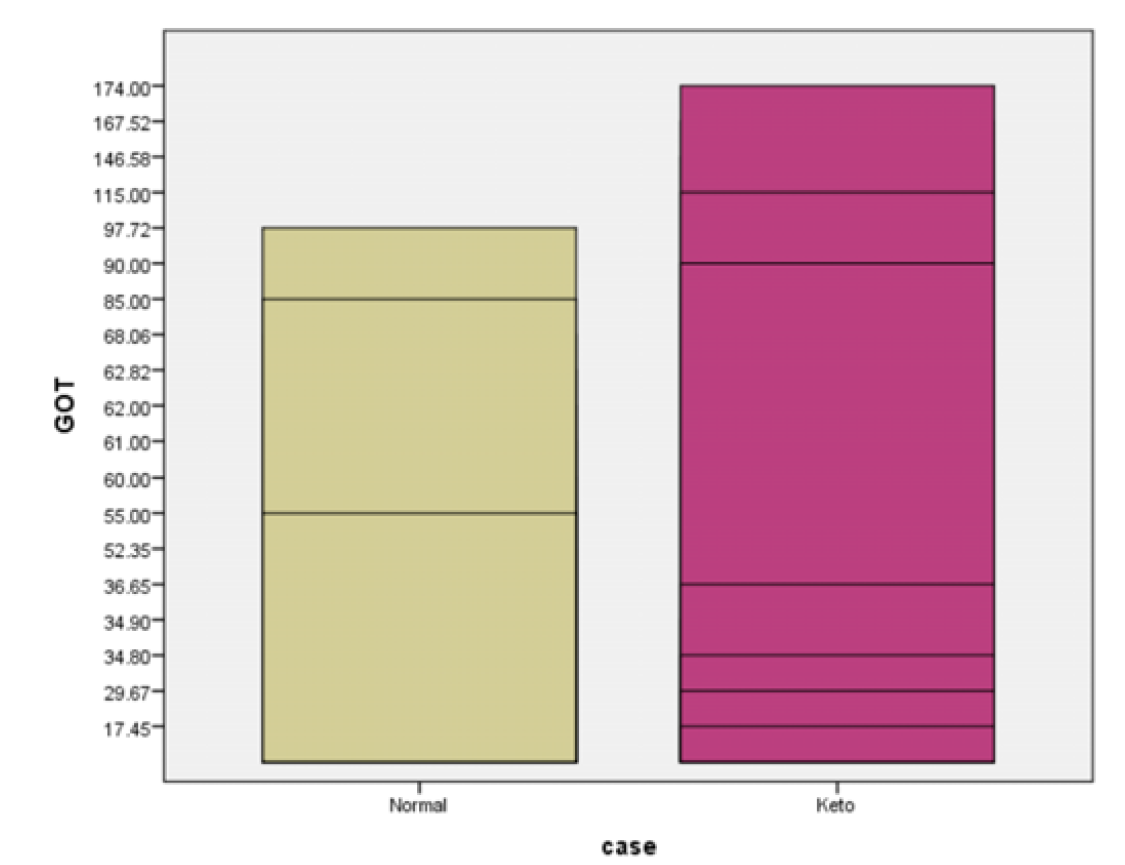
In this study, the levels of GOT (aspartate aminotransferase) were also compared between the normal and keto groups of animals. The mean level of GOT in the normal group was 65.9, with a standard deviation of 14.47874, while in the keto group, the mean level was slightly higher at 84.7, with a standard deviation of 61.85977 as indicated in table 1 and figure 5.
Table 2: statistical analysis between Keto samples and normal animals using t-test
t-test Table
Parameters
t-Test
P-Value
albumin
6.891
0.0001
Alkaline
4.326
0.0001
LDH
5.450
0.0001
GOT
0.934
0.363
GPT
2.241
0.038
cholesterol
8.035
0.0001
Significant P< 0.05, Non-significant P> 0.05
Figure 5: show the level of GOT in normal and Keto group
The p-value obtained from the t-test was 0.363 as shown in table 2, indicating that there was no statistically significant difference between the two groups in terms of GOT levels. Therefore, it can be concluded that the keto supplement did not have a significant impact on the levels of this enzyme in the liver. However, it is important to note that other factors may influence GOT levels, such as the degree of liver damage or inflammation.
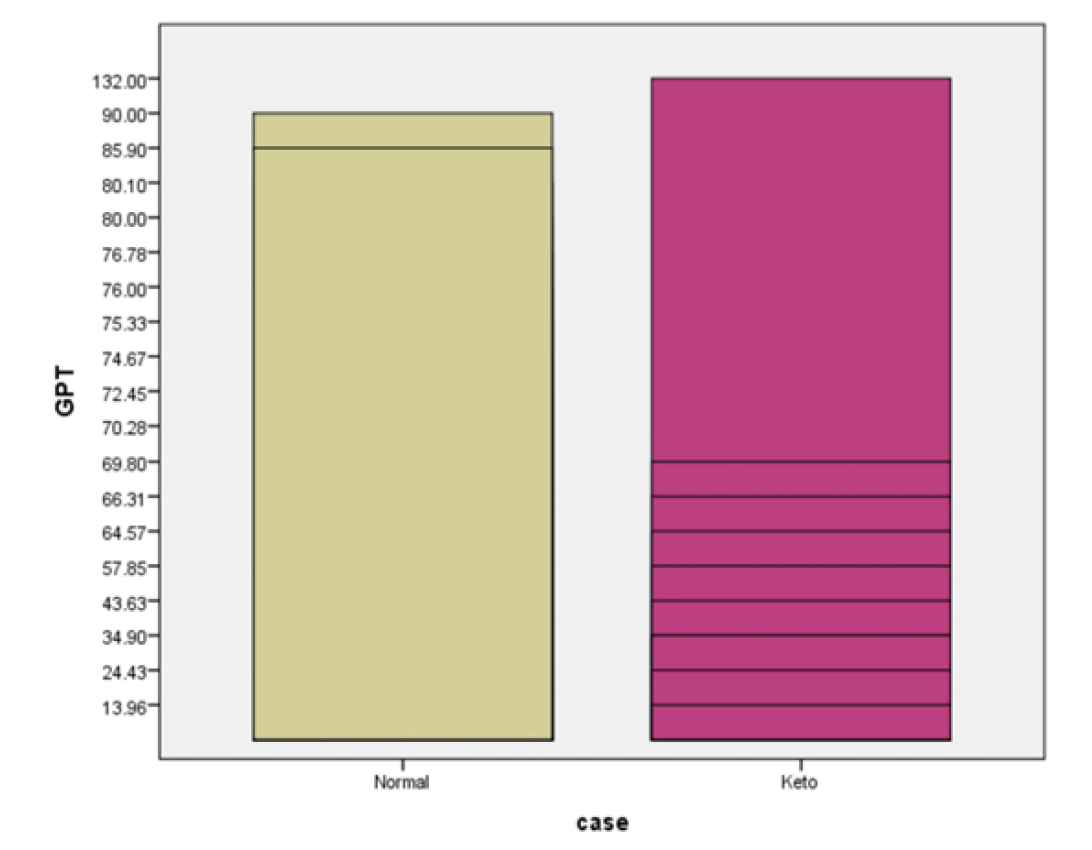
In this study, the levels of GPT (alanine aminotransferase) were compared between the normal and keto groups of animals. Table 1 and Figure 6 shows that the mean level of GPT in the normal group was 78.2, with a standard deviation of 6.04335, while in the keto group, the mean level was lower at 54.2, with a standard deviation of 33.20963. The p-value obtained from the t-test was 0.038, which indicates that the difference in GPT levels between the two groups was statistically significant as indicated in table 2. Specifically, the keto supplement appears to have a protective effect on liver function, as reflected in the lower levels of GPT in the keto group.
Figure 6: show the level of GPT in normal and Keto group
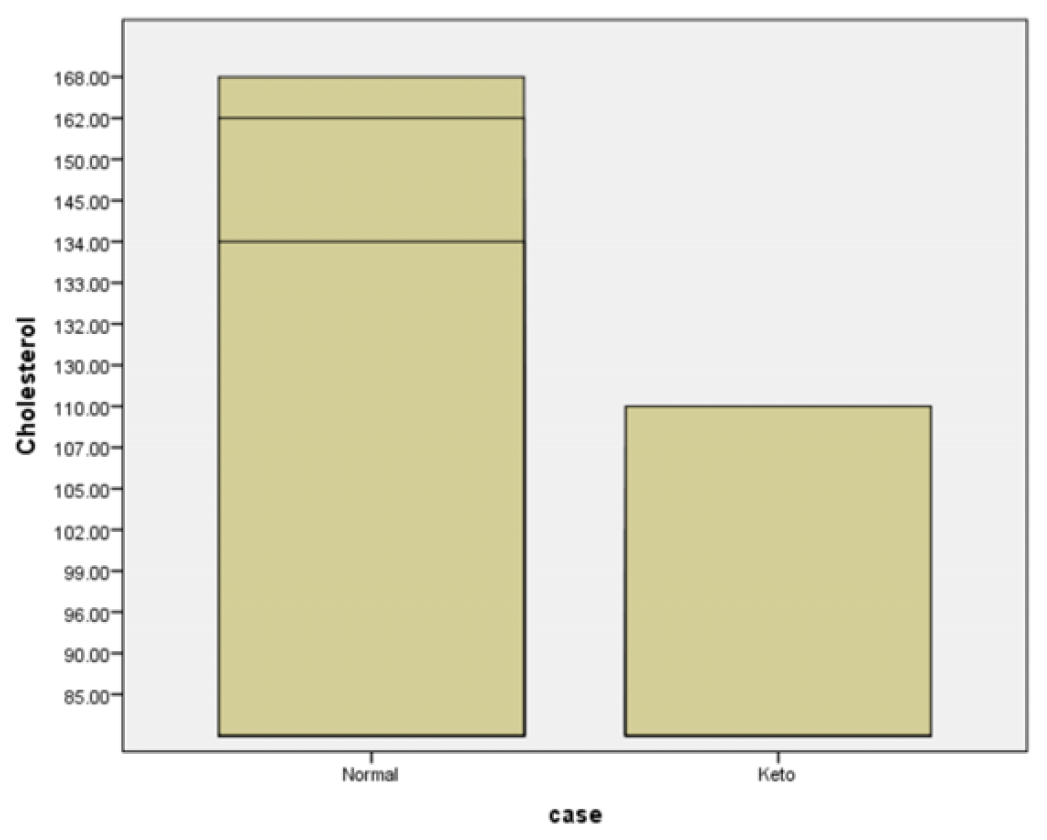
The levels of cholesterol were also compared between the normal and keto groups of animals. The mean level of cholesterol in the normal group was 141.8, with a standard deviation of 13.927, while in the keto group, the mean level was lower at 100.6, with a standard deviation of 8.303 as shown in Table 1. The p-value obtained from the t-test was 0.0001 as shown in Table 2, which indicates that the difference in cholesterol levels between the two groups was statistically significant. Specifically, the keto supplement appears to have a beneficial effect on cholesterol levels, as reflected in the lower levels of cholesterol in the keto group.
Figure 7: Show the level of Cholesterol in normal and Keto group
DISCUSSION
The results of the study suggest that the consumption of a keto supplement may have significant effects on liver function, as reflected in the altered levels of various liver enzymes and proteins. Specifically, the study found that the keto supplement had a significant impact on the levels of albumin, alkaline phosphatase, LDH, and GPT in the liver.
The decrease in albumin levels in the keto group suggests that the liver may be less efficient in producing this protein. Albumin is an essential protein that helps to maintain proper fluid balance in the body, and a decrease in its levels can have serious consequences on overall health. Several studies have reported similar findings regarding the impact of the keto supplement on liver function and albumin levels [7,8].
The increase in alkaline phosphatase levels in the keto group may suggest an increased demand for protein breakdown by the liver. This finding is consistent with previous studies that have reported a correlation between the keto supplement and increased protein breakdown [9,10]
The increase in LDH levels in the keto group may be indicative of liver damage or injury. LDH is an enzyme that is found in almost all tissues in the body, including the liver, and elevated levels of this enzyme have been associated with liver disease [11]. It is agreed with previous studies they have reported similar findings regarding the impact of the keto supplement on liver function and LDH levels [12,13].
The decrease in GPT levels in the keto group suggests that the keto supplement may have a protective effect on liver function. GPT is an enzyme that is primarily found in the liver and is often used as a marker of liver function. Elevated levels of GPT are associated with liver damage or inflammation [14].
It is important to note that the results of this study are based on animal models and may not necessarily apply to humans. Further studies are needed to determine the long-term effects of the keto supplement on liver function in humans.
CONCLUSION
In conclusion, the results of this study suggest that the consumption of a keto supplement may have significant effects on liver function, as reflected in the altered levels of various liver enzymes and proteins. While the keto supplement may have some benefits, it is important to consider the potential risks and to consult a healthcare professional before making any significant changes to your diet.
REFERENCE
Newman, J.C., and E. Verdin. “β-Hydroxybutyrate: Much More Than a Metabolite.” Diabetes Research and Clinical Practice, vol. 106, no. 2, 2014, pp. 173–181.
Chen, K., et al. “Coenzyme Q10 Attenuates High-Fat Diet-Induced Non-Alcoholic Fatty Liver Disease through Activation of the AMPK Pathway.” Food & Function, vol. 10, no. 2, 2019, pp. 814–823.
Nie, C., et al. “Hydrogen Gas Inhalation Alleviates Myocardial Ischemia-Reperfusion Injury by the Inhibition of Oxidative Stress and NLRP3-Mediated Pyroptosis in Rats.” Life Sciences, vol. 272, 2021, p. 119248.
Walsh, J.J., et al. “Potential Therapeutic Effects of Exogenous Ketone Supplementation for Type 2 Diabetes: A Review.” Current Pharmaceutical Design, vol. 26, no. 9, 2020, pp. 958–969.
Soto-Mota, A., et al. “Safety and Tolerability of Sustained Exogenous Ketosis Using Ketone Monoester Drinks for 28 Days in Healthy Adults.” Regulatory Toxicology and Pharmacology, vol. 109, 2019, p. 104506.
Huang, X.-J., et al. “Aspartate Aminotransferase (AST/GOT) and Alanine Aminotransferase (ALT/GPT) Detection Techniques.” Sensors, vol. 6, no. 7, 2006, pp. 756–782.
Khairi, S., et al. “The Impact of Low-Carbohydrate Diet on Glycemic Control in Native Americans.” Research and Reports in Endocrine Disorders, vol. 5, 2015, p. 119.
Johnstone, A.M., et al. “Effects of a High-Protein Ketogenic Diet on Hunger, Appetite, and Weight Loss in Obese Men Feeding Ad Libitum.” The American Journal of Clinical Nutrition, vol. 87, no. 1, 2008, pp. 44–55.
Sumithran, P., et al. “Ketosis and Appetite-Mediating Nutrients and Hormones After Weight Loss.” European Journal of Clinical Nutrition, vol. 67, no. 7, 2013, pp. 759–764.
Volek, J.S., et al. “Body Composition and Hormonal Responses to a Carbohydrate-Restricted Diet.” Metabolism: Clinical and Experimental, vol. 51, no. 7, 2002, pp. 864–870.
Dufour, D.R., et al. “Diagnosis and Monitoring of Hepatic Injury. I. Performance Characteristics of Laboratory Tests.” Clinical Chemistry, vol. 46, no. 12, 2000, pp. 2027–2049.
Zhong, W., and Z. Zhou. “Alterations of the Gut Microbiome and Metabolome in Alcoholic Liver Disease.” World Journal of Gastrointestinal Pathophysiology, vol. 5, no. 4, 2014, p. 514.
Farhana, A., and S.L. Lappin. Biochemistry, Lactate Dehydrogenase. StatPearls Publishing, 2022.
Gupta, L., et al. “Ketogenic Diet in Endocrine Disorders: Current Perspectives.” Journal of Postgraduate Medicine, vol. 63, no. 4, 2017, p. 242.
Recommended Articles
Research Article
The Study of Suicide in Adolescents in The Context of Cognitive Brain Change
Zhang Wen,
...
Amiya Bhaumik
Published: 29/07/2024
Download PDF
Case Report
OROFACIAL GRANULOMATOSIS: A CASE REPORT
Diksha Thakur,
...
Mandeep Kaur
Published: 19/11/2024
Download PDF
Case Report
The Utility of Maternal Serum Amyloid a in the Prediction of Preterm Birth in Symptomatic Women
Enas Hussein Ahmed,
Aseel Ghazi Rifat
Published: 30/06/2024
Download PDF
Research Article
Role of First Trimester HbA1c in Screening of Gestational Diabetes Mellitus
Anu Berwal,
...
Geetika Gupta Syal
Published: 28/12/2025
Download PDF
PO Box 101, Nakuru
Kenya.
Email: office@iarconsortium.org
Editorial Office:
J.L Bhavan, Near Radison Blu Hotel,
Jalukbari, Guwahati-India
Salman, R. J. (2023). Histological and biochemical effect of Sodium beta hydroxy butyrate, Potassium hydroxyl buterat and Calcium beta hydroxy butyrate together to the tissue of liver of the rats. Scientific Research Journal of Medical Case Reports, 3(1), 1-7.
MLA
Salman, Raghad J.. "Histological and biochemical effect of Sodium beta hydroxy butyrate, Potassium hydroxyl buterat and Calcium beta hydroxy butyrate together to the tissue of liver of the rats." Scientific Research Journal of Medical Case Reports 3.1 (2023): 1-7.
Chicago
Salman, Raghad J.. "Histological and biochemical effect of Sodium beta hydroxy butyrate, Potassium hydroxyl buterat and Calcium beta hydroxy butyrate together to the tissue of liver of the rats." Scientific Research Journal of Medical Case Reports 3, no. 1 (2023): 1-7.
Harvard
Salman, R. J. (2023) 'Histological and biochemical effect of Sodium beta hydroxy butyrate, Potassium hydroxyl buterat and Calcium beta hydroxy butyrate together to the tissue of liver of the rats' Scientific Research Journal of Medical Case Reports 3(1), pp. 1-7.
Vancouver
Salman RJ. Histological and biochemical effect of Sodium beta hydroxy butyrate, Potassium hydroxyl buterat and Calcium beta hydroxy butyrate together to the tissue of liver of the rats. Scientific Research Journal of Medical Case Reports. 2023 Jan;3(1):1-7.


 Download PDF
 Download XML